
Get ready stock into your retail operation.
Supplier & port collections.
Connect incoming retail stock with the warehouse or store programme that needs it. Synergix arranges collections from suppliers and agreed port collection points, with the vehicle, release information and receiving slot planned together. Deliver to your warehouse or regional distribution centre (RDC), or bring stock into Northampton for agreed sorting, holding and onward store distribution.
Supplier to warehouseCollections planned around dispatch readiness.
Clear release informationThe correct collection point, references and authority.
Tracking and proof-of-delivery records (PODs)Visibility of the movement and receiving handover.
Connected retail supportSorting and onward distribution when required.
The inbound stage
Plan the collection and the next handover together.
A vehicle arriving is only useful when the stock can be released and the receiving warehouse can accept it.
Supplier collections
Collect when the order is ready
Arrange the collection address, dispatch contact, order references and loading window. Confirm what is ready rather than relying only on an expected production date. Goods can move directly to your receiving warehouse or into the agreed Synergix retail operation.
Port collection points
Identify the actual release location
A terminal, port-side warehouse and off-dock collection point have different procedures. Tell us exactly where goods are held, how they are presented and who authorises release. The collection method and any terminal-specific requirements are confirmed for the movement.
Warehouse or RDC delivery
Connect to the receiving slot
Provide the delivery booking, receiving reference, opening hours and unloading requirements. Plan the outward collection against that window, with someone available to resolve a late release or changed slot.
Into Northampton
Connect inbound stock to store allocations
Stock can come through our Northampton operation for agreed receipt checks, sorting, holding and onward distribution. Share store allocations and expected quantities early so the inbound handover supports the next dispatch.
Goods and practical requirements
Inbound stock and collection formats.
Goods presentation determines the vehicle, loading method and information needed before dispatch.
- Boxed supplier stock
- Palletised retail goods
- Released imported stock
- Terminal and container enquiries
- Mixed supplier allocations
- Valuable or specialist goods
Boxed supplier stock
Provide the carton count, packed dimensions, total weight and order references. Identify fragile or non-stackable boxes and label store allocations where already known. Loose cartons need an agreed loading and checking arrangement.
Palletised retail goods
Give the pallet footprint, loaded height and weight, including overhang. Confirm forklift or loading-dock arrangements at collection and delivery. Dedicated pallet transport can support the movement; Synergix does not offer a pallet-network service.
Released imported stock
Confirm the goods are available for road collection and supply the relevant release information through the authorised contact. Vessel arrival or a supplier dispatch notice alone does not establish collection readiness. Customs and shipping responsibilities need to be clear.
Terminal and container enquiries
State whether the job involves a sealed container, already unloaded goods or a port-side warehouse collection. Container equipment, terminal access, empty return and any unloading work need specific agreement. A general stock collection does not automatically include container devanning or customs clearance.
Mixed supplier allocations
Keep each supplier order and destination identifiable. Tell us about partial availability or different release dates so collections and onward allocations can be adjusted without confusing expected and received quantities.
Valuable or specialist goods
Declare the product, value and any temperature, security or handling requirement. The vehicle and applicable cover are confirmed for the goods. Refrigerated or other specialist conversions have their own usable space and payload.
The vehicle follows the job
Explore the wider Synergix fleet.
This fleet overview covers different transport and handling requirements. We match the vehicle, body and equipment to your goods, access and the work booked. A pictured configuration is not automatically suitable for every retail job.
39 vehicle options. Browse horizontally or open the stationary guide.
Small van
1.2 × 1 × 1 m
Up to 400 kg
A practical starting point for urgent parts, documents, samples and compact business deliveries.
Standard body guide; actual vehicle checked.
View vehicle guide: Small van
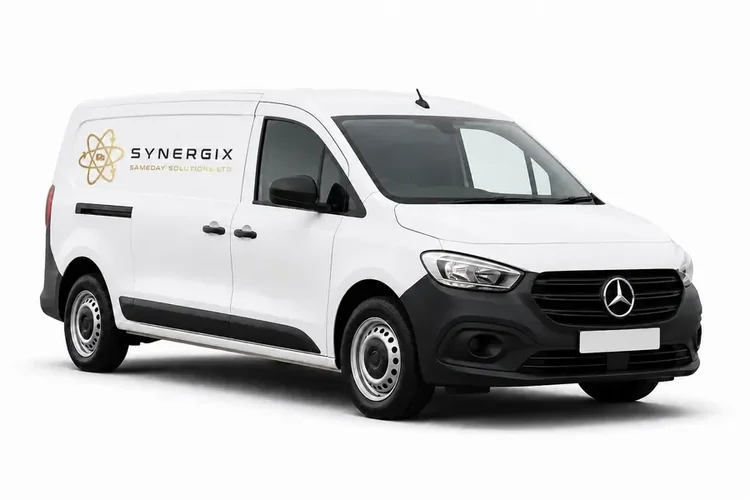
SWB van
2.4 × 1.2 × 1.2 m
Up to 800 kg
Useful for stock, tools and smaller pallet loads that need more room than a small van.
Standard body guide; actual vehicle checked.
View vehicle guide: Short wheelbase van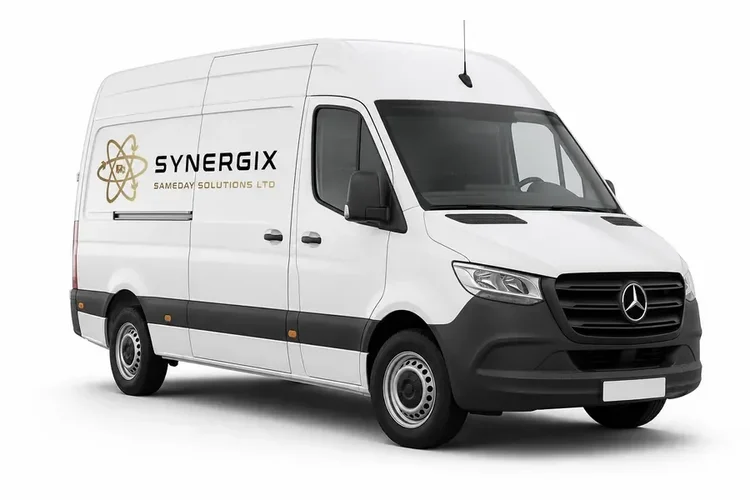
LWB van
3.6 × 1.2 × 1.8 m
Up to 1,250 kg
More floor length for equipment, boxed stock, signage and longer items on dedicated courier work.
Standard body guide; actual vehicle checked.
View vehicle guide: Long wheelbase van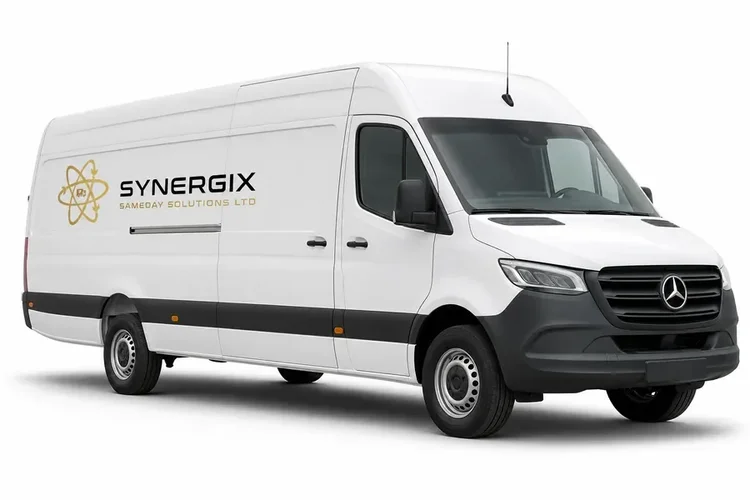
XLWB van
4.2 × 1.2 × 1.8 m
Up to 1,100 kg
Extra length for bulky, lighter consignments and long items that need an enclosed vehicle.
Standard body guide; actual vehicle checked.
View vehicle guide: Extra long wheelbase van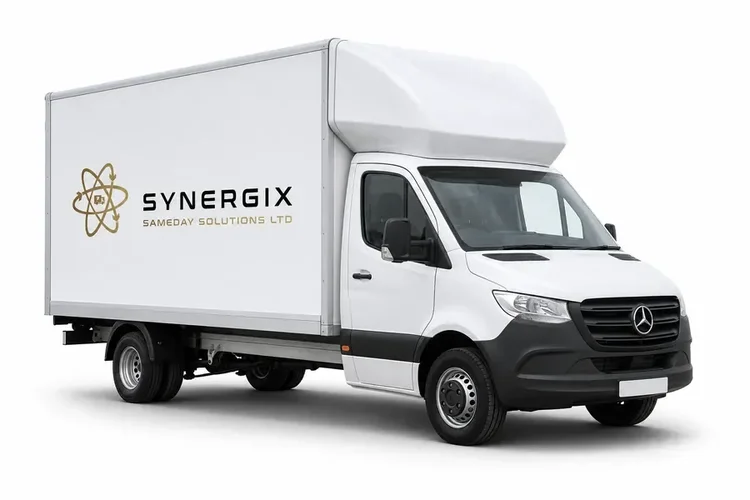
Luton van
4 × 2 × 2 m
Up to 1,100 kg
A wider box-shaped load area for bulky stock, furniture and light palletised deliveries.
900 kg with a tail lift; conversion checked.
View vehicle guide: Luton van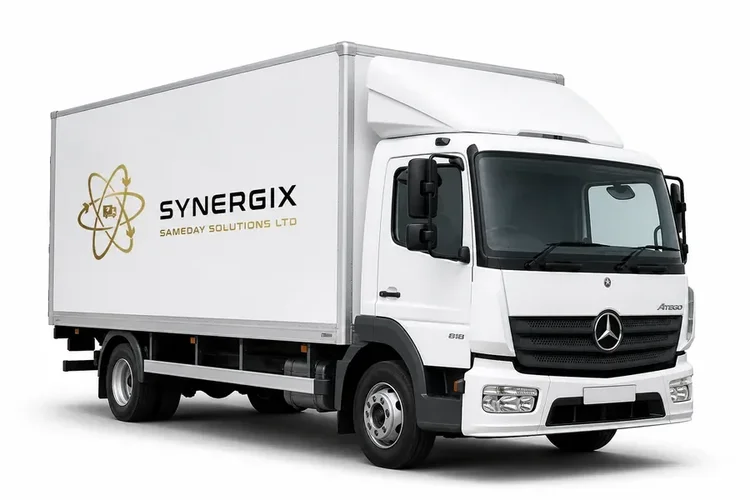
7.5 tonne lorry
6 × 2.2–2.4 × 2–2.445 m
Up to 2,400 kg
A step up from vans for pallet deliveries, retail stock and bulky goods requiring a rigid lorry.
Standard body guide; actual vehicle checked.
View vehicle guide: 7.5 tonne lorry
18 tonne lorry
7.5 × 2.4 × 2.5 m
Up to 9,000 kg
A larger rigid for regular distribution, industrial goods and heavier pallet loads.
Standard body guide; actual vehicle checked.
View vehicle guide: 18 tonne lorry
26 tonne lorry
8 × 2.5 × 2.6 m
Up to 15,000 kg
A higher-capacity rigid option for substantial pallet, building-material and distribution loads.
Standard body guide; actual vehicle checked.
View vehicle guide: 26 tonne lorry
13.6m artic
13.6 × 2.5 × 2.6 m
Up to 26,000 kg
Full and part loads, regular trunking and larger consignments. Choose the trailer around the goods and unloading method.
Standard body guide; actual vehicle checked.
View vehicle guide: 13.6m articulated lorry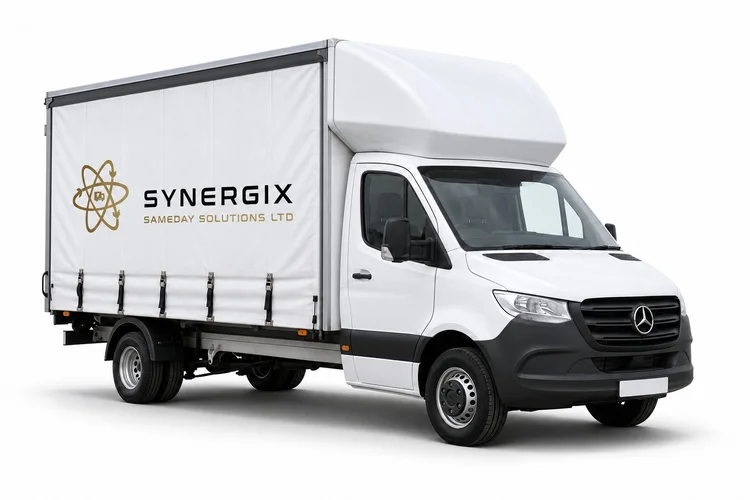
Luton curtainsider
Actual body specification confirmed
Load-specific capacity
Side loading needs a suitable opening, securing system and safe forklift access. Confirm the actual body space and payload.
Actual body, equipment and working payload checked.
View vehicle guide: Luton curtainsider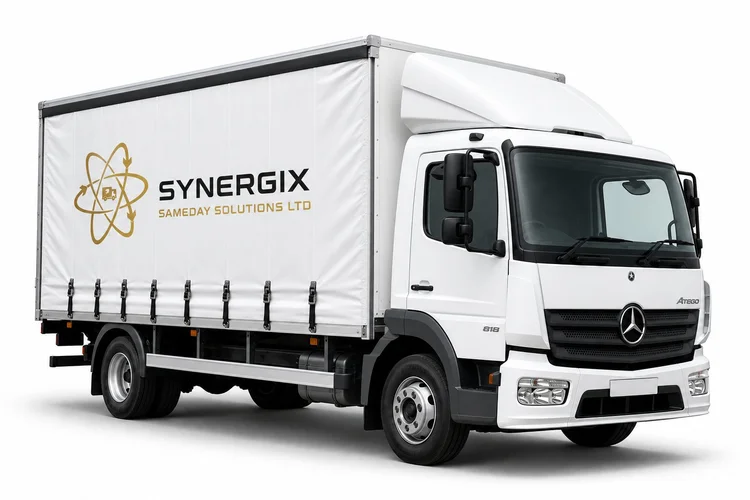
7.5t curtainsider
Actual body specification confirmed
Load-specific capacity
Side loading needs a suitable opening, securing system and safe forklift access. Confirm the actual body space and payload.
Actual body, equipment and working payload checked.
View vehicle guide: 7.5t curtainsider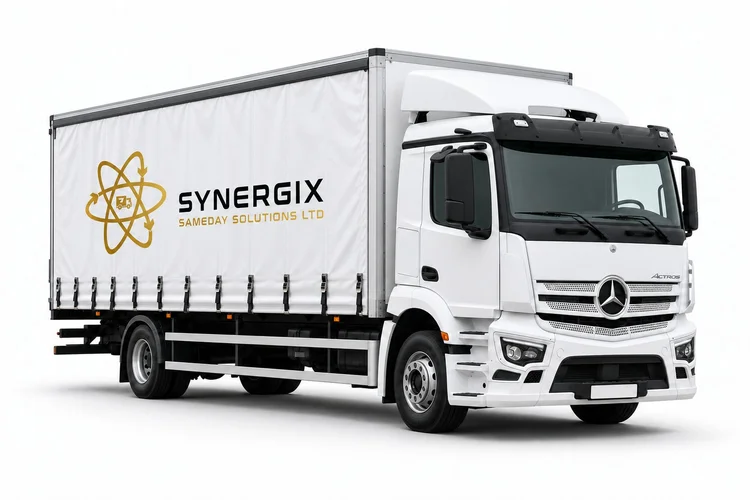
18t curtainsider
Actual body specification confirmed
Load-specific capacity
Side loading needs a suitable opening, securing system and safe forklift access. Confirm the actual body space and payload.
Actual body, equipment and working payload checked.
View vehicle guide: 18t curtainsider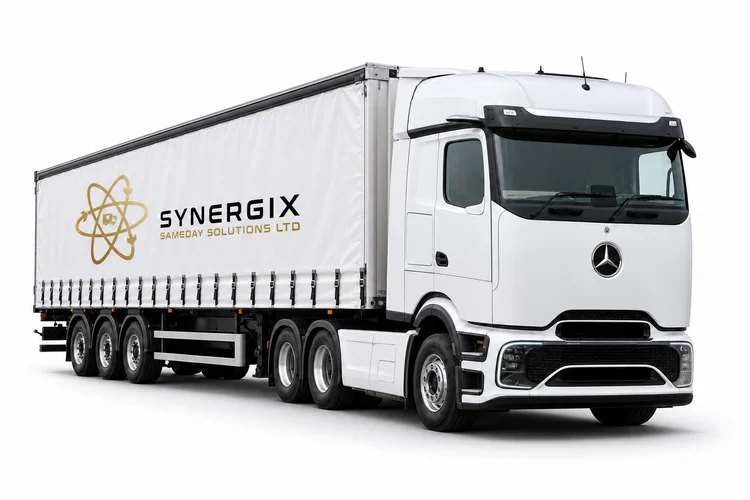
Articulated curtainsider
Actual body specification confirmed
Load-specific capacity
Side loading needs a suitable opening, securing system and safe forklift access. Confirm the actual body space and payload.
Actual body, equipment and working payload checked.
View vehicle guide: Articulated curtainsider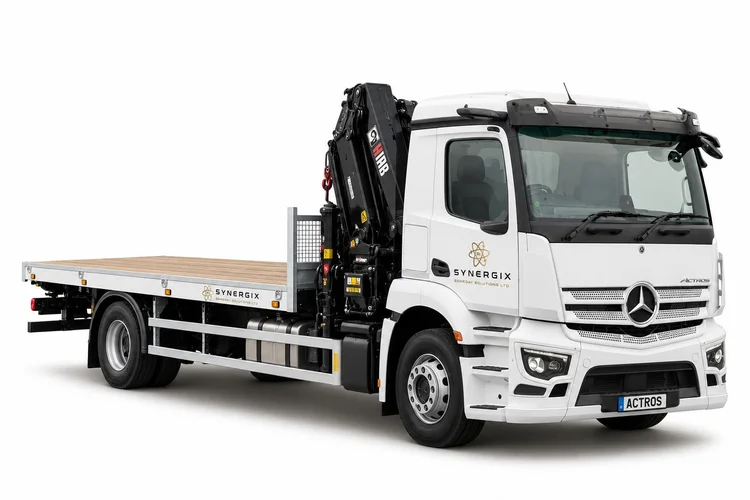
18t flatbed HIAB
Actual body specification confirmed
Load-specific capacity
Check load weight, lifting points, reach, ground, stabiliser space and the actual lift plan. Standard-body payload does not apply.
Actual body, equipment and working payload checked.
View vehicle guide: 18t flatbed HIAB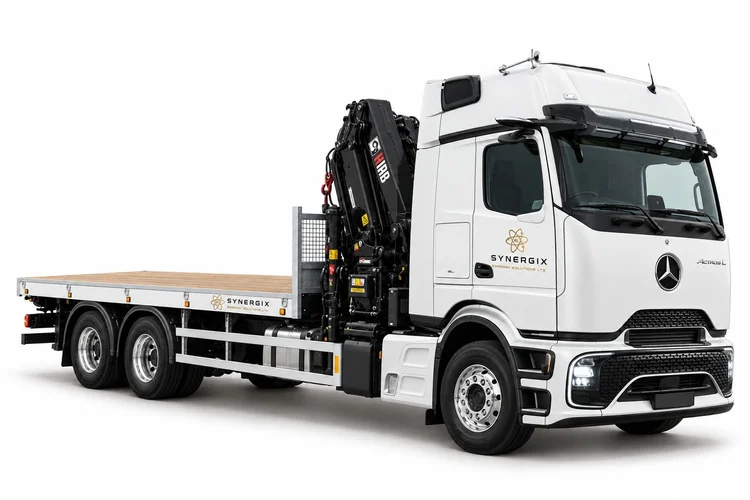
26t flatbed HIAB
Actual body specification confirmed
Load-specific capacity
Check load weight, lifting points, reach, ground, stabiliser space and the actual lift plan. Standard-body payload does not apply.
Actual body, equipment and working payload checked.
View vehicle guide: 26t flatbed HIAB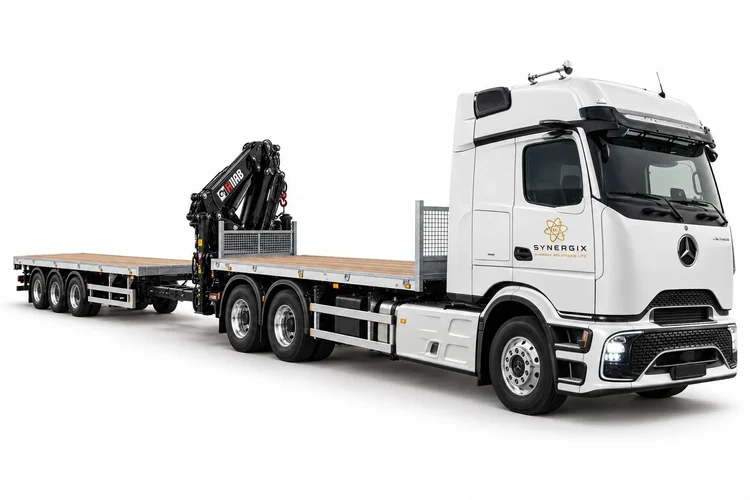
Wagon & drag, rear HIAB
Actual body specification confirmed
Load-specific capacity
Check load weight, lifting points, reach, ground, stabiliser space and the actual lift plan. Standard-body payload does not apply.
Actual body, equipment and working payload checked.
View vehicle guide: Wagon & drag, rear HIAB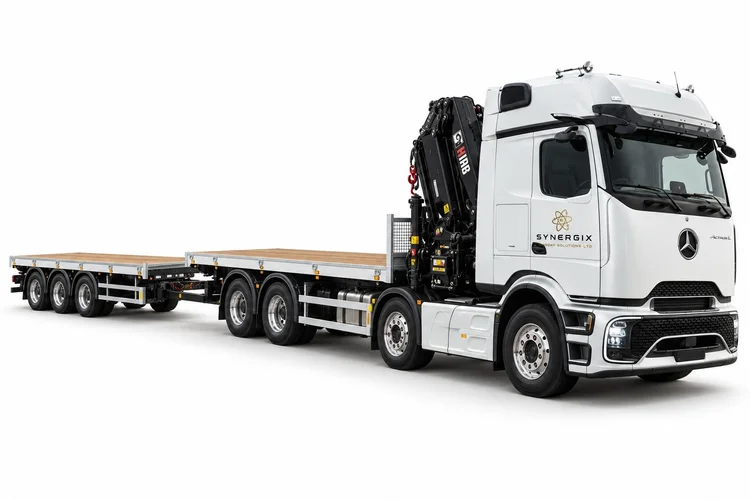
Wagon & drag, front HIAB
Actual body specification confirmed
Load-specific capacity
Check load weight, lifting points, reach, ground, stabiliser space and the actual lift plan. Standard-body payload does not apply.
Actual body, equipment and working payload checked.
View vehicle guide: Wagon & drag, front HIAB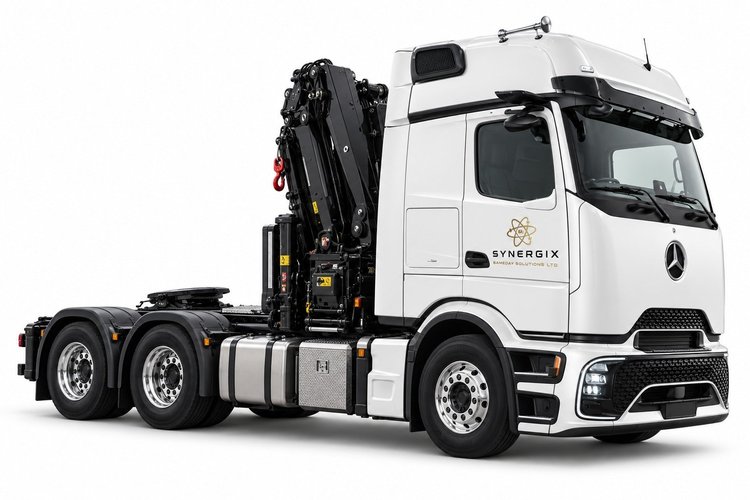
Three-axle HIAB tractor
Actual body specification confirmed
Load-specific capacity
Check load weight, lifting points, reach, ground, stabiliser space and the actual lift plan. Standard-body payload does not apply. Tractor shown without a trailer. Agree the complete combination.
Actual body, equipment and working payload checked.
View vehicle guide: Three-axle HIAB tractor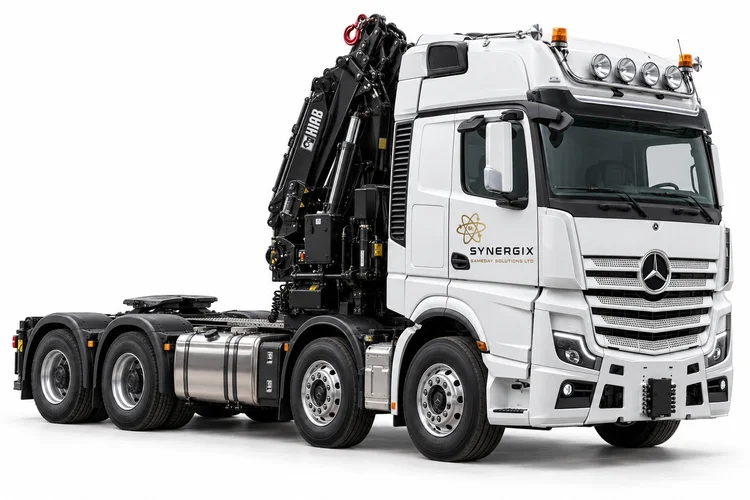
Four-axle heavy HIAB tractor
Actual body specification confirmed
Load-specific capacity
Check load weight, lifting points, reach, ground, stabiliser space and the actual lift plan. Standard-body payload does not apply. Tractor shown without a trailer. Agree the complete combination.
Actual body, equipment and working payload checked.
View vehicle guide: Four-axle heavy HIAB tractor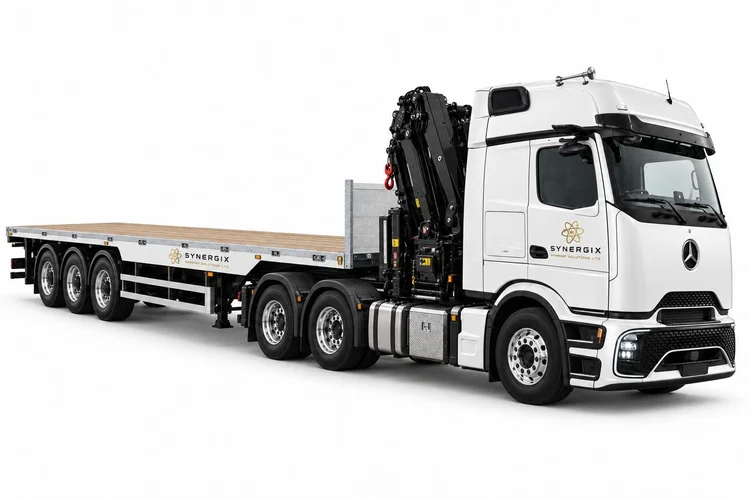
HIAB artic & flatbed
Actual body specification confirmed
Load-specific capacity
Check load weight, lifting points, reach, ground, stabiliser space and the actual lift plan. Standard-body payload does not apply.
Actual body, equipment and working payload checked.
View vehicle guide: HIAB artic & flatbed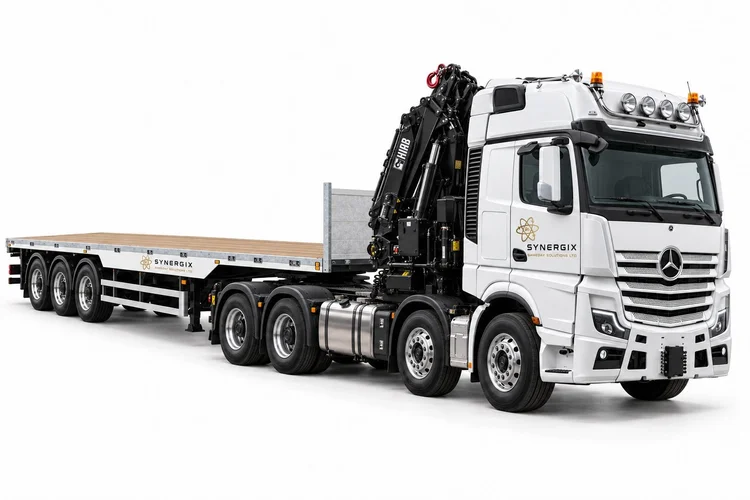
Heavy HIAB artic & flatbed
Actual body specification confirmed
Load-specific capacity
Check load weight, lifting points, reach, ground, stabiliser space and the actual lift plan. Standard-body payload does not apply.
Actual body, equipment and working payload checked.
View vehicle guide: Heavy HIAB artic & flatbed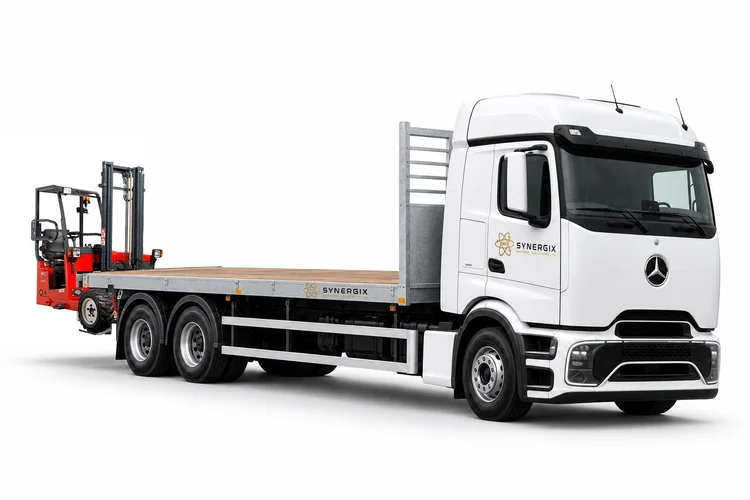
26t flatbed MOFFETT
Actual body specification confirmed
Load-specific capacity
Carried forklift unloading. Check load centre, item weight, fork access, ground, gradients and working space. Fitted equipment reduces payload.
Actual body, equipment and working payload checked.
View vehicle guide: 26t flatbed MOFFETT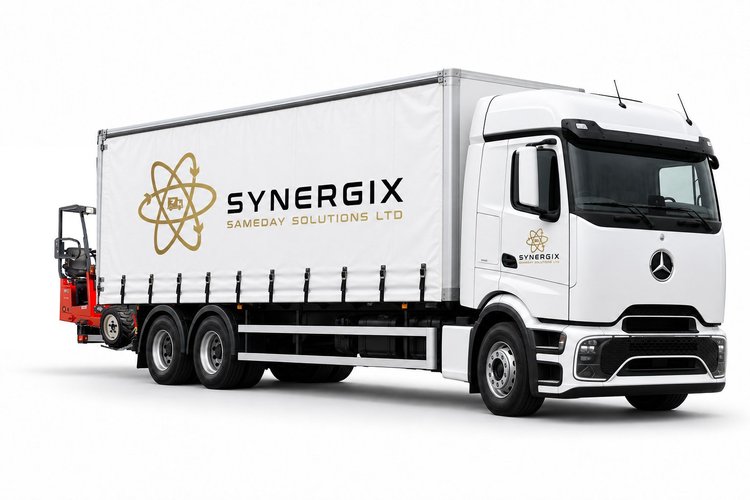
26t curtainsider MOFFETT
Actual body specification confirmed
Load-specific capacity
Carried forklift unloading. Check load centre, item weight, fork access, ground, gradients and working space. Fitted equipment reduces payload.
Actual body, equipment and working payload checked.
View vehicle guide: 26t curtainsider MOFFETT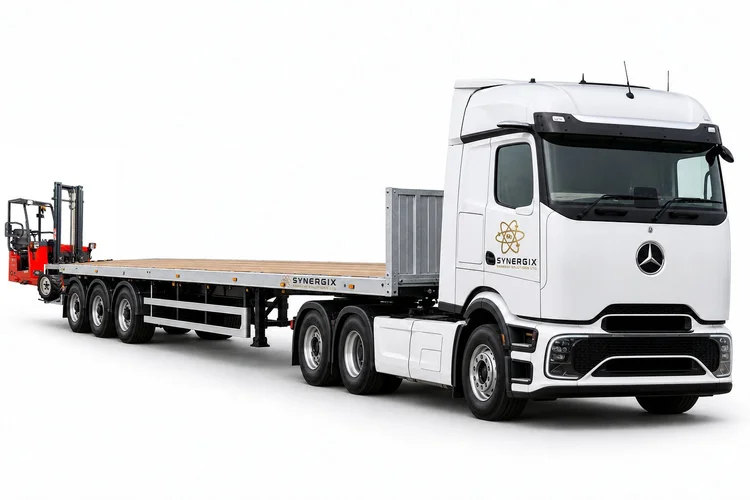
Artic flatbed MOFFETT
Actual body specification confirmed
Load-specific capacity
Carried forklift unloading. Check load centre, item weight, fork access, ground, gradients and working space. Fitted equipment reduces payload.
Actual body, equipment and working payload checked.
View vehicle guide: Artic flatbed MOFFETT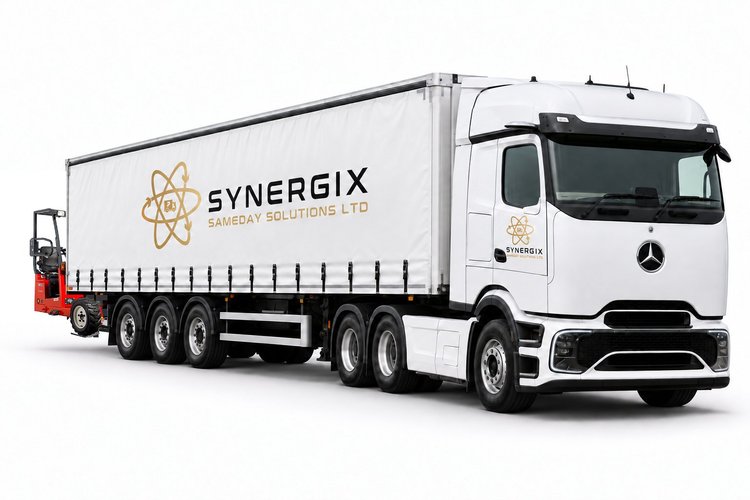
Artic curtainsider MOFFETT
Actual body specification confirmed
Load-specific capacity
Carried forklift unloading. Check load centre, item weight, fork access, ground, gradients and working space. Fitted equipment reduces payload.
Actual body, equipment and working payload checked.
View vehicle guide: Artic curtainsider MOFFETT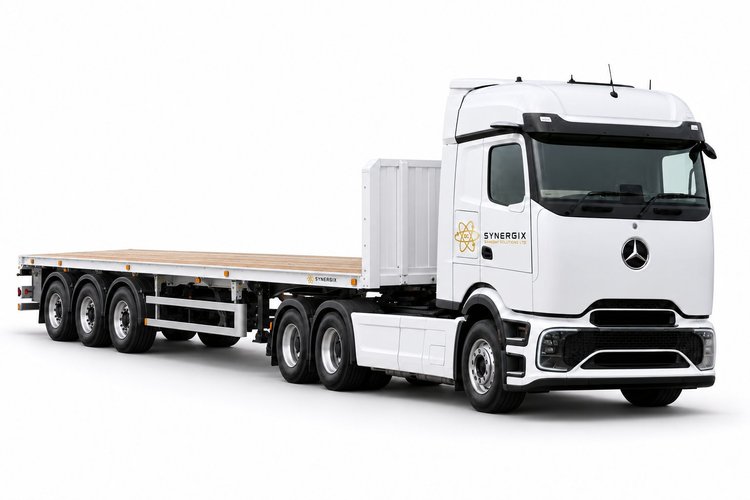
Articulated flatbed
Actual body specification confirmed
Load-specific capacity
Open-deck goods need appropriate weather protection, restraint and loading equipment.
Actual body, equipment and working payload checked.
View vehicle guide: Articulated flatbed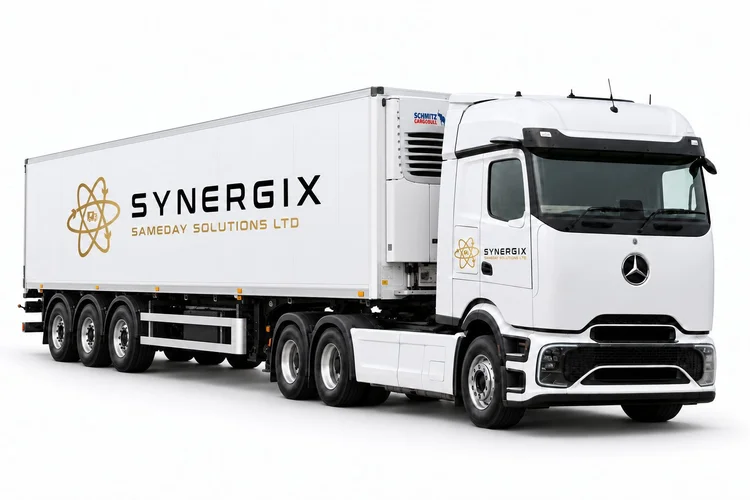
Refrigerated trailer
Actual refrigerated space confirmed
Refrigerated trailer option
Confirm goods, temperature, usable space, payload, power and operating responsibilities. Transport and static hire are separate bookings.
Actual body, equipment and working payload checked.
View vehicle guide: Refrigerated trailer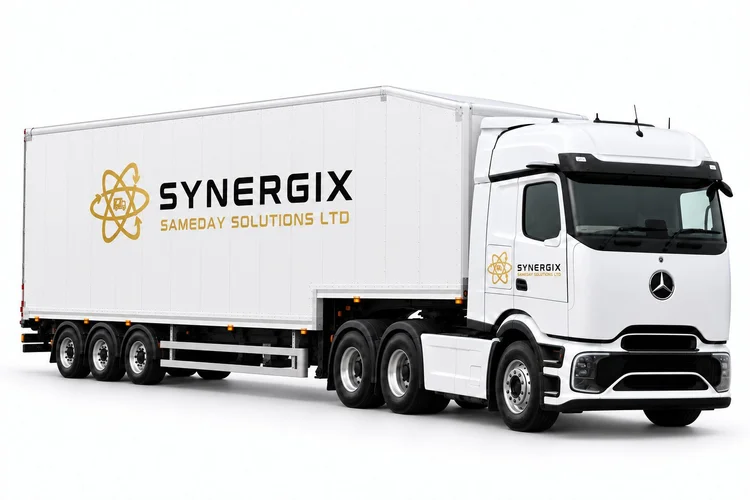
Double-deck box trailer
Actual body specification confirmed
Load-specific capacity
Check both deck heights, individual deck limits, access and the actual loading sequence.
Actual body, equipment and working payload checked.
View vehicle guide: Double-deck box trailer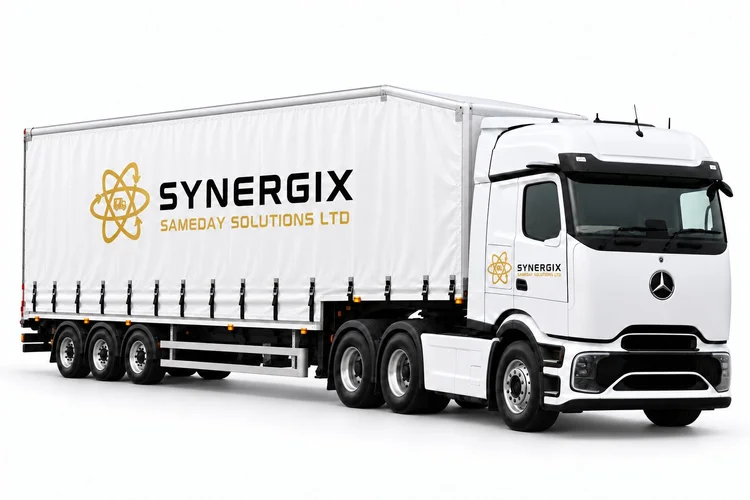
Double-deck curtainsider
Actual body specification confirmed
Load-specific capacity
Confirm deck heights, weight distribution, side access and the securing plan.
Actual body, equipment and working payload checked.
View vehicle guide: Double-deck curtainsider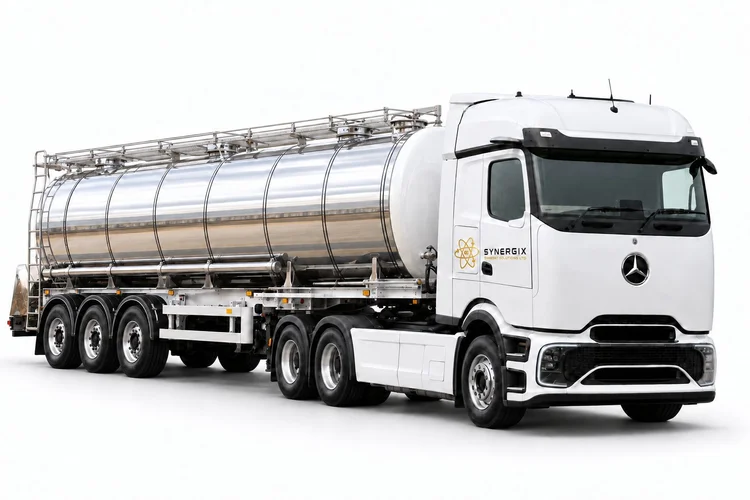
Tanker trailer
Actual body specification confirmed
Load-specific capacity
Declare the product, compatibility, hygiene, transfer equipment and any regulatory requirements. Acceptance is checked, not automatic.
Actual body, equipment and working payload checked.
View vehicle guide: Tanker trailer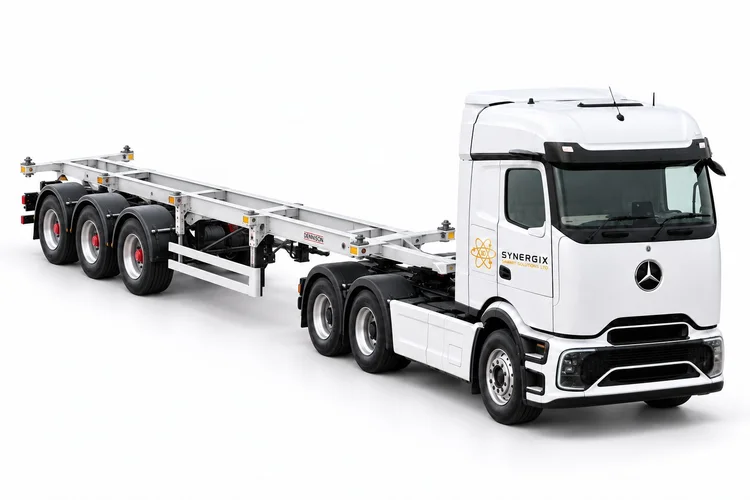
Skeletal container trailer
Actual body specification confirmed
Load-specific capacity
Confirm container size, loaded weight, twistlock positions and terminal or site lifting arrangements.
Actual body, equipment and working payload checked.
View vehicle guide: Skeletal container trailer
Walking-floor trailer
Actual body specification confirmed
Load-specific capacity
Check material suitability, unloading clearance, ground and the actual moving-floor arrangement.
Actual body, equipment and working payload checked.
View vehicle guide: Walking-floor trailer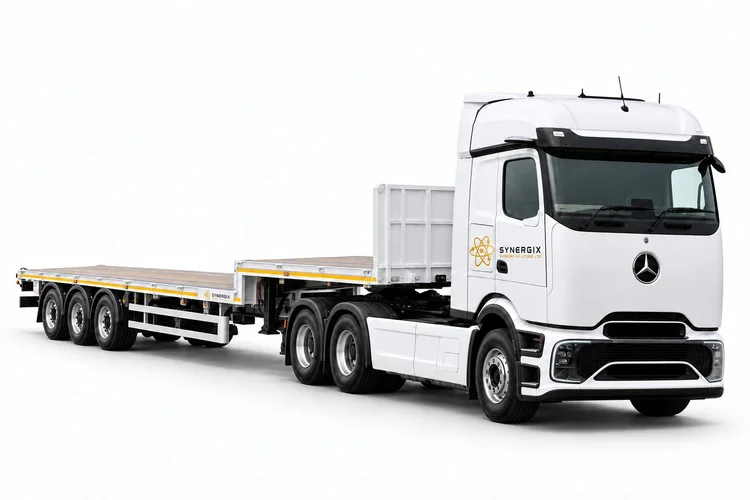
Step-frame trailer
Actual body specification confirmed
Load-specific capacity
Check each deck length and height, point loads, overall loaded height and loading method.
Actual body, equipment and working payload checked.
View vehicle guide: Step-frame trailer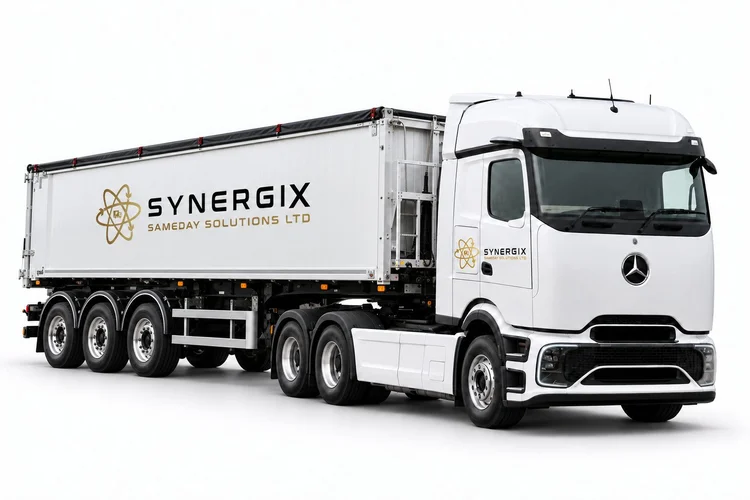
Bulk tipper trailer
Actual body specification confirmed
Load-specific capacity
Declare the material and contamination requirements. Check tipping space, overhead clearance and stable level ground.
Actual body, equipment and working payload checked.
View vehicle guide: Bulk tipper trailer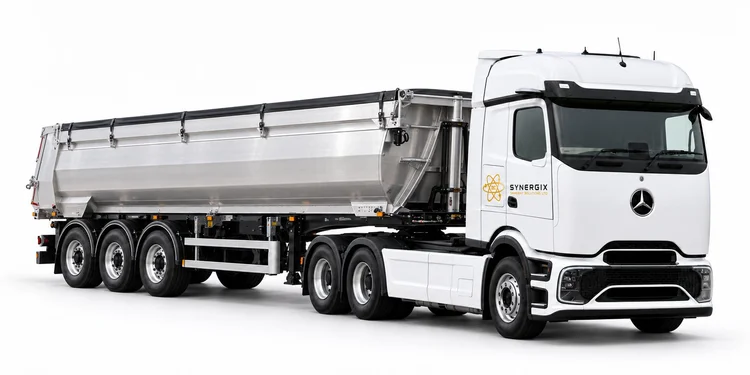
Alloy U-shaped tipper
Actual body specification confirmed
Load-specific capacity
Confirm material, liner or body compatibility, capacity and safe tipping conditions.
Actual body, equipment and working payload checked.
View vehicle guide: Alloy U-shaped tipper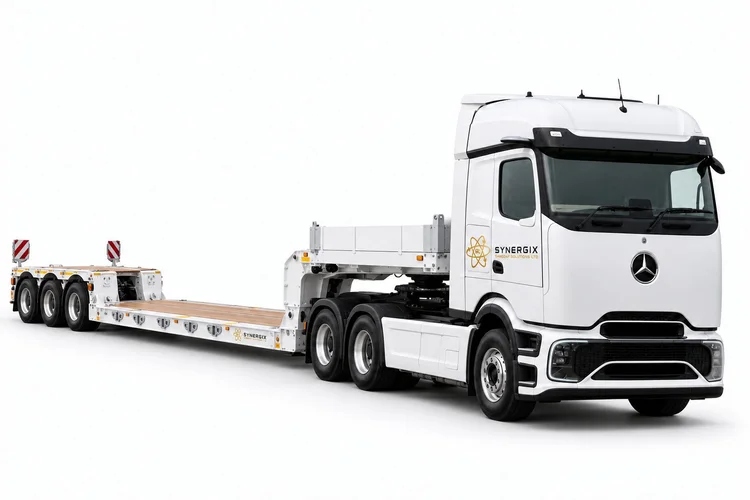
Low-loader
Actual body specification confirmed
Load-specific capacity
Check deck profile, ramps, concentrated weight, ground clearance and actual loaded dimensions.
Actual body, equipment and working payload checked.
View vehicle guide: Low-loader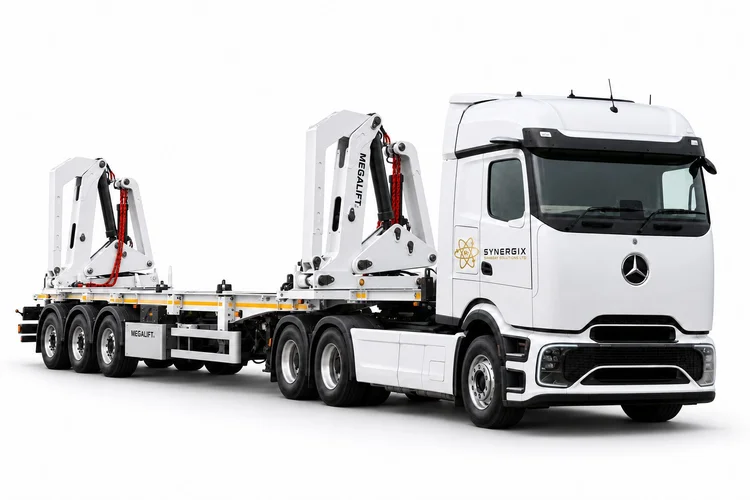
Megalift trailer
Actual body specification confirmed
Load-specific capacity
Container side-lifting needs the actual load, outreach, ground bearing and stabiliser working area checked.
Actual body, equipment and working payload checked.
View vehicle guide: Megalift trailer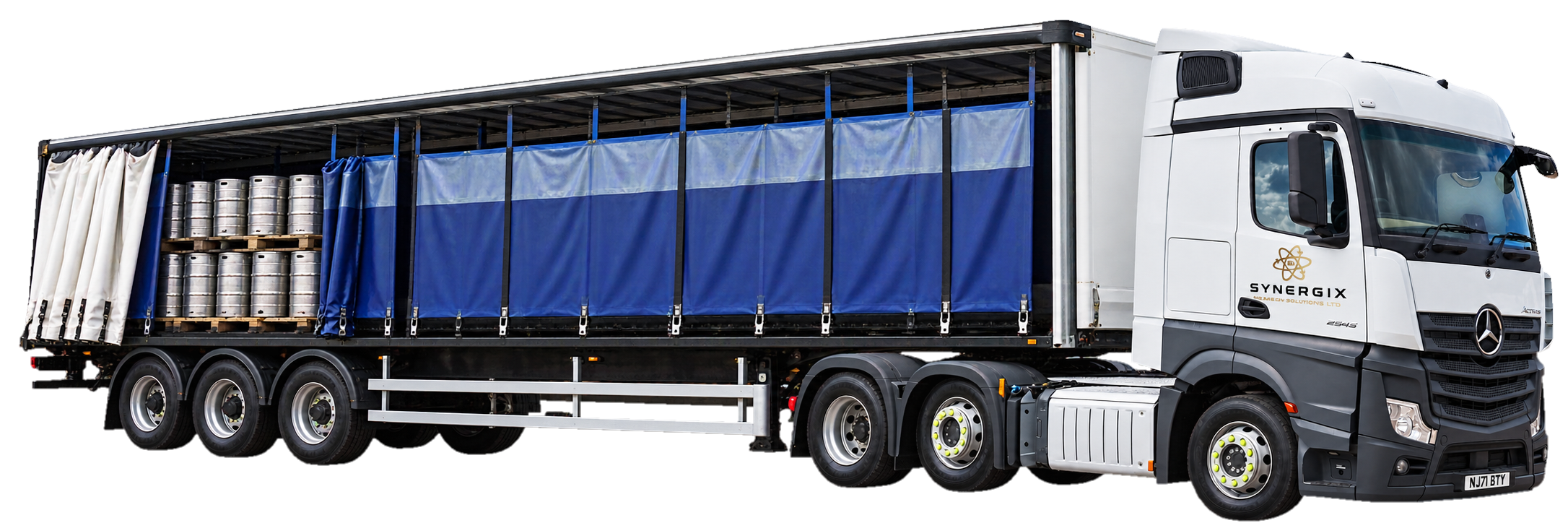
Purpose-built keg trailer
Keg layout and usable space confirmed
Actual trailer payload confirmed
For suitable keg distribution. Supply keg quantities, individual loaded weights, load presentation, site access and receiving arrangements.
Purpose-built keg trailers and other suitable vehicles are both used. Trailer layout, load restraint and unloading method are agreed for the job.
View vehicle guide: Purpose-built keg trailer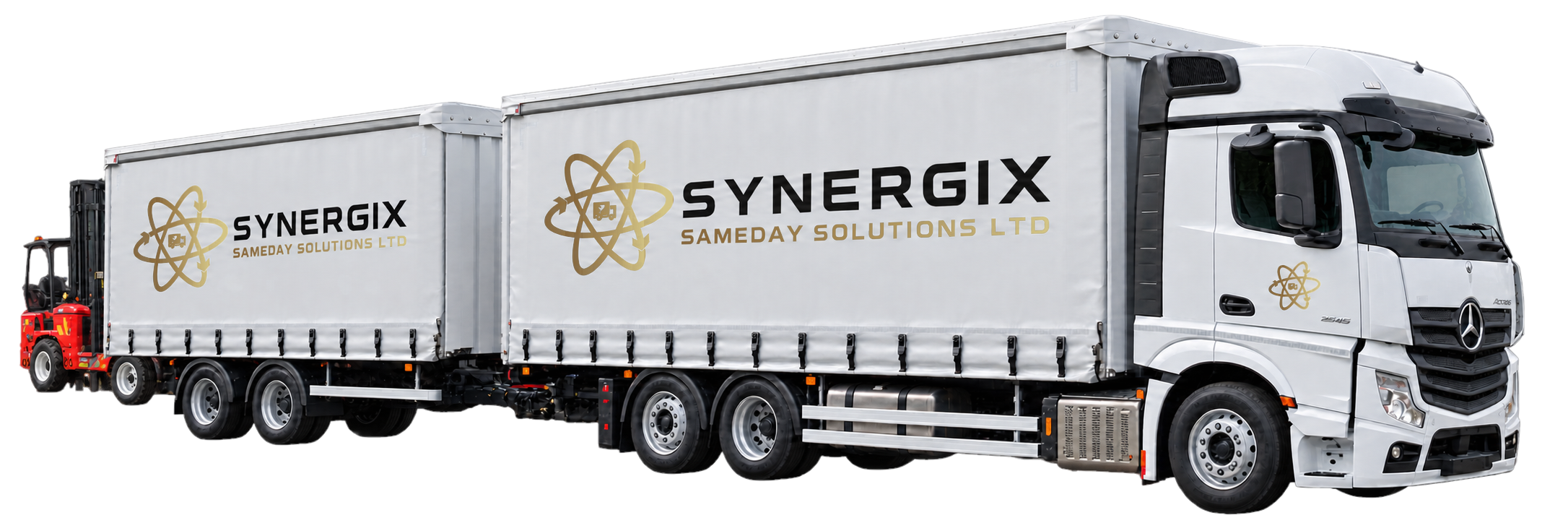
Wagon and drag MOFFETT
Both decks and forklift position confirmed
Actual completed combination payload confirmed
A rigid-and-drawbar combination with truck-mounted forklift unloading. Give individual load weights, deck allocation, unloading sequence and the ground route to the receiving point.
The carried forklift changes equipment position and freight allowance. Confirm the actual forklift, mounting, load-centre limits, ground and access.
View vehicle guide: Wagon and drag MOFFETTUse the slider or arrows, or open the stationary vehicle guide.
Stationary vehicle guide and dimensions
| Vehicle | Load space | Payload / equipment | Booking check |
|---|---|---|---|
| Small van | 1.2 × 1 × 1 m | Up to 400 kg | Standard body guide; actual vehicle checked. |
| Short wheelbase van | 2.4 × 1.2 × 1.2 m | Up to 800 kg | Standard body guide; actual vehicle checked. |
| Long wheelbase van | 3.6 × 1.2 × 1.8 m | Up to 1,250 kg | Standard body guide; actual vehicle checked. |
| Extra long wheelbase van | 4.2 × 1.2 × 1.8 m | Up to 1,100 kg | Standard body guide; actual vehicle checked. |
| Luton van | 4 × 2 × 2 m | Up to 1,100 kg | 900 kg with a tail lift; conversion checked. |
| 7.5 tonne lorry | 6 × 2.2–2.4 × 2–2.445 m | Up to 2,400 kg | Standard body guide; actual vehicle checked. |
| 18 tonne lorry | 7.5 × 2.4 × 2.5 m | Up to 9,000 kg | Standard body guide; actual vehicle checked. |
| 26 tonne lorry | 8 × 2.5 × 2.6 m | Up to 15,000 kg | Standard body guide; actual vehicle checked. |
| 13.6m articulated lorry | 13.6 × 2.5 × 2.6 m | Up to 26,000 kg | Standard body guide; actual vehicle checked. |
| Luton curtainsider | Actual body specification confirmed | Load-specific capacity | Actual body, equipment and working payload checked. |
| 7.5t curtainsider | Actual body specification confirmed | Load-specific capacity | Actual body, equipment and working payload checked. |
| 18t curtainsider | Actual body specification confirmed | Load-specific capacity | Actual body, equipment and working payload checked. |
| Articulated curtainsider | Actual body specification confirmed | Load-specific capacity | Actual body, equipment and working payload checked. |
| 18t flatbed HIAB | Actual body specification confirmed | Load-specific capacity | Actual body, equipment and working payload checked. |
| 26t flatbed HIAB | Actual body specification confirmed | Load-specific capacity | Actual body, equipment and working payload checked. |
| Wagon & drag, rear HIAB | Actual body specification confirmed | Load-specific capacity | Actual body, equipment and working payload checked. |
| Wagon & drag, front HIAB | Actual body specification confirmed | Load-specific capacity | Actual body, equipment and working payload checked. |
| Three-axle HIAB tractor | Actual body specification confirmed | Load-specific capacity | Actual body, equipment and working payload checked. |
| Four-axle heavy HIAB tractor | Actual body specification confirmed | Load-specific capacity | Actual body, equipment and working payload checked. |
| HIAB artic & flatbed | Actual body specification confirmed | Load-specific capacity | Actual body, equipment and working payload checked. |
| Heavy HIAB artic & flatbed | Actual body specification confirmed | Load-specific capacity | Actual body, equipment and working payload checked. |
| 26t flatbed MOFFETT | Actual body specification confirmed | Load-specific capacity | Actual body, equipment and working payload checked. |
| 26t curtainsider MOFFETT | Actual body specification confirmed | Load-specific capacity | Actual body, equipment and working payload checked. |
| Artic flatbed MOFFETT | Actual body specification confirmed | Load-specific capacity | Actual body, equipment and working payload checked. |
| Artic curtainsider MOFFETT | Actual body specification confirmed | Load-specific capacity | Actual body, equipment and working payload checked. |
| Articulated flatbed | Actual body specification confirmed | Load-specific capacity | Actual body, equipment and working payload checked. |
| Refrigerated trailer | Actual refrigerated space confirmed | Refrigerated trailer option | Actual body, equipment and working payload checked. |
| Double-deck box trailer | Actual body specification confirmed | Load-specific capacity | Actual body, equipment and working payload checked. |
| Double-deck curtainsider | Actual body specification confirmed | Load-specific capacity | Actual body, equipment and working payload checked. |
| Tanker trailer | Actual body specification confirmed | Load-specific capacity | Actual body, equipment and working payload checked. |
| Skeletal container trailer | Actual body specification confirmed | Load-specific capacity | Actual body, equipment and working payload checked. |
| Walking-floor trailer | Actual body specification confirmed | Load-specific capacity | Actual body, equipment and working payload checked. |
| Step-frame trailer | Actual body specification confirmed | Load-specific capacity | Actual body, equipment and working payload checked. |
| Bulk tipper trailer | Actual body specification confirmed | Load-specific capacity | Actual body, equipment and working payload checked. |
| Alloy U-shaped tipper | Actual body specification confirmed | Load-specific capacity | Actual body, equipment and working payload checked. |
| Low-loader | Actual body specification confirmed | Load-specific capacity | Actual body, equipment and working payload checked. |
| Megalift trailer | Actual body specification confirmed | Load-specific capacity | Actual body, equipment and working payload checked. |
| Purpose-built keg trailer | Keg layout and usable space confirmed | Actual trailer payload confirmed | Purpose-built keg trailers and other suitable vehicles are both used. Trailer layout, load restraint and unloading method are agreed for the job. |
| Wagon and drag MOFFETT | Both decks and forklift position confirmed | Actual completed combination payload confirmed | The carried forklift changes equipment position and freight allowance. Confirm the actual forklift, mounting, load-centre limits, ground and access. |
Plan the load and the unloading together
These are body-specific planning guides. Door openings, wheel arches, curtainsider bodies and carried equipment change usable space and payload. For a MOFFETT delivery, confirm load weight and centre of gravity, fork access, suitable ground and the placement area. A carried forklift is different from a HIAB crane or a tail lift.
Use LoadCheck for an initial space estimate, or send the packed dimensions, weights and store access details to our team. Where pallet-truck handling is needed for a loaded pallet of 800 kg or more, request an electric pump truck. Lighter pallets can also need powered handling where the surface, gradient or carrying distance makes manual movement unsuitable. Actual platform capacity, ground and the unloading route still need checking. Confirm the container weight, assigned skeletal or Megalift configuration and the space and equipment required at both ends.
How the service works
Release, collection and receiving in one plan.
Before the vehicle travels
The details that make a collection possible.
Correct references and a clear authority to release prevent avoidable collection problems.
- Confirm the goods
Identify the order, quantity, packaging and actual collection point.
- Confirm release
Nominate who clears and releases the goods, with the required references and readiness time.
- Agree access
Check the collection booking, vehicle type, loading equipment and site procedure.
- Book the receiver
Connect the collection with warehouse acceptance, unloading and the delivery record.
Keep the next stage connected
A late release needs an operational decision.
The supplier, releasing party and receiver need a clear route for updates.
Changing readiness
Tell us before the collection window
If quantities, release status or loading times change, contact the team so the movement can be reviewed. Agree the next step, including waiting, a revised collection or a changed receiving arrangement, rather than assuming the original plan remains workable.
Clear responsibilities
Keep transport and release authority aligned
Your supplier, shipping or customs representative and receiving warehouse may all have separate roles. Confirm who supplies each reference and approves changes. We agree the transport scope without assuming responsibility for unbooked customs or terminal services.
Store distribution
Use one brief for the onward stock
Where the collection feeds store routes, provide store references and required dates with the inbound details. We can connect Northampton sorting and onward delivery so the receiving and distribution teams work to the same allocation.
Optional holding
Space when stock cannot go straight on
Suitable stock can be held under an agreed storage arrangement when the onward date differs from arrival. Give volume, period and access requirements. Warehouse stockholding and transport are priced and scoped for the actual requirement.
A practical starting point
Booking this service for the first time.
Use the information your warehouse, supplier and receiving team already hold. You can start a discussion before every detail is final, provided estimates and missing information are clear.
Identify the collection point
A supplier, terminal or off-dock warehouse
Send the full collection address and the name of the operator releasing the goods. A port name alone does not identify where the driver reports. State whether the job is loose goods, pallets, a sealed container or another load presentation.
Ask the releasing party
Confirm when goods may leave
Obtain the collection reference, release confirmation, booking process and contact from your supplier, freight forwarder or terminal contact. Explain which documents or approvals are still pending. A planned arrival date is not confirmation that the load is ready for collection.
Describe the complete load
Check both lifting and receiving
For pallets or cartons, provide packed dimensions and gross weights. For a container, obtain its size, type, loaded weight and reference from the shipping paperwork, then confirm the collection and delivery lifting arrangements. Do not choose a trailer from the container length alone.
Give a provisional brief
Make uncertainty visible early
If release time or equipment is not yet confirmed, send the available paperwork, intended destination and required date. Identify the party authorised to approve waiting, a changed slot or a revised collection. Final movement and equipment depend on those details being agreed.
An accountable retail partner
Control from collection to receipt.
A useful inbound transport plan connects goods readiness with the place and time the receiver can accept them.
Relevant retail work
A service built around the actual operation
Collection references, release information and receiving instructions are brought into the transport brief. Your team knows which party needs to authorise each step.
A practical service plan
Match the work to your requirement
Supplier or agreed port-side collection can feed a direct warehouse delivery or suitable Northampton receipt and onward retail distribution. Customs and container unpacking remain separately defined tasks.
Clear handovers
Keep quantities and responsibilities visible
Goods references and the agreed counting unit stay identifiable through the receiving handover. This supports the retailer or supplier when a quantity or readiness difference needs resolving.
Insured and visible
Follow the booked movement
Fully insured transport, live tracking, proof-of-delivery records and our customer portal support the booked movement. Declare goods and value so applicable cover can be confirmed. Portal access does not imply automatic stock alerts, item-level checks or an integration.
People behind the plan
Experience and operational support
Three generations of family transport experience support an owner-led business trusted with demanding retail work. Our operations team is available 24/7, with account management arranged around the contract.
An urgent alternative
Help when stock cannot wait
A separately booked dedicated courier movement can support urgent stock, parts or campaign material. UK-wide courier collections are available within 60 minutes for many bookings, subject to location, vehicle and confirmation. This response does not apply automatically to specialist trucks or port collection.
Make the return journey work
Deliver. Collect. Reuse.
Retail logistics can join the outward delivery and the return requirement in one planned operation.
Productive return legs
Bring something useful back
Plan returns, reusable delivery containers and agreed packaging collections into the returning store route. That uses the journey for more than the outward stock delivery and can reduce separate collection trips, fuel use and associated CO₂ emissions.
Reuse and recycling
Keep materials in the loop
In our established retail operation, collected clear garment plastic and cardboard are recycled through a partner, with records retained. Reusable delivery containers return for the next cycle. Agree materials, separation and collection quantities for your own programme.
Plan the service and price
Tell us how your stores work.
Start with the actual collection point, release status and goods. Add the receiving slot and any onward store requirement.
- Collection locationSupplier, terminal, port-side warehouse or off-dock point, with a releasing contact.
- Readiness and authorityOrder references, confirmed ready time and who authorises the goods to leave.
- Goods presentationCartons, pallets or container enquiry; dimensions, weights, value and conditions.
- Loading methodDock, forklift, tail lift or other handling, with the actual vehicle access.
- BookingsCollection and receiving slots, references and opening hours.
- Receiving pointWarehouse or RDC, unloading procedure and named decision contact.
- Onward requirementNorthampton receipt, sorting, storage or store allocations if required.
- Changes and costsWaiting, failed readiness, revised appointments and additional services to be agreed.
A tariff that fits the operation
The quote reflects the collection and delivery locations, actual goods, vehicle, access, time windows and handling. Port or terminal appointments, waiting and any separate container arrangements need to be included explicitly. We do not publish a universal port tariff or assume that third-party terminal charges are part of an ordinary supplier collection.
For retail transport and purchasing teams
Assess the service behind the rate.
Use a clear operating brief to compare the service and agree responsibility, records and commercial arrangements before work starts.
Collection authority
Make release and booking ownership clear
Identify who secures release, provides references, makes terminal or warehouse bookings and authorises changes. Confirm the collection point, load presentation and destination. Customs clearance and container unpacking are not automatically part of transport.
Operational visibility
Agree the collection and handover records
Set out the goods or container references, counted units, receiving evidence and escalation contact. Define how a release delay or unavailable slot is reported and who can decide the next step before the vehicle is committed.
Commercial comparison
Include the port-related variables
Compare the same load, equipment, release position and receiving arrangement. Clarify waiting, changed bookings, lifting and any separate operator charges when scoping the quote. Do not assume a collection rate includes every terminal or third-party service.
Supplier checks
Share the requirements for this movement
Send supplier approval needs and the goods value with the collection brief. Ask the team to confirm the appropriate transport cover, equipment and any required site arrangements. Agree purchase-order, invoicing and contractual requirements before the move.
Read our standard trading terms before booking. Send your programme and supplier approval requirements to sales@synergixsameday.com, or call 01782 911 181 to discuss regular work.
Answers before you book
Supplier and port collections questions.
Practical answers about the service, handling, information and commercial arrangements.
Can you collect from our suppliers?
Yes. Provide the supplier address, goods, order reference, readiness time and loading arrangements, with the destination and receiving requirements.
Can you collect retail stock from a port?
We can arrange transport from agreed port collection points. Tell us the exact terminal or warehouse, release status, stock presentation and destination so the collection method and access can be confirmed.
Does vessel arrival mean our stock is ready to collect?
Not necessarily. Confirm actual availability and release with the authorised supplier, agent or collection point. The vehicle needs the correct release and booking information.
Can you collect sealed containers?
Send the specific container movement for assessment, including terminal, release, equipment, delivery unloading and empty-return details. It is not automatically included in a general supplier or port-side stock collection.
Do you provide customs clearance or container devanning?
Those are separate services and are not assumed within this collection page. Confirm who is responsible for customs, release and any container unloading before booking the transport.
Can you deliver into our RDC?
Yes, subject to the agreed booking and receiving requirements. Supply the slot, reference, load presentation and unloading method so the collection can be planned around acceptance.
Can stock come to Northampton first?
Yes. We can connect the collection with agreed receipt, sorting, holding or onward store delivery through Northampton.
What if only part of our order is ready?
Tell us the actual available quantities and which orders or store allocations are affected. The team can review the collection and onward plan with the relevant contacts.
What if the release or delivery slot changes?
Contact the team promptly so the movement can be reassessed. Waiting, a revised appointment or another movement may affect the plan and price, according to the agreed terms.
Can you collect pallets as well as boxes?
Yes. Declare quantities, packed dimensions and weights, with loading and unloading facilities. This is dedicated transport, not a pallet-network product.
Can you connect supplier collection with store delivery?
Yes. Send the complete requirement, including store allocations and dates. We can plan a direct movement or collection into Northampton followed by agreed store distribution.
What information do you need to quote?
The actual collection and delivery points, goods, dimensions, weight, value, release status, booking windows and handling requirements. Identify any terminal or container-specific work separately.
What is the difference between skeletal and Megalift trailers?
A skeletal trailer carries a container on an open support chassis and needs suitable lifting arrangements at the collection and receiving points. A Megalift is a side-loading trailer with its own lifting equipment for an assessed container movement. The assigned combination, container weight, working space and ground must be checked. A lifting rating is not the same as the road-going payload available for your container and goods.
Built around your retail operation
Bring the inbound movement into one clear plan.
Send the collection point, goods, release information and receiving requirement. We will help connect your supplier or agreed port collection with the next stage of your retail operation.
Prefer email? sales@synergixsameday.com