
Synergix / Road haulage & freight
Full load haulage
Your freight. Its own articulated truck.
Book dedicated full truck load (FTL) transport across the UK and Europe. We bring together the articulated vehicle, loading plan and delivery appointment so your consignment travels as one agreed movement, with box, curtainsider and refrigerated trailer options.
Dedicated capacityThe vehicle is committed to your agreed load.
Tracking & delivery confirmationKeep your team informed through the journey.
Fully insured transportApplicable cover confirmed for your goods.
24/7 operations supportHelp with the movement when plans change.
The service
An artic booked for your consignment
Full load haulage gives your goods exclusive use of the agreed articulated truck and trailer. It suits loads that need the space or payload, and consignments that need their own journey even with space remaining.
An articulated vehicle, often called an artic, has a tractor unit pulling a separate trailer. For a single collection and delivery, we plan the direct movement between the two sites. Multiple collections or deliveries are arranged as a complete schedule, with the loading order and access to each consignment considered from the start.
Choose the right body type

Enclosed freight
Box trailer
An enclosed body for suitable packed stock, components and other commercial goods. Confirm rear-door access, loading-bay arrangements and the usable opening, particularly for tall or wide pieces.
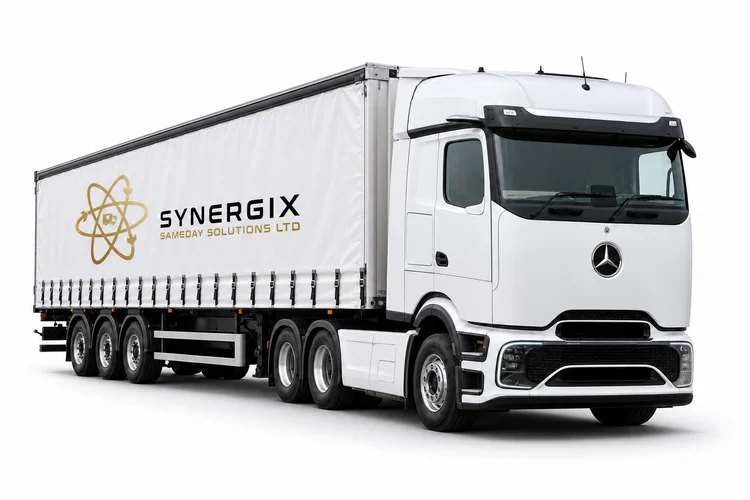
Side or rear access
Curtainsider
Side access can help with forklift loading of palletised stock or long packs where the site has room to work. The loading and restraint plan must suit the goods; a closed curtain does not by itself secure the load.
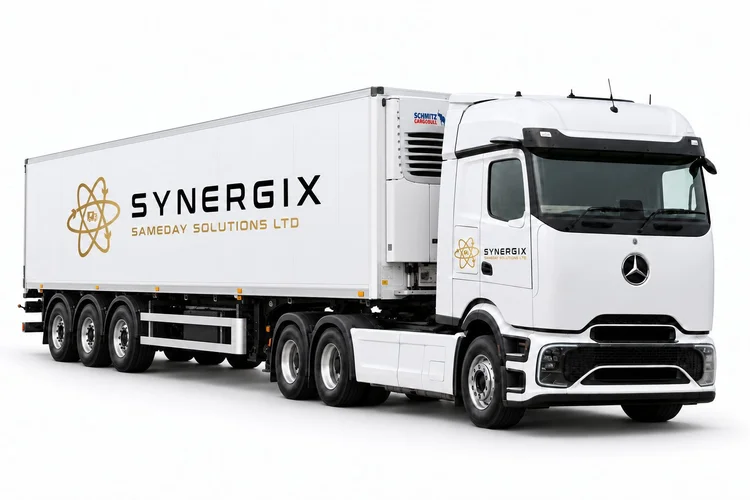
Specified conditions
Refrigerated trailer
Temperature-controlled full loads are planned around the product, its condition at collection and the receiving instructions. Temperature records are available on every refrigerated booking. Agree the required limits and record format before dispatch.
Trailer space and payload depend on the actual body and equipment. Payload means the freight weight the completed vehicle can carry; it is different from the total weight of the vehicle and its load. If the goods need an open deck, low loader or specialist unloading, use our flatbed and low-loader guide or include the handling requirement in your enquiry.
Who books full loads
Keep the goods and the receiving operation together
Manufacturers, suppliers and distribution teams use FTL when a consignment needs dedicated articulated capacity, a planned receiving slot or coordinated handling.
Warehouse and retail stock
A complete inbound shipment
Bring a released stock consignment from supplier to warehouse or distribution centre. Match the goods-ready time, pallet schedule and intake booking so the receiving team has the right people and equipment ready.
Production and industrial work
An organised factory transfer
Keep components, finished goods or equipment together for the next stage of production. Identify heavy pieces, delicate finishes and what the receiving team needs first, so the vehicle and unloading order support the operation.
Time or handling priorities
Exclusive use with space remaining
A sensitive or urgent consignment can justify its own trailer without filling every position. The value is control of the agreed movement and fewer unnecessary transfers. For a smaller load, compare the deadline and handling with a dedicated smaller vehicle or suitable part load.
Details that change the transport plan
Palletised commercial stock
Give loaded dimensions, gross weight and quantity for every pallet type, including overhang and stacking limits. Light stock may fill the floor before reaching payload. Dense stock can reach a weight or axle limit with floor space remaining.
Machinery, components and long packs
Send the packed size, weight, support points, lifting instructions and anything that must remain upright. Drawings and photographs help explain concentrated weight or unusual shapes. Include crane or forklift loading and unloading in the brief.
Supplier collections and warehouse bookings
Provide release references, stock-ready times, delivery appointments and seal instructions. Say whether the vehicle collects a loaded trailer or waits while goods are loaded. The correct reference and paperwork matter as much as reaching the site on time.
Temperature-controlled goods
Send the product specification, required limits, condition at collection, loading time and receiving checks. A refrigeration controller’s set point is its target, not a measurement of every product. Goods must be prepared in the agreed condition before collection.
Vehicles and equipment
Explore the full Synergix vehicle range
Full load haulage uses the articulated box, curtainsider and refrigerated trailers shown above. Browse our wider vehicle range below to compare other transport options and find the relevant guide.
39 vehicle options. Browse horizontally or open the stationary guide.
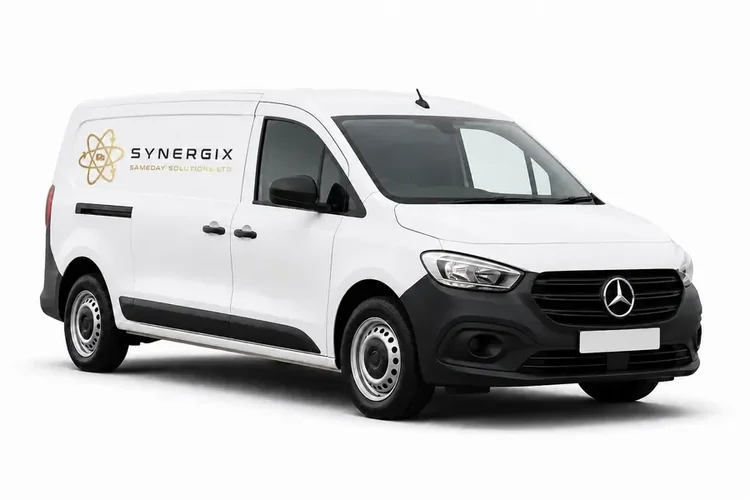
Small van
1.2 × 1 × 1 m
Up to 400 kg
A practical starting point for urgent parts, documents, samples and compact business deliveries.
Standard body guide; actual vehicle checked.
View vehicle guide: Small van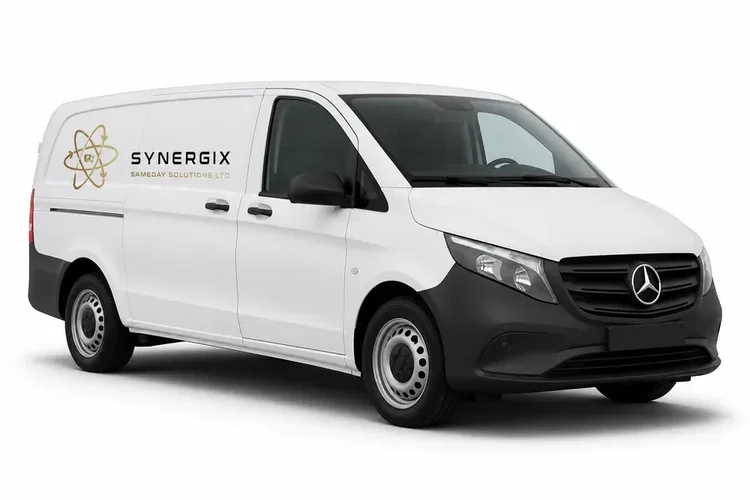
SWB van
2.4 × 1.2 × 1.2 m
Up to 800 kg
Useful for stock, tools and smaller pallet loads that need more room than a small van.
Standard body guide; actual vehicle checked.
View vehicle guide: Short wheelbase van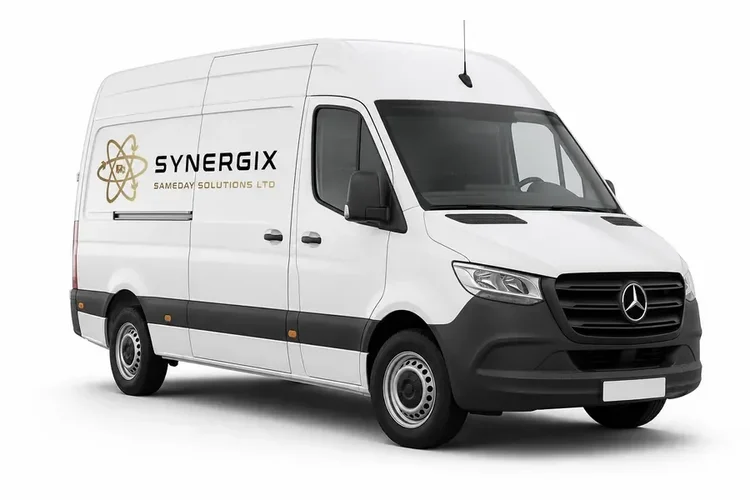
LWB van
3.6 × 1.2 × 1.8 m
Up to 1,250 kg
More floor length for equipment, boxed stock, signage and longer items on dedicated courier work.
Standard body guide; actual vehicle checked.
View vehicle guide: Long wheelbase van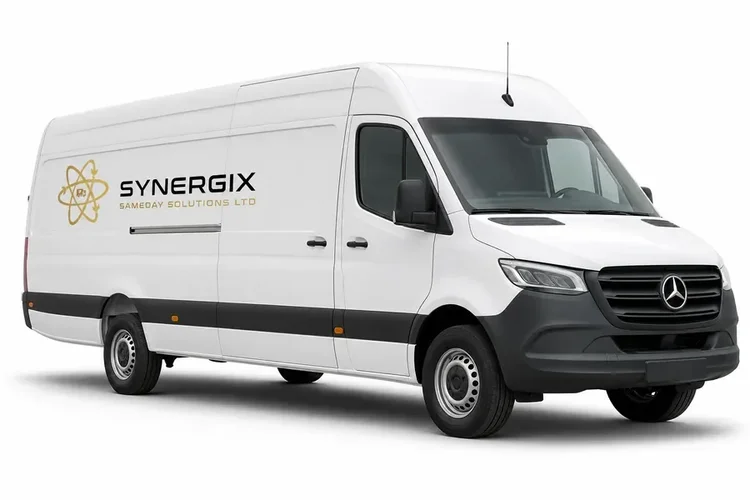
XLWB van
4.2 × 1.2 × 1.8 m
Up to 1,100 kg
Extra length for bulky, lighter consignments and long items that need an enclosed vehicle.
Standard body guide; actual vehicle checked.
View vehicle guide: Extra long wheelbase van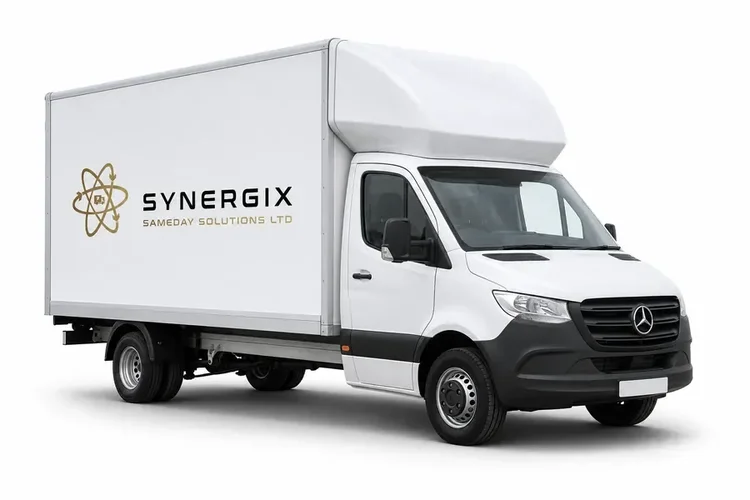
Luton van
4 × 2 × 2 m
Up to 1,100 kg
A wider box-shaped load area for bulky stock, furniture and light palletised deliveries.
900 kg with a tail lift; conversion checked.
View vehicle guide: Luton van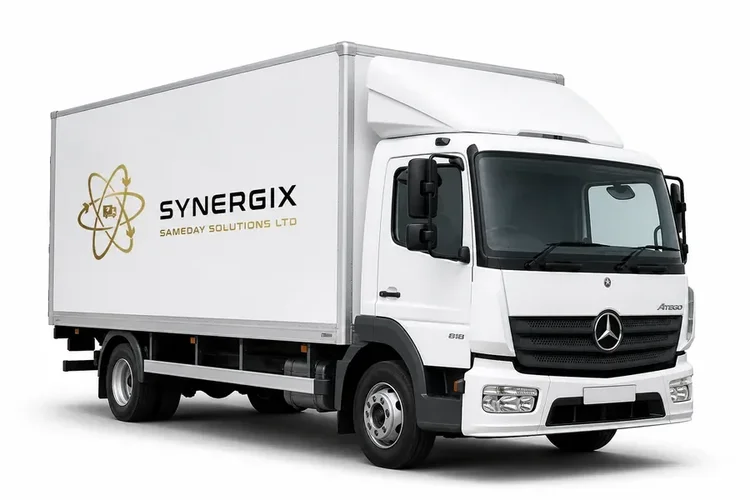
7.5 tonne lorry
6 × 2.2–2.4 × 2–2.445 m
Up to 2,400 kg
A step up from vans for pallet deliveries, retail stock and bulky goods requiring a rigid lorry.
Standard body guide; actual vehicle checked.
View vehicle guide: 7.5 tonne lorry
18 tonne lorry
7.5 × 2.4 × 2.5 m
Up to 9,000 kg
A larger rigid for regular distribution, industrial goods and heavier pallet loads.
Standard body guide; actual vehicle checked.
View vehicle guide: 18 tonne lorry
26 tonne lorry
8 × 2.5 × 2.6 m
Up to 15,000 kg
A higher-capacity rigid option for substantial pallet, building-material and distribution loads.
Standard body guide; actual vehicle checked.
View vehicle guide: 26 tonne lorry13.6m artic
13.6 × 2.5 × 2.6 m
Up to 26,000 kg
Full and part loads, regular trunking and larger consignments. Choose the trailer around the goods and unloading method.
Standard body guide; actual vehicle checked.
View vehicle guide: 13.6m articulated lorry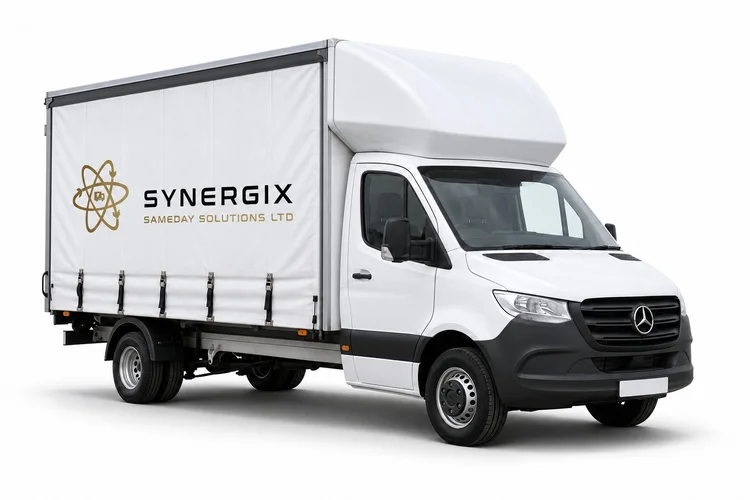
Luton curtainsider
Actual body specification confirmed
Load-specific capacity
Side loading needs a suitable opening, securing system and safe forklift access. Confirm the actual body space and payload.
Actual body, equipment and working payload checked.
View vehicle guide: Luton curtainsider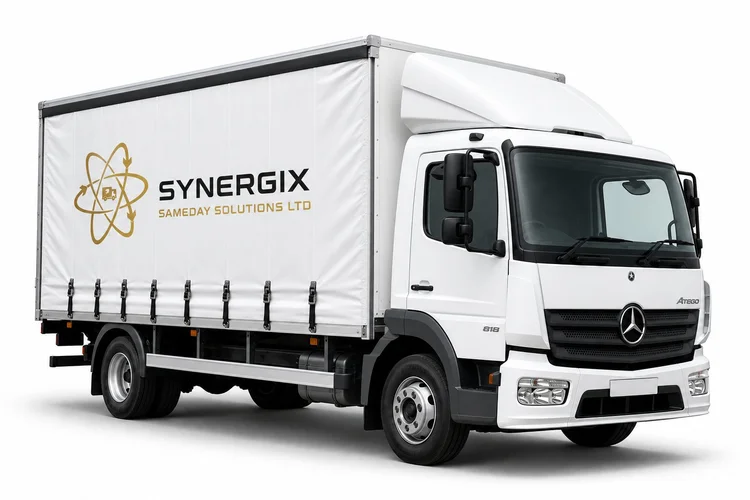
7.5t curtainsider
Actual body specification confirmed
Load-specific capacity
Side loading needs a suitable opening, securing system and safe forklift access. Confirm the actual body space and payload.
Actual body, equipment and working payload checked.
View vehicle guide: 7.5t curtainsider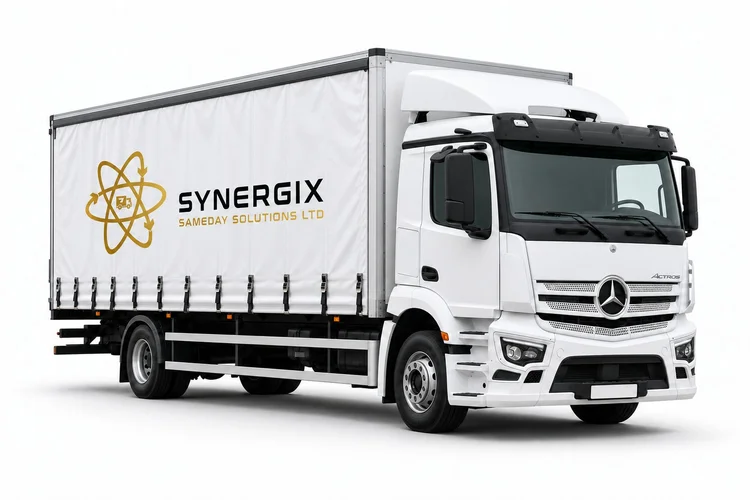
18t curtainsider
Actual body specification confirmed
Load-specific capacity
Side loading needs a suitable opening, securing system and safe forklift access. Confirm the actual body space and payload.
Actual body, equipment and working payload checked.
View vehicle guide: 18t curtainsiderArticulated curtainsider
Actual body specification confirmed
Load-specific capacity
Side loading needs a suitable opening, securing system and safe forklift access. Confirm the actual body space and payload.
Actual body, equipment and working payload checked.
View vehicle guide: Articulated curtainsider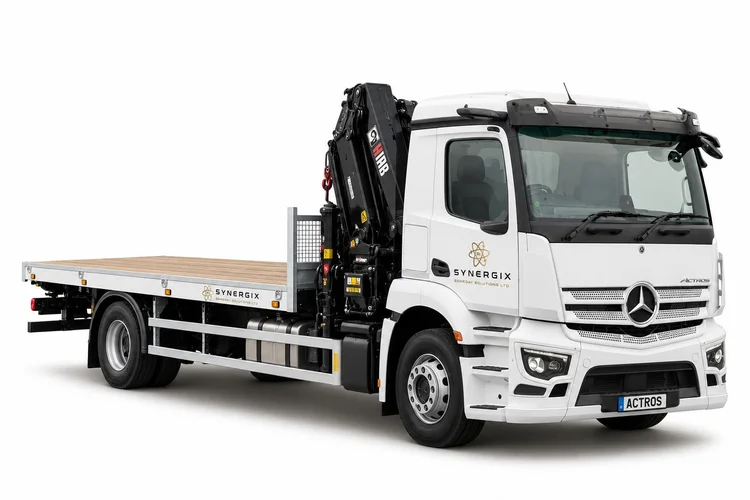
18t flatbed HIAB
Actual body specification confirmed
Load-specific capacity
Check load weight, lifting points, reach, ground, stabiliser space and the actual lift plan. Standard-body payload does not apply.
Actual body, equipment and working payload checked.
View vehicle guide: 18t flatbed HIAB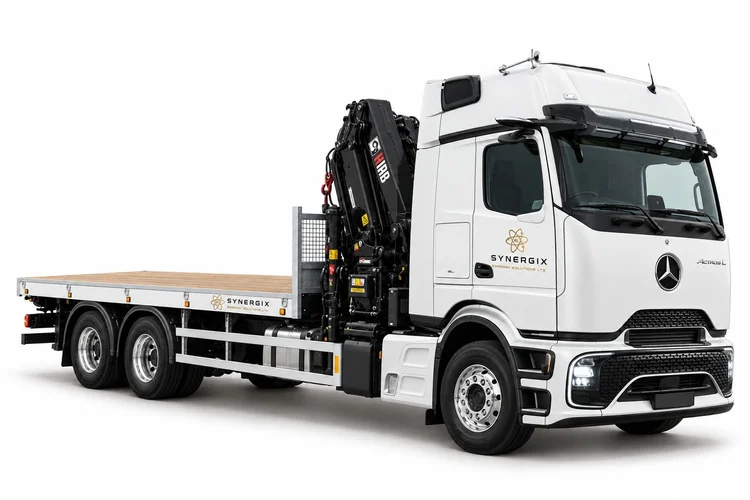
26t flatbed HIAB
Actual body specification confirmed
Load-specific capacity
Check load weight, lifting points, reach, ground, stabiliser space and the actual lift plan. Standard-body payload does not apply.
Actual body, equipment and working payload checked.
View vehicle guide: 26t flatbed HIAB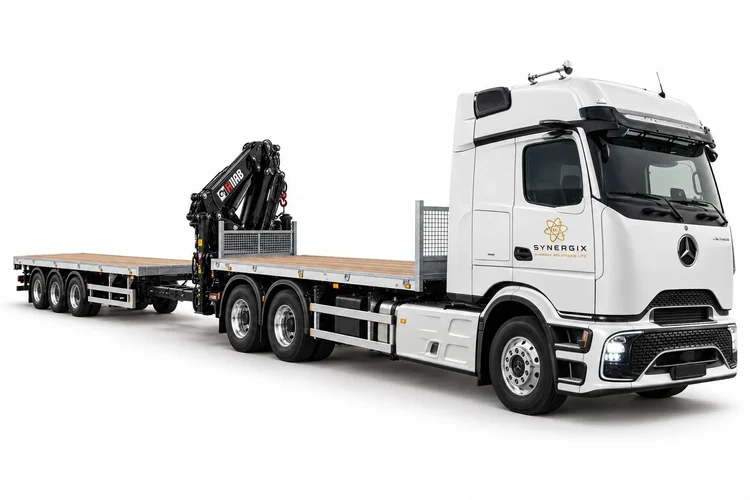
Wagon & drag, rear HIAB
Actual body specification confirmed
Load-specific capacity
Check load weight, lifting points, reach, ground, stabiliser space and the actual lift plan. Standard-body payload does not apply.
Actual body, equipment and working payload checked.
View vehicle guide: Wagon & drag, rear HIAB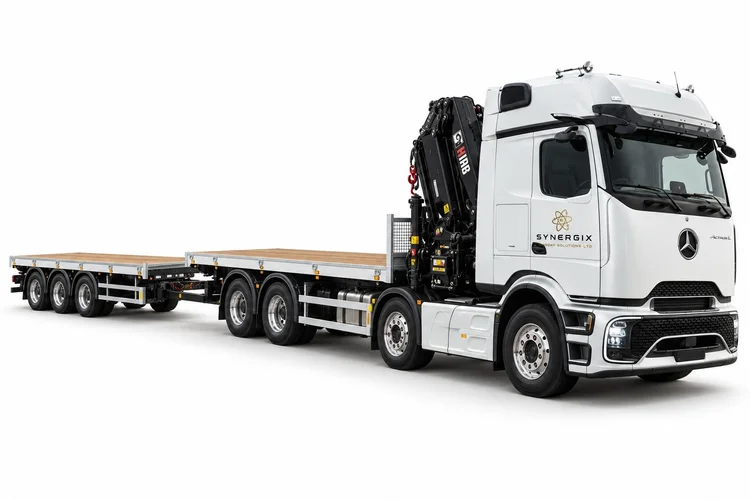
Wagon & drag, front HIAB
Actual body specification confirmed
Load-specific capacity
Check load weight, lifting points, reach, ground, stabiliser space and the actual lift plan. Standard-body payload does not apply.
Actual body, equipment and working payload checked.
View vehicle guide: Wagon & drag, front HIAB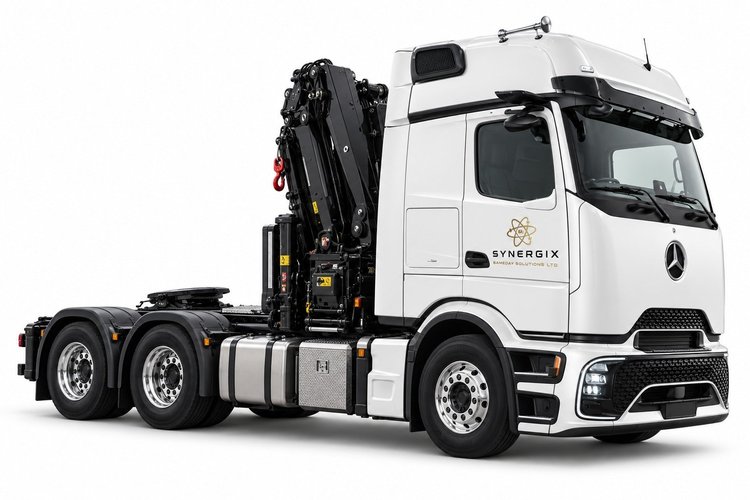
Three-axle HIAB tractor
Actual body specification confirmed
Load-specific capacity
Check load weight, lifting points, reach, ground, stabiliser space and the actual lift plan. Standard-body payload does not apply. Tractor shown without a trailer. Agree the complete combination.
Actual body, equipment and working payload checked.
View vehicle guide: Three-axle HIAB tractor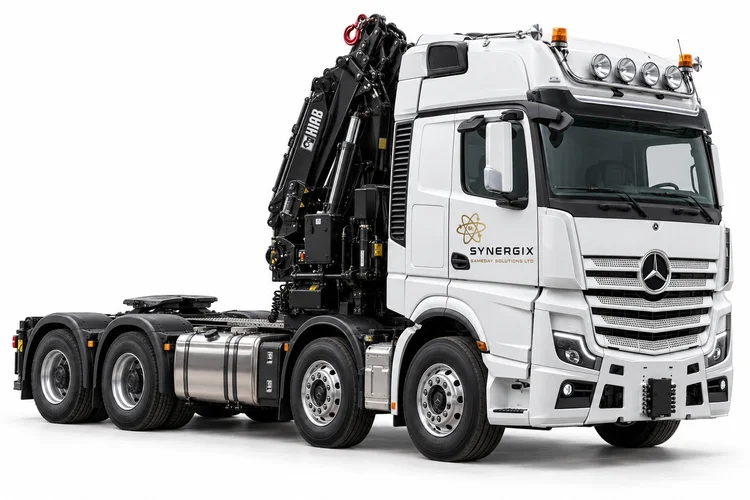
Four-axle heavy HIAB tractor
Actual body specification confirmed
Load-specific capacity
Check load weight, lifting points, reach, ground, stabiliser space and the actual lift plan. Standard-body payload does not apply. Tractor shown without a trailer. Agree the complete combination.
Actual body, equipment and working payload checked.
View vehicle guide: Four-axle heavy HIAB tractor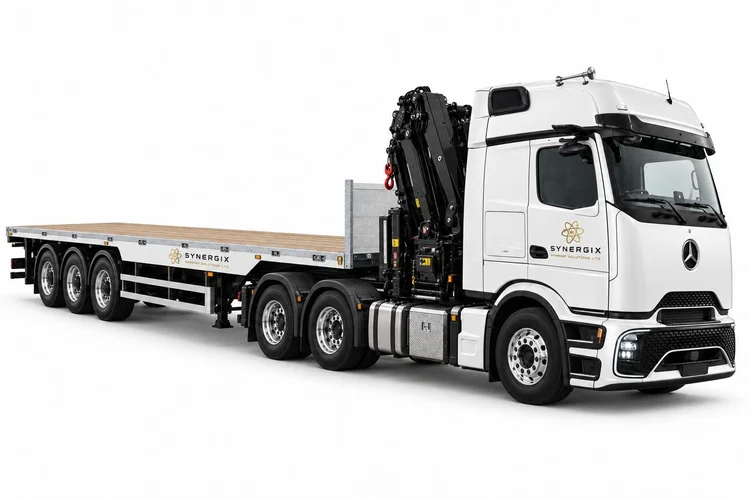
HIAB artic & flatbed
Actual body specification confirmed
Load-specific capacity
Check load weight, lifting points, reach, ground, stabiliser space and the actual lift plan. Standard-body payload does not apply.
Actual body, equipment and working payload checked.
View vehicle guide: HIAB artic & flatbed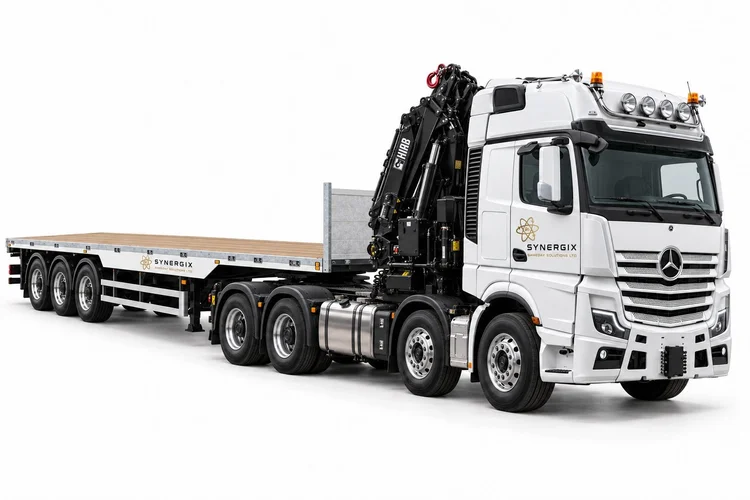
Heavy HIAB artic & flatbed
Actual body specification confirmed
Load-specific capacity
Check load weight, lifting points, reach, ground, stabiliser space and the actual lift plan. Standard-body payload does not apply.
Actual body, equipment and working payload checked.
View vehicle guide: Heavy HIAB artic & flatbed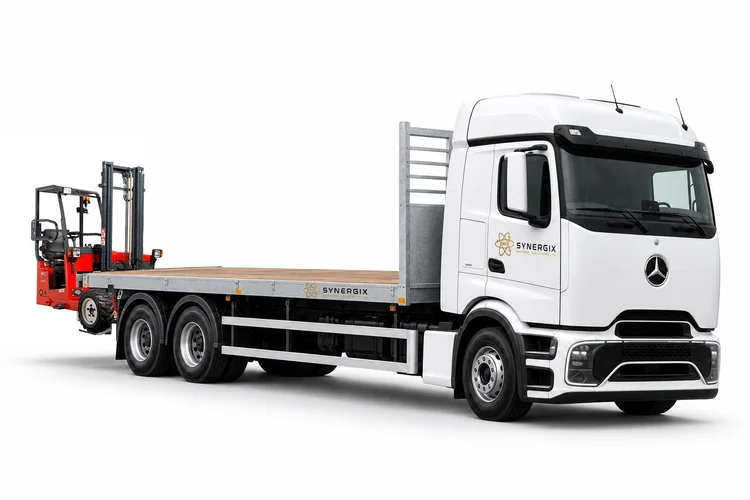
26t flatbed MOFFETT
Actual body specification confirmed
Load-specific capacity
Carried forklift unloading. Check load centre, item weight, fork access, ground, gradients and working space. Fitted equipment reduces payload.
Actual body, equipment and working payload checked.
View vehicle guide: 26t flatbed MOFFETT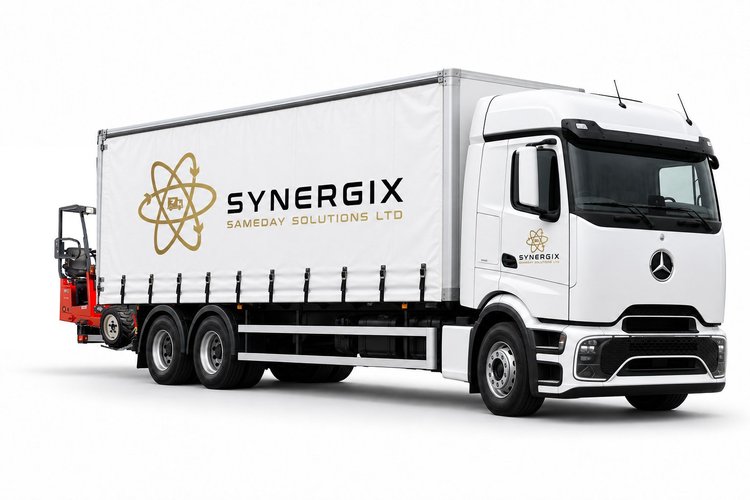
26t curtainsider MOFFETT
Actual body specification confirmed
Load-specific capacity
Carried forklift unloading. Check load centre, item weight, fork access, ground, gradients and working space. Fitted equipment reduces payload.
Actual body, equipment and working payload checked.
View vehicle guide: 26t curtainsider MOFFETT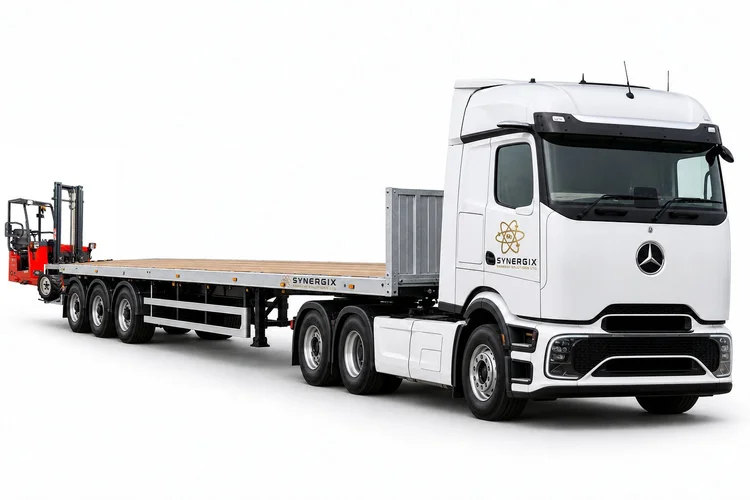
Artic flatbed MOFFETT
Actual body specification confirmed
Load-specific capacity
Carried forklift unloading. Check load centre, item weight, fork access, ground, gradients and working space. Fitted equipment reduces payload.
Actual body, equipment and working payload checked.
View vehicle guide: Artic flatbed MOFFETT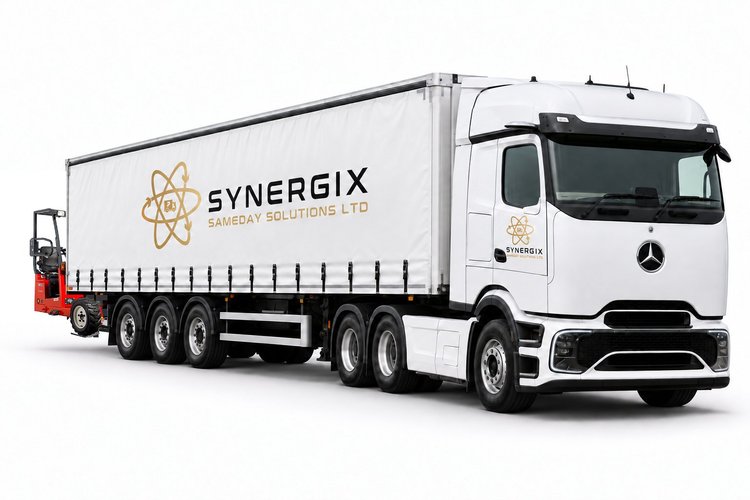
Artic curtainsider MOFFETT
Actual body specification confirmed
Load-specific capacity
Carried forklift unloading. Check load centre, item weight, fork access, ground, gradients and working space. Fitted equipment reduces payload.
Actual body, equipment and working payload checked.
View vehicle guide: Artic curtainsider MOFFETT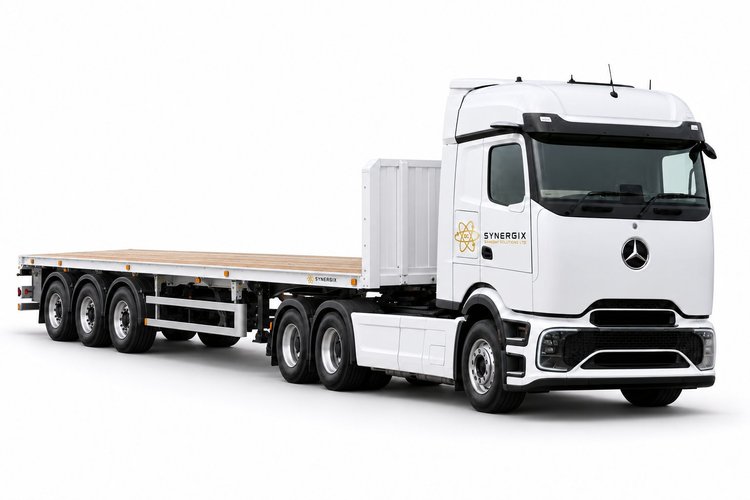
Articulated flatbed
Actual body specification confirmed
Load-specific capacity
Open-deck goods need appropriate weather protection, restraint and loading equipment.
Actual body, equipment and working payload checked.
View vehicle guide: Articulated flatbedRefrigerated trailer
Actual refrigerated space confirmed
Refrigerated trailer option
Confirm goods, temperature, usable space, payload, power and operating responsibilities. Transport and static hire are separate bookings.
Actual body, equipment and working payload checked.
View vehicle guide: Refrigerated trailer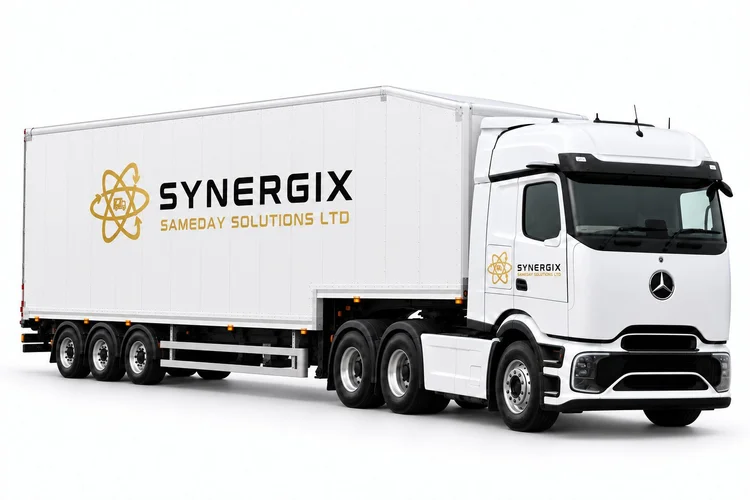
Double-deck box trailer
Actual body specification confirmed
Load-specific capacity
Check both deck heights, individual deck limits, access and the actual loading sequence.
Actual body, equipment and working payload checked.
View vehicle guide: Double-deck box trailer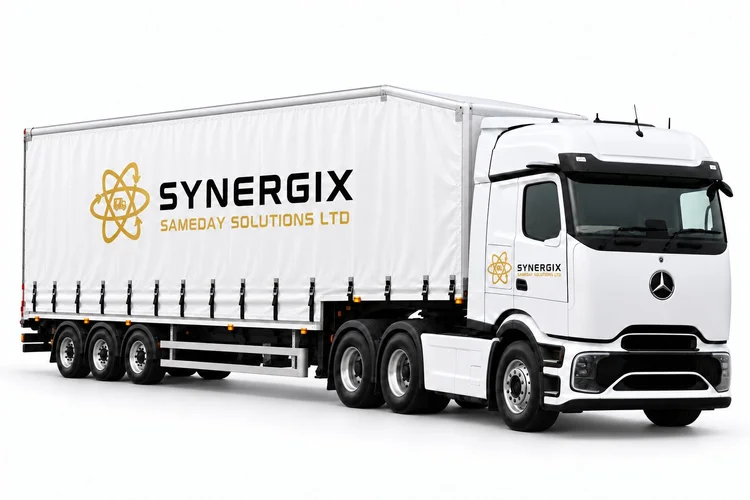
Double-deck curtainsider
Actual body specification confirmed
Load-specific capacity
Confirm deck heights, weight distribution, side access and the securing plan.
Actual body, equipment and working payload checked.
View vehicle guide: Double-deck curtainsider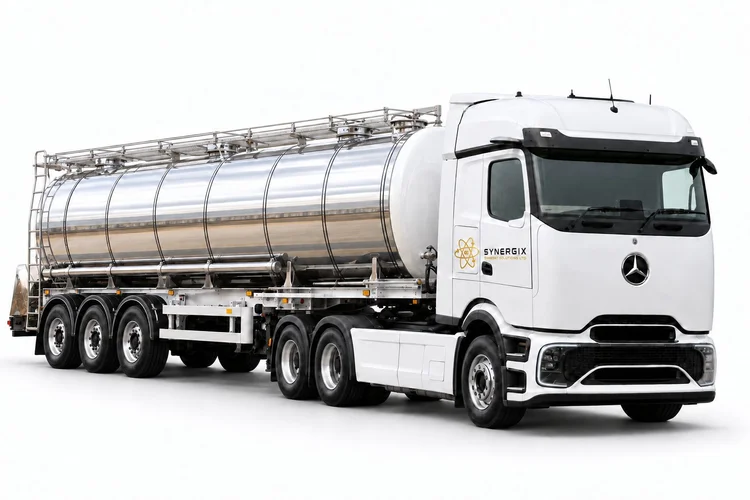
Tanker trailer
Actual body specification confirmed
Load-specific capacity
Declare the product, compatibility, hygiene, transfer equipment and any regulatory requirements. Acceptance is checked, not automatic.
Actual body, equipment and working payload checked.
View vehicle guide: Tanker trailer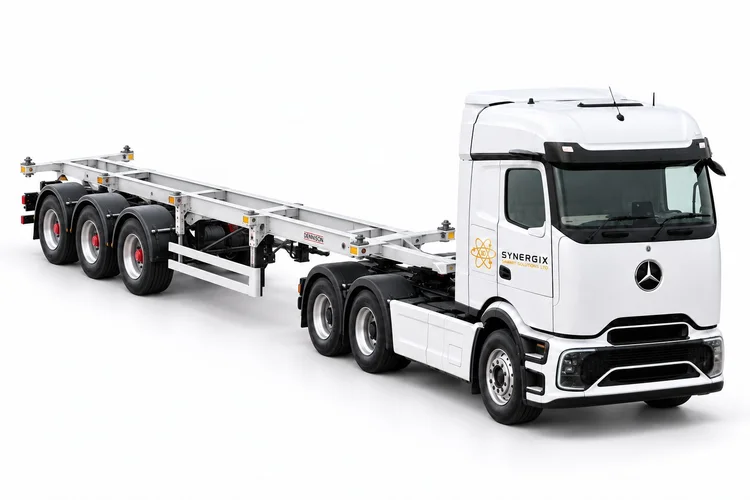
Skeletal container trailer
Actual body specification confirmed
Load-specific capacity
Confirm container size, loaded weight, twistlock positions and terminal or site lifting arrangements.
Actual body, equipment and working payload checked.
View vehicle guide: Skeletal container trailer
Walking-floor trailer
Actual body specification confirmed
Load-specific capacity
Check material suitability, unloading clearance, ground and the actual moving-floor arrangement.
Actual body, equipment and working payload checked.
View vehicle guide: Walking-floor trailer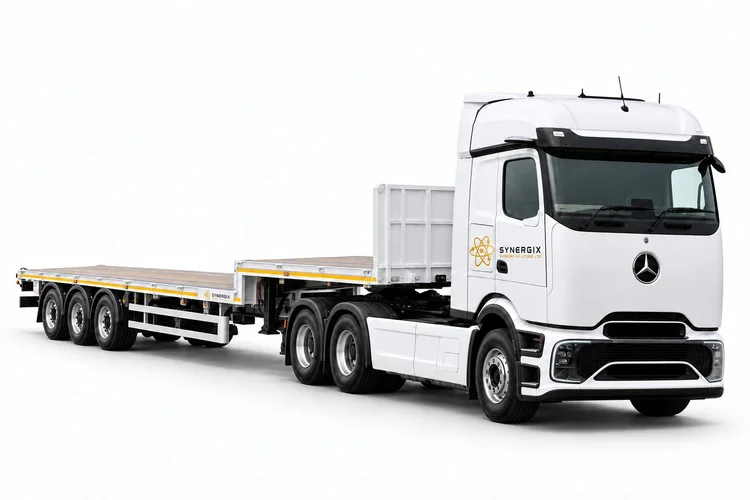
Step-frame trailer
Actual body specification confirmed
Load-specific capacity
Check each deck length and height, point loads, overall loaded height and loading method.
Actual body, equipment and working payload checked.
View vehicle guide: Step-frame trailer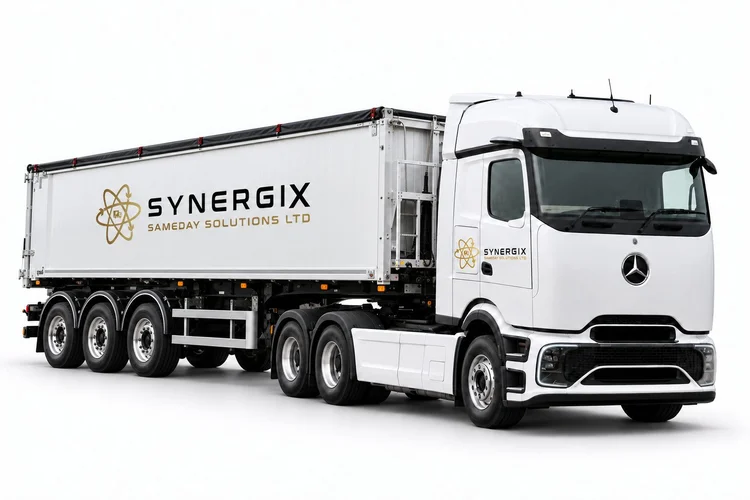
Bulk tipper trailer
Actual body specification confirmed
Load-specific capacity
Declare the material and contamination requirements. Check tipping space, overhead clearance and stable level ground.
Actual body, equipment and working payload checked.
View vehicle guide: Bulk tipper trailer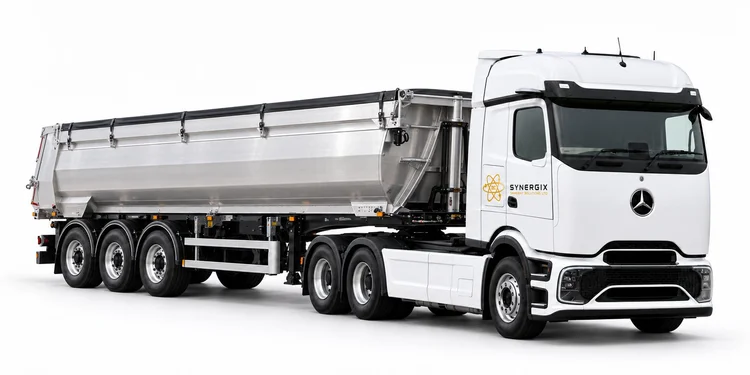
Alloy U-shaped tipper
Actual body specification confirmed
Load-specific capacity
Confirm material, liner or body compatibility, capacity and safe tipping conditions.
Actual body, equipment and working payload checked.
View vehicle guide: Alloy U-shaped tipper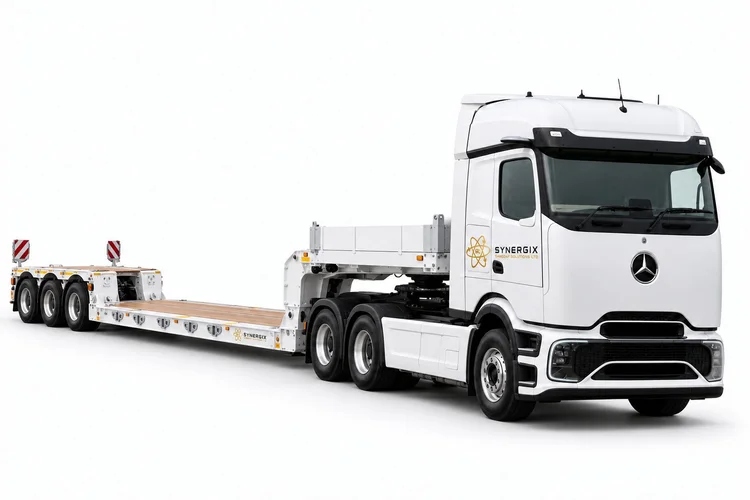
Low-loader
Actual body specification confirmed
Load-specific capacity
Check deck profile, ramps, concentrated weight, ground clearance and actual loaded dimensions.
Actual body, equipment and working payload checked.
View vehicle guide: Low-loader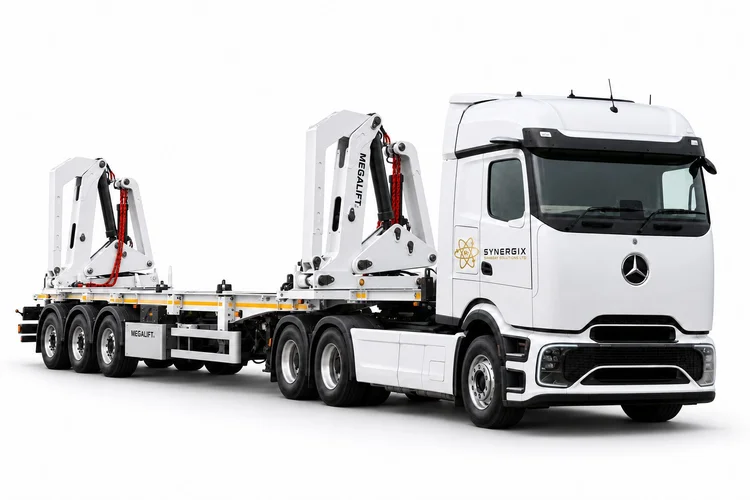
Megalift trailer
Actual body specification confirmed
Load-specific capacity
Container side-lifting needs the actual load, outreach, ground bearing and stabiliser working area checked.
Actual body, equipment and working payload checked.
View vehicle guide: Megalift trailer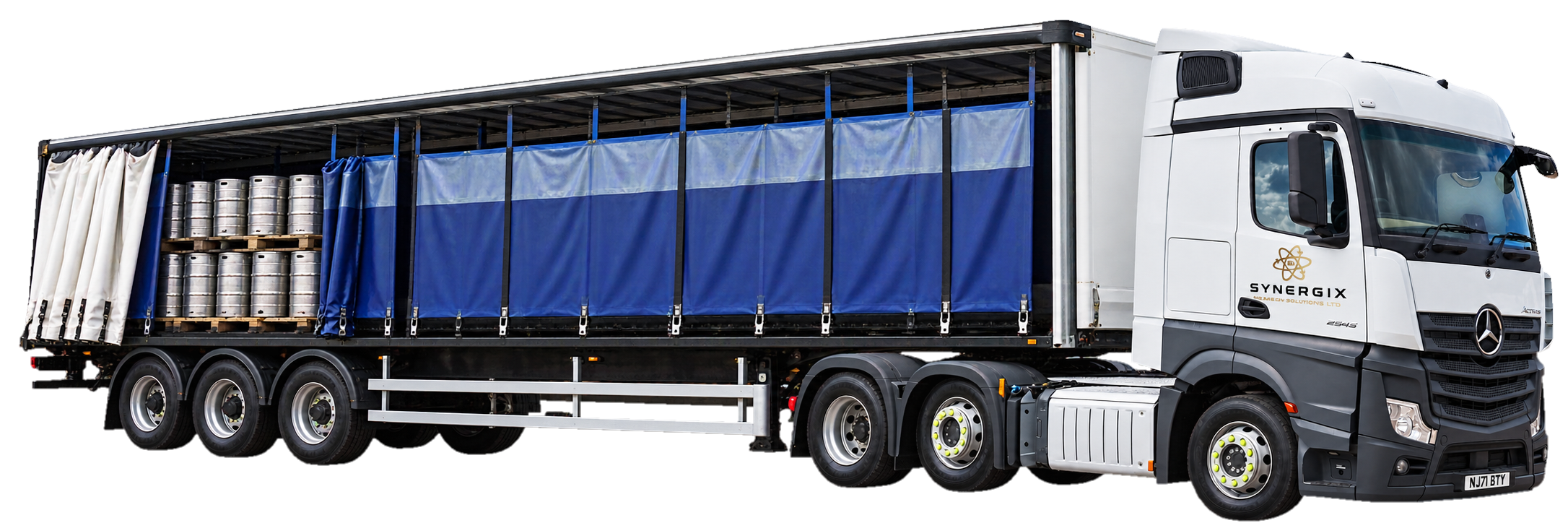
Purpose-built keg trailer
Keg layout and usable space confirmed
Actual trailer payload confirmed
For suitable keg distribution. Supply keg quantities, individual loaded weights, load presentation, site access and receiving arrangements.
Purpose-built keg trailers and other suitable vehicles are both used. Trailer layout, load restraint and unloading method are agreed for the job.
View vehicle guide: Purpose-built keg trailer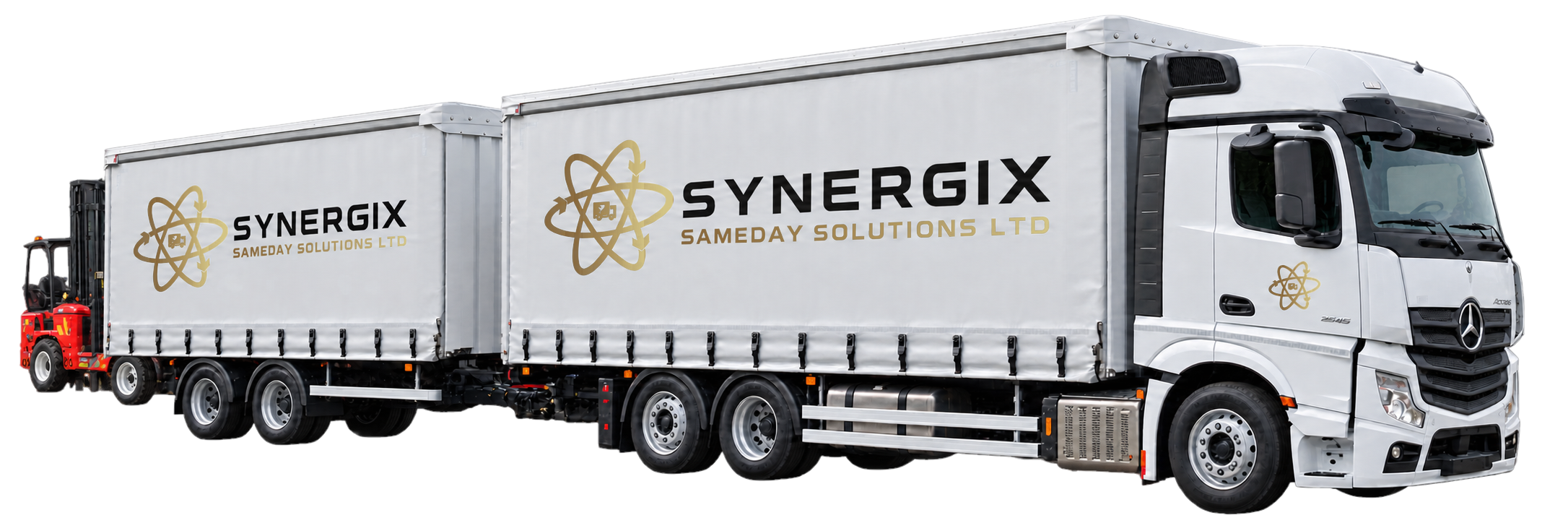
Wagon and drag MOFFETT
Both decks and forklift position confirmed
Actual completed combination payload confirmed
A rigid-and-drawbar combination with truck-mounted forklift unloading. Give individual load weights, deck allocation, unloading sequence and the ground route to the receiving point.
The carried forklift changes equipment position and freight allowance. Confirm the actual forklift, mounting, load-centre limits, ground and access.
View vehicle guide: Wagon and drag MOFFETTUse the slider or arrows, or open the stationary vehicle guide.
Stationary vehicle guide and dimensions
| Vehicle | Load space | Payload / equipment | Booking check |
|---|---|---|---|
| Small van | 1.2 × 1 × 1 m | Up to 400 kg | Standard body guide; actual vehicle checked. |
| Short wheelbase van | 2.4 × 1.2 × 1.2 m | Up to 800 kg | Standard body guide; actual vehicle checked. |
| Long wheelbase van | 3.6 × 1.2 × 1.8 m | Up to 1,250 kg | Standard body guide; actual vehicle checked. |
| Extra long wheelbase van | 4.2 × 1.2 × 1.8 m | Up to 1,100 kg | Standard body guide; actual vehicle checked. |
| Luton van | 4 × 2 × 2 m | Up to 1,100 kg | 900 kg with a tail lift; conversion checked. |
| 7.5 tonne lorry | 6 × 2.2–2.4 × 2–2.445 m | Up to 2,400 kg | Standard body guide; actual vehicle checked. |
| 18 tonne lorry | 7.5 × 2.4 × 2.5 m | Up to 9,000 kg | Standard body guide; actual vehicle checked. |
| 26 tonne lorry | 8 × 2.5 × 2.6 m | Up to 15,000 kg | Standard body guide; actual vehicle checked. |
| 13.6m articulated lorry | 13.6 × 2.5 × 2.6 m | Up to 26,000 kg | Standard body guide; actual vehicle checked. |
| Luton curtainsider | Actual body specification confirmed | Load-specific capacity | Actual body, equipment and working payload checked. |
| 7.5t curtainsider | Actual body specification confirmed | Load-specific capacity | Actual body, equipment and working payload checked. |
| 18t curtainsider | Actual body specification confirmed | Load-specific capacity | Actual body, equipment and working payload checked. |
| Articulated curtainsider | Actual body specification confirmed | Load-specific capacity | Actual body, equipment and working payload checked. |
| 18t flatbed HIAB | Actual body specification confirmed | Load-specific capacity | Actual body, equipment and working payload checked. |
| 26t flatbed HIAB | Actual body specification confirmed | Load-specific capacity | Actual body, equipment and working payload checked. |
| Wagon & drag, rear HIAB | Actual body specification confirmed | Load-specific capacity | Actual body, equipment and working payload checked. |
| Wagon & drag, front HIAB | Actual body specification confirmed | Load-specific capacity | Actual body, equipment and working payload checked. |
| Three-axle HIAB tractor | Actual body specification confirmed | Load-specific capacity | Actual body, equipment and working payload checked. |
| Four-axle heavy HIAB tractor | Actual body specification confirmed | Load-specific capacity | Actual body, equipment and working payload checked. |
| HIAB artic & flatbed | Actual body specification confirmed | Load-specific capacity | Actual body, equipment and working payload checked. |
| Heavy HIAB artic & flatbed | Actual body specification confirmed | Load-specific capacity | Actual body, equipment and working payload checked. |
| 26t flatbed MOFFETT | Actual body specification confirmed | Load-specific capacity | Actual body, equipment and working payload checked. |
| 26t curtainsider MOFFETT | Actual body specification confirmed | Load-specific capacity | Actual body, equipment and working payload checked. |
| Artic flatbed MOFFETT | Actual body specification confirmed | Load-specific capacity | Actual body, equipment and working payload checked. |
| Artic curtainsider MOFFETT | Actual body specification confirmed | Load-specific capacity | Actual body, equipment and working payload checked. |
| Articulated flatbed | Actual body specification confirmed | Load-specific capacity | Actual body, equipment and working payload checked. |
| Refrigerated trailer | Actual refrigerated space confirmed | Refrigerated trailer option | Actual body, equipment and working payload checked. |
| Double-deck box trailer | Actual body specification confirmed | Load-specific capacity | Actual body, equipment and working payload checked. |
| Double-deck curtainsider | Actual body specification confirmed | Load-specific capacity | Actual body, equipment and working payload checked. |
| Tanker trailer | Actual body specification confirmed | Load-specific capacity | Actual body, equipment and working payload checked. |
| Skeletal container trailer | Actual body specification confirmed | Load-specific capacity | Actual body, equipment and working payload checked. |
| Walking-floor trailer | Actual body specification confirmed | Load-specific capacity | Actual body, equipment and working payload checked. |
| Step-frame trailer | Actual body specification confirmed | Load-specific capacity | Actual body, equipment and working payload checked. |
| Bulk tipper trailer | Actual body specification confirmed | Load-specific capacity | Actual body, equipment and working payload checked. |
| Alloy U-shaped tipper | Actual body specification confirmed | Load-specific capacity | Actual body, equipment and working payload checked. |
| Low-loader | Actual body specification confirmed | Load-specific capacity | Actual body, equipment and working payload checked. |
| Megalift trailer | Actual body specification confirmed | Load-specific capacity | Actual body, equipment and working payload checked. |
| Purpose-built keg trailer | Keg layout and usable space confirmed | Actual trailer payload confirmed | Purpose-built keg trailers and other suitable vehicles are both used. Trailer layout, load restraint and unloading method are agreed for the job. |
| Wagon and drag MOFFETT | Both decks and forklift position confirmed | Actual completed combination payload confirmed | The carried forklift changes equipment position and freight allowance. Confirm the actual forklift, mounting, load-centre limits, ground and access. |
The full range includes vehicles for other Synergix services. The body, loading equipment, usable space and working payload for your full-load booking are confirmed against your goods and both sites.
From enquiry to delivery
One clear plan from release to receipt
The transport brief connects the goods, both sites and the people responsible for the handover.
- Send the complete load and route
Give the packed item or pallet schedule, collection and delivery addresses, goods-ready time and latest useful arrival. Include every stop and any product or handling restriction.
- Agree the vehicle and responsibilities
We match body access, usable capacity and equipment to the load. Confirm who loads, secures and unloads, the receiving appointment, quotation scope and contacts for changes.
- Prepare the sites and collect
The sender releases the agreed goods and makes the loading arrangement available. Actual load or site differences are raised before proceeding, including damaged packaging, unexpected weight or a changed entrance.
- Move the load and manage changes
The vehicle follows the agreed journey. Live tracking helps your team follow progress, while operations support deals with timing, site or receiving issues. Changes to stops or delivery windows need an agreed revised plan.
- Complete the handover
The receiver provides the booked unloading arrangement. Electronic proof of delivery records receipt, with shortages, damage or other exceptions raised through the agreed contacts. Returns or additional movements are included only when arranged.
A delivery slot is the receiver’s booked time window. Send its reference, arrival instructions and final acceptance time. Loading duration, travel, crossings and lawful driver duties all need to fit that window; an urgent request does not remove those constraints.
Prepare your first full load
Send reliable figures and a workable site brief
You do not need to select a trailer or calculate safe axle loads. Start with the sender’s packing list and the receiving site’s instructions, and flag anything that is unknown.
The goods
Measure the packed load
List every pallet or item, packed length, width and height, gross weight including packaging, and quantity. Add overhang, stackability, support points and orientation. Ask the sender for measured figures or product information; identify estimates rather than allowing them to become booking limits.
Loading and unloading
Confirm the equipment at both ends
Ask whether loading is from a bay, the rear or the side and who provides the forklift, crane or other equipment. A full-size trailer does not automatically include a tail lift, truck-mounted forklift or crane. Specify equipment and the space needed to use it before booking.
The sites and schedule
Show how the artic gets in and out
Provide the actual entrance, approach restrictions, height and width clearances, turning space, loading area and named contacts. Send goods-ready times, site opening hours, booking references and receiving rules. A postcode alone can send the vehicle to the wrong gate.
Plan for the whole load, including stops
Explain heavy pieces, uneven balance, fragile edges and packaging restrictions. Loading order and weight distribution change when goods are removed at each stop. Goods need suitable packaging and restraint; being heavy or inside a covered trailer does not make them secure.
Specify any ground-level pallet handling
Where pallet-truck handling is needed for an individual loaded pallet of 800 kg or more, request an electric pump truck. This is Synergix’s booking rule. Lower weights can also need powered help. The actual lift, all weight on the platform, surface, gradient and handling route must suit the job.
Why Synergix
Dedicated capacity with useful visibility
Choose a transport partner that connects the vehicle with your operating requirements, keeps the movement visible and helps resolve changes.
The consignment together
Exclusive use for the agreed movement
Reserve the articulated vehicle for your load. Plan a direct collection-to-delivery journey or the complete multi-stop schedule, with the goods kept together rather than relying on shared trailer space.
Your team informed
Tracking, POD and customer portal
Live tracking and electronic proof of delivery help you update the receiver and close the order. Registered customers can book, track drivers and retrieve PODs through the portal. Agree access, references and any extra reporting for your operation.
Goods and service matched
Fully insured transport
Your goods move with insured transport. Give the product, declared value and any special handling or cover requirement so the applicable cover is confirmed for the consignment and booked service.
When the plan changes
24/7 operations support
An active team supports the movement when release times, delivery slots or site conditions change. Keep an authorised contact available so the next step can be agreed promptly.
One-off and repeat lanes
UK and European capability
Connect UK and European collection and delivery points with the route, crossing, receiving arrangements and documents planned together. Regular work can be organised around your release pattern and appointments.
Experience behind the decisions
Three generations in transport
Three generations of family transport experience support practical decisions about loading, timing and service. Synergix is trusted by some of the largest businesses in the sectors it serves, with personal accountability for the work.
Price and purchasing
Get a quote for the complete movement
Send the load, both sites and the deadline together. We quote the body, journey and handling your work needs, with any extra duties made clear.
- Load schedule
Description, pallet or item count, packed sizes, individual and total weights, overhang, stacking limits and photographs for unusual freight.
- Collection and delivery
Exact addresses and gates, contacts, release references, goods-ready time, appointments, final acceptance time and every extra stop.
- Body and handling
Side or rear loading, weather or temperature requirements, equipment at both ends, set-down point and any separate carrying or crane work.
- Goods and commercial scope
Declared value, special conditions, destination countries, required documents, returns and the cover or supplier information your team needs.
What affects the price?
Distance, body and equipment, empty positioning, loading and unloading time, timed appointments, crossings, extra stops and waiting affect the quotation. Compare prices for the same load, dates, duties and finish point. Exclusive use can be worthwhile with space remaining.
How quickly can we collect?
We confirm collection around the appropriate artic, its location and the loading appointment. Send the goods-ready time and deadline for urgent work. The 60-minute courier collection option is for suitable smaller consignments, subject to availability; it is separate from full-load truck mobilisation.
Planning regular full loads
Share lanes, normal and peak volumes, operating days, body requirements, release patterns, receiving slots and returns. Separate firm work from forecasts. Agree how capacity, changed days, waiting, exceptions and any additional reporting will be handled.
Appointing a transport supplier
Send your insurance and supplier-approval questions with the goods and route, plus PO and invoice instructions. Scope, supporting-information requirements, proposed account or payment terms and any additional services are agreed before commitment.
Your booking questions
Full load haulage FAQs
Direct answers to the decisions that affect vehicle choice, loading and the booking.
Choosing full-load transport
Does FTL mean I must fill the whole trailer?
No. You are booking exclusive use of the agreed vehicle. A partly filled dedicated load can be appropriate when timing, handling or keeping the consignment together matters.
What type of truck is used for full load haulage?
This page covers articulated full loads using box, curtainsider or refrigerated trailers. For a smaller consignment, we can compare a part load with a suitable dedicated van or rigid truck.
How many pallets fit?
It depends on pallet footprints, weight, overhang and stacking. The standard artic guide shows up to 26 UK pallets, but the actual vehicle and load arrangement need confirming.
Can you take a full load into Europe?
Yes. Give both addresses, goods details, dates and required transport documents. The route, crossing, border responsibilities and delivery plan will be agreed for the shipment.
Can you arrange a regular full-load programme?
Yes. Send the routes, likely load pattern, operating days, collection readiness and delivery windows. Separate confirmed requirements from forecasts, and tell us about reporting, returns or supplier-approval requirements so the programme and commercial terms can be agreed.
Loading and preparation
Can you load from the side?
Yes, where a suitable curtainsider and safe side-loading area are agreed. Tell us about the forklift, load dimensions and side clearance before booking.
Is unloading equipment included?
Only the equipment agreed in the booking. Tell us if either end needs a tail lift, carried forklift or crane, and provide the load and site details.
How do I prepare a load list if I have never booked an artic?
List every pallet or item, its packed length, width, height and gross weight, including packaging. Add overhang, stacking limits and photographs or a sketch for unusual pieces. Ask the supplier for a packing list or measured weights and flag unknown details so we can identify what is needed before confirming a vehicle.
Is the trailer payload the same as the truck’s gross weight?
No. Gross vehicle weight includes the vehicle and its load. Payload is the goods weight it can carry in the actual configuration. Equipment, body type and weight distribution change the usable allowance, so a trailer’s space and headline weight figure do not establish whether your load is suitable.
Timing, visibility and changes
Can you work to a warehouse booking slot?
Yes. Send the reference, slot, stock-ready time, receiving rules and final acceptance time. We check the journey against those requirements before committing.
Can I arrange several collections or deliveries?
Yes, subject to the route and loading plan. Send all stops at the start. Loading order, access to each consignment and waiting time affect the arrangement.
Will I receive tracking and POD?
Yes. Live tracking and electronic proof of delivery (POD) help your team follow the movement and confirm receipt. Registered customers can book jobs, track drivers and retrieve PODs through the customer portal. Agree access, references and any additional reporting when the booking is set up.
What if the load changes after quoting?
Tell us before collection. Changes to weight, size, quantity, timing or unloading may require a different vehicle or a revised quotation.
What if the delivery booking changes while the load is moving?
Contact the operations team as soon as you know. Share the revised slot, site contact and final receiving time. Waiting, a revised route, another delivery date or any extra handling needs agreement against the actual journey; do not assume the vehicle can wait indefinitely.
Talk to the team
Plan your full load
Send your packing list, route and collection and delivery requirements. We will put the vehicle, handling and quotation together for the movement you need.