
Synergix / Road haulage & freight
Bulk haulage: tippers & walking floors
The right bulk trailer, loading plan and discharge method.
Synergix arranges bulk haulage using suitable tippers for aggregates and walking-floor trailers for topsoil and loam. We plan the material, loading arrangement and discharge site together, for individual loads or a programme of movements.
UK & EuropeThe actual route and vehicle confirmed.
Fully insured transportCover checked for your goods and service.
Tracking & live PODVisibility and delivery confirmation.
24/7 operationsSupport when the job or timing changes.
What Synergix provides
Bulk Haulage: Tippers & Walking Floors
Bulk haulage moves loose material in a body suited to the product and the loading and delivery sites. A tipper discharges by raising its body. A walking-floor trailer uses a moving floor to move suitable material towards the rear while the body stays down.
Tippers for suitable aggregates
For sand, gravel, stone and other aggregate enquiries, the product, density, particle size, moisture and loading method help select the body. Give the loaded weight and a prepared tipping area, including ground and overhead hazards.
Walking floors for topsoil and loam
Synergix carries topsoil and loam in suitable walking-floor trailers. Rear discharge with the body down offers a different unloading method from a tipper. The floor and body still need to suit the material’s weight, condition and any stones, debris or contamination.
Single loads and repeat programmes
Book one movement or plan a sequence of collections and deliveries around release times, loading rates and receiving capacity. Agree how weight is measured and what happens when the material, site or programme changes.
Customers, goods and situations
Loose materials with the right discharge method
The named material and its actual condition matter more than a generic bulk description. Topsoil and loam are confirmed walking-floor applications; aggregate tipper enquiries retain their separate body assessment.
Landscape and ground-preparation teams
Move released topsoil or loam to an agreed receiving area. Send the product specification and loaded quantity, with the route, ground, rear-door clearance and space needed for discharge. Spreading or placing the soil around the site is a separate task.
Material suppliers and stock locations
Coordinate the available product with loading equipment and customer intake. Confirm the material identity, moisture, density, stock condition and how the loaded weight will be established before the vehicle travels.
Projects with repeated bulk movements
Plan daily loads, loading rates, opening hours and receiving space together. Distinguish forecast quantities from booked movements and give an authorised contact for changed release or ground conditions.
Types of loads we transport
Select a category for the details that change the transport plan.
- Aggregates and loose construction materials
- Higher-volume bulk loads
- Product with cleanliness requirements
- Repeat collections and site programmes
Aggregates and loose construction materials
For sand, gravel, stone or similar material enquiries, give the product specification, particle size, density, moisture and any abrasive or sharp content. We assess a suitable tipper body. A walking-floor trailer is not automatically suitable for the same load.
Higher-volume bulk loads
For a lighter, higher-volume material, send both the expected cubic volume and the weight. Explain how it flows, whether it becomes tightly packed or forms a blockage rather than flowing freely, and what the receiving site needs. Walking-floor suitability depends on the actual floor, body and material.
Product with cleanliness requirements
Declare any contamination, previous-load or cleaning requirements before booking. Food, feed and other controlled products require specific acceptance and any necessary evidence. Do not assume a general bulk trailer meets a particular assurance scheme.
Repeat collections and site programmes
For regular work, provide collection frequency, likely volumes, loading rates, opening hours and delivery slots. Agree how load weights are measured, when each load is ready and how changes or delays are handled.
Jobs to plan together
These examples explain an enquiry brief. Your load and site determine the actual arrangement.
The job
An aggregate movement to a prepared site
Send the material specification, measured weight, loading arrangements, delivery access and tipping area information. We check the body and discharge requirements before confirming transport.
The job
A repeat bulk collection programme
Share material, load volumes, daily collection windows and the receiving arrangement. The trailer choice and schedule are assessed together, including loading time, cleaning requirements and returns.
Vehicles and equipment
Explore the Synergix vehicle range
This is our wider fleet overview. The correct body, access, equipment and working capacity are confirmed for the named service and your goods. Each illustrated configuration has its own role; the overview does not mean every vehicle performs every service.
39 vehicle options. Browse horizontally or open the stationary guide.
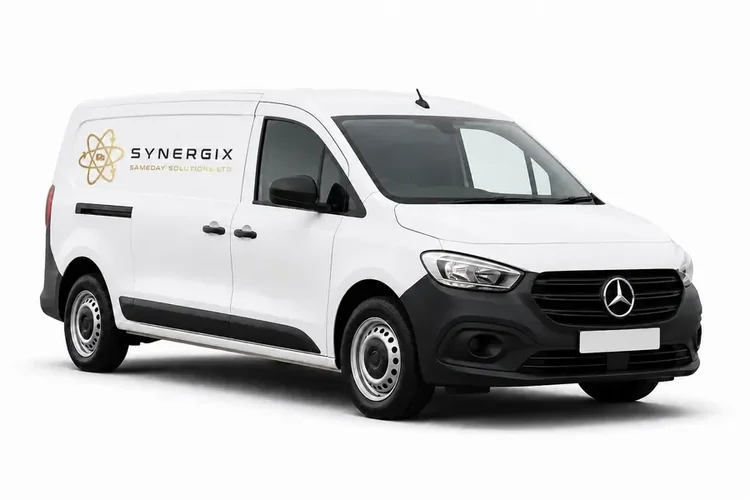
Small van
1.2 × 1 × 1 m
Up to 400 kg
A practical starting point for urgent parts, documents, samples and compact business deliveries.
Standard body guide; actual vehicle checked.
View vehicle guide: Small van
SWB van
2.4 × 1.2 × 1.2 m
Up to 800 kg
Useful for stock, tools and smaller pallet loads that need more room than a small van.
Standard body guide; actual vehicle checked.
View vehicle guide: Short wheelbase van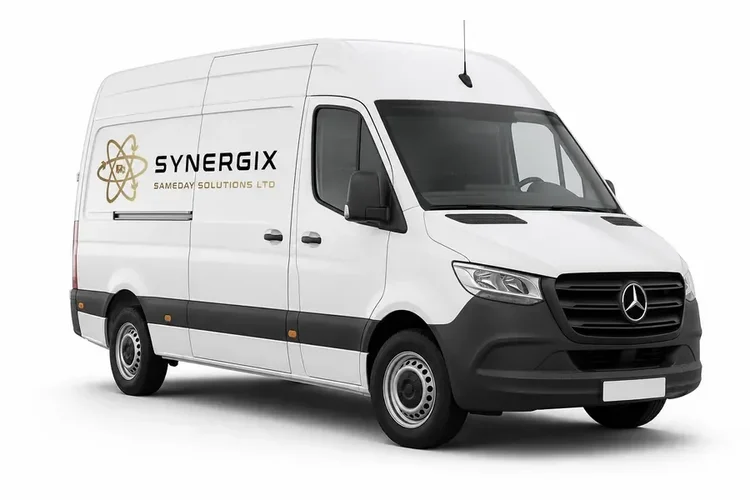
LWB van
3.6 × 1.2 × 1.8 m
Up to 1,250 kg
More floor length for equipment, boxed stock, signage and longer items on dedicated courier work.
Standard body guide; actual vehicle checked.
View vehicle guide: Long wheelbase van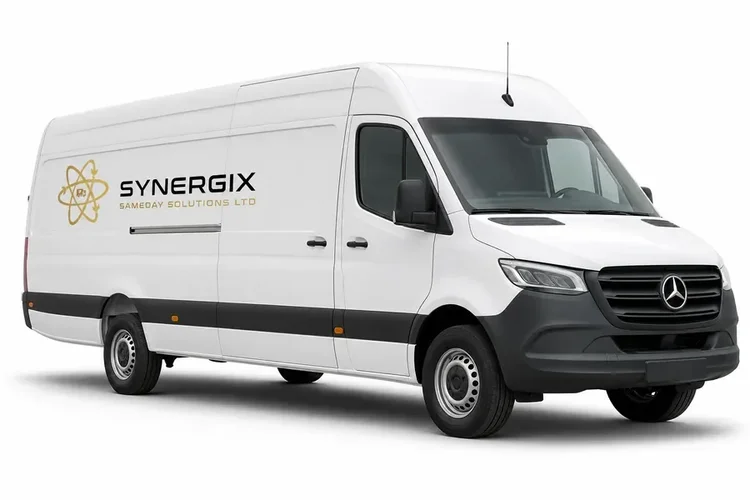
XLWB van
4.2 × 1.2 × 1.8 m
Up to 1,100 kg
Extra length for bulky, lighter consignments and long items that need an enclosed vehicle.
Standard body guide; actual vehicle checked.
View vehicle guide: Extra long wheelbase van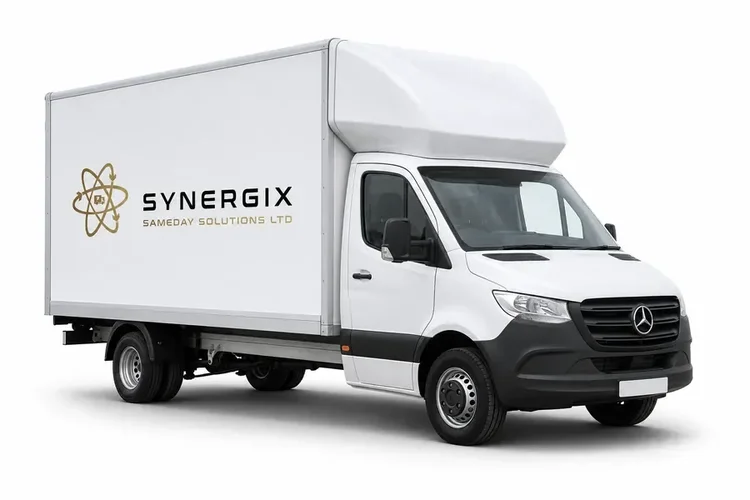
Luton van
4 × 2 × 2 m
Up to 1,100 kg
A wider box-shaped load area for bulky stock, furniture and light palletised deliveries.
900 kg with a tail lift; conversion checked.
View vehicle guide: Luton van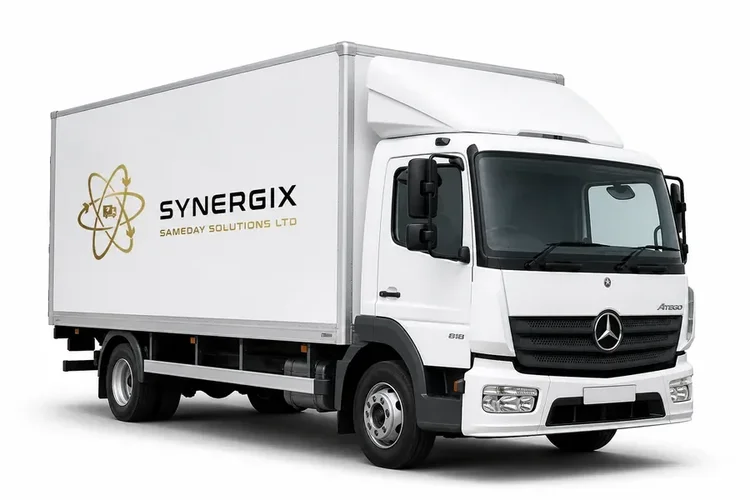
7.5 tonne lorry
6 × 2.2–2.4 × 2–2.445 m
Up to 2,400 kg
A step up from vans for pallet deliveries, retail stock and bulky goods requiring a rigid lorry.
Standard body guide; actual vehicle checked.
View vehicle guide: 7.5 tonne lorry
18 tonne lorry
7.5 × 2.4 × 2.5 m
Up to 9,000 kg
A larger rigid for regular distribution, industrial goods and heavier pallet loads.
Standard body guide; actual vehicle checked.
View vehicle guide: 18 tonne lorry
26 tonne lorry
8 × 2.5 × 2.6 m
Up to 15,000 kg
A higher-capacity rigid option for substantial pallet, building-material and distribution loads.
Standard body guide; actual vehicle checked.
View vehicle guide: 26 tonne lorry
13.6m artic
13.6 × 2.5 × 2.6 m
Up to 26,000 kg
Full and part loads, regular trunking and larger consignments. Choose the trailer around the goods and unloading method.
Standard body guide; actual vehicle checked.
View vehicle guide: 13.6m articulated lorry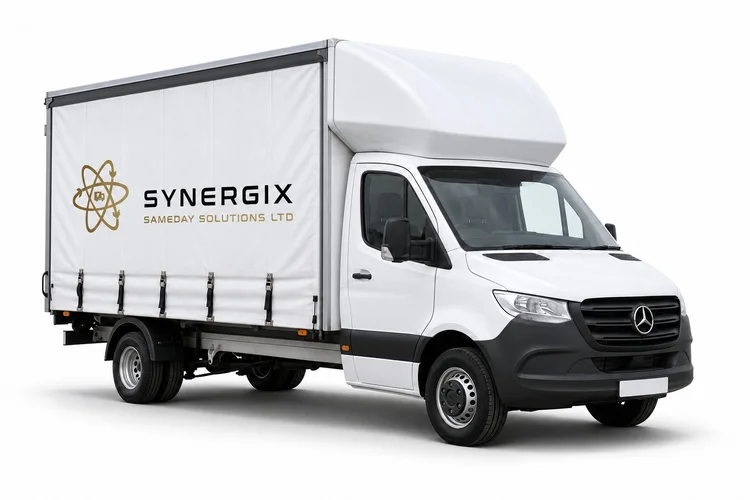
Luton curtainsider
Actual body specification confirmed
Load-specific capacity
Side loading needs a suitable opening, securing system and safe forklift access. Confirm the actual body space and payload.
Actual body, equipment and working payload checked.
View vehicle guide: Luton curtainsider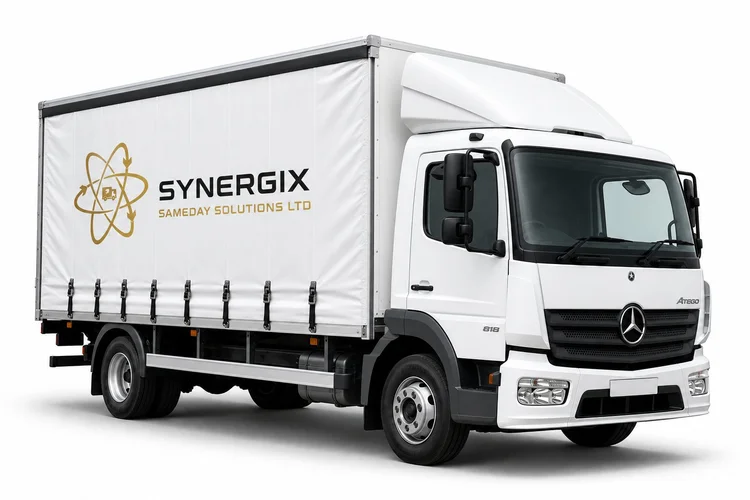
7.5t curtainsider
Actual body specification confirmed
Load-specific capacity
Side loading needs a suitable opening, securing system and safe forklift access. Confirm the actual body space and payload.
Actual body, equipment and working payload checked.
View vehicle guide: 7.5t curtainsider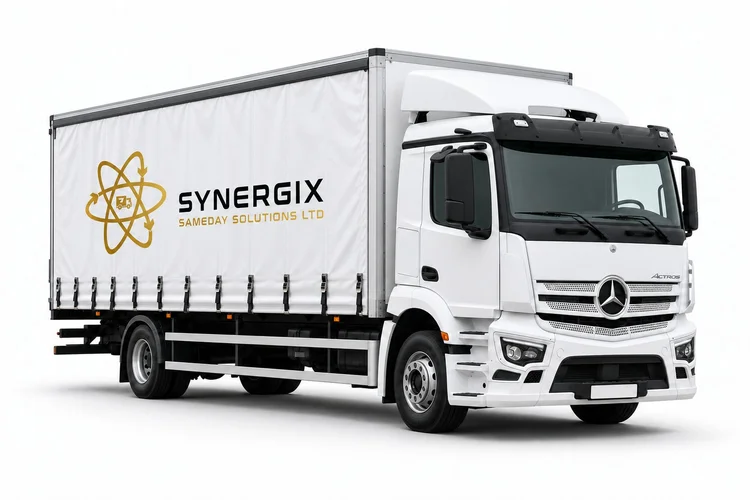
18t curtainsider
Actual body specification confirmed
Load-specific capacity
Side loading needs a suitable opening, securing system and safe forklift access. Confirm the actual body space and payload.
Actual body, equipment and working payload checked.
View vehicle guide: 18t curtainsider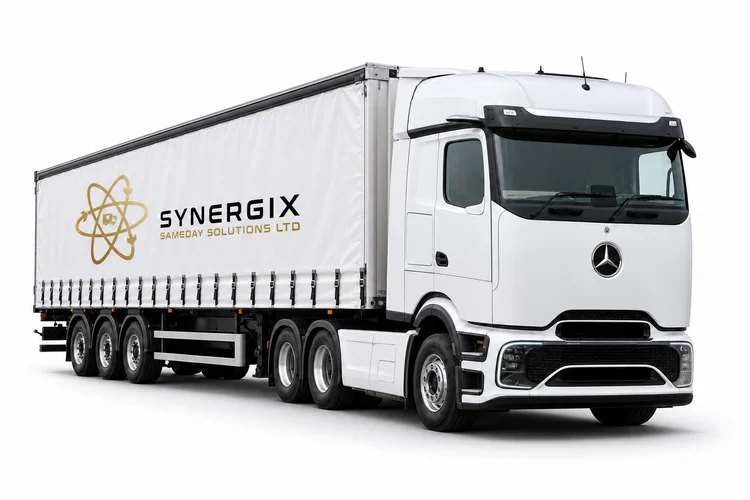
Articulated curtainsider
Actual body specification confirmed
Load-specific capacity
Side loading needs a suitable opening, securing system and safe forklift access. Confirm the actual body space and payload.
Actual body, equipment and working payload checked.
View vehicle guide: Articulated curtainsider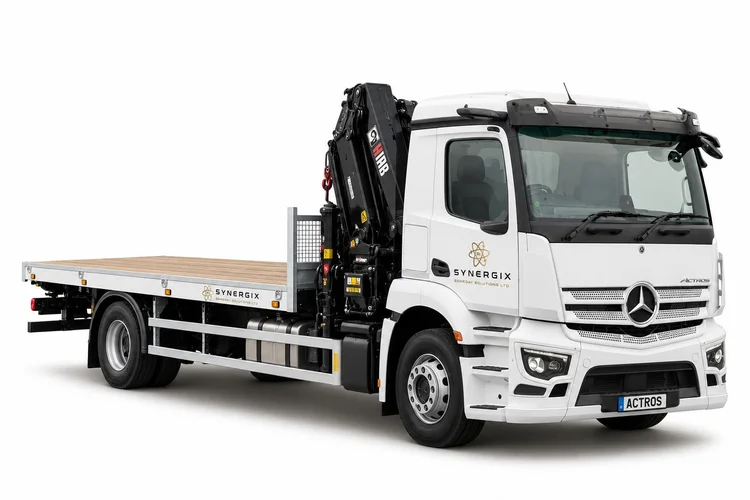
18t flatbed HIAB
Actual body specification confirmed
Load-specific capacity
Check load weight, lifting points, reach, ground, stabiliser space and the actual lift plan. Standard-body payload does not apply.
Actual body, equipment and working payload checked.
View vehicle guide: 18t flatbed HIAB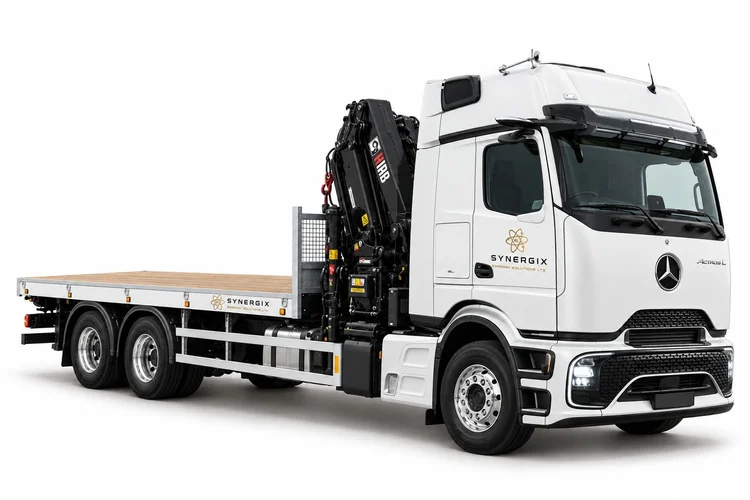
26t flatbed HIAB
Actual body specification confirmed
Load-specific capacity
Check load weight, lifting points, reach, ground, stabiliser space and the actual lift plan. Standard-body payload does not apply.
Actual body, equipment and working payload checked.
View vehicle guide: 26t flatbed HIAB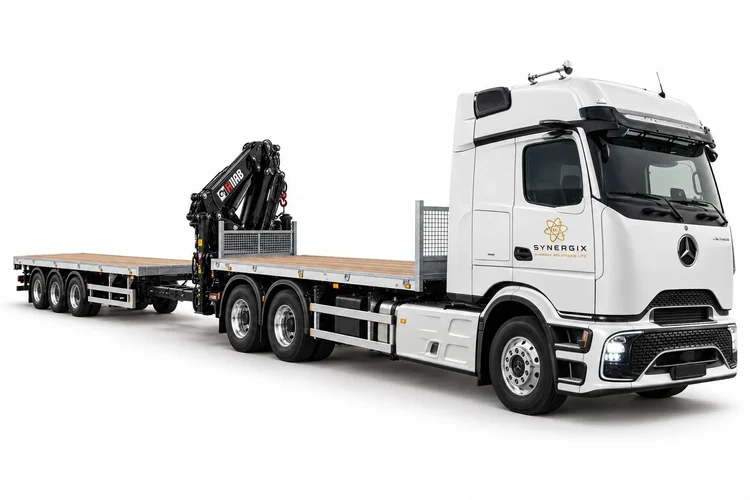
Wagon & drag, rear HIAB
Actual body specification confirmed
Load-specific capacity
Check load weight, lifting points, reach, ground, stabiliser space and the actual lift plan. Standard-body payload does not apply.
Actual body, equipment and working payload checked.
View vehicle guide: Wagon & drag, rear HIAB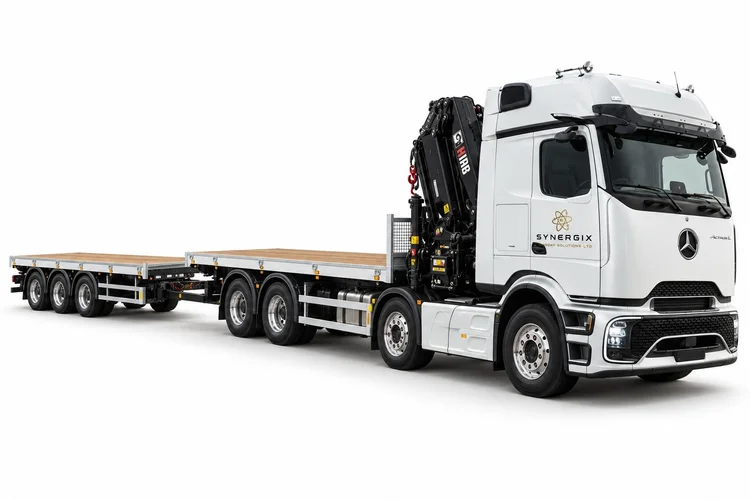
Wagon & drag, front HIAB
Actual body specification confirmed
Load-specific capacity
Check load weight, lifting points, reach, ground, stabiliser space and the actual lift plan. Standard-body payload does not apply.
Actual body, equipment and working payload checked.
View vehicle guide: Wagon & drag, front HIAB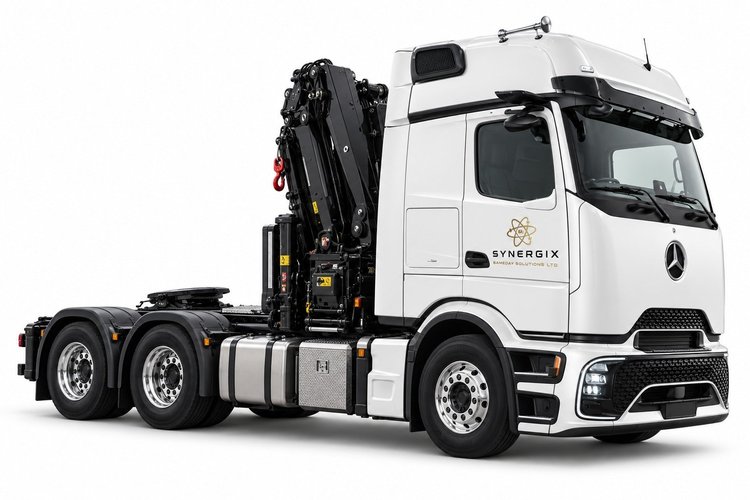
Three-axle HIAB tractor
Actual body specification confirmed
Load-specific capacity
Check load weight, lifting points, reach, ground, stabiliser space and the actual lift plan. Standard-body payload does not apply. Tractor shown without a trailer. Agree the complete combination.
Actual body, equipment and working payload checked.
View vehicle guide: Three-axle HIAB tractor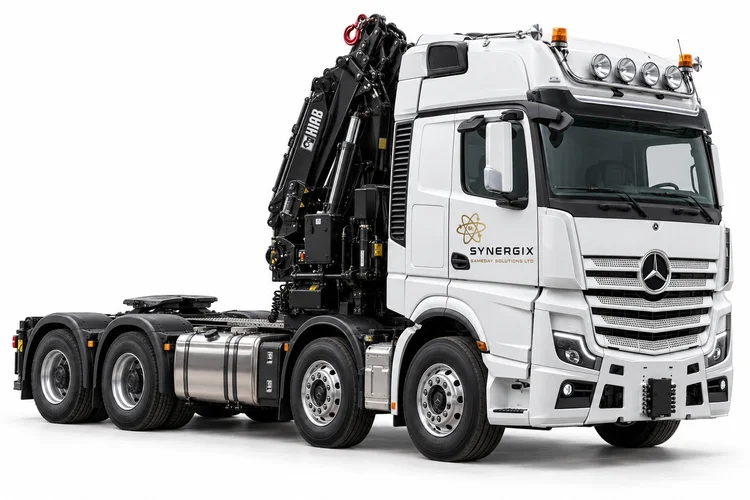
Four-axle heavy HIAB tractor
Actual body specification confirmed
Load-specific capacity
Check load weight, lifting points, reach, ground, stabiliser space and the actual lift plan. Standard-body payload does not apply. Tractor shown without a trailer. Agree the complete combination.
Actual body, equipment and working payload checked.
View vehicle guide: Four-axle heavy HIAB tractor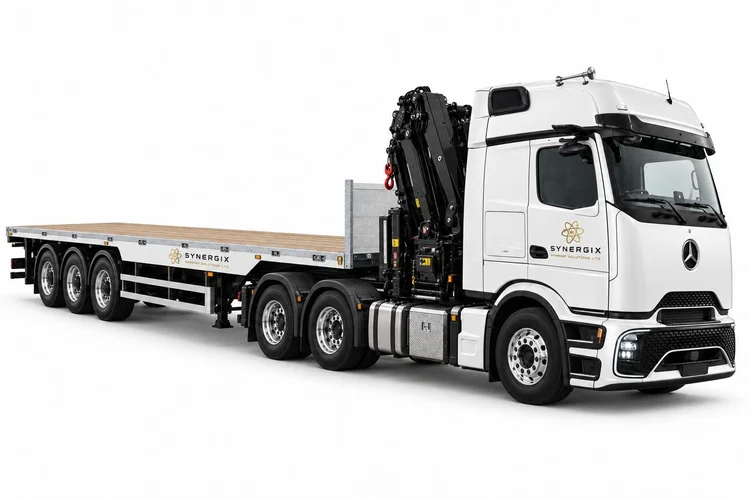
HIAB artic & flatbed
Actual body specification confirmed
Load-specific capacity
Check load weight, lifting points, reach, ground, stabiliser space and the actual lift plan. Standard-body payload does not apply.
Actual body, equipment and working payload checked.
View vehicle guide: HIAB artic & flatbed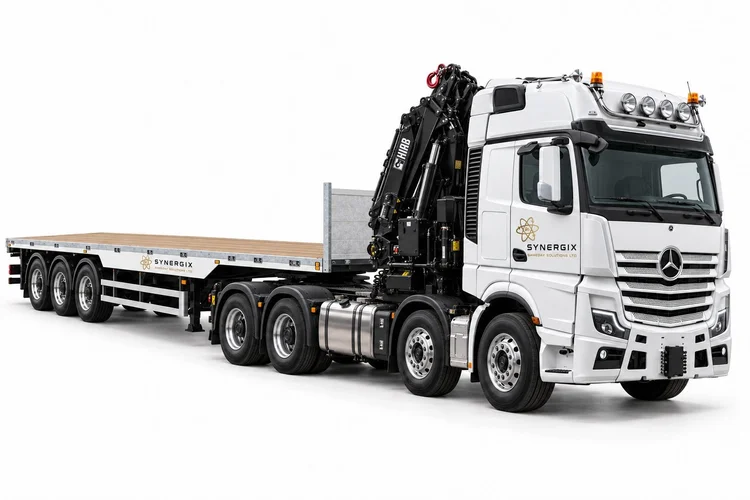
Heavy HIAB artic & flatbed
Actual body specification confirmed
Load-specific capacity
Check load weight, lifting points, reach, ground, stabiliser space and the actual lift plan. Standard-body payload does not apply.
Actual body, equipment and working payload checked.
View vehicle guide: Heavy HIAB artic & flatbed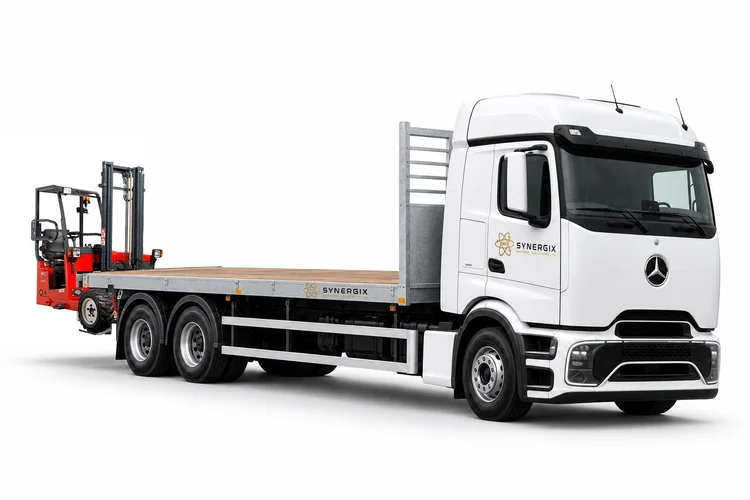
26t flatbed MOFFETT
Actual body specification confirmed
Load-specific capacity
Carried forklift unloading. Check load centre, item weight, fork access, ground, gradients and working space. Fitted equipment reduces payload.
Actual body, equipment and working payload checked.
View vehicle guide: 26t flatbed MOFFETT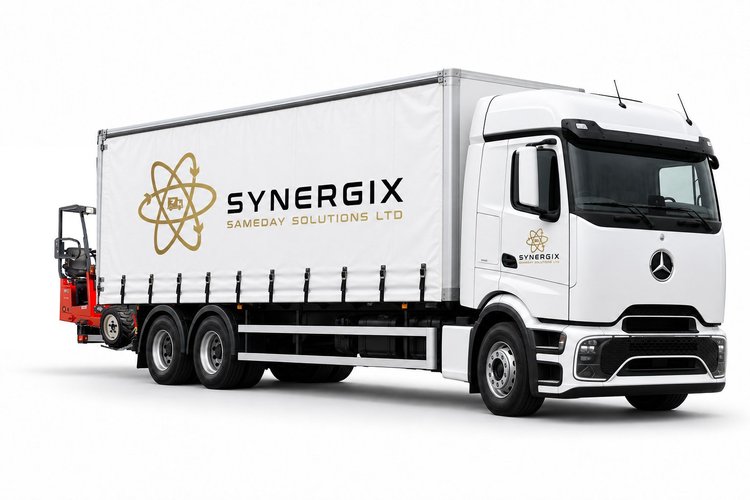
26t curtainsider MOFFETT
Actual body specification confirmed
Load-specific capacity
Carried forklift unloading. Check load centre, item weight, fork access, ground, gradients and working space. Fitted equipment reduces payload.
Actual body, equipment and working payload checked.
View vehicle guide: 26t curtainsider MOFFETT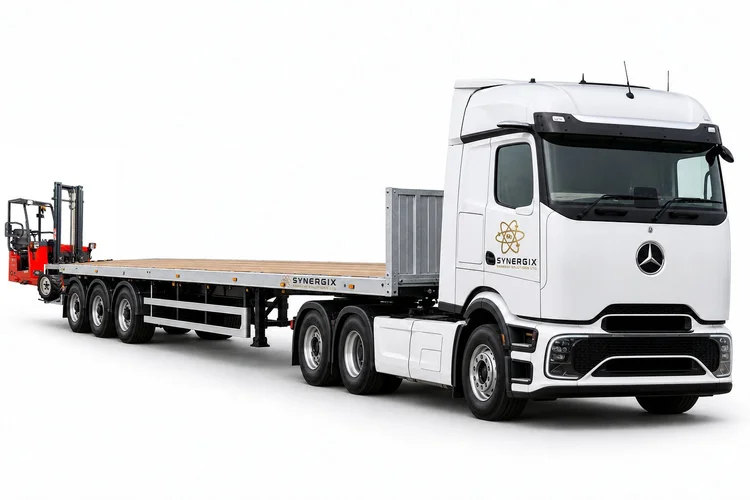
Artic flatbed MOFFETT
Actual body specification confirmed
Load-specific capacity
Carried forklift unloading. Check load centre, item weight, fork access, ground, gradients and working space. Fitted equipment reduces payload.
Actual body, equipment and working payload checked.
View vehicle guide: Artic flatbed MOFFETT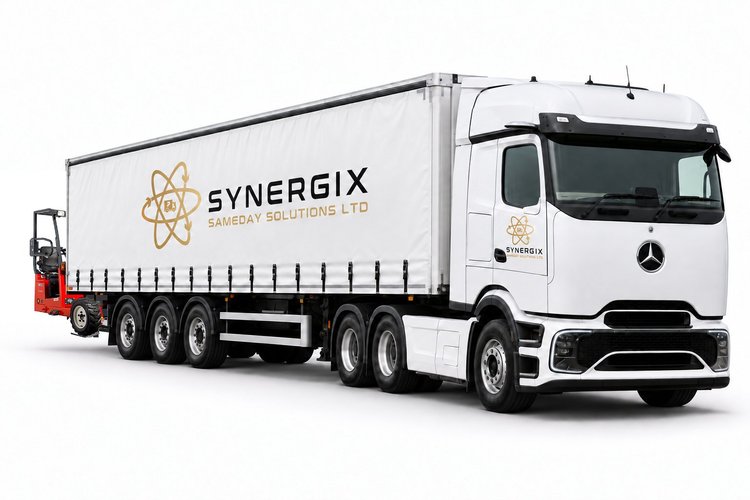
Artic curtainsider MOFFETT
Actual body specification confirmed
Load-specific capacity
Carried forklift unloading. Check load centre, item weight, fork access, ground, gradients and working space. Fitted equipment reduces payload.
Actual body, equipment and working payload checked.
View vehicle guide: Artic curtainsider MOFFETT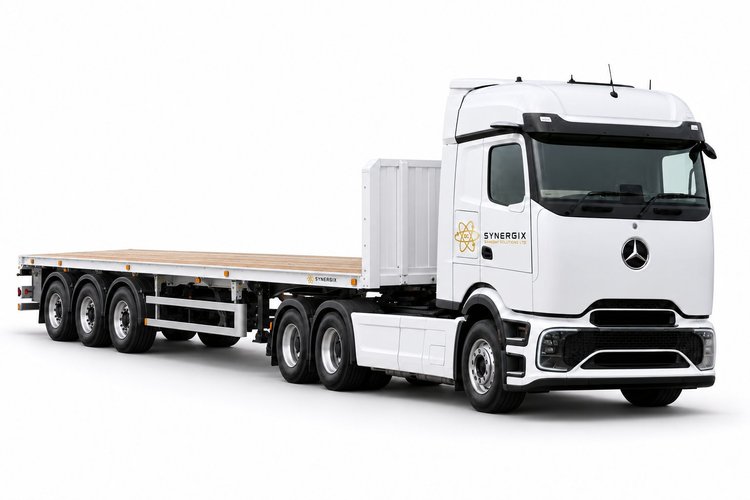
Articulated flatbed
Actual body specification confirmed
Load-specific capacity
Open-deck goods need appropriate weather protection, restraint and loading equipment.
Actual body, equipment and working payload checked.
View vehicle guide: Articulated flatbed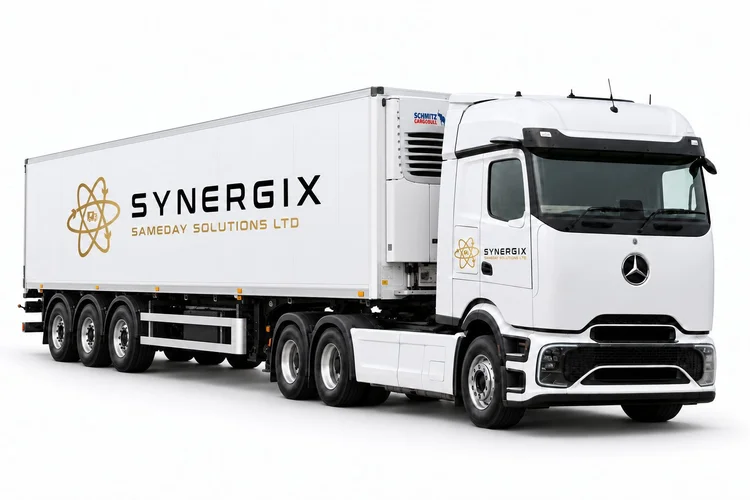
Refrigerated trailer
Actual refrigerated space confirmed
Refrigerated trailer option
Confirm goods, temperature, usable space, payload, power and operating responsibilities. Transport and static hire are separate bookings.
Actual body, equipment and working payload checked.
View vehicle guide: Refrigerated trailer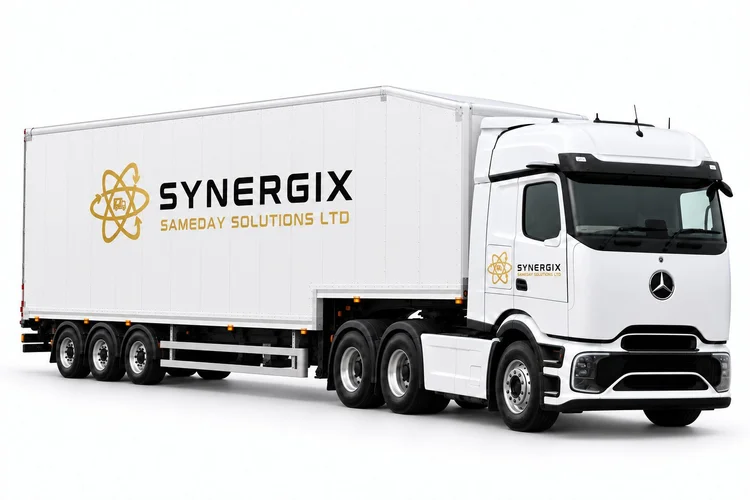
Double-deck box trailer
Actual body specification confirmed
Load-specific capacity
Check both deck heights, individual deck limits, access and the actual loading sequence.
Actual body, equipment and working payload checked.
View vehicle guide: Double-deck box trailer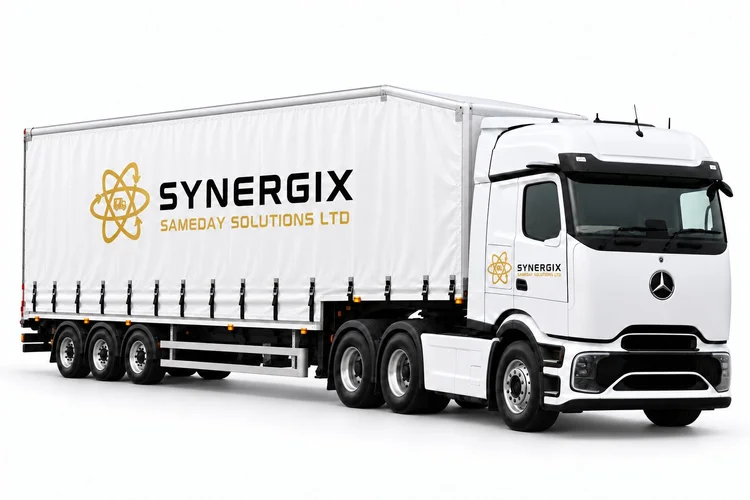
Double-deck curtainsider
Actual body specification confirmed
Load-specific capacity
Confirm deck heights, weight distribution, side access and the securing plan.
Actual body, equipment and working payload checked.
View vehicle guide: Double-deck curtainsider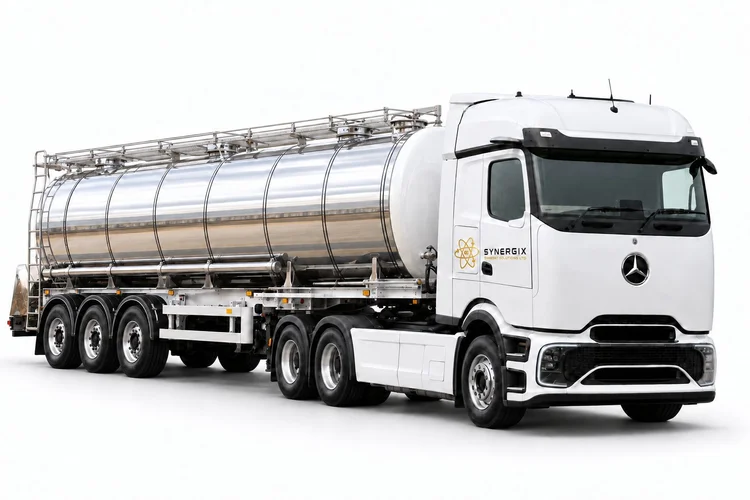
Tanker trailer
Actual body specification confirmed
Load-specific capacity
Declare the product, compatibility, hygiene, transfer equipment and any regulatory requirements. Acceptance is checked, not automatic.
Actual body, equipment and working payload checked.
View vehicle guide: Tanker trailer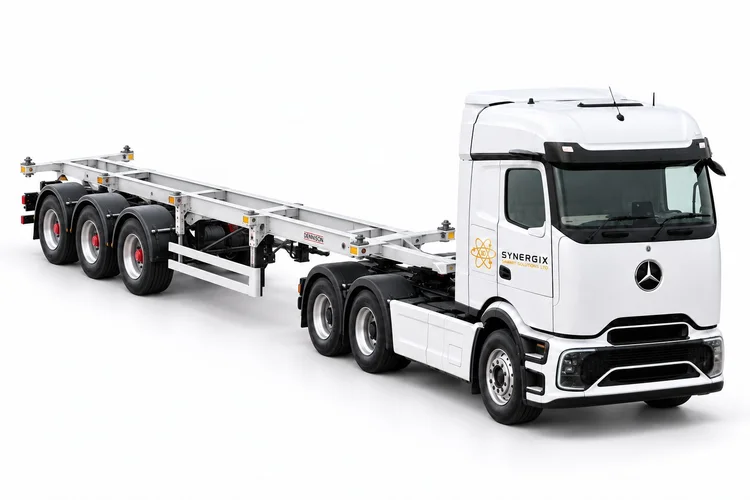
Skeletal container trailer
Actual body specification confirmed
Load-specific capacity
Confirm container size, loaded weight, twistlock positions and terminal or site lifting arrangements.
Actual body, equipment and working payload checked.
View vehicle guide: Skeletal container trailer
Walking-floor trailer
Actual body specification confirmed
Load-specific capacity
Check material suitability, unloading clearance, ground and the actual moving-floor arrangement.
Actual body, equipment and working payload checked.
View vehicle guide: Walking-floor trailer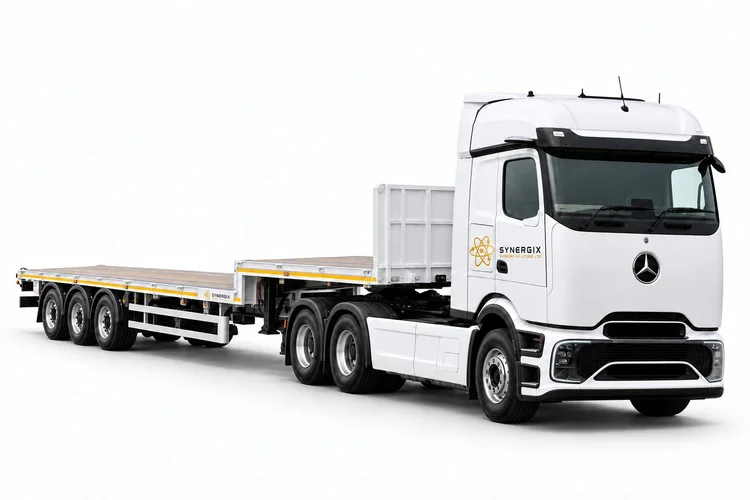
Step-frame trailer
Actual body specification confirmed
Load-specific capacity
Check each deck length and height, point loads, overall loaded height and loading method.
Actual body, equipment and working payload checked.
View vehicle guide: Step-frame trailer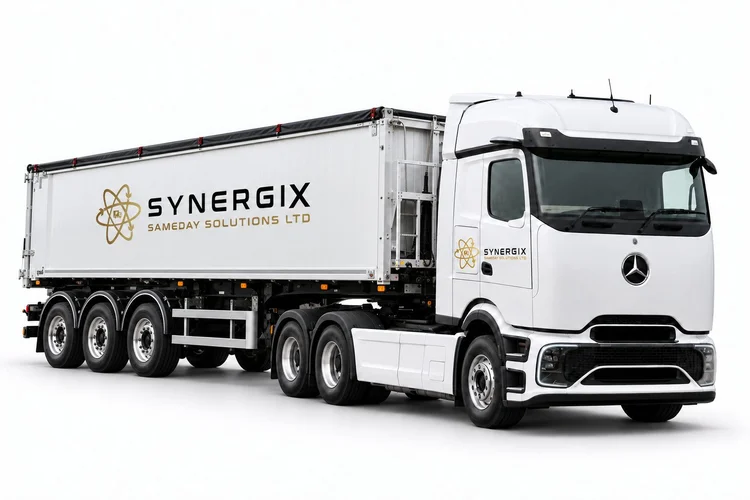
Bulk tipper trailer
Actual body specification confirmed
Load-specific capacity
Declare the material and contamination requirements. Check tipping space, overhead clearance and stable level ground.
Actual body, equipment and working payload checked.
View vehicle guide: Bulk tipper trailer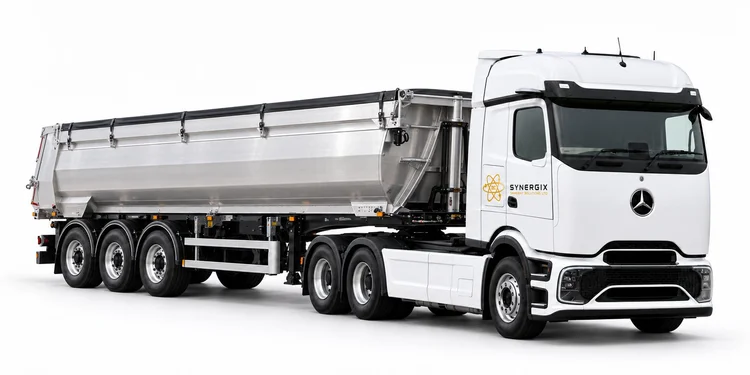
Alloy U-shaped tipper
Actual body specification confirmed
Load-specific capacity
Confirm material, liner or body compatibility, capacity and safe tipping conditions.
Actual body, equipment and working payload checked.
View vehicle guide: Alloy U-shaped tipper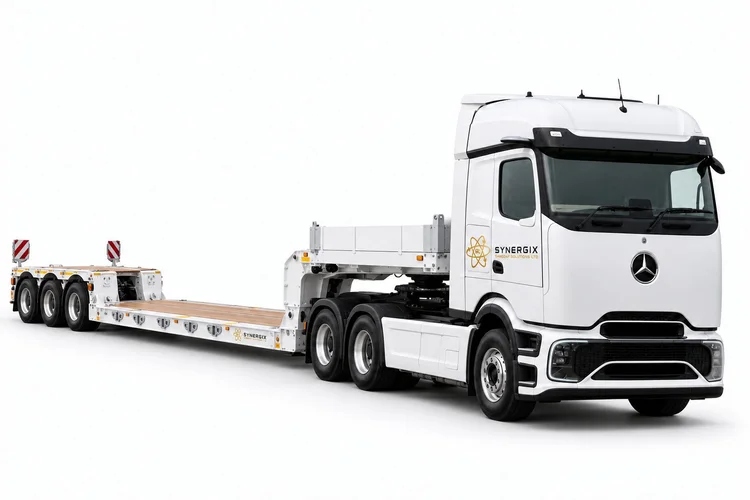
Low-loader
Actual body specification confirmed
Load-specific capacity
Check deck profile, ramps, concentrated weight, ground clearance and actual loaded dimensions.
Actual body, equipment and working payload checked.
View vehicle guide: Low-loader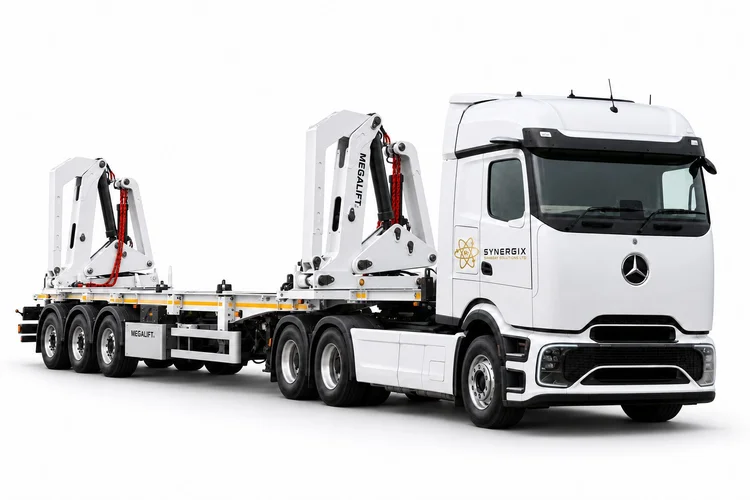
Megalift trailer
Actual body specification confirmed
Load-specific capacity
Container side-lifting needs the actual load, outreach, ground bearing and stabiliser working area checked.
Actual body, equipment and working payload checked.
View vehicle guide: Megalift trailer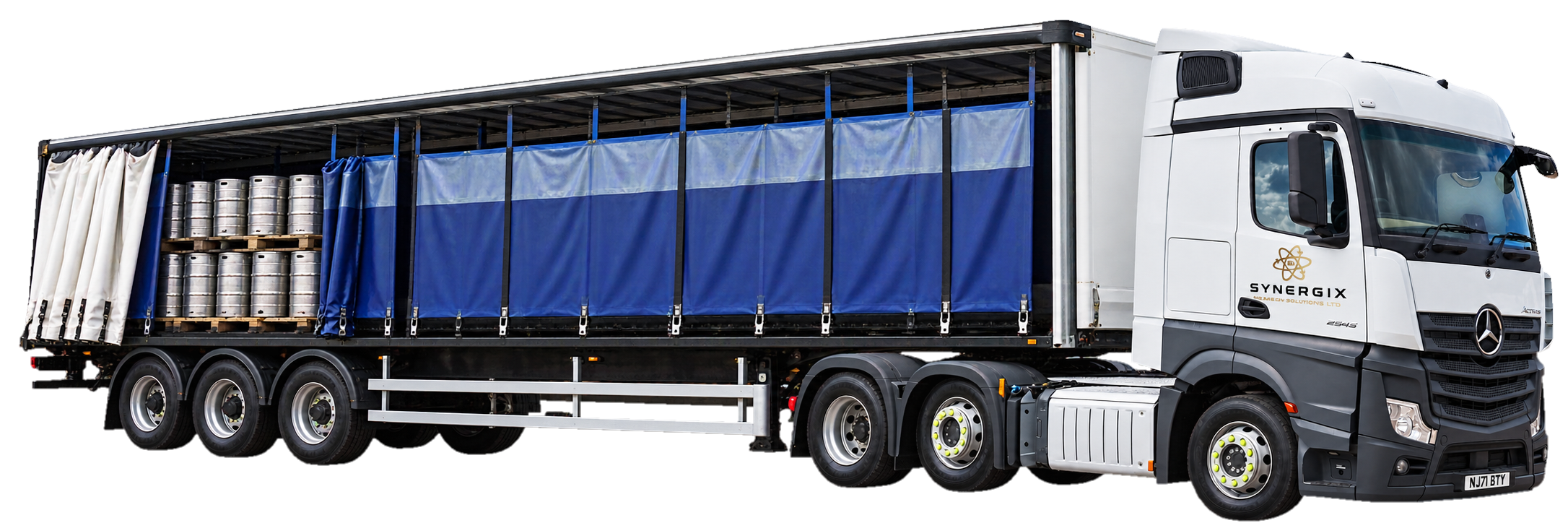
Purpose-built keg trailer
Keg layout and usable space confirmed
Actual trailer payload confirmed
For suitable keg distribution. Supply keg quantities, individual loaded weights, load presentation, site access and receiving arrangements.
Purpose-built keg trailers and other suitable vehicles are both used. Trailer layout, load restraint and unloading method are agreed for the job.
View vehicle guide: Purpose-built keg trailer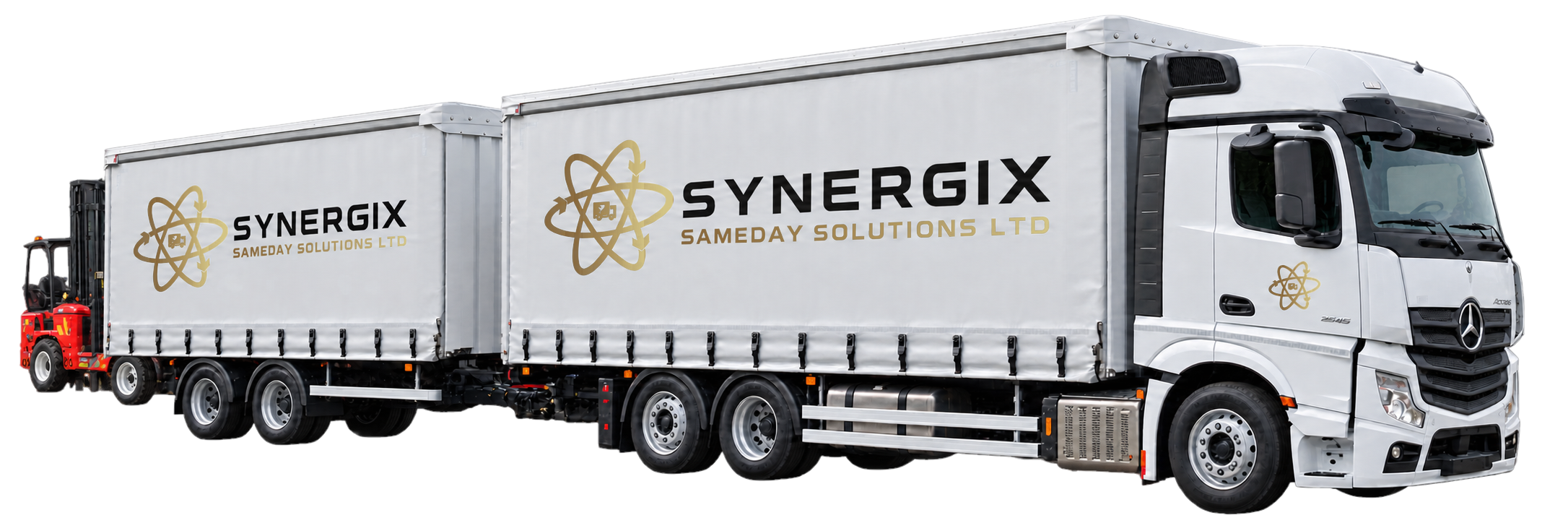
Wagon and drag MOFFETT
Both decks and forklift position confirmed
Actual completed combination payload confirmed
A rigid-and-drawbar combination with truck-mounted forklift unloading. Give individual load weights, deck allocation, unloading sequence and the ground route to the receiving point.
The carried forklift changes equipment position and freight allowance. Confirm the actual forklift, mounting, load-centre limits, ground and access.
View vehicle guide: Wagon and drag MOFFETTUse the slider or arrows, or open the stationary vehicle guide.
Stationary vehicle guide and dimensions
| Vehicle | Load space | Payload / equipment | Booking check |
|---|---|---|---|
| Small van | 1.2 × 1 × 1 m | Up to 400 kg | Standard body guide; actual vehicle checked. |
| Short wheelbase van | 2.4 × 1.2 × 1.2 m | Up to 800 kg | Standard body guide; actual vehicle checked. |
| Long wheelbase van | 3.6 × 1.2 × 1.8 m | Up to 1,250 kg | Standard body guide; actual vehicle checked. |
| Extra long wheelbase van | 4.2 × 1.2 × 1.8 m | Up to 1,100 kg | Standard body guide; actual vehicle checked. |
| Luton van | 4 × 2 × 2 m | Up to 1,100 kg | 900 kg with a tail lift; conversion checked. |
| 7.5 tonne lorry | 6 × 2.2–2.4 × 2–2.445 m | Up to 2,400 kg | Standard body guide; actual vehicle checked. |
| 18 tonne lorry | 7.5 × 2.4 × 2.5 m | Up to 9,000 kg | Standard body guide; actual vehicle checked. |
| 26 tonne lorry | 8 × 2.5 × 2.6 m | Up to 15,000 kg | Standard body guide; actual vehicle checked. |
| 13.6m articulated lorry | 13.6 × 2.5 × 2.6 m | Up to 26,000 kg | Standard body guide; actual vehicle checked. |
| Luton curtainsider | Actual body specification confirmed | Load-specific capacity | Actual body, equipment and working payload checked. |
| 7.5t curtainsider | Actual body specification confirmed | Load-specific capacity | Actual body, equipment and working payload checked. |
| 18t curtainsider | Actual body specification confirmed | Load-specific capacity | Actual body, equipment and working payload checked. |
| Articulated curtainsider | Actual body specification confirmed | Load-specific capacity | Actual body, equipment and working payload checked. |
| 18t flatbed HIAB | Actual body specification confirmed | Load-specific capacity | Actual body, equipment and working payload checked. |
| 26t flatbed HIAB | Actual body specification confirmed | Load-specific capacity | Actual body, equipment and working payload checked. |
| Wagon & drag, rear HIAB | Actual body specification confirmed | Load-specific capacity | Actual body, equipment and working payload checked. |
| Wagon & drag, front HIAB | Actual body specification confirmed | Load-specific capacity | Actual body, equipment and working payload checked. |
| Three-axle HIAB tractor | Actual body specification confirmed | Load-specific capacity | Actual body, equipment and working payload checked. |
| Four-axle heavy HIAB tractor | Actual body specification confirmed | Load-specific capacity | Actual body, equipment and working payload checked. |
| HIAB artic & flatbed | Actual body specification confirmed | Load-specific capacity | Actual body, equipment and working payload checked. |
| Heavy HIAB artic & flatbed | Actual body specification confirmed | Load-specific capacity | Actual body, equipment and working payload checked. |
| 26t flatbed MOFFETT | Actual body specification confirmed | Load-specific capacity | Actual body, equipment and working payload checked. |
| 26t curtainsider MOFFETT | Actual body specification confirmed | Load-specific capacity | Actual body, equipment and working payload checked. |
| Artic flatbed MOFFETT | Actual body specification confirmed | Load-specific capacity | Actual body, equipment and working payload checked. |
| Artic curtainsider MOFFETT | Actual body specification confirmed | Load-specific capacity | Actual body, equipment and working payload checked. |
| Articulated flatbed | Actual body specification confirmed | Load-specific capacity | Actual body, equipment and working payload checked. |
| Refrigerated trailer | Actual refrigerated space confirmed | Refrigerated trailer option | Actual body, equipment and working payload checked. |
| Double-deck box trailer | Actual body specification confirmed | Load-specific capacity | Actual body, equipment and working payload checked. |
| Double-deck curtainsider | Actual body specification confirmed | Load-specific capacity | Actual body, equipment and working payload checked. |
| Tanker trailer | Actual body specification confirmed | Load-specific capacity | Actual body, equipment and working payload checked. |
| Skeletal container trailer | Actual body specification confirmed | Load-specific capacity | Actual body, equipment and working payload checked. |
| Walking-floor trailer | Actual body specification confirmed | Load-specific capacity | Actual body, equipment and working payload checked. |
| Step-frame trailer | Actual body specification confirmed | Load-specific capacity | Actual body, equipment and working payload checked. |
| Bulk tipper trailer | Actual body specification confirmed | Load-specific capacity | Actual body, equipment and working payload checked. |
| Alloy U-shaped tipper | Actual body specification confirmed | Load-specific capacity | Actual body, equipment and working payload checked. |
| Low-loader | Actual body specification confirmed | Load-specific capacity | Actual body, equipment and working payload checked. |
| Megalift trailer | Actual body specification confirmed | Load-specific capacity | Actual body, equipment and working payload checked. |
| Purpose-built keg trailer | Keg layout and usable space confirmed | Actual trailer payload confirmed | Purpose-built keg trailers and other suitable vehicles are both used. Trailer layout, load restraint and unloading method are agreed for the job. |
| Wagon and drag MOFFETT | Both decks and forklift position confirmed | Actual completed combination payload confirmed | The carried forklift changes equipment position and freight allowance. Confirm the actual forklift, mounting, load-centre limits, ground and access. |
From brief to completion
How the service works
Agree the goods, timing, equipment and responsibilities so collection and handover follow one workable plan.
- Describe the material and quantity
Send the exact product, specification, weight, expected volume, moisture and loading point. Include sharp or abrasive content, contamination and any cleanliness or previous-load requirement.
- Match the body and operating plan
Choose the tipper or walking-floor arrangement around material compatibility, useful payload, loading method and the receiving site. Confirm any covering, cleaning, documentation or restricted-product conditions.
- Prepare loading and receiving
Agree equipment, opening hours, loading rate, vehicle route, ground and discharge area. Name the people releasing and receiving the load, and confirm how the weight or quantity is recorded.
- Collect, move and discharge
The actual load and sites are checked against the booking. Changes in material, weather, ground or available space must be raised before unloading; the agreed discharge method does not make an unsuitable area workable.
- Record the handover
Use delivery confirmation and any agreed load or weight records to close the movement. Further loads, waiting, returns or a changed destination follow the agreed programme and quotation scope.
Practical booking help
Prepare the load and both sites
Start with reliable goods information and the people releasing and receiving the consignment. Flag missing details rather than guessing.
Loading, unloading and access
Give us the actual conditions at both ends so the equipment and service can be agreed before dispatch.
Check 01
Loading and material checks
Confirm the product, weight and volume, how it will be loaded, the loading equipment and the space needed above the body. Include moisture, sticking, sharp edges, contamination and any covering requirements.
Check 02
Tipper discharge area
Provide firm, level ground, adequate space and clear information about overhead lines, buildings, edges and other hazards. The haulier and receiving site need an agreed discharge plan before tipping begins.
Check 03
Walking-floor discharge
Confirm rear-door clearance, a controlled working area and the space for discharged material. A body that stays down still needs suitable ground and a safe operating area. Any extra unloading equipment or site assistance must be agreed.
Preparing your first booking
Obtain the product information
Ask the supplier for the exact material, condition, particle size, density and expected moisture, plus weight and cubic volume. Density is weight per unit of volume: a dense load can reach payload before filling the body. Mark estimates clearly.
Explain how the material behaves
Compaction means material becoming more tightly packed. Bridging means material holding together or spanning a gap instead of flowing freely. Moisture, sticking, stones and debris can change loading and discharge. Send the supplier’s information rather than guessing a safe payload or suitability.
Show the whole discharge area
For a tipper, provide the level working ground, space and overhead hazards. For a walking floor, show rear-door clearance, the controlled working area and room for the discharged material. The body staying down does not remove ground, access or site-control requirements.
Reasons to choose Synergix
Practical capability and accountable support
The service brings suitable equipment, visibility and an active operations team together around your requirements.
Synergix
The right vehicle and handling
Match the body, equipment and transport plan to the goods and receiving site, reducing avoidable problems at handover.
Synergix
Tracking and live POD
Live tracking and electronic proof of delivery (POD) help your team follow the movement and confirm receipt. Registered customers can book jobs, track drivers and retrieve PODs through the customer portal. Agree access and any extra reporting for the work.
Synergix
Fully insured transport
Move your goods with insured transport. Confirm the applicable cover against the consignment, declared value and booked service.
Synergix
24/7 operations support
Reach the team when timing or site conditions change. Clear communication and practical action help keep the movement under control.
Synergix
UK and European capability
Use an established UK and European transport operation, with the actual route, equipment and availability confirmed for the work.
Synergix
Experience with accountability
Three generations of family transport experience support practical decisions about the job. Synergix is trusted by some of the largest businesses in the sectors it serves.
Price, quotation and supplier review
Quote the complete requirement
Send the goods, sites and timing together, including the handling, evidence or additional duties your organisation needs.
- Exact materialProduct description, specification, density, particle size, moisture and any restrictions.
- Weight and volumeTotal tonnes, cubic volume, number of loads and how the loaded weight will be established.
- Loading and dischargeEquipment, loading rate, site contacts, tip or rear discharge, ground, overhead clearance and working space.
- Product and body requirementsCovering, contamination controls, previous-load or cleaning conditions and any required approval or documentation.
- Collection and deliveryExact addresses, contacts, dates, latest useful arrival and any extra stops.
- Value and special conditionsDeclared goods value, handling instructions, required cover and any regulated or restricted contents.
Timing and price factors
A clear brief lets us quote the service your work needs.
Coverage and availability
Agree the workable schedule
Single loads and repeat bulk programmes can be discussed. The route, material acceptance, suitable trailer availability and loading or delivery windows determine the workable schedule. Give notice of any site or programme changes.
Quotation
What affects the price
Material, weight and volume, body choice, route, empty positioning, loading and unloading time, site conditions and any required cleaning affect the quotation. Confirm waiting, changes and cancellation terms for repeat work.
Purchasing and ongoing work
Plan repeat movements
Share firm and forecast loads, material specifications, sites, collection windows, loading rates and receiving capacity. Agree quantity/weight records, changes, waiting and the authorised contacts.
Define product and body conditions
Declare cleanliness, previous-load, covering and any required assurance or permissions. Topsoil or loam must not be assumed free of contamination because of its name. Waste, food, feed and other controlled materials require their own acceptance and evidence.
Compare the complete quotation
Include positioning, route, body, load quantities, loading/discharge time, cleaning and extra movements. Agree PO, invoice and proposed payment requirements, with any additional work and commercial changes visible.
Useful booking questions
Bulk haulage: tippers & walking floors FAQs
Direct answers to the choices and practical requirements that affect this service.
Do I need a tipper or a walking floor?
It depends on the material and discharge site. A tipper raises the body to discharge. A walking floor moves suitable material out through the rear with the body down. Send the product, weight, volume and site details so we can assess the appropriate option.
Can you arrange aggregate haulage?
Yes, send the exact aggregate and route for assessment. Product specification, density, moisture, weight, loading equipment and a suitable tipping area determine the body and booking. Acceptance is confirmed for the actual load.
Can every material go in a walking floor?
No. The material must suit the actual floor and body. Sharp, abrasive, dense, sticky or contaminating loads need specific assessment. Tell us the complete product specification rather than relying on its general name.
Does a walking floor need overhead tipping clearance?
The body stays down during floor discharge, but loading access, rear-door clearance, ground conditions and other site hazards still need checking. It does not make every low-clearance or restricted site suitable.
Should I quote weight or cubic volume?
Send both where possible. Dense material can reach the usable payload with space remaining, while lighter material can fill the body first. Give the density or product specification if the loaded weight is not yet known.
What does the tipping area need?
The actual vehicle needs suitable firm, level ground, working space and clearance from overhead hazards. Share the site layout, approach, edges, overhead lines and any restrictions so the discharge plan can be agreed.
Can you transport waste, food or animal feed?
These require individual acceptance and the appropriate permissions, documentation, body suitability and any necessary assurance. State the exact material and required evidence at enquiry. A general bulk-haulage booking does not confirm acceptance of a controlled product.
Do you supply the material as well?
This page is for transport enquiries. Tell us where the material is being collected and who will release and load it. Any separate supply requirement must be discussed explicitly.
Can we book repeat bulk loads?
Yes, share the material, expected loads, dates, loading rate, receiving slots and likely changes. Trailer suitability, capacity and the operating programme are confirmed before commitment.
What information do you need for a quote?
Send the exact material, weight and volume, addresses, dates, site contacts, loading method and discharge requirements. Include covering, cleaning, previous-load conditions and any controlled-product documentation.
What do you carry in walking-floor trailers?
Topsoil and loam are confirmed applications. Send the supplier’s material specification, weight and volume, moisture and any stones, debris or contamination. The actual floor, body and discharge site must suit the material. Spreading or on-site earthworks are not automatically included.
Where do I obtain density and moisture information?
Ask the supplier or product owner for the available specification, measured quantity and condition at loading. Density links weight to volume, while moisture can change weight and flow. Identify estimates and missing information so the body and operating plan can be checked before booking.
Does walking-floor delivery include spreading topsoil?
No automatic spreading or landscaping work is included. Agree the rear discharge point and receiving arrangements. If material must be moved, spread or placed elsewhere on site, describe that additional requirement separately.
Talk to the team
Arrange the right transport
Send the goods, collection and delivery requirements. We will bring the service scope, suitable equipment and quotation together.
Need a load-size check? Open LoadCheck and vehicle guidance.