
Port of Plymouth collections • UK delivery
Port of Plymouth
courier & haulage.
A released cargo order, protected marine component or supplier equipment for a Plymouth waterfront business. Synergix arranges same-day courier and road haulage to agreed receiving points around Millbay, Cattewater and Devonport, with onward UK transport. Send the packaged goods, ready time, deadline and exact receiver so we can assess the complete road movement.
Ready when you areUrgent collections and scheduled movements assessed for the job.
The whole load mattersVehicle, handling, access and receiving time checked together.
A person you can reachOur phones are answered 24/7/365.
Explore the range
Your load.
The right vehicle.
Browse the van, rigid, articulated and specialist options, then open a vehicle guide for dimensions, body types and loading advice. You can ask for a particular vehicle or let us work from your load details.
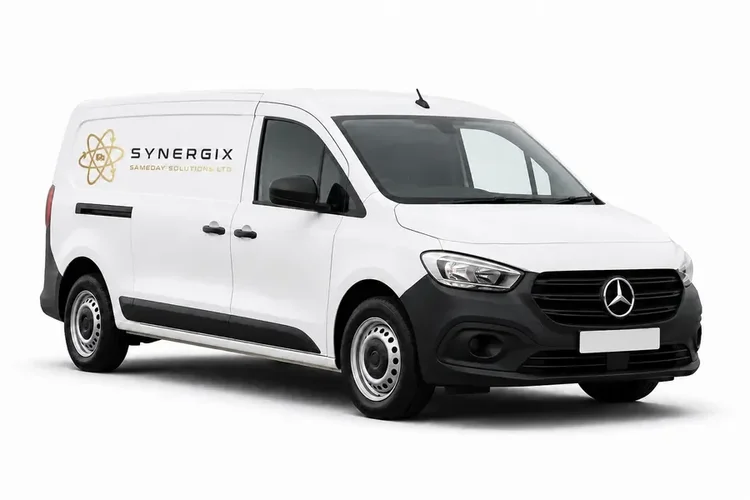
Small van
Compact consignments, documents, samples and smaller urgent parts.
View the vehicle guide
Short wheelbase van
Boxed stock and components, with access checked against the packed load.
View the vehicle guide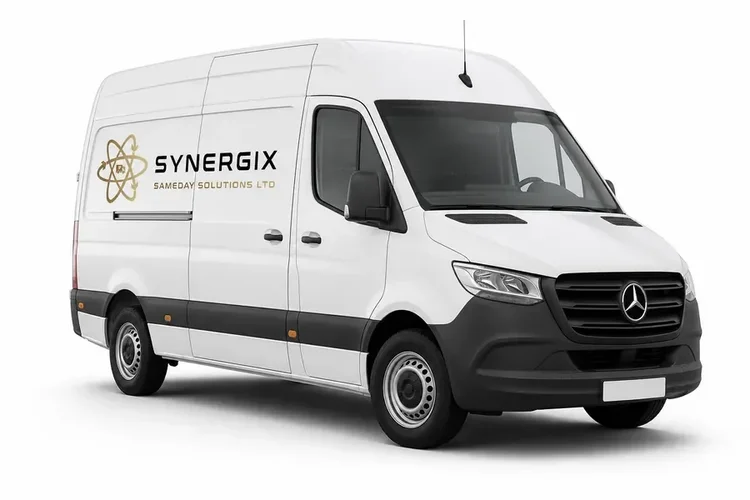
Medium wheelbase van
Compare the intermediate panel-van option using the exact packed load.
Representative panel-van illustration; the assigned wheelbase and load space are confirmed.
View the vehicle guideLong wheelbase van
Longer consignments and suitable pallets. Check usable length and door access.
View the vehicle guide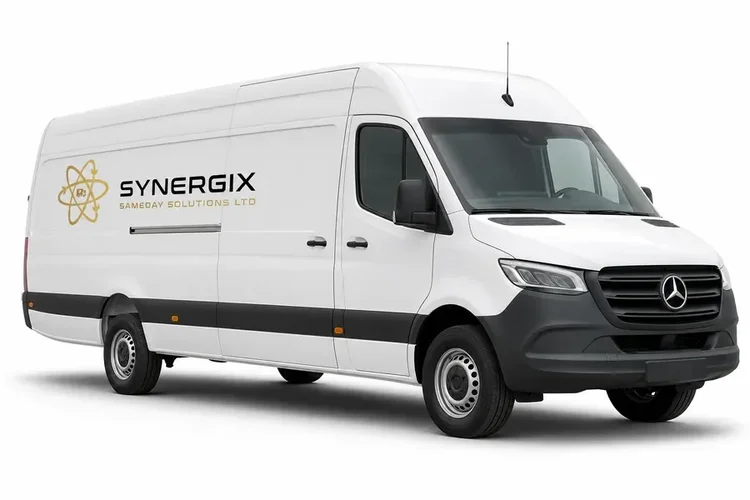
Extra long wheelbase van
Extra load length for suitable bulky goods, within the assigned payload.
View the vehicle guide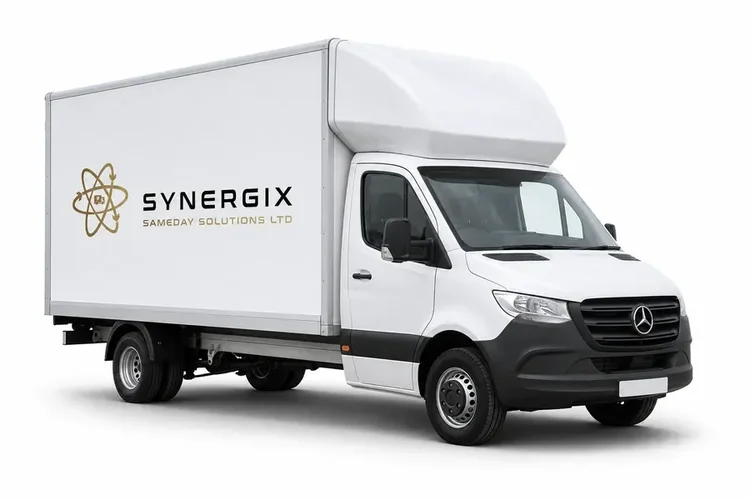
Luton van
A larger box body, with tail-lift arrangements confirmed when required.
View the vehicle guide5 tonne truck
Light truck options with body, payload and handling assessed separately.
Representative box-body illustration; the assigned chassis and capacity are confirmed.
View the vehicle guide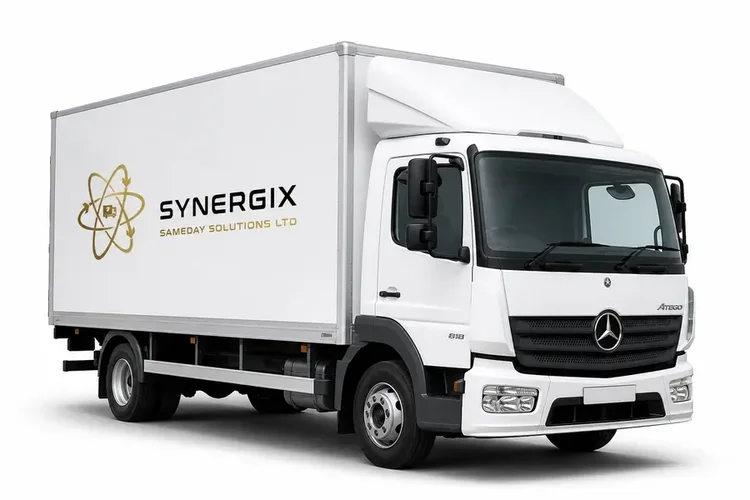
7.5 tonne lorry
Rigid options for palletised freight. Choose the body and unloading method.
View the vehicle guide
18 tonne lorry
Larger pallet and commercial loads, with body-specific payload checks.
View the vehicle guide
26 tonne lorry
Three-axle rigid options for substantial freight and agreed handling equipment.
View the vehicle guide
13.6m articulated lorry
Full-load capacity with the trailer type chosen around the consignment.
View the vehicle guide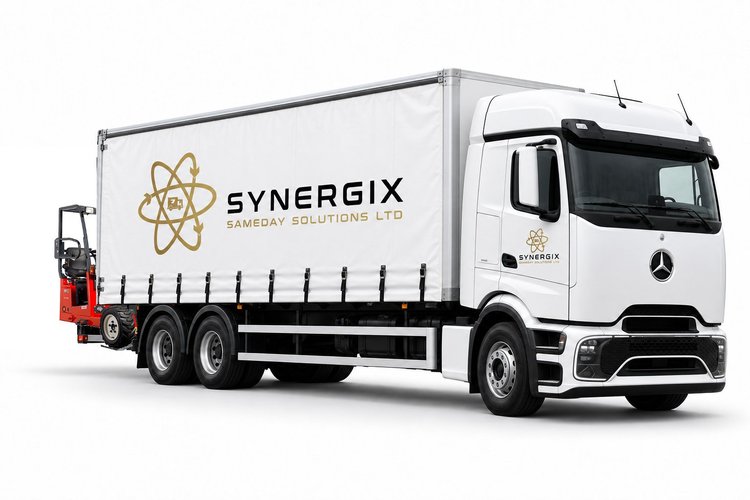
MOFFETT rigid
A truck-mounted forklift option. Confirm pallet weight, reach and the ground.
View the vehicle guide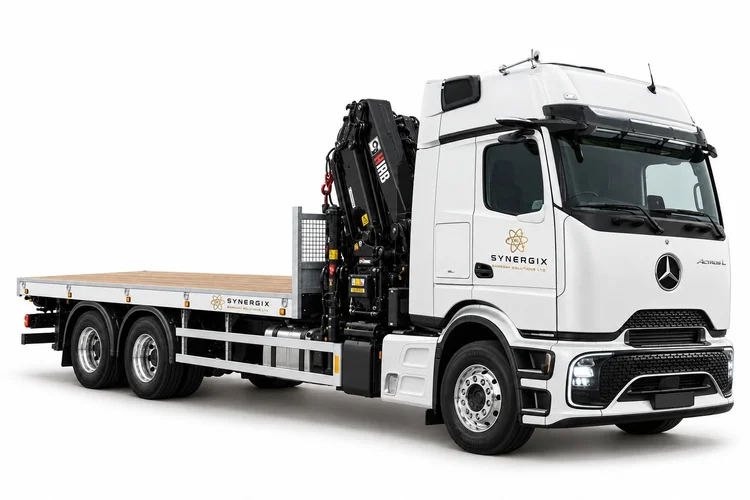
HIAB crane lorry
Vehicle-mounted crane handling, assessed against load weight and lifting reach.
View the vehicle guide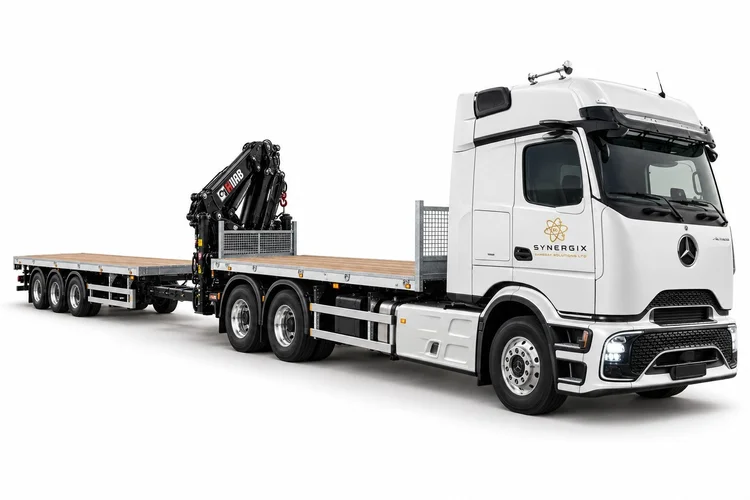
Wagon and drag
A rigid with a drawbar trailer. Check the complete combination and site access.
View the vehicle guide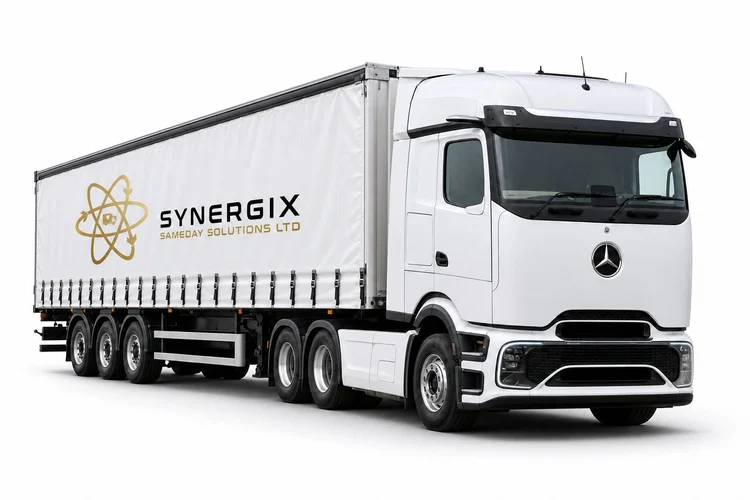
Artic curtainsider
Side-loading access for suitable freight, with a checked restraint plan.
View the vehicle guide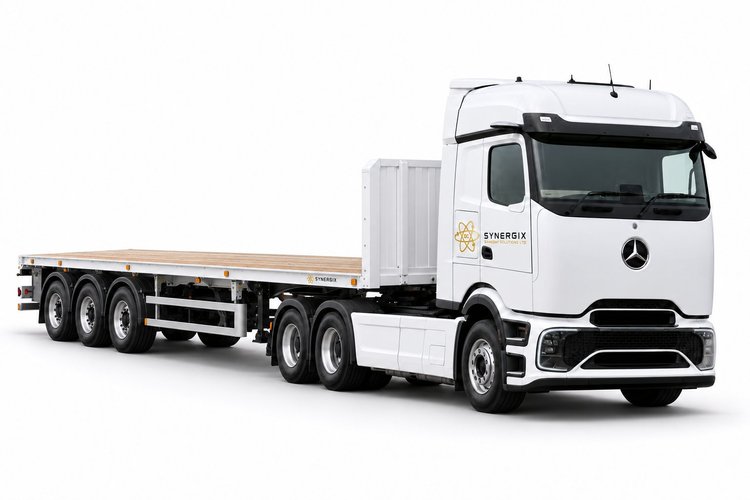
Artic flatbed
Open-deck loading for suitable long or awkward freight, with weather protection agreed.
View the vehicle guide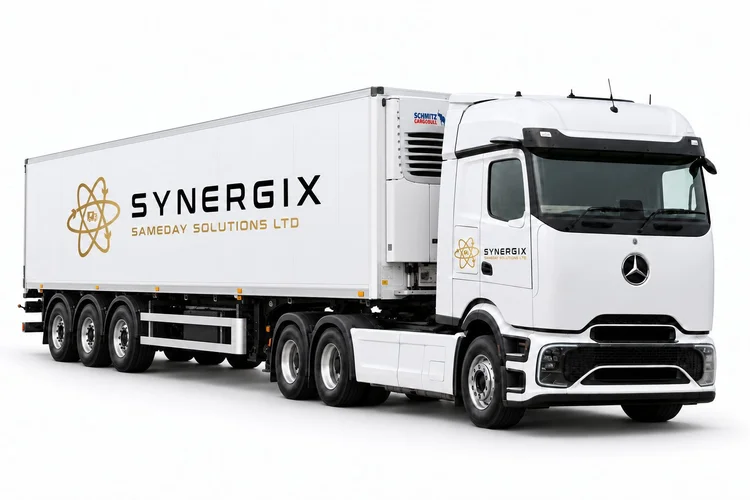
Refrigerated artic
Temperature-controlled freight, with the product and temperature requirements agreed.
View the vehicle guide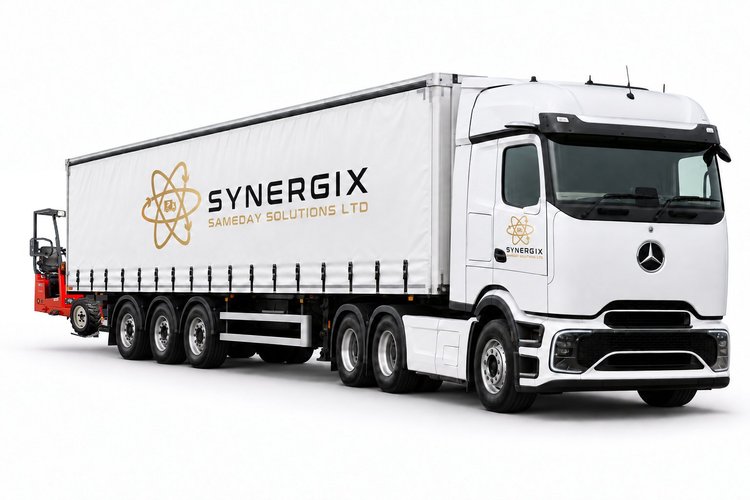
Artic with MOFFETT
Trailer freight with a mounted-forklift option and a suitable unloading area.
View the vehicle guide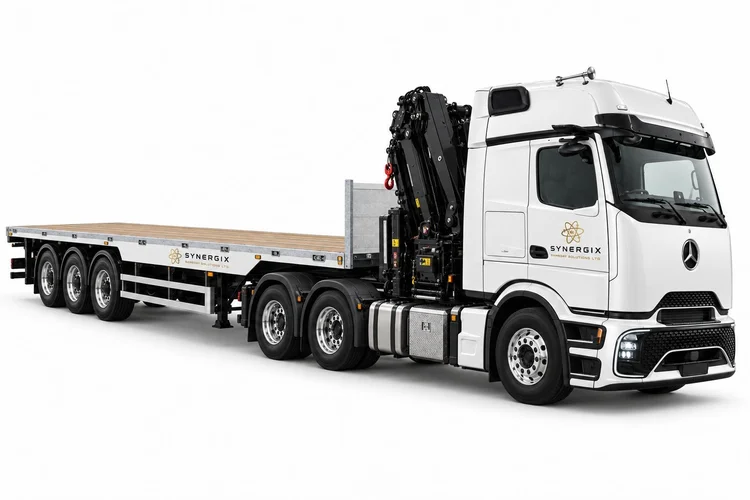
Artic with HIAB
An articulated combination with crane handling assessed for the specific lift.
View the vehicle guide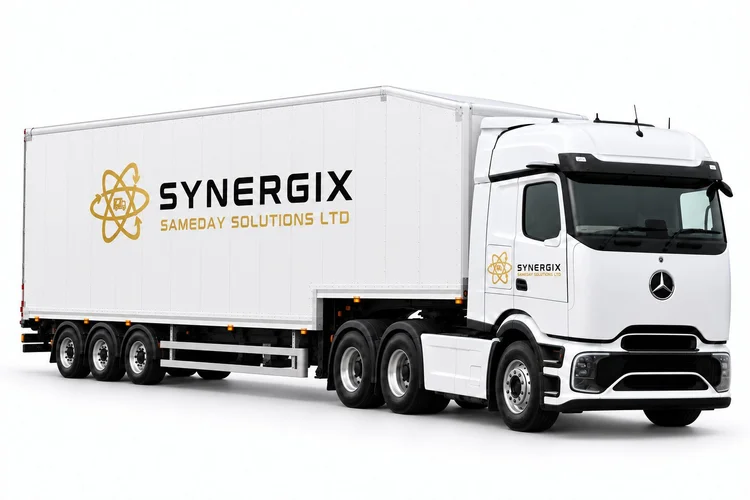
Double-deck box
Volume-focused loading across two decks. Confirm deck heights and weight limits.
View the vehicle guide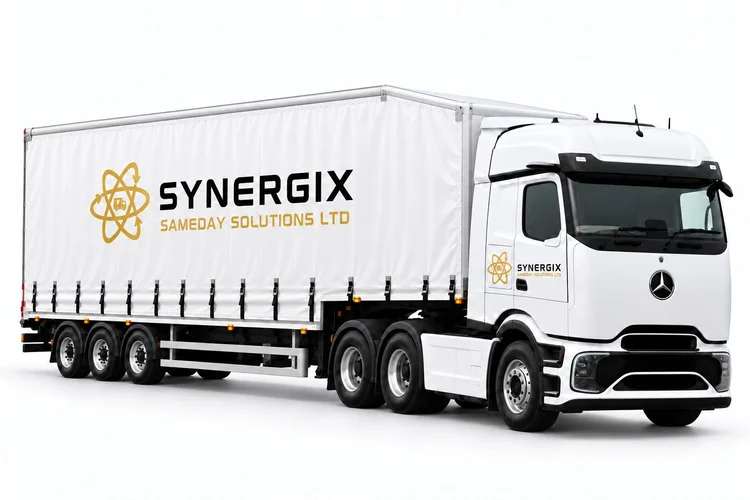
Double-deck curtainsider
Two-deck curtainsider arrangements, with loading access and deck limits checked.
View the vehicle guide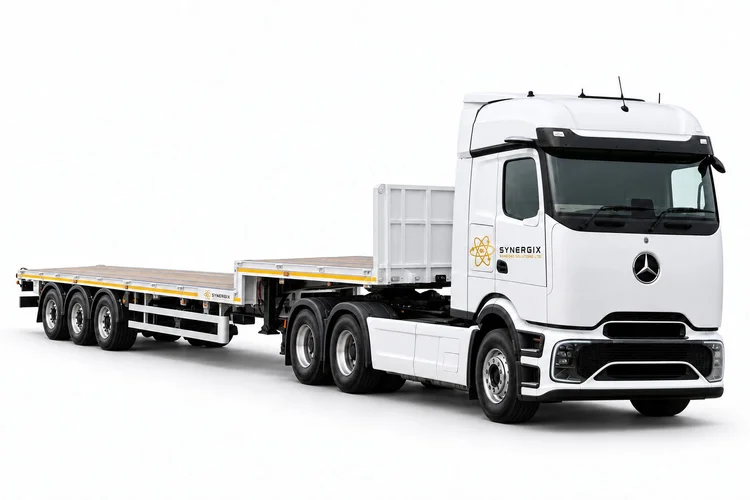
Step-frame trailer
Different deck levels for suitable freight. Check each usable loading area.
View the vehicle guide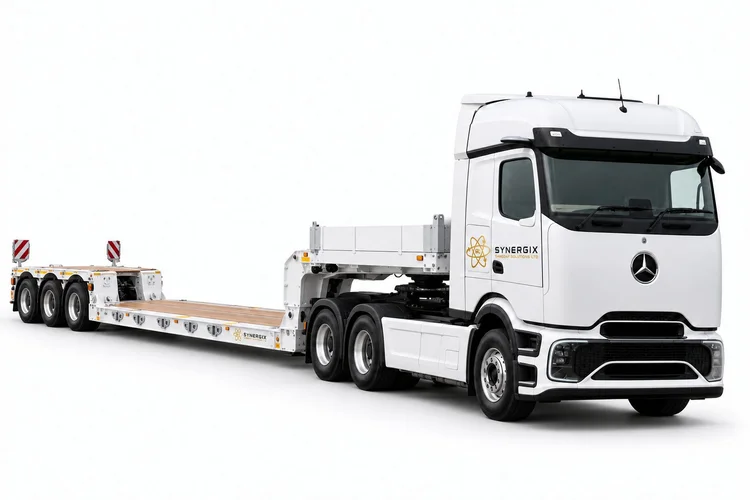
Low loader
A lower deck for suitable plant or machinery, with the complete load assessed.
View the vehicle guide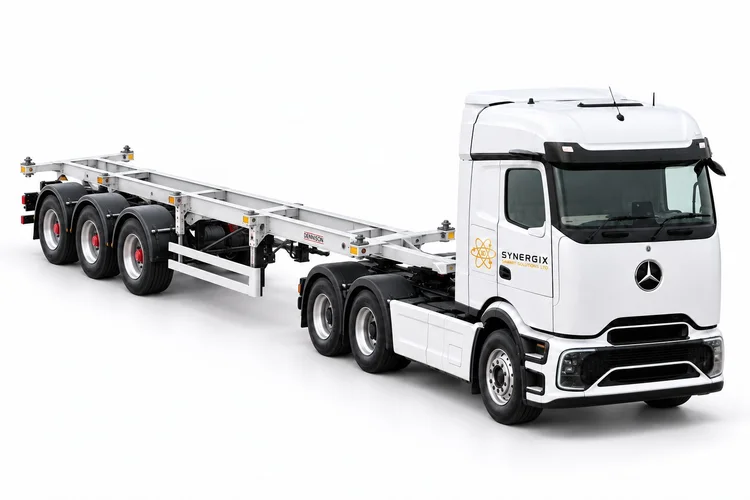
Skeletal container trailer
Container transport using the appropriate chassis and container specification.
View the vehicle guide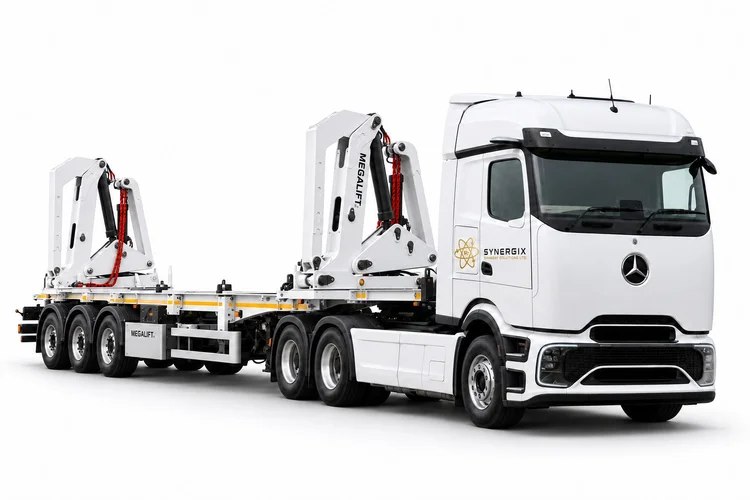
Megalift / side-loader
Container side-lifting arrangements, subject to weight, space and ground checks.
View the vehicle guide
Walking-floor trailer
Moving-floor discharge for suitable bulk freight and a compatible receiving site.
View the vehicle guide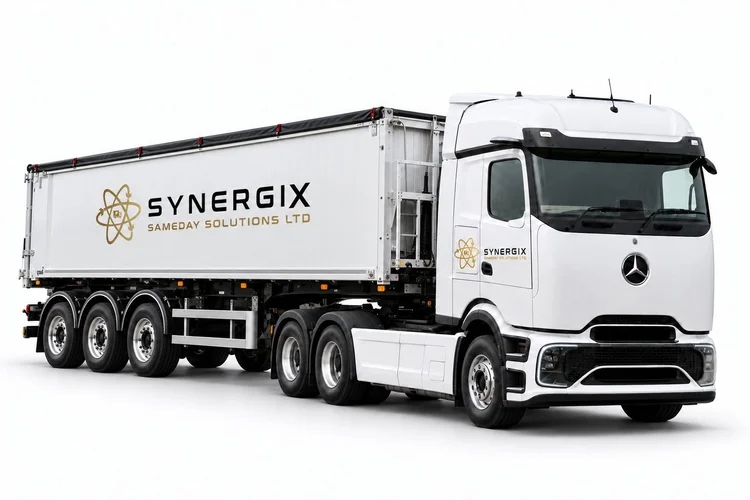
Bulk tipper
Bulk material transport with tipping suitability and a safe discharge area checked.
View the vehicle guide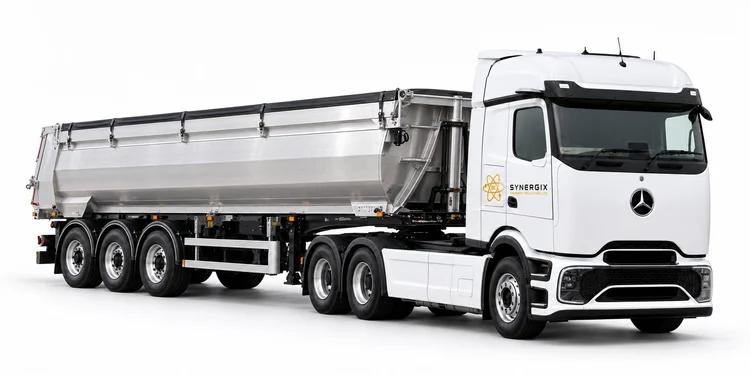
Alloy U-shaped tipper
A specialist tipper body selected for the material and unloading arrangement.
View the vehicle guide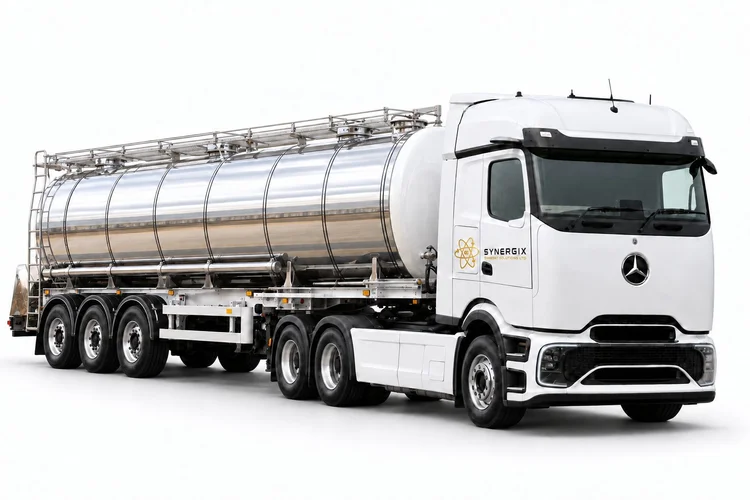
Tanker
Tank transport subject to the product, tank compatibility and receiving requirements.
View the vehicle guideVehicle illustrations show example bodies. We confirm the actual vehicle, usable space, payload and equipment for your booking. Specialist configurations are subject to suitability and availability.
01 / Same-day & dedicated courier
Port of Plymouth courier.
A direct delivery.
If a missing component is holding up production, an event is waiting for its equipment or a customer needs stock today, call with the actual deadline. We arrange dedicated collection and delivery between the agreed points, without a parcel-network sorting hub.
Urgent business consignments
Documents, engineering parts, samples, tools, print, boxed stock and IT equipment can all need a dedicated courier. The smallest suitable vehicle depends on the packaged goods, not the label “parcel”. Send the quantity, dimensions and weights.
A server, delicate prototype or finished component needs packaging that protects it during loading and travel. Tell us if it must stay upright, cannot be stacked or needs a named recipient.
Pallets and bulky items
Courier work can include a suitable pallet or bulky consignment. We check the vehicle aperture, usable space, payload and unloading method. A pallet does not automatically fit a van just because it fits on the floor.
For heavier loads, several pallets or specialised unloading, see the haulage guidance. You can enquire without choosing the lorry first.
How quickly can we collect?
A Port of Plymouth van collection may be possible in around 45 minutes, subject to the address, goods and a suitable available vehicle. Call for an estimate for your actual job. A rigid, artic, refrigerated body or specialist handling arrangement needs its own availability check.
Collection speed is only part of the plan. Tell us when the goods will be released, how long loading will take and the receiver’s latest acceptance time. A marine component may still be awaiting inspection or release while a receiving team has a tight working window. A cargo collection may depend on the responsible operator confirming that the goods can leave. Give the actual ready time, reference and agreed handover. Packing, vehicle positioning, loading and site access affect the road movement, and a ferry sailing or ship arrival alone is not an agreed delivery instruction.
Port of Plymouth collections and onward UK delivery
For an urgent supplier part, documentation or cargo collection, identify the actual organisation and receiving premises. ABP's Millbay docks, Cattewater's commercial wharves and Devonport's naval and engineering sites have different operators and access arrangements. A general Port of Plymouth address does not identify a goods entrance.
Give the order or item reference, packaged dimensions, weight and protection, with a named release and receiving contact. Confirm the actual ready time, appointment and lawful handover point before dispatch. Explain any carrying or onward transfer. Vessel urgency does not establish cargo release, permission to enter a restricted site or delivery onboard.
Updates, proof of delivery and repeat work
Our team remains your contact for the movement. Live tracking and electronic proof of delivery are available; agree any named-recipient, signature, photograph or reference requirements when booking.
We also assess scheduled supplier collections, branch transfers, multi-stop work and repeat courier routes. Phones are answered 24/7/365. The vehicle, crew and access at each end are confirmed for the booking.
02 / General & dedicated haulage
Port of Plymouth haulage.
Planned around the load.
For dedicated pallet transport, heavier engineering freight or a regular trailer movement, Synergix arranges the vehicle and driver around your load, handling and receiving requirements. Options include 7.5t, 18t and 26t rigids, full artics and suitable specialist configurations.
Dedicated pallet transport
Tell us the actual loaded footprint, height, weight and whether the freight can be stacked. A nominal pallet size does not include a crate, machine or packaging that projects beyond it.
We arrange a dedicated vehicle for your palletised goods, with collection, delivery and loading agreed for your job. Our team coordinates the movement and remains your point of contact. Tell us about fragile freight, specific handling or a timed delivery when booking.
Full loads, part loads and repeat work
A full vehicle can support larger consignments, stock transfers, production schedules and loads needing dedicated capacity. Agree the body, floor space, payload and loading order.
Part-load haulage can also be discussed where a suitable arrangement is available. Agree its collection window, delivery plan and handling before booking. For regular work, send your collection frequency, usual volumes, busy periods, site opening hours and return-load requirements.
Choose the body as well as the lorry size
Box and curtainsider
A box body uses its specified door opening and loading arrangement. A curtainsider can allow suitable forklift loading from the side. Check clear aperture, side access and restraint; curtains alone are not a universal load-securing system.
Flatbed, crane and mounted forklift
Long material, machinery or a delivery without a forklift may need a different body or handling method. A HIAB-type crane and MOFFETT-type forklift do different jobs. Supply load weights, lifting points or fork access, required reach and site photographs.
Temperature-controlled loads
Specify the product, required temperature, collection condition, packaging and monitoring or handover records. A refrigeration unit changes the vehicle specification; confirm its actual payload and space.
Articulated and specialist trailers
Curtainsider, box, refrigerated, flatbed and specialist trailer requirements are assessed individually. A long or heavy item needs its full dimensions, weight distribution and loading plan checked. The illustrated range does not establish suitability for every load.
Getting it off matters just as much
Confirm a forklift, loading dock, tail lift or other agreed equipment at both ends. For a tail-lift delivery, we need the individual item weight, footprint, all weight on the platform, permitted handling method, load centre and the surface beyond the lift.
When pallet-truck handling is needed for an individual loaded pallet weighing 800 kg or more, request an electric pump truck. This is Synergix's booking requirement. Lower weights can also need powered handling. A tail lift and pallet truck do not automatically solve gravel, slopes, steps or an unsuitable pallet.
Timed deliveries and urgent haulage
Palletised stock, protected marine parts, crated assemblies and supplier equipment need their actual loaded footprints, individual and total weights and handling assessed. Give the exact dock, wharf, premises and goods entrance, with the appointment and receiving contact. Confirm a forklift, dock or suitable agreed tail lift and pallet truck at both ends. Explain rear or side loading, lifting points, delicate surfaces, stackability and final placement before the vehicle body and equipment are agreed. A port's bulk or maritime handling capability does not identify the equipment for every road consignment.
Urgent rigid or artic capacity can be assessed by our team. It does not carry the van collection estimate. Vehicle positioning, loading time, traffic, site appointments and applicable driver-hours limits determine the plan. UK, Ireland and European freight may also need ferry and goods-document arrangements.
Local work. Different requirements.
Transport shaped
by Port of Plymouth.
Plymouth's waterfront includes ABP's Millbay ferry and cargo activity, Cattewater's separately operated commercial wharves and Devonport naval engineering and production. Inland underwater-systems manufacturing in Estover adds a distinct marine supply context. Each needs its own goods description, receiver and road-handover arrangement, and named organisations are not claims of Synergix customers.
Millbay ferry and cargo operations
Road goods need their own receiving arrangement
ABP identifies Millbay as the Plymouth port for Brittany Ferries' freight and passenger services, alongside other industrial cargo and storage activity. An illustrative road requirement might involve released cargo, packaged stock or supplier equipment for a named operator. Give the exact premises, reference, ready time and agreed receiving position.
Confirm package or pallet counts, loaded dimensions, weights, protection and the loading method. A ferry freight movement requires its own responsible operator and booking arrangements, distinct from an ordinary road handover. Passenger check-in, parking and a sailing time do not establish goods acceptance, cargo release or permission to board.
Cattewater commercial wharves
Use the terminal and cargo operator
Cattewater Harbour Commissioners identify separate commercial facilities including Victoria Wharf and Cattedown Wharves. Their information describes dry bulk, liquid bulk and project-cargo activity, with different terminal operators. A separate supplier enquiry might concern packaged equipment, tools or protected components for an identified wharf business.
Give the actual terminal, business and order or cargo reference, with a named receiver and acceptance time. Explain the package, weights, protection and unloading requirements. A harbour-office address is not a goods door, and the terminal's bulk-handling activity does not automatically include tanker, tipper or specialist cargo carriage within an ordinary road booking.
Devonport defence engineering and production
Confirm the exact supplier handover
Babcock's current Plymouth information identifies Devonport maintenance and refit work on Royal Navy frigates and submarines. It also identifies Jackal 3 Army vehicle production in partnership with Supacat. These are specific local activities, with maintenance, refit and vehicle assembly kept distinct from constructing new submarines or other group shipbuilding elsewhere.
For an illustrative ordinary component or tooling delivery, give the job reference, packaged dimensions, weight, protection and agreed receiver. Confirm the actual goods point and current access arrangements before dispatch. A defence destination does not establish Synergix clearance, approval to carry regulated contents or permission to enter a naval or controlled engineering area.
Underwater-systems manufacture in Estover
A separate inland engineering destination
MSubs' current information describes the design, manufacture and support of crewed and uncrewed underwater platforms for defence, scientific and commercial purposes. Its contact premises are on Sisna Park Road, Estover. This is a separate inland supplier address, rather than a Millbay, Cattewater or Devonport goods entrance.
An illustrative road movement might involve a protected component, packaged assembly or engineering tool with the exact reference supplied. Describe orientation, fragile surfaces, protrusions, packing and lifting points. Identify batteries, gases, hazardous materials or regulated contents explicitly for assessment, and confirm suitable loading and receiving rather than assuming every marine product can be accepted.
Local sector context: ABP's Millbay port and cargo context and Cattewater's distinct commercial port facilities and Babcock's current Devonport engineering and production and MSubs' manufacturing and Estover premises. Named organisations provide local context, not claims of Synergix customers.
↑ Back to guide menuThe last mile matters
Routes, loading
& site access.
Confirm Millbay, the particular Cattewater wharf, Devonport or a separate inland business before planning the approach. The A38 connects Plymouth to the M5 at Exeter, but the final goods entrance and vehicle route depend on the receiver. Maritime harbour limits, passenger facilities and road goods-access arrangements are different matters.
Choose the correct port area and premises
Give the operator, terminal, wharf, building or business and agreed goods entrance. ABP's Millbay port, Cattewater's Victoria and Cattedown facilities and the Devonport naval and engineering sites are separate receiving locations. A harbour-office or passenger-terminal postcode is not a universal cargo address.
Ask the recipient for current goods-vehicle approach instructions, appointment and a lawful waiting or unloading position. Plan the complete A38 connection and final city or industrial approach for the selected vehicle. Keep an Estover, Plympton or Langage supplier collection distinct from a waterfront appointment when assessing the full movement.
Cargo release and ferry-related timing
Have the responsible cargo owner, terminal or agent confirm what is ready to leave and when it can be collected. Provide the reference, package details and named release contact. For any ferry-related request, identify who holds the sea booking and who confirms the current acceptance, check-in and documentary arrangements.
Agree the road handover and next receiver's latest acceptance time separately. Brittany Ferries publishes its own freight booking and vehicle-shipment requirements, including securing arrangements for units carried by sea. A ferry reservation, passenger check-in instruction or expected vessel arrival does not automatically include a Synergix sea movement, customs clearance or cargo-release confirmation.
Controlled sites and agreed access
For a naval, defence-engineering or terminal delivery, the recipient must confirm the exact receiving point and current access requirements before dispatch. Provide the job or order reference, driver and vehicle information requested for the movement and a named contact. A public open day, general visitor address or harbour booking is not a goods-delivery permission.
Clarify where the road handover ends and who is responsible for any later transfer inside a site or to a vessel. Describe installation or other work separately from releasing goods. A road booking does not establish a port pass, military clearance, contractor approval or authority to enter every working area.
Loading space and practical final placement
Confirm a suitable forklift, dock or agreed tail lift and pallet truck for the actual package and receiving surface. Give individual weights, loaded footprints, lifting points and rear or side-loading needs. Published berth, crane or storage capability does not reserve equipment for your consignment or establish the road vehicle's unloading position.
Explain carrying distances, steps, narrow doors, overhead obstructions, quay-edge constraints and final placement. Agree any two-person handling, crane unloading or unusual equipment separately. Follow current signs and recipient instructions for waiting and movement, keeping roads, gates and working areas clear rather than using passenger parking or a quay as an assumed staging area.
Confirm the last few metres
Describe the ground, slope, kerb, steps, loading bay and final placement. Photos help with a narrow yard or awkward entrance. A tail lift lowers goods; it does not move a pallet over gravel, up steps or through a doorway.
Port of Plymouth and surrounding areas
Where is your
collection?
We assess collections and deliveries across Port of Plymouth and the surrounding area, with onward UK transport. These groups help describe the job. They are coverage areas, not Synergix branch locations or fixed service boundaries.
Millbay receiving points
Agreed ABP Millbay cargo, warehouse and supplier handovers and separately confirmed ferry-related road receiving arrangements.
Identify the actual organisation, reference, release or acceptance time and goods entrance. Passenger parking and sea-booking arrangements do not establish an ordinary goods handover or permission to board.
Cattewater and Devonport destinations
Agreed Victoria Wharf, Cattedown and other named commercial receivers, with Devonport supplier and engineering handovers assessed under their own site arrangements.
Separate operators and naval or controlled sites have their own receiving rules. A maritime harbour area is not a single road gate, warehouse or universal access permission.
Marine suppliers and onward roads
Estover, Plympton, Langage, other Plymouth-area premises and onward UK collections and deliveries assessed from the complete addresses.
MSubs' Estover premises are inland and separate from the waterfront. Confirm the business, unit, final approach, packaged goods and handling. These are coverage examples, not Synergix branches.
A useful enquiry. A clearer quote.
Tell us the job.
We will help plan it.
- The two addressesCollection and delivery postcodes, company/unit names, goods entrances and a contact at each end.
- What needs movingGoods description, item or pallet count, packaged dimensions, total and individual weights, stackability and photographs where useful.
- When it is readyDate, ready time, latest arrival, goods-in closing time and any booked slot or reference. Identify fixed deadlines.
- How it will be handledForklift, dock, tail lift, pallet truck, crane or crew at both ends. Include surface, aperture and vehicle-access limits.
- Any special requirementFragile finish, temperature, regulated goods, multiple stops, returnable packaging, returns or agreed final placement.
- Updates and repeat workYour preferred contact, delivery evidence and, for regular transport, frequency, expected volumes and seasonal peaks.
What affects the price?
Vehicle positioning, loaded distance, vehicle/body type and time at collection and delivery all contribute. Waiting, additional stops, handling equipment, extra labour, route charges and a return journey can alter the quote.
For ferry or European work, route timing and goods-document requirements also matter. We quote the actual movement; there is no single Port of Plymouth mileage price that fits every load.
What happens if something changes?
Tell us promptly about an extra pallet, heavier item, delayed release, changed entrance or missed slot. We can reassess the vehicle, deadline and cost before an unsuitable arrangement causes a problem.
An enquiry is the start of the conversation. Vehicle allocation, timing, handling and price are confirmed for the booking.
Explore the area
Road transport
for Plymouth's port areas.
Port of Plymouth and the surrounding area
This geographic map gives a Plymouth waterfront and wider road overview, including Millbay, Cattewater and Devonport. An ABP Port of Plymouth operator pin identifies one port operator, not a single authority for all these areas, a universal goods entrance or Synergix premises. Give the exact recipient-confirmed receiving point and current approach instructions for the requested road movement. Send both full addresses and the correct goods entrances when enquiring.
This is an area map. It does not mark a Synergix office, establish a fixed service boundary or provide HGV routing. Our team confirms collection, delivery and access for the job.
If Google content is blocked by your privacy choices or connection, the enquiry and contact links remain available.
Map provided by Google. Confirm the actual collection and receiving instructions separately.
Before you book
Port of Plymouth transport
questions answered.
Courier, timing and delivery
How quickly can you collect in Port of Plymouth?
A van collection may be possible in around 45 minutes, subject to the exact address, goods and a suitable available vehicle. Call with the ready time and delivery deadline for an estimate. Lorries, refrigerated bodies and specialist equipment need their own positioning and availability check.
Can you deliver from Port of Plymouth to another part of the UK on the same day?
It may be possible, depending on when the goods are released, loading time, vehicle position, distance, road conditions and the receiver’s latest acceptance time. Give us both addresses and the actual deadline. We assess the complete job before agreeing the delivery plan.
What can a dedicated courier carry?
Courier work can include documents, parts, samples, print, IT equipment, technical cases, boxed stock and suitable bulky or palletised goods. Give the packaged dimensions, quantities and individual weights so we can assess the vehicle, loading and receiving arrangements.
Will a dedicated courier load stay on the same vehicle?
It normally stays on the same vehicle between the agreed collection and delivery points, without a parcel-network sorting hub. Tell us about extra stops, returns or unusual route requirements so the arrangement is clear before booking.
Can I call at night or at the weekend?
Yes. Our phones are answered 24/7/365. Call to discuss the load and confirm a suitable vehicle and plan. Someone must be available to release the goods and accept them at the agreed times.
How will I receive delivery updates and proof of delivery?
Live tracking and electronic proof of delivery are available. Agree the updates and evidence you need when booking, including a named recipient, signature, photograph or delivery reference.
Haulage, vehicles and unloading
Do I need a courier or a haulage arrangement?
Start with the goods and deadline. An urgent part, technical case or suitable pallet may need a courier. Heavier freight, larger volumes, specialist bodies or repeat loads may need haulage. Send the load and site details and we will help you choose.
Can you arrange dedicated pallet transport in Port of Plymouth?
Yes, we assess dedicated pallet movements with collection, delivery and a suitable vehicle agreed for the job. Send the loaded footprint, height, individual weights, quantity, stackability and loading at both ends. Synergix does not offer pallet-network services.
Can you discuss full loads, part loads and regular deliveries?
Yes. Full loads, regular haulage and supported part-load arrangements can be discussed. Agree the body, loading, collection window and delivery plan. Part-load availability is assessed individually; it is not a pallet-network product.
How do I choose a van or lorry, and can LoadCheck help?
Measure each item as it will travel, including packaging, the pallet and overhang. Enter packaged dimensions, weights and quantities into LoadCheck for an initial size estimate. Our team confirms actual fit, usable payload, apertures, restraint, equipment, access and availability.
What if the delivery site has no forklift?
Tell us before booking. A suitable tail lift, mounted forklift, crane or agreed crew may be an option, depending on the goods and site. Send item weights, dimensions, fork access or lifting points, ground conditions and final placement. These handling methods solve different problems and must be agreed.
When must I request an electric pump truck?
Under Synergix’s booking rule, request an electric pump truck when pallet-truck handling is needed for an individual loaded pallet weighing 800 kg or more. Lighter pallets may also need powered handling. Platform load, footprint, ground and the actual equipment still need checking.
Can you assess a crane or mounted-forklift delivery?
Yes. Send the precise goods, individual weights, dimensions, lifting points or fork access, required placement and photographs of the unloading area. Crane reach and support conditions differ from forklift access. Suitability, equipment and availability are confirmed for the job.
Can you arrange refrigerated transport or event refrigeration?
We can assess both, with the product, required temperature and handover agreed. Refrigerated transport moves goods under an agreed temperature arrangement. Stationary event refrigeration provides storage at a venue. Tell us which you need, the duration, access and any power requirement.
Port of Plymouth access and local handovers
Which Plymouth port address should I give for a delivery?
Give the actual organisation, port area, wharf or premises, goods entrance and named receiver. Millbay, Cattewater's commercial wharves and Devonport are different destinations with their own arrangements. Confirm the current vehicle approach, appointment and lawful handover position. A harbour office or passenger-terminal postcode does not identify every goods receiver.
How quickly can you arrange an urgent Plymouth port courier?
Send the complete addresses, packaged goods, actual ready time, required deadline and named receiver. We assess vehicle availability, positioning, loading and the agreed handover before confirming timings. A part awaiting release or an incomplete receiving arrangement can change the plan. Call for an urgent request so the full road movement can be checked.
Can you assess components or tools for a Devonport receiver?
Yes. Give the job or order reference, packaged dimensions, weight, protection and exact receiving team. Confirm suitable handling and the recipient's current goods-access arrangements before dispatch. Identify regulated or hazardous contents explicitly for assessment. The destination's defence activity does not itself establish Synergix clearance, product acceptance or entry permission.
Does a Millbay road-delivery quote include the ferry crossing or customs clearance?
The movement must specify the road collection and agreed receiving handover. Ferry carriage, customs arrangements, cargo release and any later internal or ship-side transfer need their own responsible operator or agent. Explain the onward arrangement when enquiring so timing and responsibilities can be assessed. A port destination or sailing time does not automatically include those services or permissions.
What do you need for palletised equipment at a Cattewater wharf?
Give the actual terminal and business, reference, loaded dimensions, individual and total weights, protection and final placement. Confirm a suitable forklift, dock or agreed tail lift and pallet truck with firm operating space at both ends. Explain rear or side loading and the receiving window. A terminal's bulk or heavy-lift capability does not reserve equipment or make every goods position suitable.
Is an Estover underwater-engineering collection a port collection?
Give the business's actual premises and unit, release reference and named contact. Estover is an inland receiving area, separate from Millbay, Cattewater and Devonport. Supply the package dimensions, weights, protection, orientation and handling, and state batteries, gases or regulated contents explicitly. A marine product does not make its address a quay or establish acceptance of every item.
Price, booking and changes
What affects the price of a Port of Plymouth courier or haulage job?
Vehicle positioning, route distance, body type, deadline, waiting, loading, extra stops, handling equipment and additional labour affect the quote. Send accurate goods and site details. We price the actual arrangement rather than applying one mileage rate to every load.
How do I book, and what happens if the job changes?
Request a quote or call with both addresses, packaged dimensions, individual and total weights, quantities, ready time, deadline, contacts and handling at both ends. We confirm the vehicle, plan and price for the booking. Tell us promptly about added goods, delayed release or a changed slot so we can reassess.
Can you discuss warehousing, retail distribution or two-person delivery?
Yes. Send the usual route, frequency, volumes, receiving windows and seasonal peaks. Warehousing, cross-docking, retail distribution and agreed two-person handling can be considered within a wider arrangement. Storage location, handling scope, availability and commercial terms are agreed separately.
One urgent delivery or a regular route
What needs moving
in Port of Plymouth?
Send the two postcodes, load details and deadline. Our team will help you choose the service, vehicle and loading arrangements.