
Keep reserve stock out of the store.
Retail storage and stock holding
Secure retail stock storage in our Northampton warehouse for suitable reserve, seasonal, promotional and rollout goods. Incoming stock units receive individual labels or barcodes and assigned locations in our warehouse management system (WMS). Agree space, duration and managed releases around your stores or project. Replenishment transport is available without a compulsory bundle.
Protect store spaceHold suitable reserve stock off site.
Stock identifiedIndividual warehouse labels or barcodes.
Release when neededManaged collections and staged releases.
Transport if usefulSuitable replenishment support.
What Synergix provides
Reserve stock held securely, with a clear route back out.
Keep suitable packaged retail goods in managed warehouse storage while your shop, promotion or project becomes ready. We receive and identify the booked stock, hold it in assigned warehouse locations and release the authorised quantities when instructed. Agree how long it should stay, what needs to remain distinguishable and how often goods will be accessed. Item picking, preparation and store delivery are additional scopes, not conditions of buying storage.
The details which change the job
Types of stock and storage needs.
The practical guide below explains the details for each requirement.
- Store replenishment reserves
- Seasonal and promotional inventory
- Openings, refits and rollouts
- Stock awaiting a decision
Retailers and growing store operations
Use reserve stockholding when back-of-house space is better used for the day-to-day shop. Hold suitable packaged products for later collection or replenishment. Product codes and release quantities matter more than a broad instruction to send more stock.
Seasonal and promotional programmes
Hold suitable peak-season or campaign goods ahead of the trading period. Identify versions, launch restrictions, expected peak space and the drawdown plan. Agree a review point if dates or forecasts change, rather than assume the original space reservation will cover any volume.
Openings, refits and rollouts
Store suitable retail fixtures, display components and stock while sites or phases become ready. Keep store/project references and complete sets clear. A booked storage release can connect to transport or preparation, but does not automatically include installation or merchandising.
The wider Synergix fleet
All vehicles. The right equipment for your job.
Our wider fleet supports different transport and unloading requirements. This overview is not a promise that every configuration performs this service. We match the actual vehicle, body, usable capacity and equipment to the load and receiving site.
39 vehicle options. Browse horizontally or open the stationary guide.
Small van
1.2 × 1 × 1 m
Up to 400 kg
A practical starting point for urgent parts, documents, samples and compact business deliveries.
Standard body guide; actual vehicle checked.
View vehicle guide: Small van
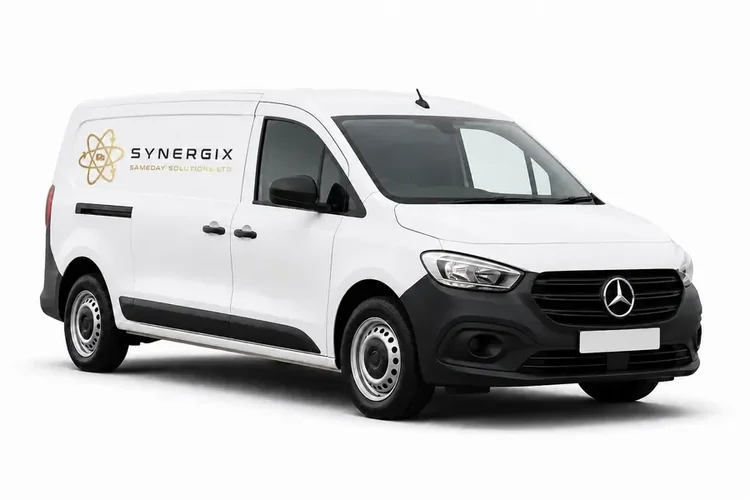
SWB van
2.4 × 1.2 × 1.2 m
Up to 800 kg
Useful for stock, tools and smaller pallet loads that need more room than a small van.
Standard body guide; actual vehicle checked.
View vehicle guide: Short wheelbase van
LWB van
3.6 × 1.2 × 1.8 m
Up to 1,250 kg
More floor length for equipment, boxed stock, signage and longer items on dedicated courier work.
Standard body guide; actual vehicle checked.
View vehicle guide: Long wheelbase van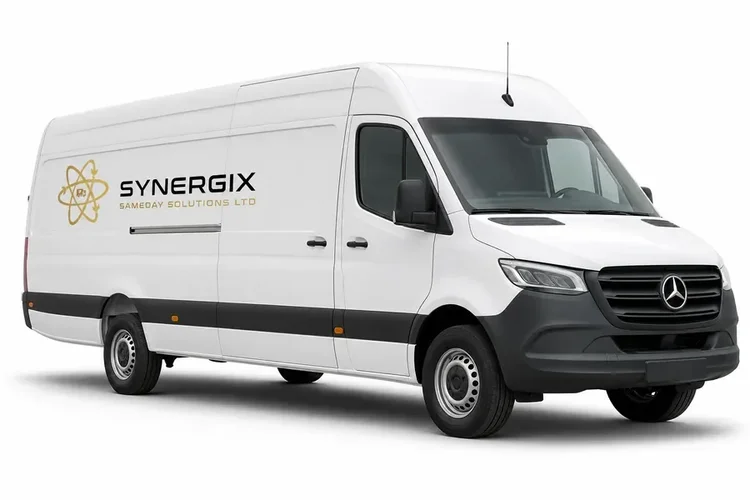
XLWB van
4.2 × 1.2 × 1.8 m
Up to 1,100 kg
Extra length for bulky, lighter consignments and long items that need an enclosed vehicle.
Standard body guide; actual vehicle checked.
View vehicle guide: Extra long wheelbase van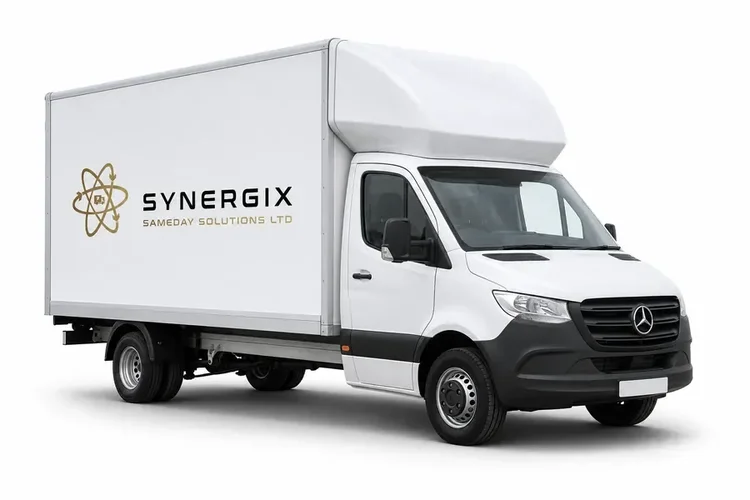
Luton van
4 × 2 × 2 m
Up to 1,100 kg
A wider box-shaped load area for bulky stock, furniture and light palletised deliveries.
900 kg with a tail lift; conversion checked.
View vehicle guide: Luton van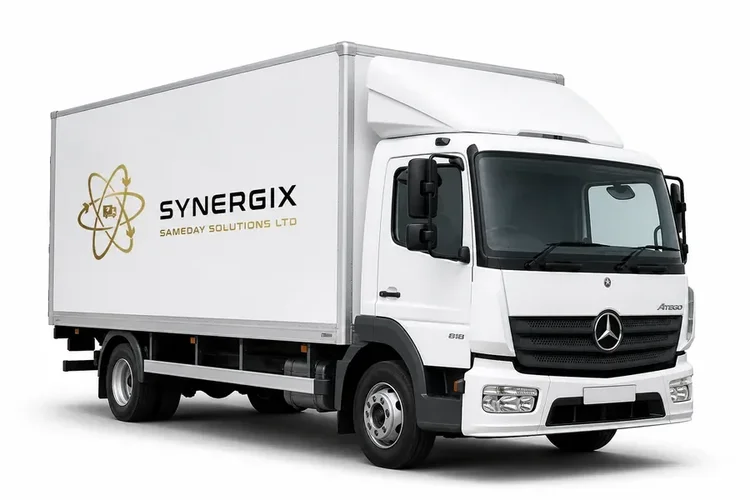
7.5 tonne lorry
6 × 2.2–2.4 × 2–2.445 m
Up to 2,400 kg
A step up from vans for pallet deliveries, retail stock and bulky goods requiring a rigid lorry.
Standard body guide; actual vehicle checked.
View vehicle guide: 7.5 tonne lorry
18 tonne lorry
7.5 × 2.4 × 2.5 m
Up to 9,000 kg
A larger rigid for regular distribution, industrial goods and heavier pallet loads.
Standard body guide; actual vehicle checked.
View vehicle guide: 18 tonne lorry
26 tonne lorry
8 × 2.5 × 2.6 m
Up to 15,000 kg
A higher-capacity rigid option for substantial pallet, building-material and distribution loads.
Standard body guide; actual vehicle checked.
View vehicle guide: 26 tonne lorry
13.6m artic
13.6 × 2.5 × 2.6 m
Up to 26,000 kg
Full and part loads, regular trunking and larger consignments. Choose the trailer around the goods and unloading method.
Standard body guide; actual vehicle checked.
View vehicle guide: 13.6m articulated lorry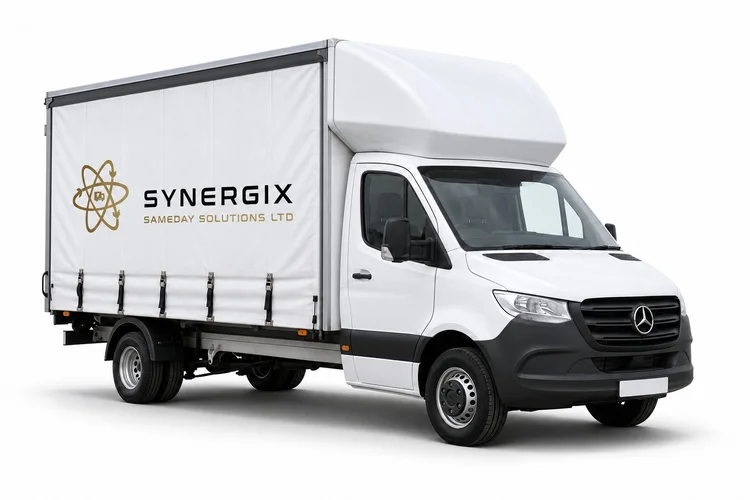
Luton curtainsider
Actual body specification confirmed
Load-specific capacity
Side loading needs a suitable opening, securing system and safe forklift access. Confirm the actual body space and payload.
Actual body, equipment and working payload checked.
View vehicle guide: Luton curtainsider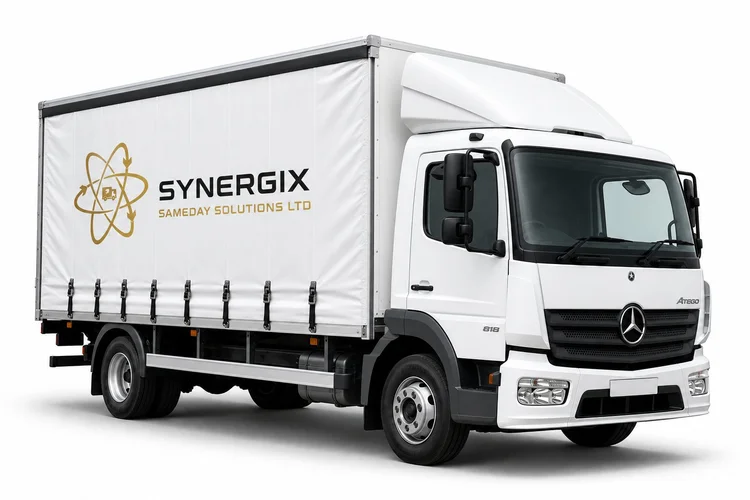
7.5t curtainsider
Actual body specification confirmed
Load-specific capacity
Side loading needs a suitable opening, securing system and safe forklift access. Confirm the actual body space and payload.
Actual body, equipment and working payload checked.
View vehicle guide: 7.5t curtainsider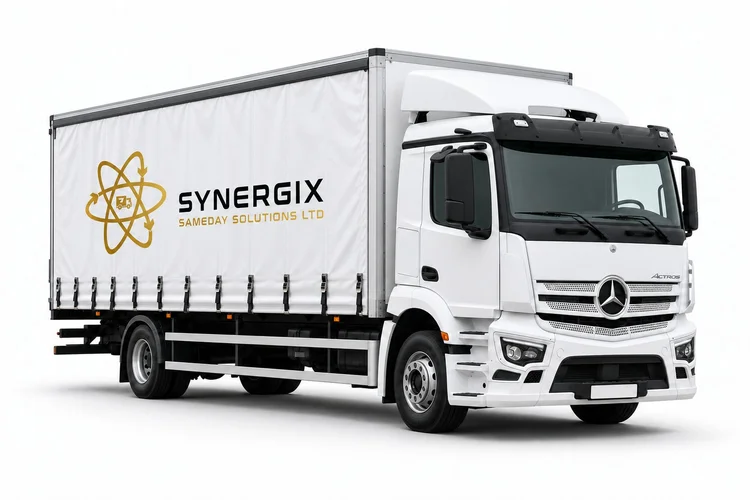
18t curtainsider
Actual body specification confirmed
Load-specific capacity
Side loading needs a suitable opening, securing system and safe forklift access. Confirm the actual body space and payload.
Actual body, equipment and working payload checked.
View vehicle guide: 18t curtainsider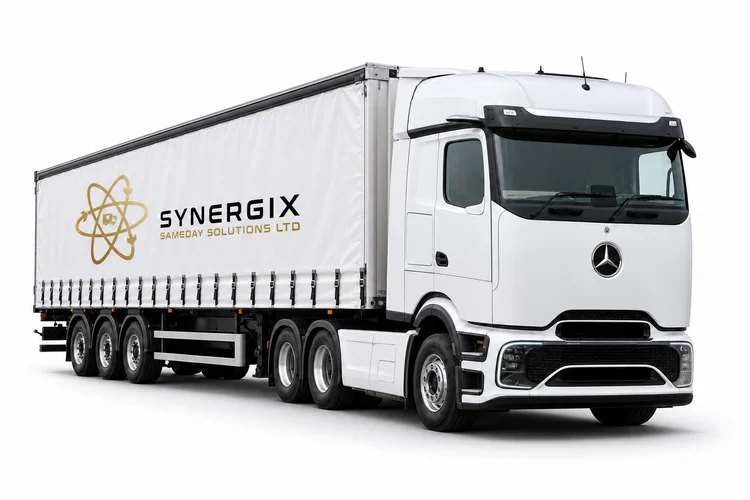
Articulated curtainsider
Actual body specification confirmed
Load-specific capacity
Side loading needs a suitable opening, securing system and safe forklift access. Confirm the actual body space and payload.
Actual body, equipment and working payload checked.
View vehicle guide: Articulated curtainsider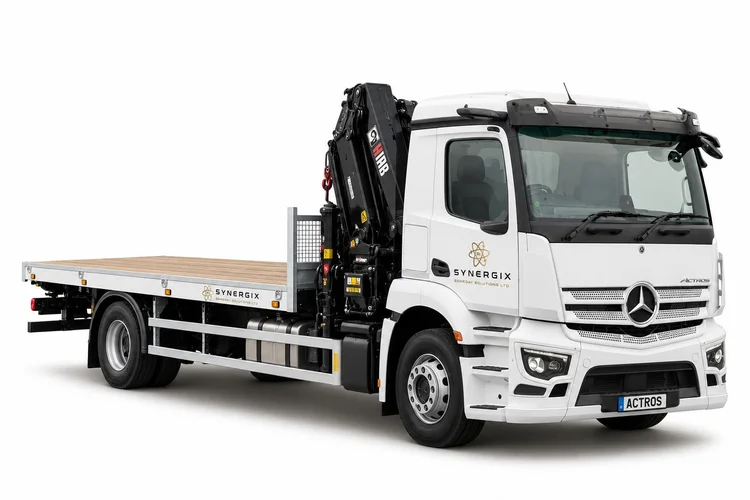
18t flatbed HIAB
Actual body specification confirmed
Load-specific capacity
Check load weight, lifting points, reach, ground, stabiliser space and the actual lift plan. Standard-body payload does not apply.
Actual body, equipment and working payload checked.
View vehicle guide: 18t flatbed HIAB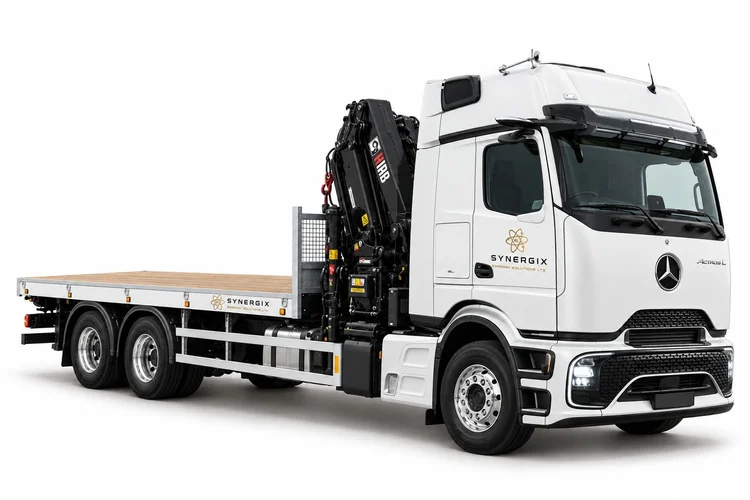
26t flatbed HIAB
Actual body specification confirmed
Load-specific capacity
Check load weight, lifting points, reach, ground, stabiliser space and the actual lift plan. Standard-body payload does not apply.
Actual body, equipment and working payload checked.
View vehicle guide: 26t flatbed HIAB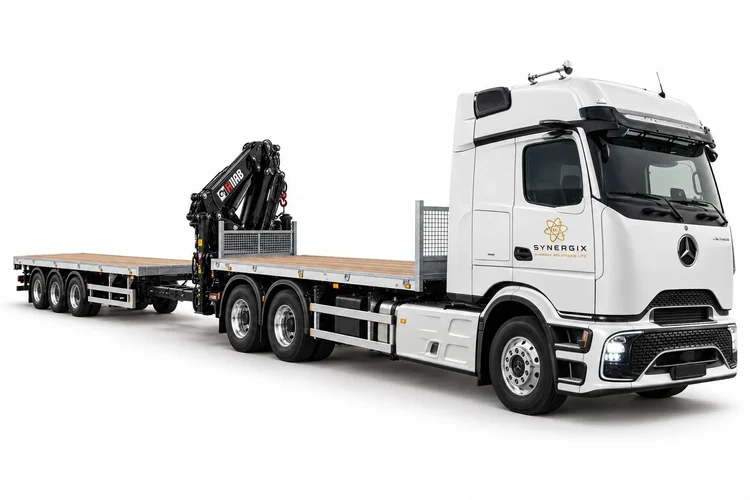
Wagon & drag, rear HIAB
Actual body specification confirmed
Load-specific capacity
Check load weight, lifting points, reach, ground, stabiliser space and the actual lift plan. Standard-body payload does not apply.
Actual body, equipment and working payload checked.
View vehicle guide: Wagon & drag, rear HIAB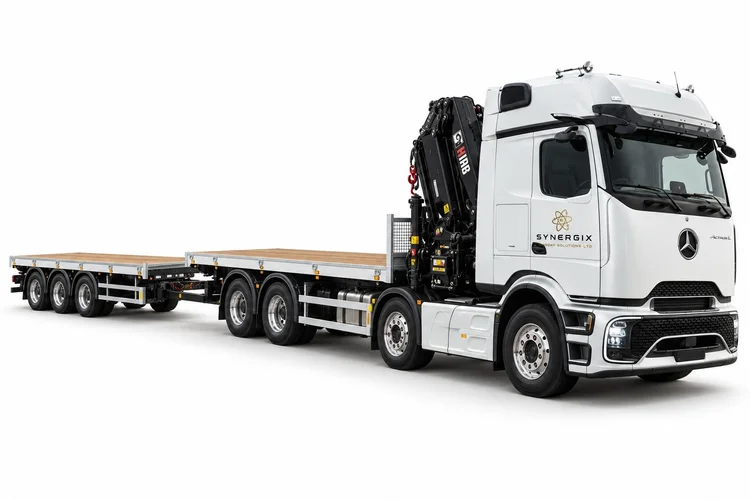
Wagon & drag, front HIAB
Actual body specification confirmed
Load-specific capacity
Check load weight, lifting points, reach, ground, stabiliser space and the actual lift plan. Standard-body payload does not apply.
Actual body, equipment and working payload checked.
View vehicle guide: Wagon & drag, front HIAB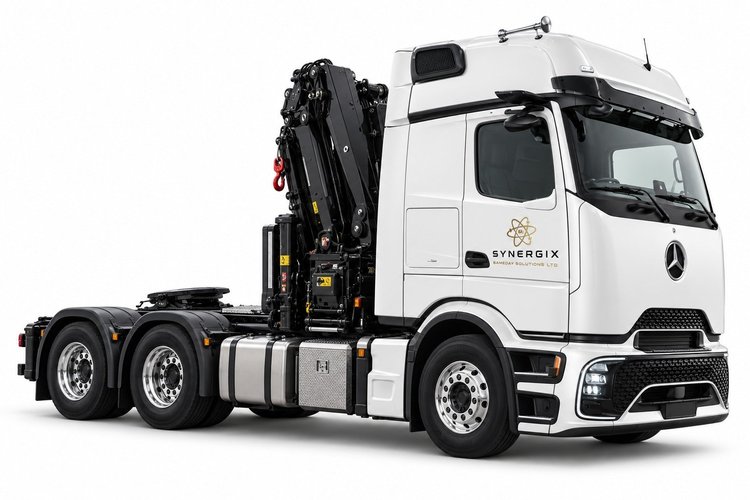
Three-axle HIAB tractor
Actual body specification confirmed
Load-specific capacity
Check load weight, lifting points, reach, ground, stabiliser space and the actual lift plan. Standard-body payload does not apply. Tractor shown without a trailer. Agree the complete combination.
Actual body, equipment and working payload checked.
View vehicle guide: Three-axle HIAB tractor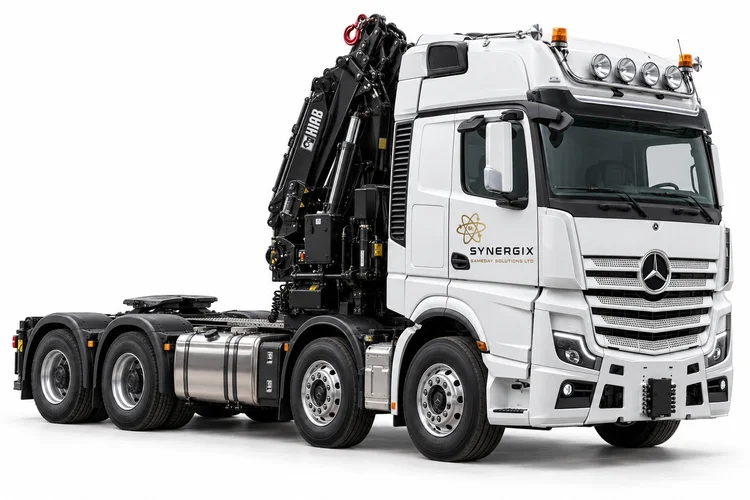
Four-axle heavy HIAB tractor
Actual body specification confirmed
Load-specific capacity
Check load weight, lifting points, reach, ground, stabiliser space and the actual lift plan. Standard-body payload does not apply. Tractor shown without a trailer. Agree the complete combination.
Actual body, equipment and working payload checked.
View vehicle guide: Four-axle heavy HIAB tractor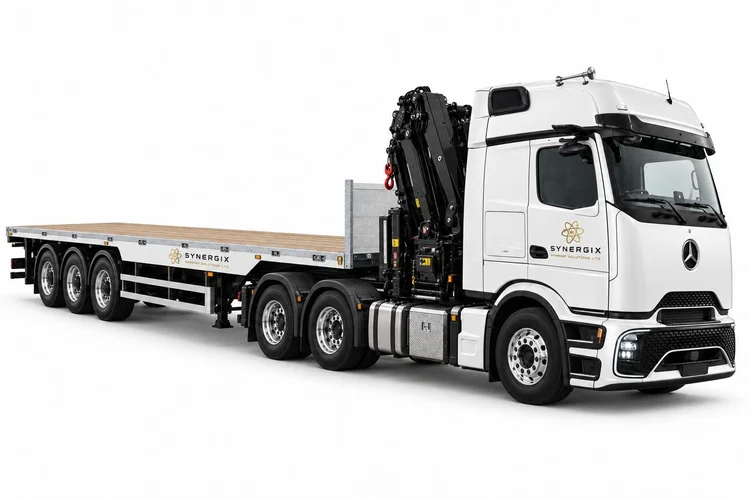
HIAB artic & flatbed
Actual body specification confirmed
Load-specific capacity
Check load weight, lifting points, reach, ground, stabiliser space and the actual lift plan. Standard-body payload does not apply.
Actual body, equipment and working payload checked.
View vehicle guide: HIAB artic & flatbed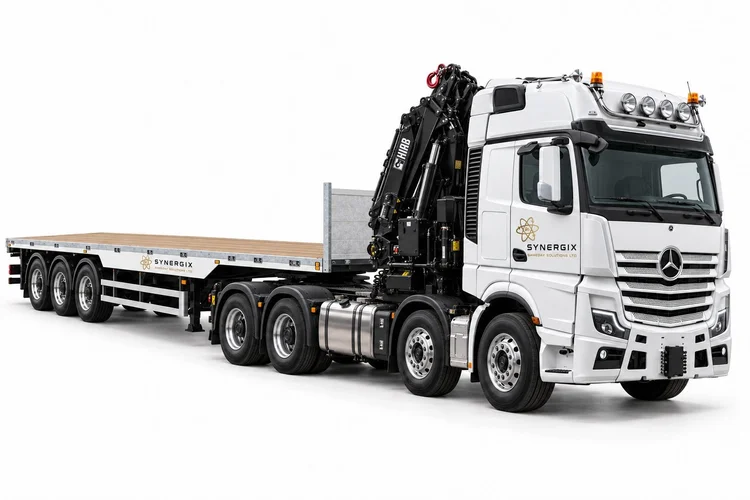
Heavy HIAB artic & flatbed
Actual body specification confirmed
Load-specific capacity
Check load weight, lifting points, reach, ground, stabiliser space and the actual lift plan. Standard-body payload does not apply.
Actual body, equipment and working payload checked.
View vehicle guide: Heavy HIAB artic & flatbed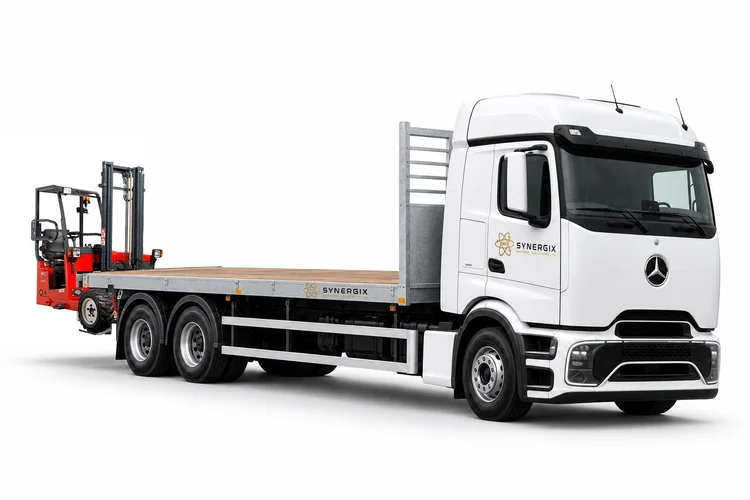
26t flatbed MOFFETT
Actual body specification confirmed
Load-specific capacity
Carried forklift unloading. Check load centre, item weight, fork access, ground, gradients and working space. Fitted equipment reduces payload.
Actual body, equipment and working payload checked.
View vehicle guide: 26t flatbed MOFFETT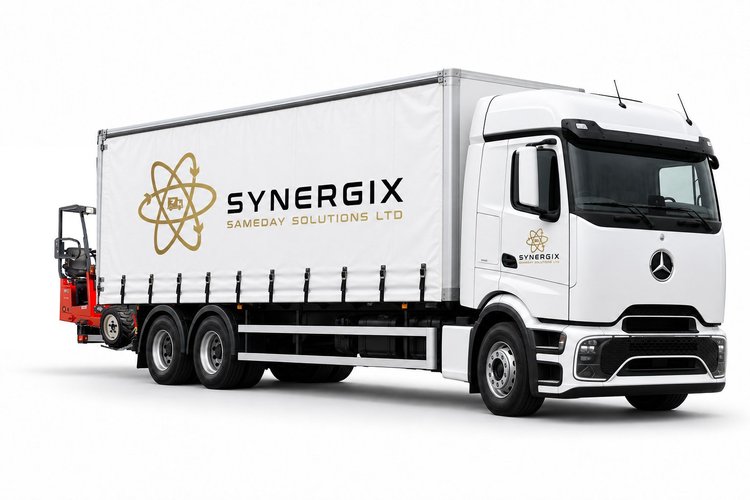
26t curtainsider MOFFETT
Actual body specification confirmed
Load-specific capacity
Carried forklift unloading. Check load centre, item weight, fork access, ground, gradients and working space. Fitted equipment reduces payload.
Actual body, equipment and working payload checked.
View vehicle guide: 26t curtainsider MOFFETT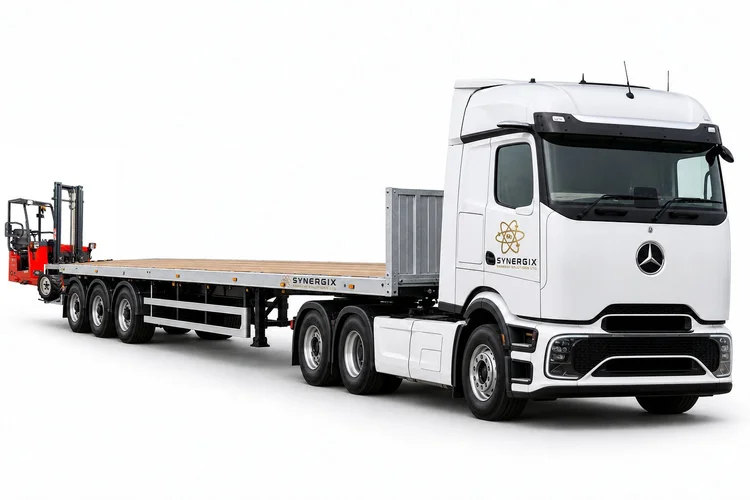
Artic flatbed MOFFETT
Actual body specification confirmed
Load-specific capacity
Carried forklift unloading. Check load centre, item weight, fork access, ground, gradients and working space. Fitted equipment reduces payload.
Actual body, equipment and working payload checked.
View vehicle guide: Artic flatbed MOFFETT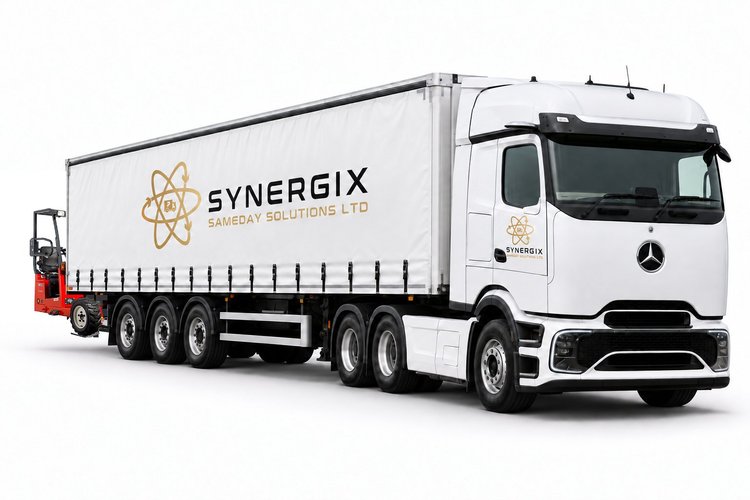
Artic curtainsider MOFFETT
Actual body specification confirmed
Load-specific capacity
Carried forklift unloading. Check load centre, item weight, fork access, ground, gradients and working space. Fitted equipment reduces payload.
Actual body, equipment and working payload checked.
View vehicle guide: Artic curtainsider MOFFETT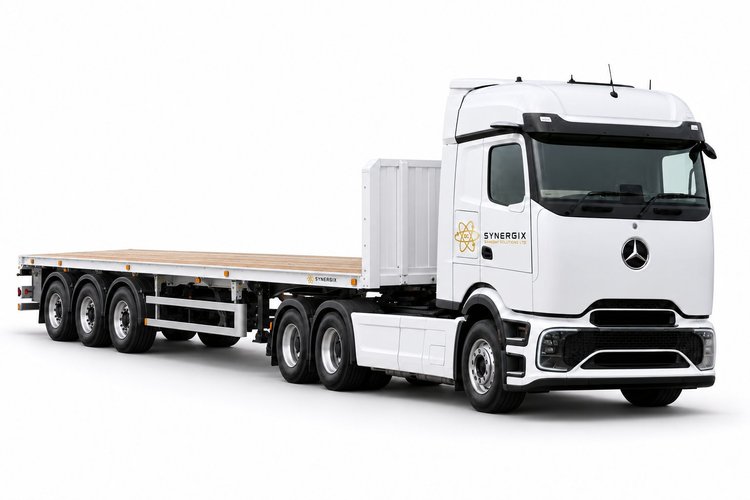
Articulated flatbed
Actual body specification confirmed
Load-specific capacity
Open-deck goods need appropriate weather protection, restraint and loading equipment.
Actual body, equipment and working payload checked.
View vehicle guide: Articulated flatbed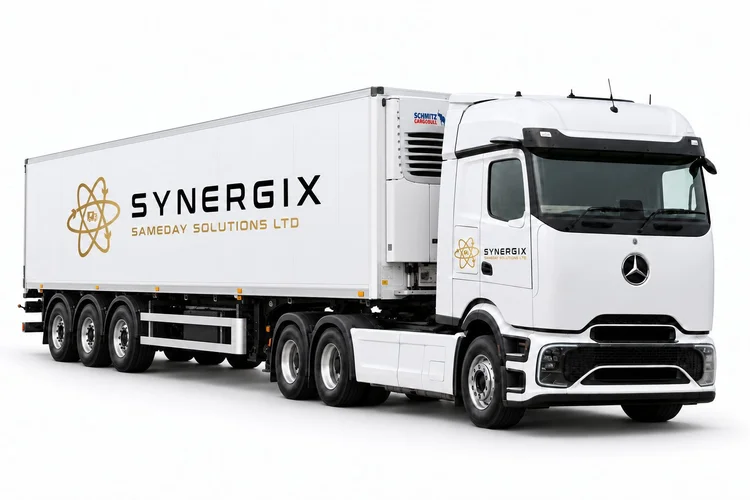
Refrigerated trailer
Actual refrigerated space confirmed
Refrigerated trailer option
Confirm goods, temperature, usable space, payload, power and operating responsibilities. Transport and static hire are separate bookings.
Actual body, equipment and working payload checked.
View vehicle guide: Refrigerated trailer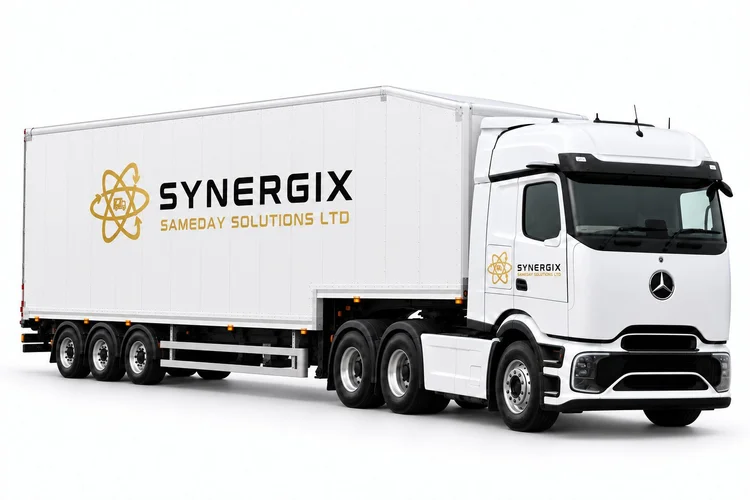
Double-deck box trailer
Actual body specification confirmed
Load-specific capacity
Check both deck heights, individual deck limits, access and the actual loading sequence.
Actual body, equipment and working payload checked.
View vehicle guide: Double-deck box trailer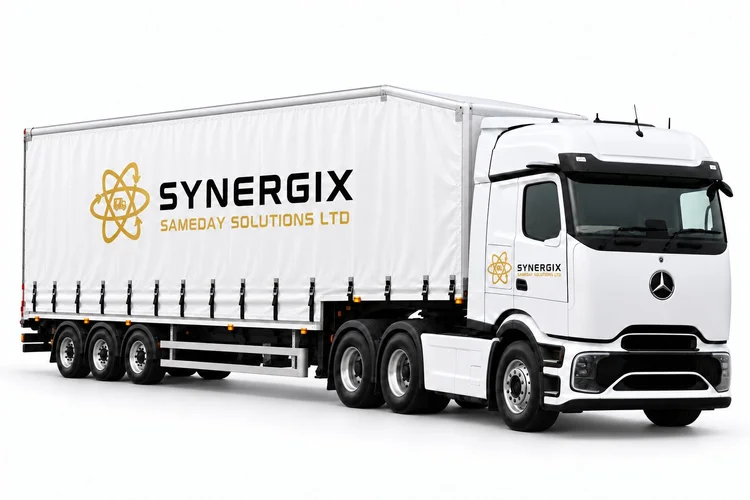
Double-deck curtainsider
Actual body specification confirmed
Load-specific capacity
Confirm deck heights, weight distribution, side access and the securing plan.
Actual body, equipment and working payload checked.
View vehicle guide: Double-deck curtainsider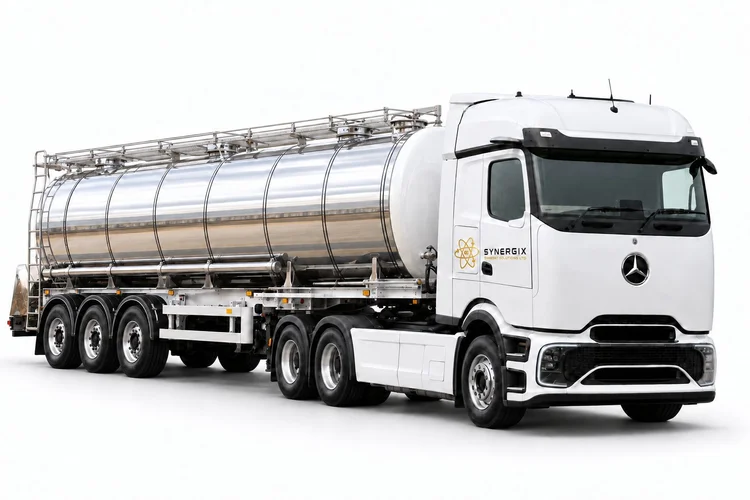
Tanker trailer
Actual body specification confirmed
Load-specific capacity
Declare the product, compatibility, hygiene, transfer equipment and any regulatory requirements. Acceptance is checked, not automatic.
Actual body, equipment and working payload checked.
View vehicle guide: Tanker trailer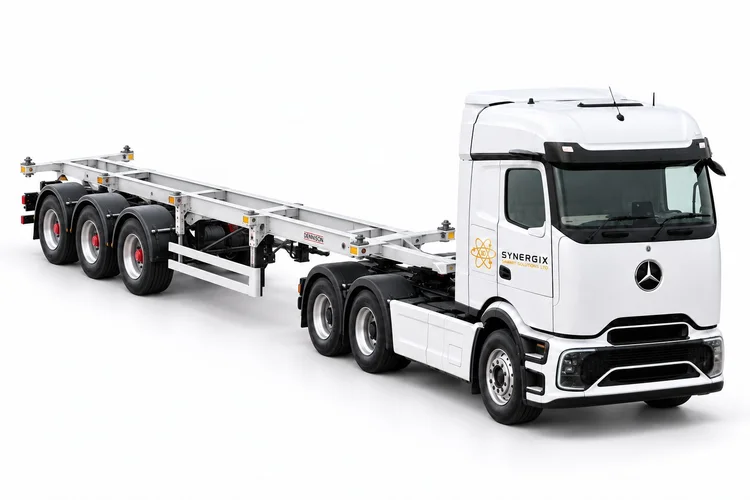
Skeletal container trailer
Actual body specification confirmed
Load-specific capacity
Confirm container size, loaded weight, twistlock positions and terminal or site lifting arrangements.
Actual body, equipment and working payload checked.
View vehicle guide: Skeletal container trailer
Walking-floor trailer
Actual body specification confirmed
Load-specific capacity
Check material suitability, unloading clearance, ground and the actual moving-floor arrangement.
Actual body, equipment and working payload checked.
View vehicle guide: Walking-floor trailer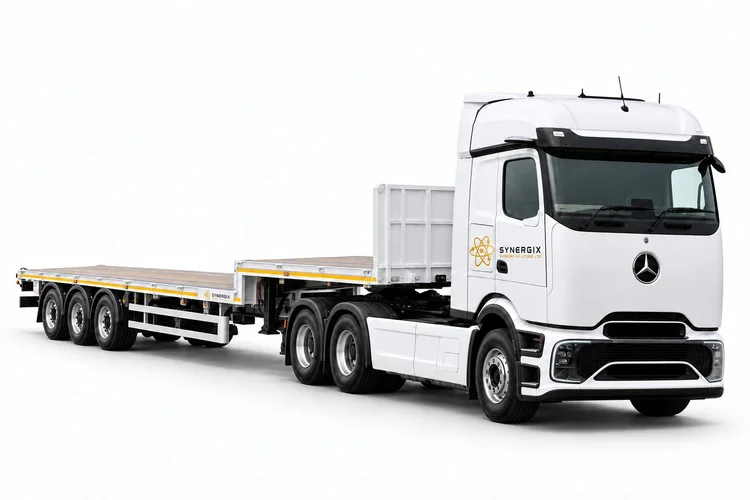
Step-frame trailer
Actual body specification confirmed
Load-specific capacity
Check each deck length and height, point loads, overall loaded height and loading method.
Actual body, equipment and working payload checked.
View vehicle guide: Step-frame trailer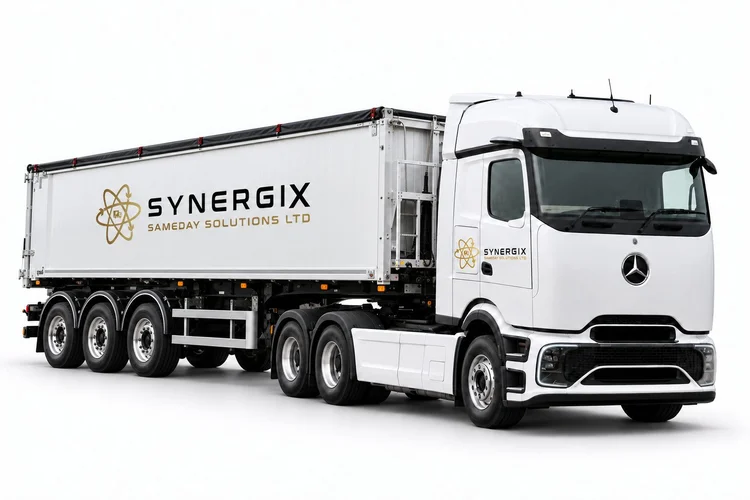
Bulk tipper trailer
Actual body specification confirmed
Load-specific capacity
Declare the material and contamination requirements. Check tipping space, overhead clearance and stable level ground.
Actual body, equipment and working payload checked.
View vehicle guide: Bulk tipper trailer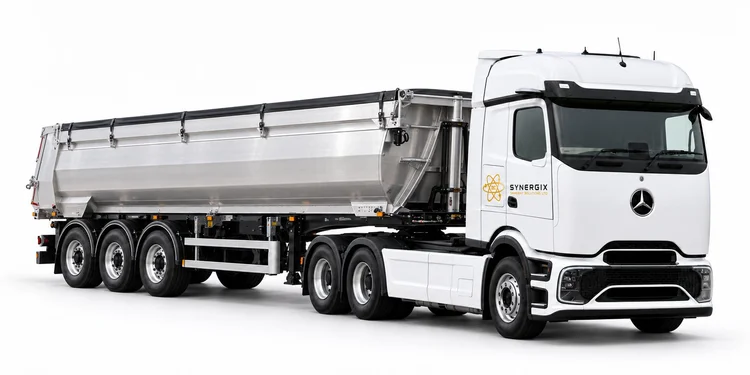
Alloy U-shaped tipper
Actual body specification confirmed
Load-specific capacity
Confirm material, liner or body compatibility, capacity and safe tipping conditions.
Actual body, equipment and working payload checked.
View vehicle guide: Alloy U-shaped tipper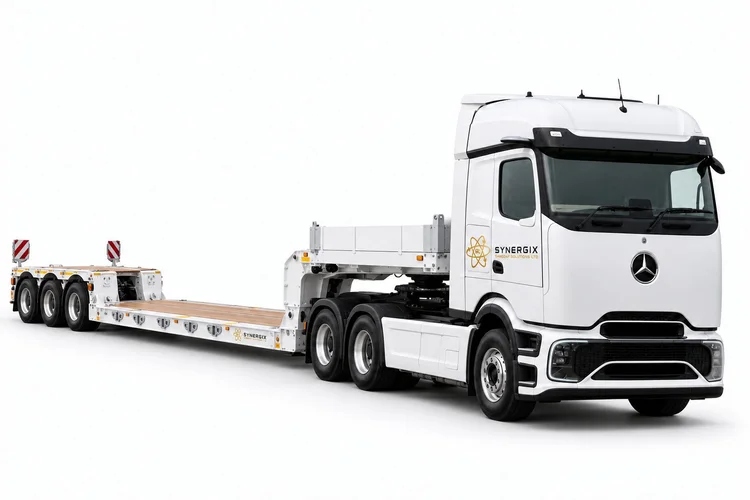
Low-loader
Actual body specification confirmed
Load-specific capacity
Check deck profile, ramps, concentrated weight, ground clearance and actual loaded dimensions.
Actual body, equipment and working payload checked.
View vehicle guide: Low-loader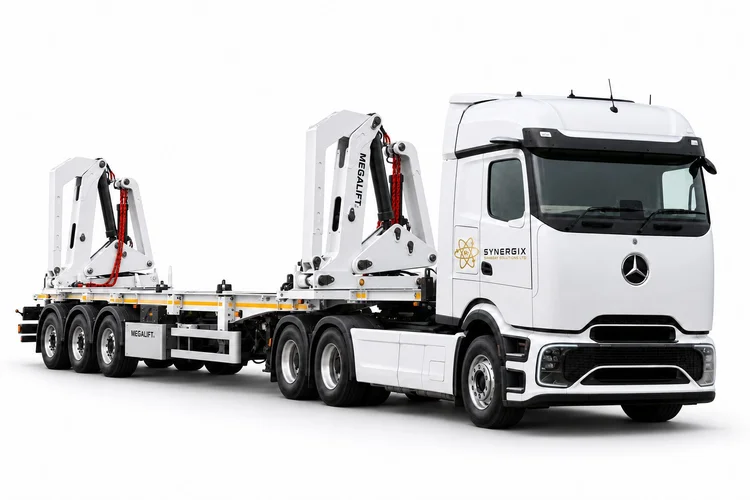
Megalift trailer
Actual body specification confirmed
Load-specific capacity
Container side-lifting needs the actual load, outreach, ground bearing and stabiliser working area checked.
Actual body, equipment and working payload checked.
View vehicle guide: Megalift trailer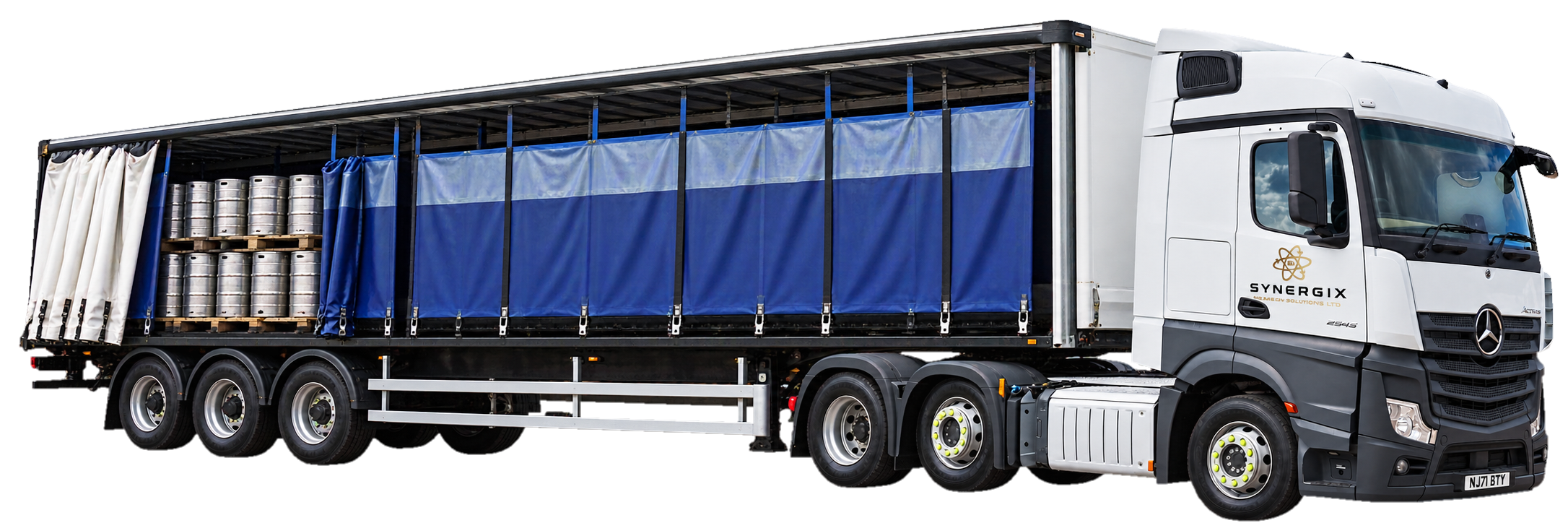
Purpose-built keg trailer
Keg layout and usable space confirmed
Actual trailer payload confirmed
For suitable keg distribution. Supply keg quantities, individual loaded weights, load presentation, site access and receiving arrangements.
Purpose-built keg trailers and other suitable vehicles are both used. Trailer layout, load restraint and unloading method are agreed for the job.
View vehicle guide: Purpose-built keg trailer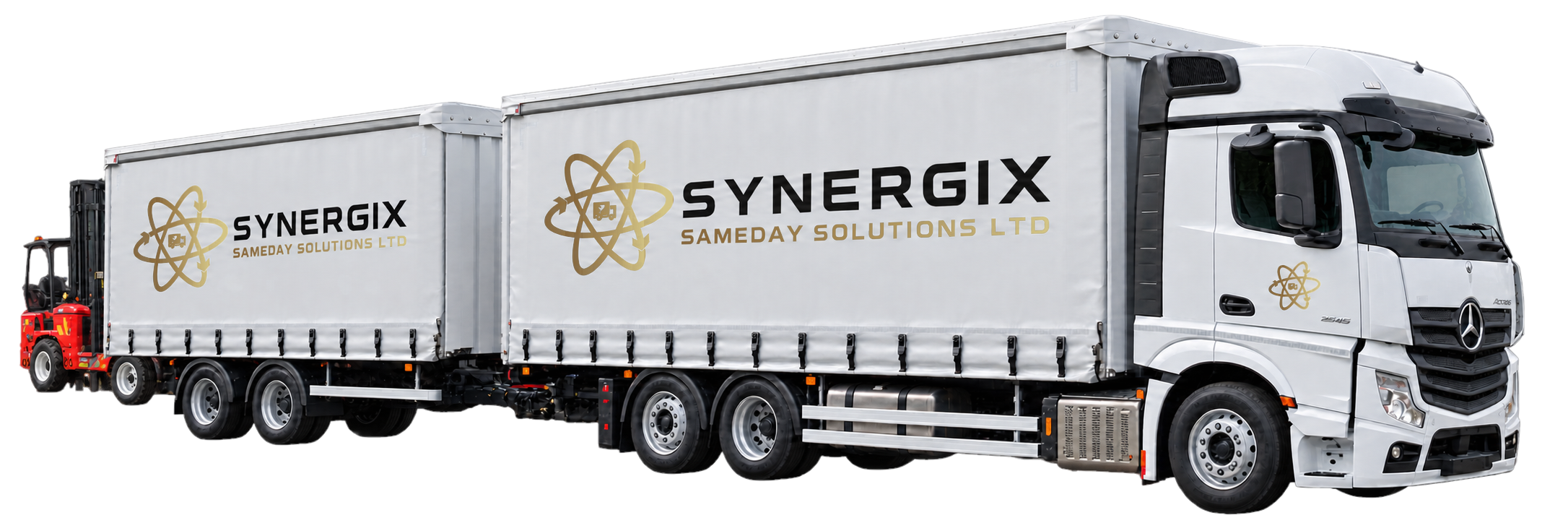
Wagon and drag MOFFETT
Both decks and forklift position confirmed
Actual completed combination payload confirmed
A rigid-and-drawbar combination with truck-mounted forklift unloading. Give individual load weights, deck allocation, unloading sequence and the ground route to the receiving point.
The carried forklift changes equipment position and freight allowance. Confirm the actual forklift, mounting, load-centre limits, ground and access.
View vehicle guide: Wagon and drag MOFFETTUse the slider or arrows, or open the stationary vehicle guide.
Stationary vehicle guide and dimensions
| Vehicle | Load space | Payload / equipment | Booking check |
|---|---|---|---|
| Small van | 1.2 × 1 × 1 m | Up to 400 kg | Standard body guide; actual vehicle checked. |
| Short wheelbase van | 2.4 × 1.2 × 1.2 m | Up to 800 kg | Standard body guide; actual vehicle checked. |
| Long wheelbase van | 3.6 × 1.2 × 1.8 m | Up to 1,250 kg | Standard body guide; actual vehicle checked. |
| Extra long wheelbase van | 4.2 × 1.2 × 1.8 m | Up to 1,100 kg | Standard body guide; actual vehicle checked. |
| Luton van | 4 × 2 × 2 m | Up to 1,100 kg | 900 kg with a tail lift; conversion checked. |
| 7.5 tonne lorry | 6 × 2.2–2.4 × 2–2.445 m | Up to 2,400 kg | Standard body guide; actual vehicle checked. |
| 18 tonne lorry | 7.5 × 2.4 × 2.5 m | Up to 9,000 kg | Standard body guide; actual vehicle checked. |
| 26 tonne lorry | 8 × 2.5 × 2.6 m | Up to 15,000 kg | Standard body guide; actual vehicle checked. |
| 13.6m articulated lorry | 13.6 × 2.5 × 2.6 m | Up to 26,000 kg | Standard body guide; actual vehicle checked. |
| Luton curtainsider | Actual body specification confirmed | Load-specific capacity | Actual body, equipment and working payload checked. |
| 7.5t curtainsider | Actual body specification confirmed | Load-specific capacity | Actual body, equipment and working payload checked. |
| 18t curtainsider | Actual body specification confirmed | Load-specific capacity | Actual body, equipment and working payload checked. |
| Articulated curtainsider | Actual body specification confirmed | Load-specific capacity | Actual body, equipment and working payload checked. |
| 18t flatbed HIAB | Actual body specification confirmed | Load-specific capacity | Actual body, equipment and working payload checked. |
| 26t flatbed HIAB | Actual body specification confirmed | Load-specific capacity | Actual body, equipment and working payload checked. |
| Wagon & drag, rear HIAB | Actual body specification confirmed | Load-specific capacity | Actual body, equipment and working payload checked. |
| Wagon & drag, front HIAB | Actual body specification confirmed | Load-specific capacity | Actual body, equipment and working payload checked. |
| Three-axle HIAB tractor | Actual body specification confirmed | Load-specific capacity | Actual body, equipment and working payload checked. |
| Four-axle heavy HIAB tractor | Actual body specification confirmed | Load-specific capacity | Actual body, equipment and working payload checked. |
| HIAB artic & flatbed | Actual body specification confirmed | Load-specific capacity | Actual body, equipment and working payload checked. |
| Heavy HIAB artic & flatbed | Actual body specification confirmed | Load-specific capacity | Actual body, equipment and working payload checked. |
| 26t flatbed MOFFETT | Actual body specification confirmed | Load-specific capacity | Actual body, equipment and working payload checked. |
| 26t curtainsider MOFFETT | Actual body specification confirmed | Load-specific capacity | Actual body, equipment and working payload checked. |
| Artic flatbed MOFFETT | Actual body specification confirmed | Load-specific capacity | Actual body, equipment and working payload checked. |
| Artic curtainsider MOFFETT | Actual body specification confirmed | Load-specific capacity | Actual body, equipment and working payload checked. |
| Articulated flatbed | Actual body specification confirmed | Load-specific capacity | Actual body, equipment and working payload checked. |
| Refrigerated trailer | Actual refrigerated space confirmed | Refrigerated trailer option | Actual body, equipment and working payload checked. |
| Double-deck box trailer | Actual body specification confirmed | Load-specific capacity | Actual body, equipment and working payload checked. |
| Double-deck curtainsider | Actual body specification confirmed | Load-specific capacity | Actual body, equipment and working payload checked. |
| Tanker trailer | Actual body specification confirmed | Load-specific capacity | Actual body, equipment and working payload checked. |
| Skeletal container trailer | Actual body specification confirmed | Load-specific capacity | Actual body, equipment and working payload checked. |
| Walking-floor trailer | Actual body specification confirmed | Load-specific capacity | Actual body, equipment and working payload checked. |
| Step-frame trailer | Actual body specification confirmed | Load-specific capacity | Actual body, equipment and working payload checked. |
| Bulk tipper trailer | Actual body specification confirmed | Load-specific capacity | Actual body, equipment and working payload checked. |
| Alloy U-shaped tipper | Actual body specification confirmed | Load-specific capacity | Actual body, equipment and working payload checked. |
| Low-loader | Actual body specification confirmed | Load-specific capacity | Actual body, equipment and working payload checked. |
| Megalift trailer | Actual body specification confirmed | Load-specific capacity | Actual body, equipment and working payload checked. |
| Purpose-built keg trailer | Keg layout and usable space confirmed | Actual trailer payload confirmed | Purpose-built keg trailers and other suitable vehicles are both used. Trailer layout, load restraint and unloading method are agreed for the job. |
| Wagon and drag MOFFETT | Both decks and forklift position confirmed | Actual completed combination payload confirmed | The carried forklift changes equipment position and freight allowance. Confirm the actual forklift, mounting, load-centre limits, ground and access. |
Match the handling to the job
A HIAB is a loader crane for an assessed lift or placement. A MOFFETT carries an unloading forklift for suitable loads at sites without receiving equipment. Standard-body dimensions and payload do not apply automatically to fitted equipment or refrigerated configurations. Confirm the actual load, ground, access and handling arrangements.
Our booking rule: when pallet-truck handling is needed for an individual loaded pallet weighing 800 kg or more, request an electric pump truck. Check the actual equipment and lift/platform capacity, surface, gradient, distance and access. Lower weights can also need powered handling.
How the work happens
Book the space, identify the stock, manage each release.
The stockholding is planned around the time and handling your retail operation actually needs.
Agree the holding
Confirm goods, packed volume/weight, peak space, duration, conditions, checks, price and release pattern.
Receive and identify
Book arrivals, check to the agreed unit/scope and refer exceptions. Incoming units receive individual labels or barcodes and warehouse locations.
Hold and review
Keep the agreed stockholding in place. Discuss changed quantities, dates, variants or goods needing a decision before the plan changes.
Authorise and prepare release
Use exact codes, units, quantities and collector/destination details. Carry out any separately agreed picking or preparation.
Hand over and confirm the balance
Match the authorised stock to the booked collector or movement and agree the record required. Review remaining stock and future space needs.
Warehouse management
An identity and a recorded location.
We use a warehouse management system. Each incoming stock unit receives its own individual label or barcode and an assigned warehouse location.
01
Receipt and references
Provide the owner, product references, expected quantities and arrival booking. Agree the checking unit: sealed pallet, carton or individual item. Visible damage, shortages and unidentified goods need a clear exception procedure.
02
Location and release
Warehouse identification connects the stock unit with its assigned location. Nominate who can authorise release and use precise references and quantities. Counts, reports, batch rules and integrations need their own agreed scope.
| Record | What to specify |
|---|---|
| Receipt | RED: six cartons. BLUE: two cartons. Incoming units receive individual warehouse identity and assigned locations. |
| Allocation | Identify any store/campaign reservations by reference and quantity. A forecast is not an automatic release. |
| Release | Authorised request: two RED cartons, named collector or movement and agreed ready window. |
| Balance | Four RED cartons and two BLUE remain by the recorded movements. Counts, reports and special status rules are separately agreed. |
Agree the important details
What changes the arrangement.
A useful quote starts with the constraints, not just a product name or vehicle size.
01
Distinguish variants clearly
Size, colour, finish, pack quantity and label changes can turn similar cartons into different products. Consistent references help prevent a release request being interpreted by appearance alone.
02
Choose the release unit
Full pallets, sealed cartons and item picks need different stock layouts and work. Agree the unit and picking process so frequent small orders do not become an unplanned handling cost.
03
Plan urgent access
Managed evening and weekend access or release can be arranged with our team. Give notice, stock references and authorised contacts. This is not unrestricted self-service access to warehouse aisles.
First time using an off-site retail stockholding?
Describe the packed stock
Send a simple list of product/variant codes, quantity and unit, carton or pallet sizes/weights, packaging, stacking restrictions and value. Supplier packing lists or warehouse records can provide much of this. Mark estimates or missing information so space and handling can be checked.
Show the stock pattern
Explain what is coming in, your expected highest quantity, how long goods may stay and which quantities may be needed together. Distinguish a supplier arrival forecast, a store reservation and an authorised release. Frequent item selections need a different arrangement from occasional sealed-pallet collections.
Plan access and the next handover
Name who may request releases, what reference/unit they will use and whether you or a carrier will collect. Discuss evening/weekend requirements with the team. If the eventual store is unknown, say so and agree when destination, unloading and transport details must be supplied.
Keep the variant clear when only part of the stock leaves
For example, six sealed cartons of red promotional goods and two cartons of blue goods are received under separate references. A store requests two red cartons. An authorised carton-level release should leave four red and two blue cartons held, not an unspecified six mixed cartons. Item-level picking, contents checks and store labels are separate requirements to agree. Illustrative only, not a customer case history.
Practical detail for each requirement
Store replenishment reserves
Keep suitable packaged stock ready for agreed replenishment. Provide product codes, carton quantities and expected release frequency. Separate a demand forecast from an authorised order so the warehouse knows which quantity is actually required.
Seasonal and promotional inventory
Plan peak volumes, launch dates and any embargoed release instructions. Tell us whether goods are stackable and whether several versions or promotions must remain separate. Reserve space and changes to the forecast need confirmation.
Openings, refits and rollouts
Hold stock while premises or installation phases become ready. Allocate by store, phase or room where useful and identify complete kits. Storage does not automatically include display installation, assembly or product merchandising.
Stock awaiting a decision
Returns, packaging damage and obsolete lines should remain identifiable rather than blend into available stock. Agree inspection and status instructions. A warehouse receipt is not proof that returned goods are fit for resale.
Why Synergix?
Retail stockholding, backed by warehouse and transport experience.
Our Northampton warehouse and work with national retailers help connect secure reserve holding with practical releases.
Stock identity that supports releases
Individual incoming labels or barcodes and assigned locations are established parts of our warehouse operation. Agreeing your product, variant and store references around that identity helps keep reserve goods distinguishable.
Managed access and releases
Discuss planned collections and any evening or weekend requirements with the team. Precise references and authority help make the right stock accessible without suggesting unrestricted warehouse walk-in access.
Experience with demanding programmes
We support national retailers and major event operators, with Northampton warehousing, cross-docking and retail logistics. That wider work informs practical conversations about allocation, access and onward delivery.
Family transport knowledge
Three generations of family transport experience support decisions about loads, vehicles and handovers. Stock movement is planned around the actual goods and receiving arrangements, not only a headline vehicle size.
Suitable onward transport
Courier, general haulage, retail distribution and specialist movements can be discussed where needed. Eligible UK courier collections can be arranged within 60 minutes, subject to the job, location and availability; this is not a storage-ready or store-delivery guarantee.
Clear movement scope
Booked transport is insured, with tracking and proof of delivery available. Confirm applicable cover and evidence. These transport benefits do not replace agreed warehouse receipt/release checks or stock cover.
A useful brief for a useful quote
Tell us what needs holding and how it will be released.
Send a stock list and the expected holding/replenishment pattern. We will confirm space, suitability, access, work and price.
Retail stock
Goods, variants/references, units, packaging, packed sizes/weights, stacking and value.
Space and duration
Expected arrivals, highest stock volume, start/review/end dates and seasonal or launch changes.
Access and control
Release units/frequency, reservations, authorised contacts, managed access and required checks/records.
Optional support
Picking, store labels, preparation, collection or transport, receiving-site details and repeat-work needs.
Email your brief to sales@synergixsameday.com. Confirm acceptance before sending stock.
For buying teams and repeat bookings
Choose the right storage arrangement
Explain whole-pallet, carton or item access and the handling frequency. Managed warehouse stockholding is different from renting a self-storage room that your own team operates. Agree what Synergix will receive, check, hold and release.
Keep allocations and decisions clear
Define variants, counting units, store/campaign reservations, embargoes and release authority. WMS labels/locations are confirmed. Counts, reports, automatic alerts, item picking and system connections need their own agreed scope.
Compare space and turnover together
Price occupied space/duration alongside receipt/release handling, picking, preparation/materials, managed access and any transport. Frequent small releases, non-stackable goods or changing peaks can affect the arrangement even where the product count looks similar.
Set the regular-service requirements
Share forecast peaks, supplier-approval, purchase-order and review requirements. Declare goods/value and confirm acceptance, terms and stock cover. Agree what happens to delayed, obsolete or returned stock and how the holding ends.
Before you book
Retail storage and stock holding questions.
Practical answers about the service and what to agree.
Can we keep stock for several stores in one warehouse?
Yes, discuss the goods, owners, quantities and store allocations. Clear references and release authority are essential. Agree any store-specific sorting, labelling or report requirements before goods arrive.
Can you hold a promotion until launch day?
Provide the date, restricted references and who may authorise release. We agree the holding and dispatch plan. A launch date alone does not create a guaranteed delivery slot or automatic release instruction.
Can you replenish stores from the stock?
Suitable onward transport can be arranged separately, with stock references, quantities, store access and receiving windows. Storage remains available without a compulsory transport package.
Do we get automatic stock alerts?
Automatic alerts or live external inventory are not assumed. Our WMS provides stock identification and warehouse locations. Agree the reports, count frequency and any integration you require.
Can damaged returns go back into available stock?
Only under an agreed identification, checking and authorisation process. State the condition and required inspection. Do not assume all returned products are saleable or that repair and repacking are included.
What information do you need if we do not know the space required?
Start with packaged pallet/carton/item quantities, external sizes, weights and stacking restrictions, plus expected peak volume and duration. Supplier packing lists and photographs can help. Mark estimates and unknowns so suitability and the quote can be confirmed rather than guessed.
Can our team or own carrier collect stock?
Yes, by arrangement with exact references, units, quantities, authority and a booked collection window. Confirm vehicle/loading requirements. Managed evening or weekend access/release can be discussed; this is not unrestricted walk-in access.
Can we release sealed cartons rather than full pallets?
Explain the stock, carton quantities and likely frequency. Whole-pallet release, carton picking and item selection need different handling and stock layouts. We agree the supported unit and any splitting or repacking in the quote.
What affects the retail storage price?
Packed space, duration, peaks, stackability, receipts/releases, picking, preparation and any access or transport work matter. Send a typical and peak stock profile so you can compare the complete arrangement.
Does this include inventory counts or installation?
Not automatically. Warehouse identity/location is established, while checking levels, counts, reports, preparation, installation and transport need their own defined scope. Tell us what outcome your store or project needs.
Retail stock storage
More room for the shop. Clear control of the reserve.
Send the goods list, peak volume, holding dates and release pattern. We will agree the storage and any optional support.