
Space for the stock. Control of the units.
Pallet and bulk storage
Managed pallet and packaged bulk-stock storage in our Northampton warehouse. Our warehouse management system (WMS) gives incoming stock its own individual label or barcode and assigned location. Hold suitable goods for the agreed period, with planned access and full or partial releases.
Secure Northampton holdingA managed warehouse operation.
Individual identificationIndividual labels or barcodes on receipt.
Assigned locationsA recorded place for stock held.
Managed accessEvening and weekend requirements discussed.
What Synergix provides
Holding space for the actual load.
We receive agreed palletised or packaged business goods, identify them and hold them securely until you authorise release. A whole pallet can stay intact, or carton picking and pallet rebuilding can be agreed where needed. Bulk stock means quantities of packaged goods here, not a silo or a tipping facility for loose materials.
The details which change the job
Types of stock and storage needs.
The practical guide below explains the details for each requirement.
- Standard palletised stock
- Oversized or non-stackable pallets
- Bulk cartons and packaged inventory
- Mixed receipts and staged releases
For retail and wholesale reserves
A wholesaler can hold packed stock before trade orders are ready, while a retailer can keep seasonal reserves away from selling premises. Explain whether goods will leave as full pallets or smaller allocations, because that changes access, checking and handling.
For production and project space
A manufacturer holding suitable packed finished goods or a project team waiting for a receiving site can use managed storage to free working space. Oversized fixtures, mixed cartons and fragile pallet tops need their own brief. These are possible applications, not a claim that every product or load is accepted.
The wider Synergix fleet
All vehicles. The right equipment for your job.
Our wider fleet supports different transport and unloading requirements. This overview is not a promise that every configuration performs this service. We match the actual vehicle, body, usable capacity and equipment to the load and receiving site.
39 vehicle options. Browse horizontally or open the stationary guide.
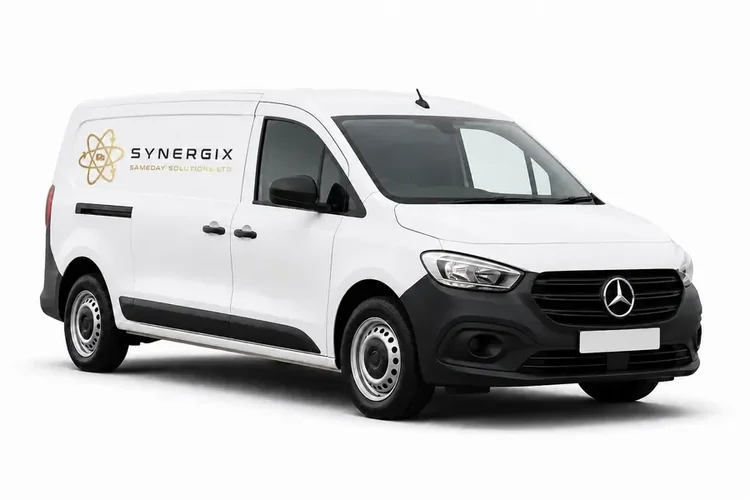
Small van
1.2 × 1 × 1 m
Up to 400 kg
A practical starting point for urgent parts, documents, samples and compact business deliveries.
Standard body guide; actual vehicle checked.
View vehicle guide: Small van
SWB van
2.4 × 1.2 × 1.2 m
Up to 800 kg
Useful for stock, tools and smaller pallet loads that need more room than a small van.
Standard body guide; actual vehicle checked.
View vehicle guide: Short wheelbase van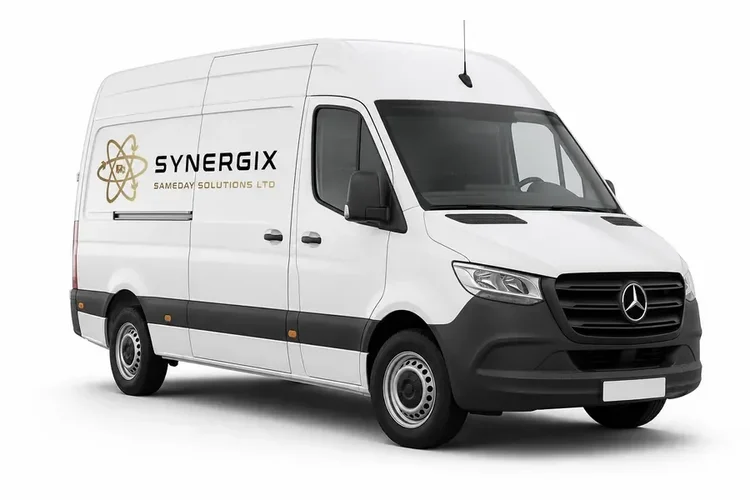
LWB van
3.6 × 1.2 × 1.8 m
Up to 1,250 kg
More floor length for equipment, boxed stock, signage and longer items on dedicated courier work.
Standard body guide; actual vehicle checked.
View vehicle guide: Long wheelbase van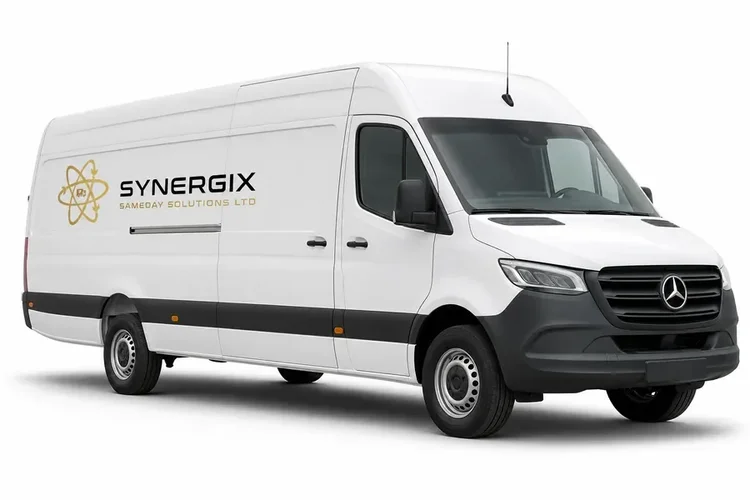
XLWB van
4.2 × 1.2 × 1.8 m
Up to 1,100 kg
Extra length for bulky, lighter consignments and long items that need an enclosed vehicle.
Standard body guide; actual vehicle checked.
View vehicle guide: Extra long wheelbase van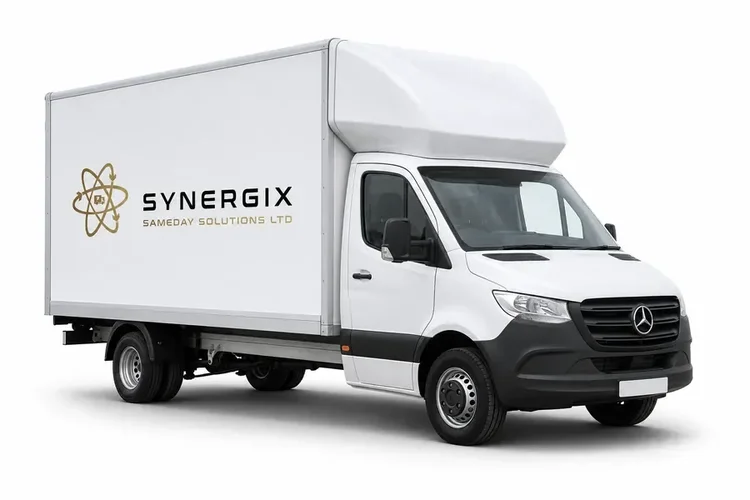
Luton van
4 × 2 × 2 m
Up to 1,100 kg
A wider box-shaped load area for bulky stock, furniture and light palletised deliveries.
900 kg with a tail lift; conversion checked.
View vehicle guide: Luton van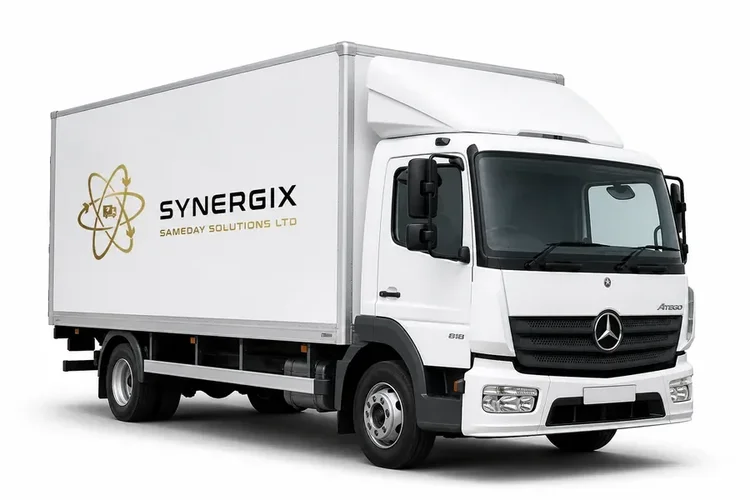
7.5 tonne lorry
6 × 2.2–2.4 × 2–2.445 m
Up to 2,400 kg
A step up from vans for pallet deliveries, retail stock and bulky goods requiring a rigid lorry.
Standard body guide; actual vehicle checked.
View vehicle guide: 7.5 tonne lorry
18 tonne lorry
7.5 × 2.4 × 2.5 m
Up to 9,000 kg
A larger rigid for regular distribution, industrial goods and heavier pallet loads.
Standard body guide; actual vehicle checked.
View vehicle guide: 18 tonne lorry
26 tonne lorry
8 × 2.5 × 2.6 m
Up to 15,000 kg
A higher-capacity rigid option for substantial pallet, building-material and distribution loads.
Standard body guide; actual vehicle checked.
View vehicle guide: 26 tonne lorry
13.6m artic
13.6 × 2.5 × 2.6 m
Up to 26,000 kg
Full and part loads, regular trunking and larger consignments. Choose the trailer around the goods and unloading method.
Standard body guide; actual vehicle checked.
View vehicle guide: 13.6m articulated lorry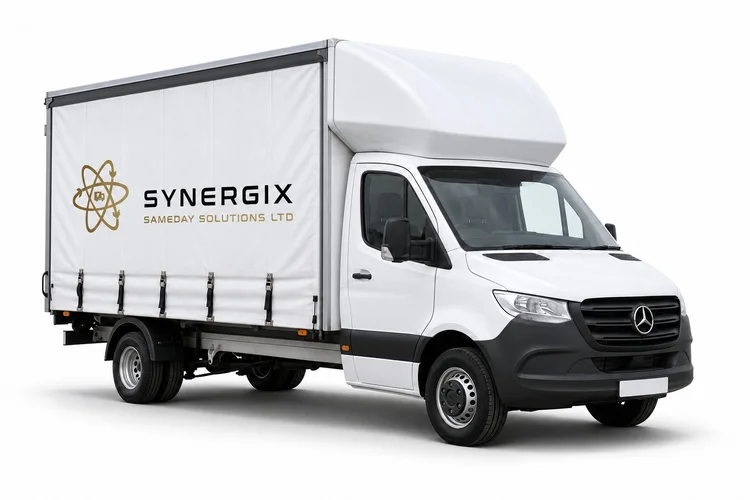
Luton curtainsider
Actual body specification confirmed
Load-specific capacity
Side loading needs a suitable opening, securing system and safe forklift access. Confirm the actual body space and payload.
Actual body, equipment and working payload checked.
View vehicle guide: Luton curtainsider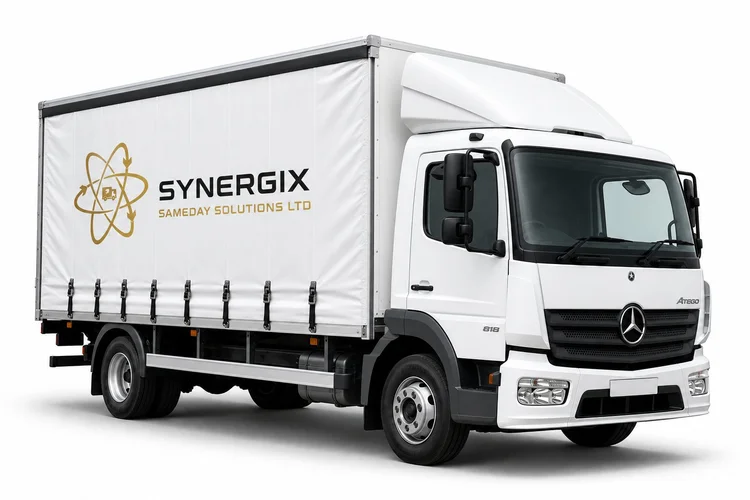
7.5t curtainsider
Actual body specification confirmed
Load-specific capacity
Side loading needs a suitable opening, securing system and safe forklift access. Confirm the actual body space and payload.
Actual body, equipment and working payload checked.
View vehicle guide: 7.5t curtainsider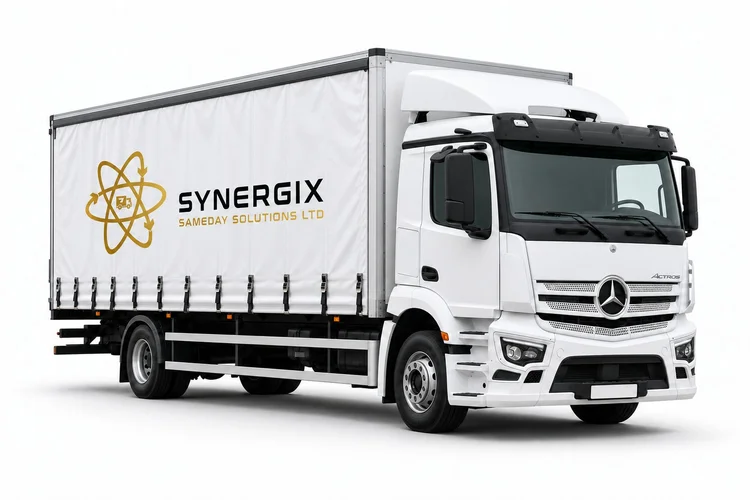
18t curtainsider
Actual body specification confirmed
Load-specific capacity
Side loading needs a suitable opening, securing system and safe forklift access. Confirm the actual body space and payload.
Actual body, equipment and working payload checked.
View vehicle guide: 18t curtainsider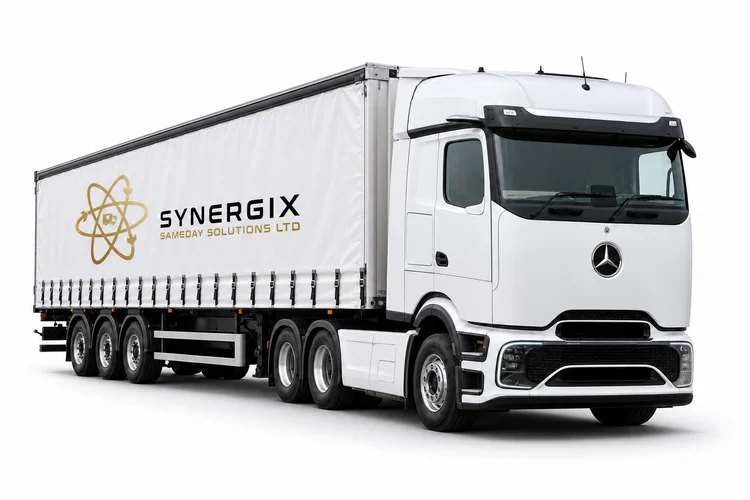
Articulated curtainsider
Actual body specification confirmed
Load-specific capacity
Side loading needs a suitable opening, securing system and safe forklift access. Confirm the actual body space and payload.
Actual body, equipment and working payload checked.
View vehicle guide: Articulated curtainsider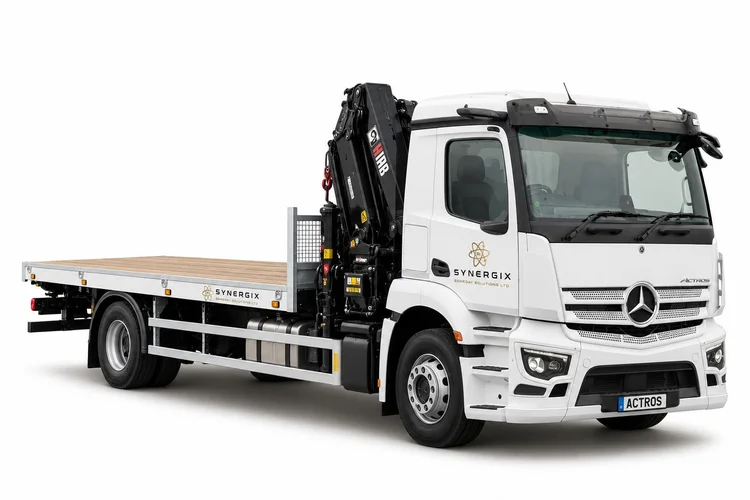
18t flatbed HIAB
Actual body specification confirmed
Load-specific capacity
Check load weight, lifting points, reach, ground, stabiliser space and the actual lift plan. Standard-body payload does not apply.
Actual body, equipment and working payload checked.
View vehicle guide: 18t flatbed HIAB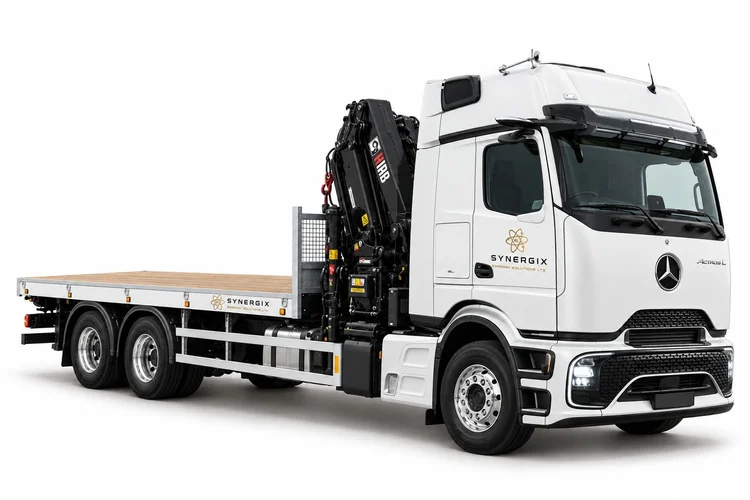
26t flatbed HIAB
Actual body specification confirmed
Load-specific capacity
Check load weight, lifting points, reach, ground, stabiliser space and the actual lift plan. Standard-body payload does not apply.
Actual body, equipment and working payload checked.
View vehicle guide: 26t flatbed HIAB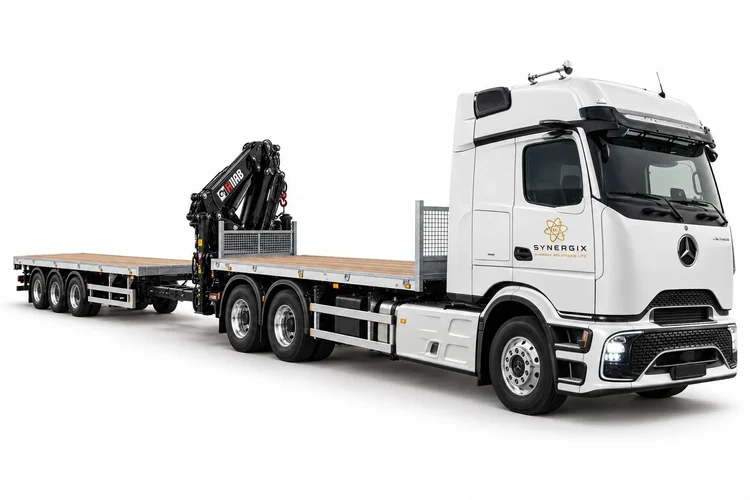
Wagon & drag, rear HIAB
Actual body specification confirmed
Load-specific capacity
Check load weight, lifting points, reach, ground, stabiliser space and the actual lift plan. Standard-body payload does not apply.
Actual body, equipment and working payload checked.
View vehicle guide: Wagon & drag, rear HIAB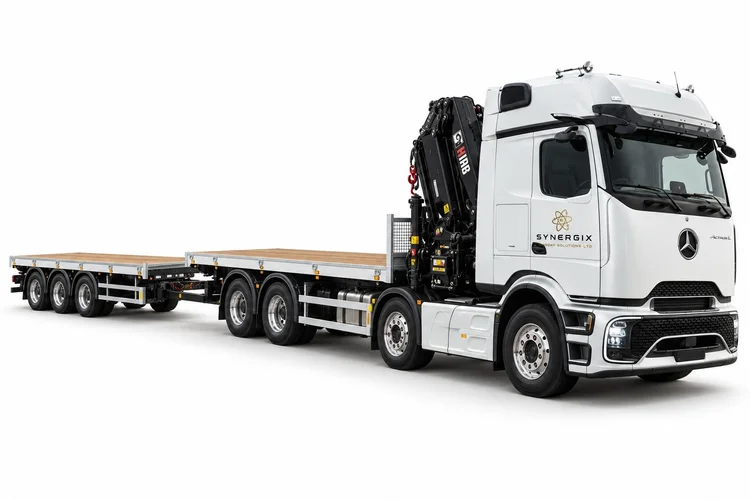
Wagon & drag, front HIAB
Actual body specification confirmed
Load-specific capacity
Check load weight, lifting points, reach, ground, stabiliser space and the actual lift plan. Standard-body payload does not apply.
Actual body, equipment and working payload checked.
View vehicle guide: Wagon & drag, front HIAB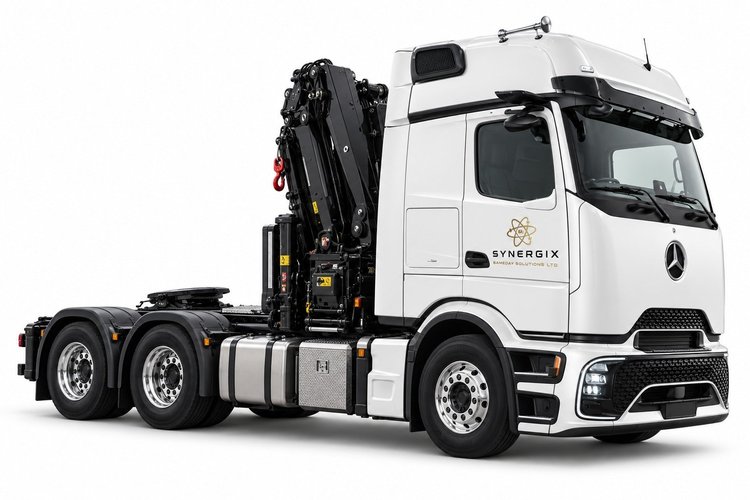
Three-axle HIAB tractor
Actual body specification confirmed
Load-specific capacity
Check load weight, lifting points, reach, ground, stabiliser space and the actual lift plan. Standard-body payload does not apply. Tractor shown without a trailer. Agree the complete combination.
Actual body, equipment and working payload checked.
View vehicle guide: Three-axle HIAB tractor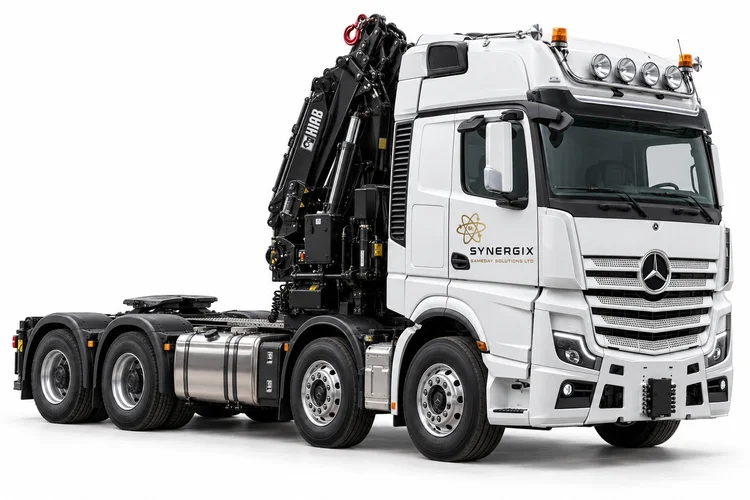
Four-axle heavy HIAB tractor
Actual body specification confirmed
Load-specific capacity
Check load weight, lifting points, reach, ground, stabiliser space and the actual lift plan. Standard-body payload does not apply. Tractor shown without a trailer. Agree the complete combination.
Actual body, equipment and working payload checked.
View vehicle guide: Four-axle heavy HIAB tractor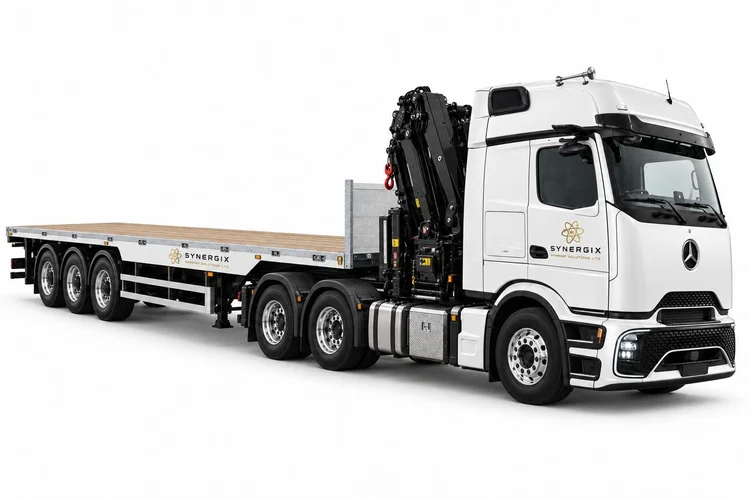
HIAB artic & flatbed
Actual body specification confirmed
Load-specific capacity
Check load weight, lifting points, reach, ground, stabiliser space and the actual lift plan. Standard-body payload does not apply.
Actual body, equipment and working payload checked.
View vehicle guide: HIAB artic & flatbed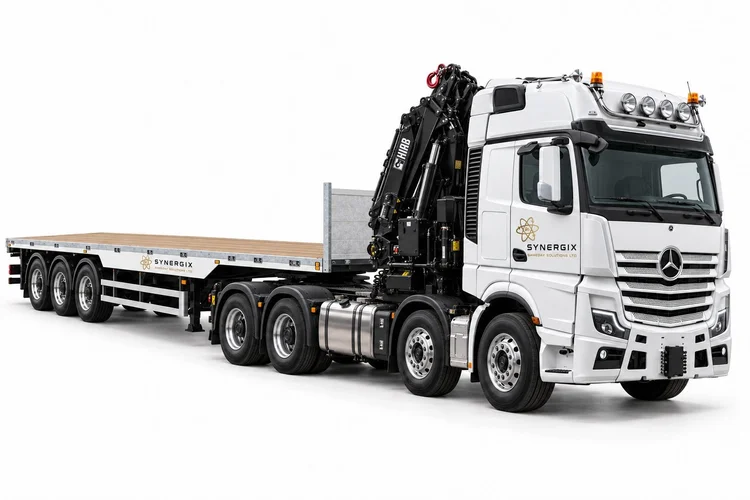
Heavy HIAB artic & flatbed
Actual body specification confirmed
Load-specific capacity
Check load weight, lifting points, reach, ground, stabiliser space and the actual lift plan. Standard-body payload does not apply.
Actual body, equipment and working payload checked.
View vehicle guide: Heavy HIAB artic & flatbed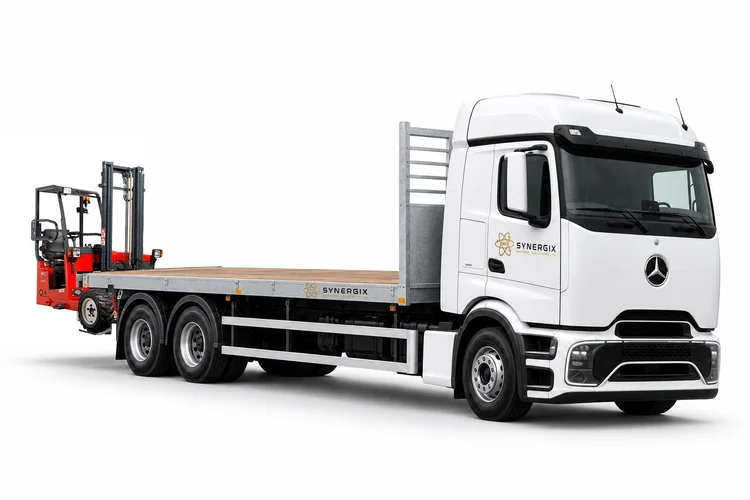
26t flatbed MOFFETT
Actual body specification confirmed
Load-specific capacity
Carried forklift unloading. Check load centre, item weight, fork access, ground, gradients and working space. Fitted equipment reduces payload.
Actual body, equipment and working payload checked.
View vehicle guide: 26t flatbed MOFFETT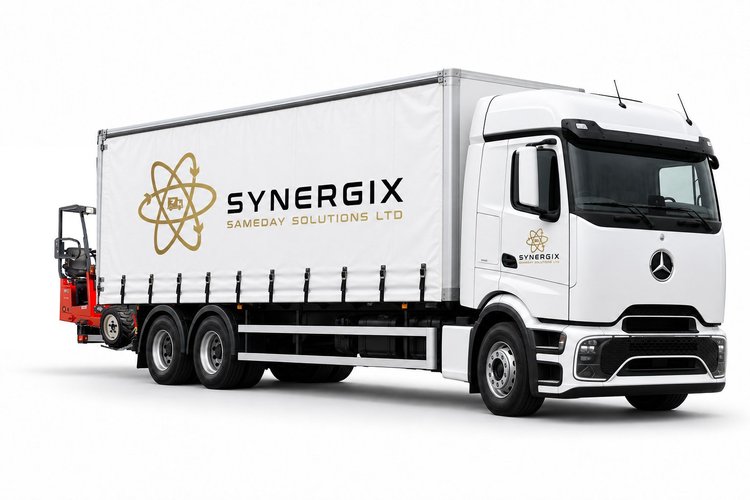
26t curtainsider MOFFETT
Actual body specification confirmed
Load-specific capacity
Carried forklift unloading. Check load centre, item weight, fork access, ground, gradients and working space. Fitted equipment reduces payload.
Actual body, equipment and working payload checked.
View vehicle guide: 26t curtainsider MOFFETT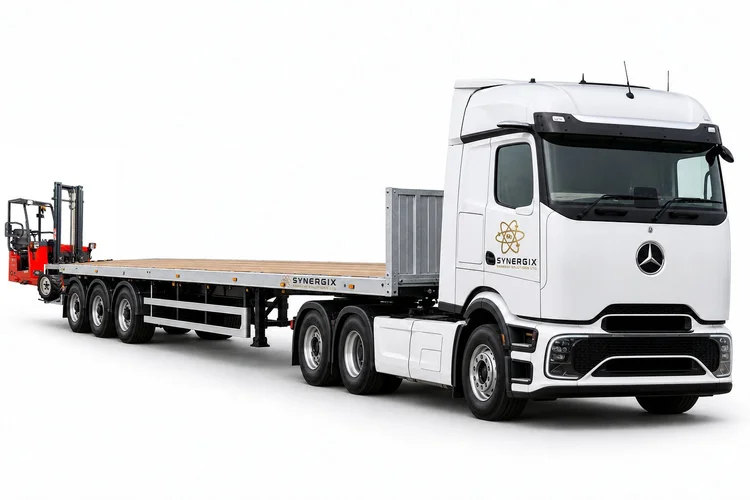
Artic flatbed MOFFETT
Actual body specification confirmed
Load-specific capacity
Carried forklift unloading. Check load centre, item weight, fork access, ground, gradients and working space. Fitted equipment reduces payload.
Actual body, equipment and working payload checked.
View vehicle guide: Artic flatbed MOFFETT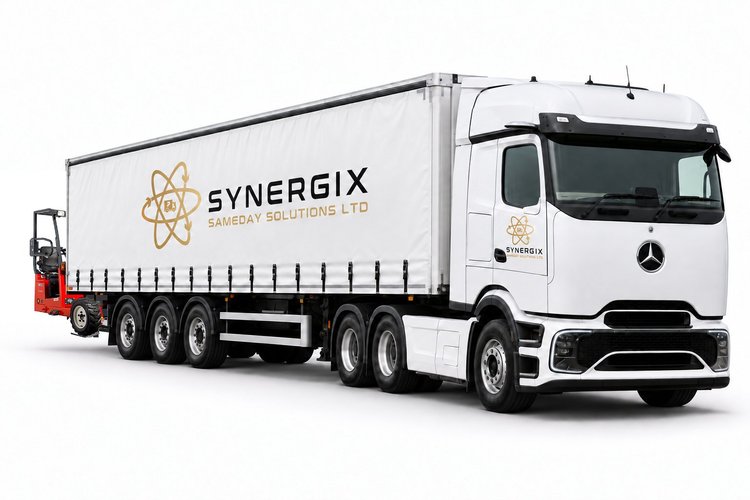
Artic curtainsider MOFFETT
Actual body specification confirmed
Load-specific capacity
Carried forklift unloading. Check load centre, item weight, fork access, ground, gradients and working space. Fitted equipment reduces payload.
Actual body, equipment and working payload checked.
View vehicle guide: Artic curtainsider MOFFETT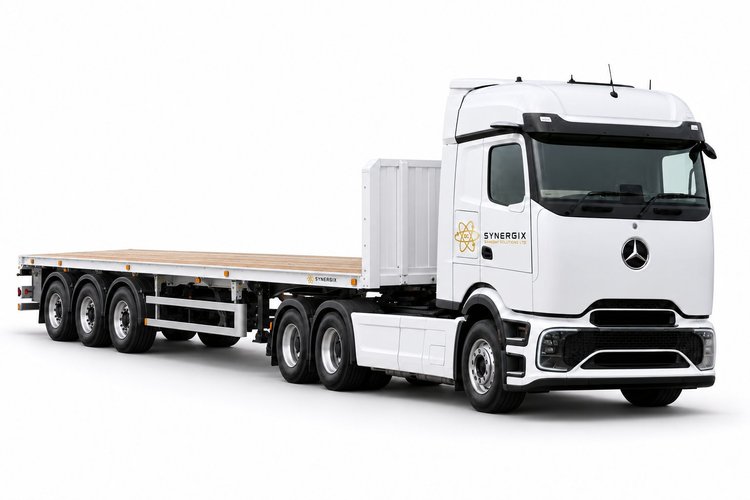
Articulated flatbed
Actual body specification confirmed
Load-specific capacity
Open-deck goods need appropriate weather protection, restraint and loading equipment.
Actual body, equipment and working payload checked.
View vehicle guide: Articulated flatbed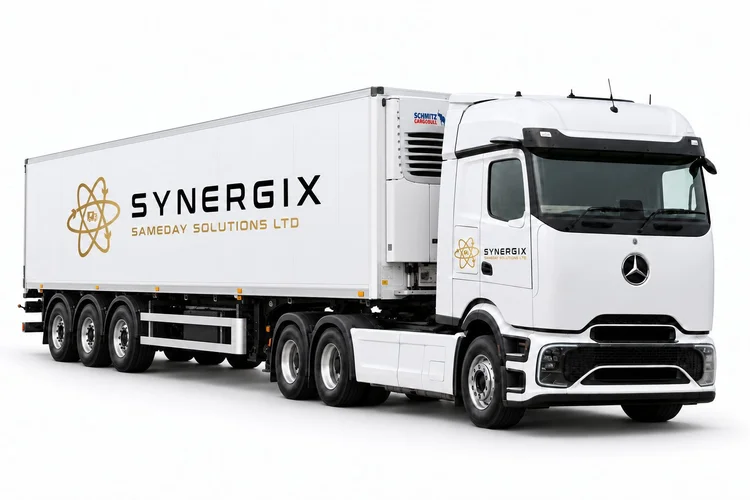
Refrigerated trailer
Actual refrigerated space confirmed
Refrigerated trailer option
Confirm goods, temperature, usable space, payload, power and operating responsibilities. Transport and static hire are separate bookings.
Actual body, equipment and working payload checked.
View vehicle guide: Refrigerated trailer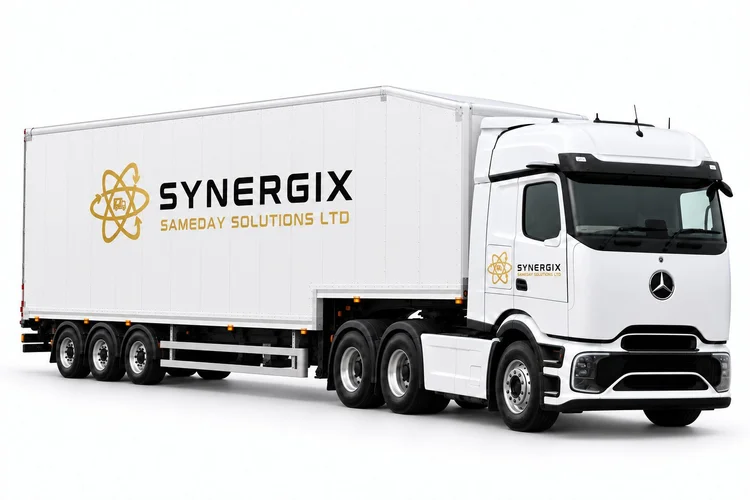
Double-deck box trailer
Actual body specification confirmed
Load-specific capacity
Check both deck heights, individual deck limits, access and the actual loading sequence.
Actual body, equipment and working payload checked.
View vehicle guide: Double-deck box trailer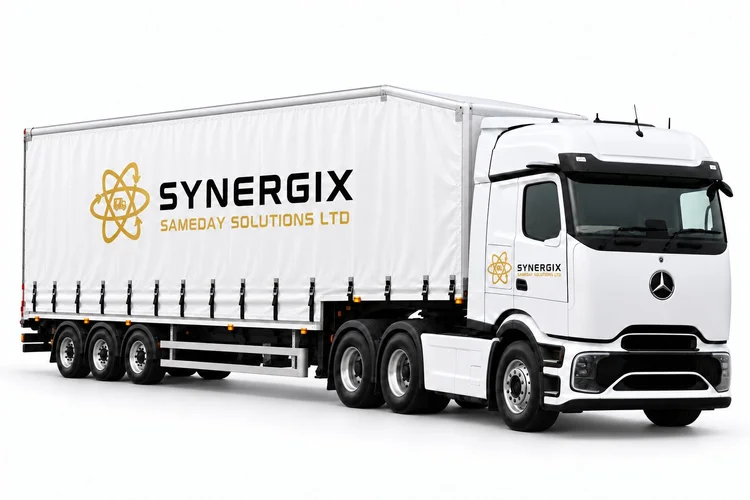
Double-deck curtainsider
Actual body specification confirmed
Load-specific capacity
Confirm deck heights, weight distribution, side access and the securing plan.
Actual body, equipment and working payload checked.
View vehicle guide: Double-deck curtainsider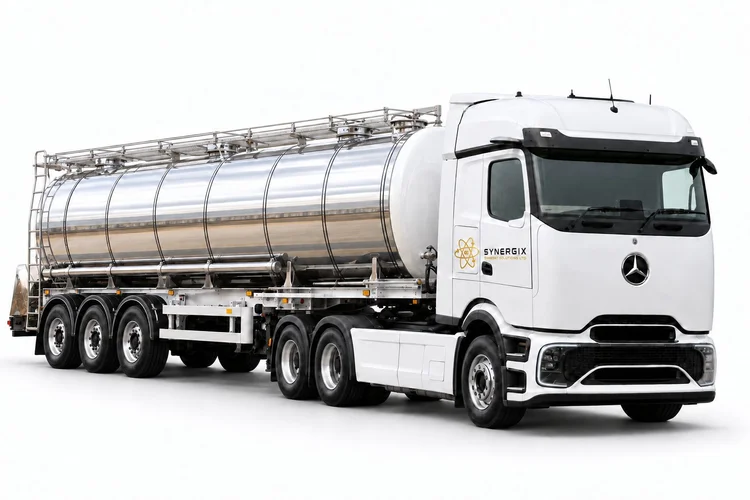
Tanker trailer
Actual body specification confirmed
Load-specific capacity
Declare the product, compatibility, hygiene, transfer equipment and any regulatory requirements. Acceptance is checked, not automatic.
Actual body, equipment and working payload checked.
View vehicle guide: Tanker trailer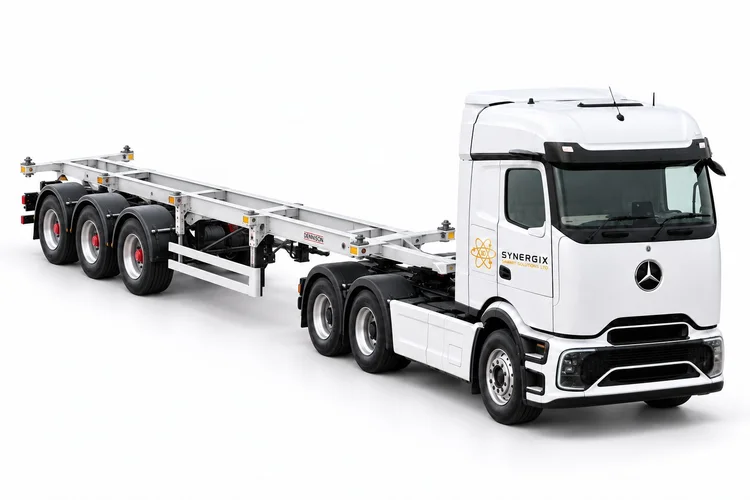
Skeletal container trailer
Actual body specification confirmed
Load-specific capacity
Confirm container size, loaded weight, twistlock positions and terminal or site lifting arrangements.
Actual body, equipment and working payload checked.
View vehicle guide: Skeletal container trailer
Walking-floor trailer
Actual body specification confirmed
Load-specific capacity
Check material suitability, unloading clearance, ground and the actual moving-floor arrangement.
Actual body, equipment and working payload checked.
View vehicle guide: Walking-floor trailer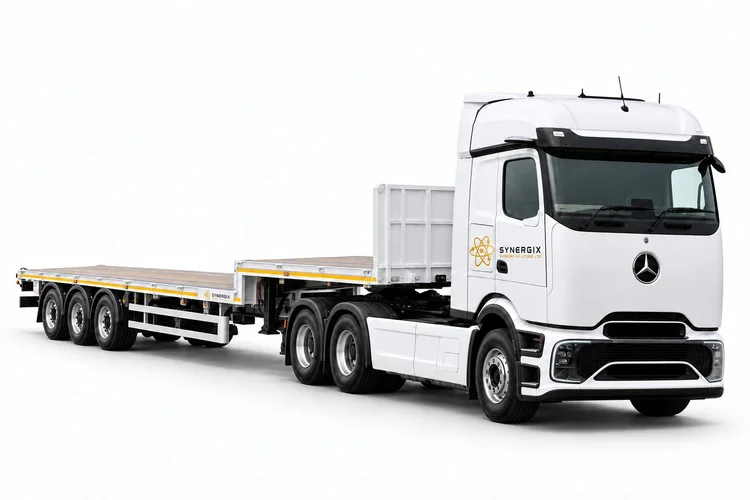
Step-frame trailer
Actual body specification confirmed
Load-specific capacity
Check each deck length and height, point loads, overall loaded height and loading method.
Actual body, equipment and working payload checked.
View vehicle guide: Step-frame trailer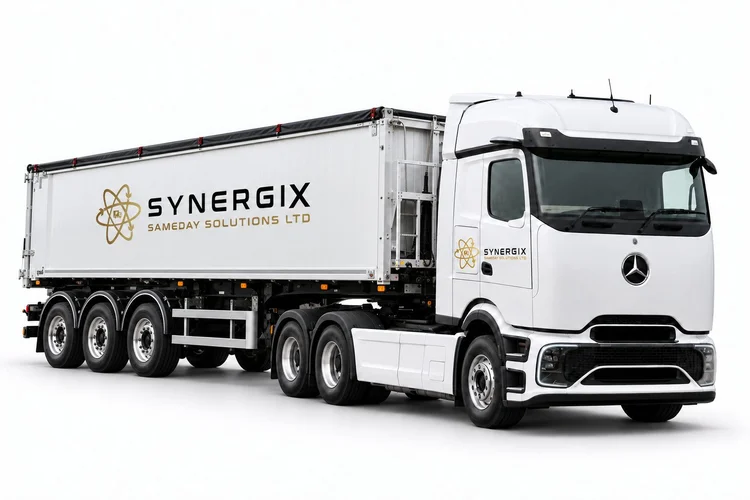
Bulk tipper trailer
Actual body specification confirmed
Load-specific capacity
Declare the material and contamination requirements. Check tipping space, overhead clearance and stable level ground.
Actual body, equipment and working payload checked.
View vehicle guide: Bulk tipper trailer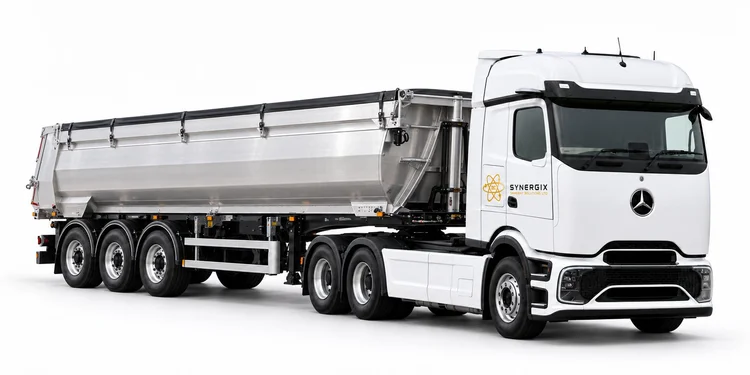
Alloy U-shaped tipper
Actual body specification confirmed
Load-specific capacity
Confirm material, liner or body compatibility, capacity and safe tipping conditions.
Actual body, equipment and working payload checked.
View vehicle guide: Alloy U-shaped tipper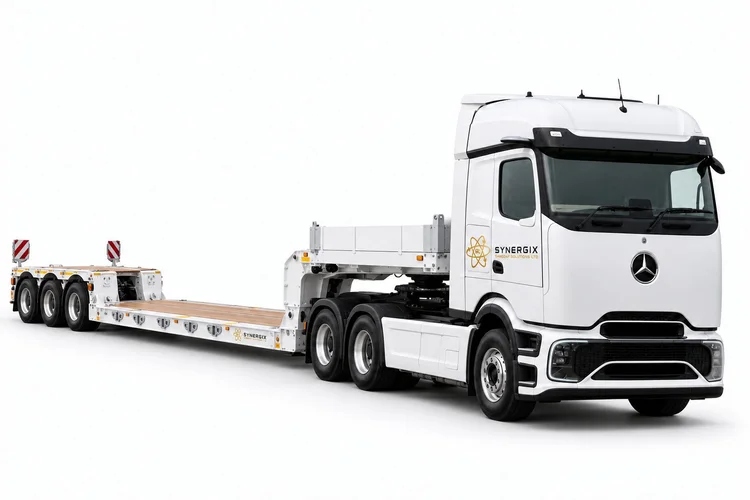
Low-loader
Actual body specification confirmed
Load-specific capacity
Check deck profile, ramps, concentrated weight, ground clearance and actual loaded dimensions.
Actual body, equipment and working payload checked.
View vehicle guide: Low-loader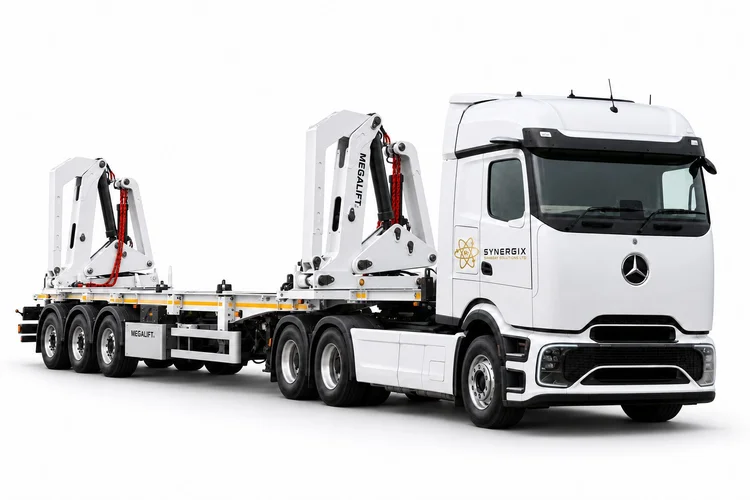
Megalift trailer
Actual body specification confirmed
Load-specific capacity
Container side-lifting needs the actual load, outreach, ground bearing and stabiliser working area checked.
Actual body, equipment and working payload checked.
View vehicle guide: Megalift trailer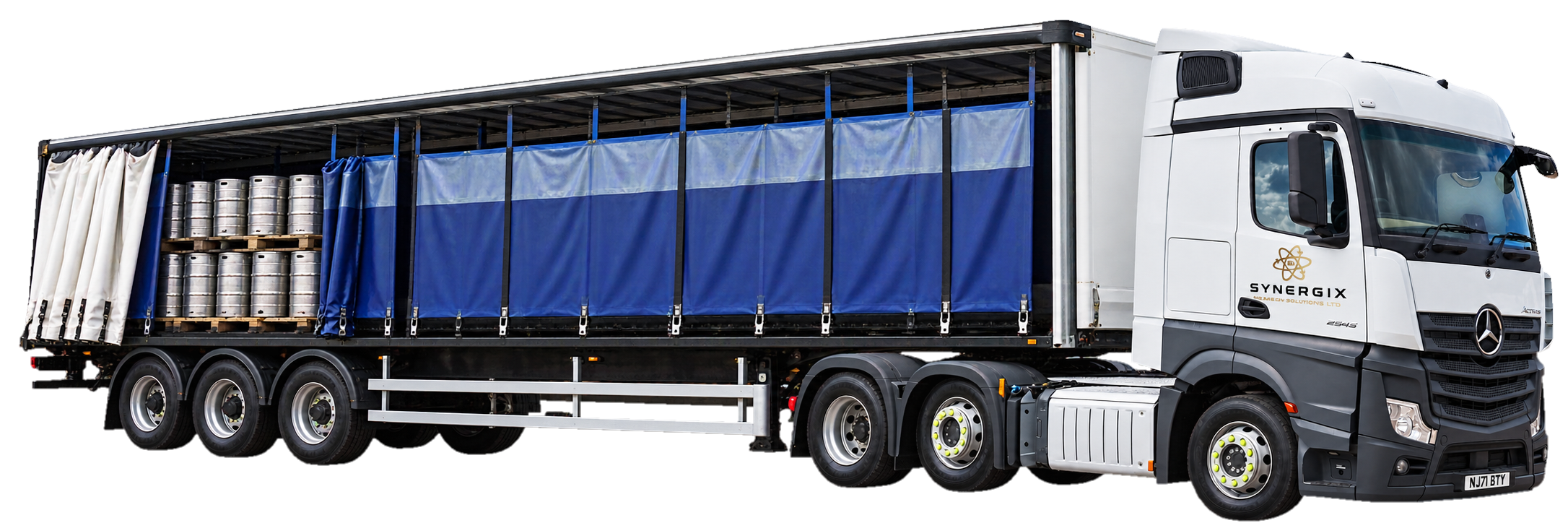
Purpose-built keg trailer
Keg layout and usable space confirmed
Actual trailer payload confirmed
For suitable keg distribution. Supply keg quantities, individual loaded weights, load presentation, site access and receiving arrangements.
Purpose-built keg trailers and other suitable vehicles are both used. Trailer layout, load restraint and unloading method are agreed for the job.
View vehicle guide: Purpose-built keg trailer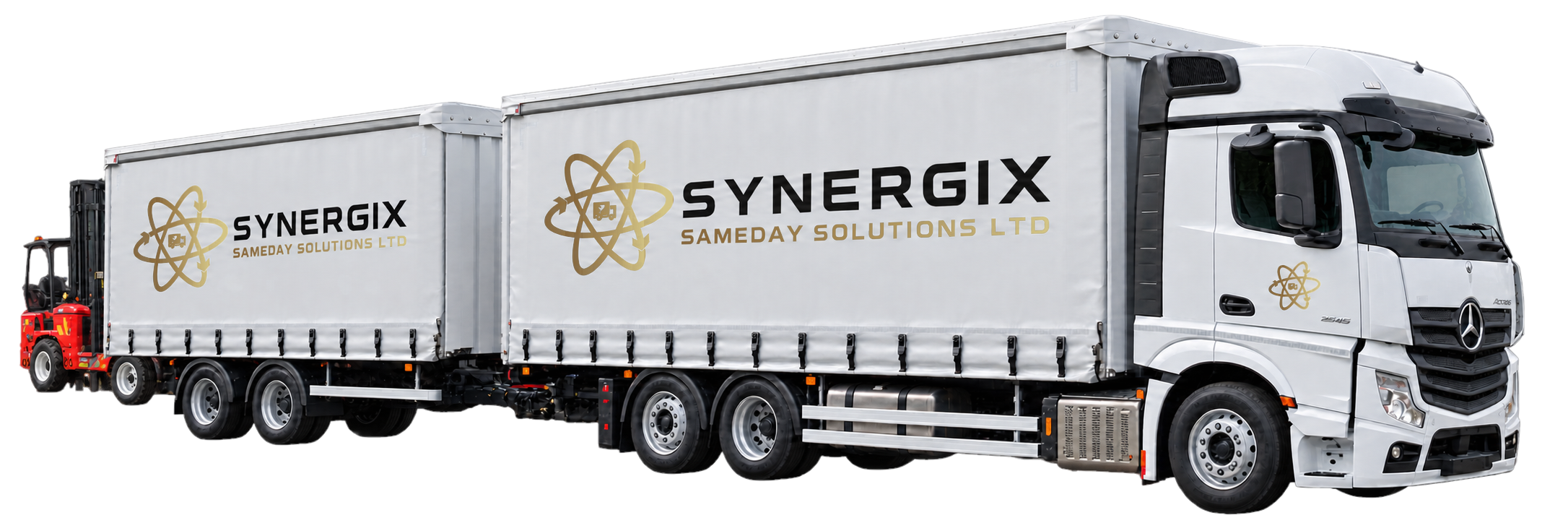
Wagon and drag MOFFETT
Both decks and forklift position confirmed
Actual completed combination payload confirmed
A rigid-and-drawbar combination with truck-mounted forklift unloading. Give individual load weights, deck allocation, unloading sequence and the ground route to the receiving point.
The carried forklift changes equipment position and freight allowance. Confirm the actual forklift, mounting, load-centre limits, ground and access.
View vehicle guide: Wagon and drag MOFFETTUse the slider or arrows, or open the stationary vehicle guide.
Stationary vehicle guide and dimensions
| Vehicle | Load space | Payload / equipment | Booking check |
|---|---|---|---|
| Small van | 1.2 × 1 × 1 m | Up to 400 kg | Standard body guide; actual vehicle checked. |
| Short wheelbase van | 2.4 × 1.2 × 1.2 m | Up to 800 kg | Standard body guide; actual vehicle checked. |
| Long wheelbase van | 3.6 × 1.2 × 1.8 m | Up to 1,250 kg | Standard body guide; actual vehicle checked. |
| Extra long wheelbase van | 4.2 × 1.2 × 1.8 m | Up to 1,100 kg | Standard body guide; actual vehicle checked. |
| Luton van | 4 × 2 × 2 m | Up to 1,100 kg | 900 kg with a tail lift; conversion checked. |
| 7.5 tonne lorry | 6 × 2.2–2.4 × 2–2.445 m | Up to 2,400 kg | Standard body guide; actual vehicle checked. |
| 18 tonne lorry | 7.5 × 2.4 × 2.5 m | Up to 9,000 kg | Standard body guide; actual vehicle checked. |
| 26 tonne lorry | 8 × 2.5 × 2.6 m | Up to 15,000 kg | Standard body guide; actual vehicle checked. |
| 13.6m articulated lorry | 13.6 × 2.5 × 2.6 m | Up to 26,000 kg | Standard body guide; actual vehicle checked. |
| Luton curtainsider | Actual body specification confirmed | Load-specific capacity | Actual body, equipment and working payload checked. |
| 7.5t curtainsider | Actual body specification confirmed | Load-specific capacity | Actual body, equipment and working payload checked. |
| 18t curtainsider | Actual body specification confirmed | Load-specific capacity | Actual body, equipment and working payload checked. |
| Articulated curtainsider | Actual body specification confirmed | Load-specific capacity | Actual body, equipment and working payload checked. |
| 18t flatbed HIAB | Actual body specification confirmed | Load-specific capacity | Actual body, equipment and working payload checked. |
| 26t flatbed HIAB | Actual body specification confirmed | Load-specific capacity | Actual body, equipment and working payload checked. |
| Wagon & drag, rear HIAB | Actual body specification confirmed | Load-specific capacity | Actual body, equipment and working payload checked. |
| Wagon & drag, front HIAB | Actual body specification confirmed | Load-specific capacity | Actual body, equipment and working payload checked. |
| Three-axle HIAB tractor | Actual body specification confirmed | Load-specific capacity | Actual body, equipment and working payload checked. |
| Four-axle heavy HIAB tractor | Actual body specification confirmed | Load-specific capacity | Actual body, equipment and working payload checked. |
| HIAB artic & flatbed | Actual body specification confirmed | Load-specific capacity | Actual body, equipment and working payload checked. |
| Heavy HIAB artic & flatbed | Actual body specification confirmed | Load-specific capacity | Actual body, equipment and working payload checked. |
| 26t flatbed MOFFETT | Actual body specification confirmed | Load-specific capacity | Actual body, equipment and working payload checked. |
| 26t curtainsider MOFFETT | Actual body specification confirmed | Load-specific capacity | Actual body, equipment and working payload checked. |
| Artic flatbed MOFFETT | Actual body specification confirmed | Load-specific capacity | Actual body, equipment and working payload checked. |
| Artic curtainsider MOFFETT | Actual body specification confirmed | Load-specific capacity | Actual body, equipment and working payload checked. |
| Articulated flatbed | Actual body specification confirmed | Load-specific capacity | Actual body, equipment and working payload checked. |
| Refrigerated trailer | Actual refrigerated space confirmed | Refrigerated trailer option | Actual body, equipment and working payload checked. |
| Double-deck box trailer | Actual body specification confirmed | Load-specific capacity | Actual body, equipment and working payload checked. |
| Double-deck curtainsider | Actual body specification confirmed | Load-specific capacity | Actual body, equipment and working payload checked. |
| Tanker trailer | Actual body specification confirmed | Load-specific capacity | Actual body, equipment and working payload checked. |
| Skeletal container trailer | Actual body specification confirmed | Load-specific capacity | Actual body, equipment and working payload checked. |
| Walking-floor trailer | Actual body specification confirmed | Load-specific capacity | Actual body, equipment and working payload checked. |
| Step-frame trailer | Actual body specification confirmed | Load-specific capacity | Actual body, equipment and working payload checked. |
| Bulk tipper trailer | Actual body specification confirmed | Load-specific capacity | Actual body, equipment and working payload checked. |
| Alloy U-shaped tipper | Actual body specification confirmed | Load-specific capacity | Actual body, equipment and working payload checked. |
| Low-loader | Actual body specification confirmed | Load-specific capacity | Actual body, equipment and working payload checked. |
| Megalift trailer | Actual body specification confirmed | Load-specific capacity | Actual body, equipment and working payload checked. |
| Purpose-built keg trailer | Keg layout and usable space confirmed | Actual trailer payload confirmed | Purpose-built keg trailers and other suitable vehicles are both used. Trailer layout, load restraint and unloading method are agreed for the job. |
| Wagon and drag MOFFETT | Both decks and forklift position confirmed | Actual completed combination payload confirmed | The carried forklift changes equipment position and freight allowance. Confirm the actual forklift, mounting, load-centre limits, ground and access. |
Match the handling to the job
A HIAB is a loader crane for an assessed lift or placement. A MOFFETT carries an unloading forklift for suitable loads at sites without receiving equipment. Standard-body dimensions and payload do not apply automatically to fitted equipment or refrigerated configurations. Confirm the actual load, ground, access and handling arrangements.
How the work happens
From booking to the final release.
Agree the responsibilities at each handover before stock arrives.
Send a load schedule
List each load type, quantity, packed footprint, loaded height, gross weight, stacking limits and the expected duration. Identify separate owners or allocations.
Agree the space and receipt
We assess the goods, unloading and suitable holding arrangement. Confirm the inbound appointment, receipt unit, checks, charges and authorised contacts before delivery.
Identify and put away
Incoming stock receives its individual label or barcode and assigned warehouse location. Agree how visible damage, quantity differences and unmatched references are referred back.
Hold or prepare a release
Stock remains under the agreed holding arrangement. Use exact references for any authorised picking or rebuilding, keeping the remaining units and any exceptions clear.
Hand over the agreed units
Confirm the collector, loading method and release window, or arrange suitable onward transport separately. Agree the required release/balance record; warehouse handover is not evidence of final delivery.
Warehouse management
An identity and a recorded location.
We use a warehouse management system. Each incoming stock unit receives its own individual label or barcode and an assigned warehouse location.
01
Receipt and references
Provide the owner, product references, expected quantities and arrival booking. Agree the checking unit: sealed pallet, carton or individual item. Visible damage, shortages and unidentified goods need a clear exception procedure.
02
Location and release
Warehouse identification connects the stock unit with its assigned location. Nominate who can authorise release and use precise references and quantities. Counts, reports, batch rules and integrations need their own agreed scope.
| Record | What to specify |
|---|---|
| Receipt | Product A, 12 sealed cartons. Item count not assumed. |
| Identification | Individual warehouse label or barcode and assigned location. |
| Release | Authorised instruction for 4 cartons. Confirm date and collector. |
| Balance and exceptions | Agree the remaining-stock report and any discrepancy review. |
Agree the important details
What changes the arrangement.
A useful quote starts with the constraints, not just a product name or vehicle size.
01
Declare weight honestly
Include packaging and the pallet in the weight. Flag concentrated loads, weak bases and damaged pallets before delivery. We need to confirm the equipment and storage position, not simply accept the vehicle class as a handling limit.
02
Separate storage and movements
Goods-in, put-away, picking, pallet rebuilding and release may be separate chargeable tasks. Explain expected stock turnover so your quote reflects the work as well as occupied space.
03
Check collection equipment
For transport using a pallet truck, an individual loaded pallet weighing 800 kg or more requires an electric pump truck to be arranged. This is our booking requirement, not a universal safe-handling threshold. Lower weights can also need powered equipment.
New to booking warehouse space?
Describe the footprint and height
Footprint means the outside floor area the loaded unit occupies. Measure length and width at the widest points, including overhanging cartons, then the full height from the floor to the top of the load. Include the pallet and wrapping. The empty base dimensions alone may understate the space needed.
Give the loaded weight and support
Gross weight means goods plus pallet and packaging. Use a supplier packing list, a load label or a confirmed weighing record where available. State damage, weak bases, concentrated weight and whether other units may be stacked on top. If unsure, send photographs and clearly marked estimates for assessment.
Specify what leaves as one unit
A release of one sealed pallet differs from five cartons selected from a mixed pallet. Provide the product references and the unit you mean. Agree permission to break wrapping, the checking level, replacement packaging and who approves shortages before the first split release.
Ten pallets do not always mean ten identical spaces
For example, eight wrapped loads fit their bases but two have fragile overhanging tops and cannot support anything above them. Send the actual sizes and photographs of both types, not just '10 pallets'. Tell us if all ten will leave together or if cartons must be reached during storage. This is an illustrative briefing example, not a customer record or a storage-capacity promise.
Practical detail for each requirement
Standard palletised stock
Provide the actual base dimensions, total loaded height and gross weight, including pallet and wrapping. Identify mixed products and whether the stock must leave as a sealed unit. Warehouse identification does not automatically include counting every item inside wrapped pallets.
Oversized or non-stackable pallets
Declare overhang, fragile faces, uneven loading and anything which cannot support another unit. Send photographs and the maximum permitted orientation. We confirm the storage and handling method; a standard pallet-space rate or standard rack position cannot be assumed.
Bulk cartons and packaged inventory
Group cartons by product, owner or agreed allocation. Give external sizes and safe stacking limits rather than just total item weight. Repeated access to individual cartons requires a different arrangement from leaving a whole pallet untouched.
Mixed receipts and staged releases
Identify which references belong on each receipt and which quantities will be needed later. Agree full-pallet release, carton picking or rebuilding a pallet separately. Stable packaging and clear instructions matter both while stock is held and when it is moved.
Why Synergix?
Stockholding with practical support.
A real warehouse operation, clear stock identification and useful support when plans change.
01
Stock with an identity
Individual warehouse labels or barcodes and assigned WMS locations connect incoming stock to a recorded place, rather than rely on memory or an unlabelled corner.
02
Access around the job
Discuss managed evening and weekend warehouse access or releases. Agree the time and authorised contacts so urgent requirements are planned rather than left to chance.
03
Trusted with demanding programmes
We support national retailers and major event operators, with warehousing, cross-docking and retail logistics in Northampton. Your stockholding can connect to that practical experience without a compulsory transport package.
04
Experience behind the plan
Three generations of family transport experience support practical decisions about goods, handling and timing. We explain the actual arrangements rather than promise every item fits the same service.
05
Support when stock must move
Courier, general haulage, retail distribution and specialist transport are available where suitable. Eligible UK courier collections can be arranged within 60 minutes, subject to the job, location and availability.
06
Clear transport evidence
Booked transport is insured, with tracking and proof of delivery available. Confirm applicable cover and evidence for your movement. These transport benefits do not replace agreed warehouse checks or stock cover.
A useful brief for a useful quote
Tell us what the stock needs.
Send the details below. We will confirm suitable space, the storage period, handling, availability and price before you book.
01
Stock and references
Goods, owner, quantities, product references and receipt unit.
02
Space and conditions
Packed dimensions, loaded weights, stacking limits, value and special requirements.
03
Dates and access
Arrival, expected duration, release pattern and evening or weekend needs.
04
Warehouse work
Counts, inspection, picking, preparation, reporting and collector or transport requirements.
Email your brief to sales@synergixsameday.com. Do not send undeclared goods before acceptance.
For buying teams and repeat bookings
Compare more than a pallet rate
Agree how standard, oversized and non-stackable stock are charged. Separate space and duration from receipt, put-away, picks, rebuilding, wrap, checks and release work. Give normal and peak quantities plus expected stock turnover so the quote reflects the actual operation.
Fix the counting unit
State whether a receipt check concerns sealed pallets, cartons or individual products. Confirm how mixed products, damaged packaging and shortages are handled, who makes the decision and who can authorise release. A barcode does not automatically mean every product inside has been counted.
Confirm suitability and cover
Declare the goods, ownership, value and any special risks or required conditions. Confirm applicable storage terms and stock cover. Transport can be arranged but is not compulsory; insured road movement does not automatically define the cover for stock while held.
Plan regular replenishment
Share supplier arrival patterns, peak stock, expected release sizes and any supplier-approval or purchase-order requirements. Discuss stock reports and review arrangements with the team. Report formats, account terms and service commitments must be agreed, not assumed.
Before you book
Pallet and bulk storage questions.
Practical answers about the service and what to agree.
Do you only accept standard UK pallets?
Send the actual footprint, loaded height and weight. Standard, Euro and out-of-gauge units can be assessed for the booking. Acceptance and storage method depend on the goods, base condition, equipment and available space.
Are prices always per pallet?
Not necessarily. Non-standard dimensions, non-stackability, access and handling can change the basis. We agree the storage unit and charges for your actual stock rather than assume every pallet uses the same space.
Can you split a pallet for a release?
Discuss the product references, checking level and quantities required. Carton or item picking, new wrapping and pallet rebuilding need to be included in the agreed handling scope.
Do you offer a pallet-network delivery service?
No. Synergix is not in a pallet network and does not offer pallet-network services. Transport can be discussed separately through our actual dedicated pallet transport and general haulage arrangements.
Can you store loose bulk material?
This page concerns suitable packaged or palletised business stock. Loose, hazardous, leaking or specialist bulk materials need a separate suitability review and must not be sent without prior acceptance.
How are warehouse goods identified?
Incoming stock units receive their own individual label or barcode and an assigned location in our warehouse management system. Agree the unit, receipt checks and required reports. The WMS does not automatically mean item-level counting, product testing or an external system connection.
Can access be arranged in the evening or at weekends?
Yes, discuss managed access or stock releases with our warehouse team. Confirm the stock references, quantities, authorised person and time. This is planned warehouse access, not unrestricted walk-in access to a self-storage unit.
What affects the price?
Goods, occupied space, duration, handling frequency, checking level and access requirements affect the quote. Declare specialist conditions and peak quantities. Transport, materials and extra warehouse work should be clear rather than hidden in an assumed all-inclusive rate.
How are security and stock cover handled?
We use managed warehouse holding and authorised release arrangements. Declare the stock, value and special risks so acceptance, terms and applicable cover can be confirmed. Insured transport does not automatically define warehouse contents or on-site stock cover.
Can you arrange transport as well?
Yes, suitable collection or onward delivery can be discussed separately. You can also arrange an authorised warehouse collection. Give packed dimensions, gross weights, loading and unloading details, access and required times so the actual vehicle and equipment can be checked.
What is the difference between pallet and bulk-stock storage?
Pallet storage holds goods presented on an identified pallet. Packaged bulk stock can include quantities of cartons or other suitable packed units requiring an agreed space and handling method. On this page, bulk does not mean loose grain, powders, liquids or tipped commodities. Declare the actual goods before acceptance.
What if my supplier only knows the number of pallets?
Ask for a packing list with loaded outside length, width, height and gross weight for each load type. Photographs help show overhang, base condition and whether the tops are fragile. Mark missing details or estimates clearly; the final storage and handling arrangement needs the actual load information.
Do I need a forklift at the final delivery site?
Describe the receiver's equipment before any transport is booked. A suitable tail lift and pallet truck or an assessed MOFFETT carried-forklift arrangement may be appropriate. Weight, pallet condition, access, ground and working space decide suitability. The warehouse release itself does not include an unplanned unloading service at the receiver.
Pallet and bulk storage
Start with your stock.
Send the goods, quantities, dates and practical requirements. We will explain the suitable arrangement and agree the scope before you book.