
Synergix / Road haulage & freight
HIAB crane delivery
Transport and crane handling, planned together.
Move suitable heavy, bulky and awkward goods with a lorry-mounted crane available for the agreed lift. Synergix checks the load, lifting radius, set-down position and site before arranging HIAB delivery.
UK & EuropeThe actual route and vehicle confirmed.
Fully insured transportCover checked for your goods and service.
Tracking & live PODVisibility and delivery confirmation.
24/7 operationsSupport when the job or timing changes.
What Synergix provides
HIAB Crane Delivery
A HIAB loader crane can lift a suitable load on or off its vehicle and place it within its assessed working area. It is different from forklift unloading or a mobile crane hire contract. Transport, loading, unloading and any placement must be defined in the booking, with the right equipment and competent planning for the task.
The lift
Weight and reach belong together
A crane’s useful lifting capacity depends on its configuration and the required radius. Send the true weight, dimensions, centre of gravity and the distance from the planned crane position to both pick and set-down points. A headline maximum capacity is not enough.
The site
Space to set up and work
The vehicle needs suitable access and a safe operating area. Ground bearing, outrigger space, covers, underground services, slopes, overhead lines and other activity can affect the lift. Photographs help, but do not replace the required assessment.
Customers, goods and situations
Transport and an assessed crane lift
Contractors, equipment owners and festival teams need the goods, carrying vehicle and lift planned together. The actual weight, lifting radius and working site determine the equipment and agreed placement.
Who needs HIAB delivery?
A loader crane can help when suitable goods need lifting from the vehicle to an assessed position, rather than ordinary fork or platform unloading.
Contractors and material suppliers
Connect delivery with site readiness
Suitable fabrications and building materials can need lifting at a site without the required receiving equipment. Share the load’s handling instructions and where the materials are needed, so vehicle access and placement are assessed together.
Manufacturers and equipment owners
Position a suitable industrial unit
Generators and other industrial equipment may have specific balance and lifting points. Obtain the unit’s reliable transport weight and lifting instructions, including any frame or accessory requirements, before selecting the crane.
Festival and event teams
Plan placement within the build schedule
Synergix frequently uses HIABs for festival work. The receiving area, movement slot, accreditation, ground and other site activities need to work together. A crane lift and MOFFETT forklift travel remain different handling choices.
Types of loads we transport
Select a category for the details that change the transport plan.
- Building materials and fabrications
- Industrial equipment and units
- Site and project deliveries
- Festival and event loads
Building materials and fabrications
Long packs, steel sections and suitable construction materials need stable packaging and an agreed lifting method. Give support/lifting instructions and the location where the materials are required. Do not assume a crane can place every load over an obstacle.
Industrial equipment and units
Generators and other suitable units need known weights, lifting points and centre of gravity. Confirm whether lifting accessories, frames or other specialist equipment are required and who provides them.
Site and project deliveries
Where there is no suitable site forklift, a crane-assisted delivery may be appropriate. Send gate dimensions, set-up and set-down areas, surface information and any site induction or permit requirements before the vehicle is selected.
Festival and event loads
Synergix frequently uses HIABs for festival work. The load, reach, ground and site movement plan need checking around build-up or breakdown windows. Crane placement and MOFFETT forklift unloading have different suitability requirements.
Jobs to plan together
These examples explain an enquiry brief. Your load and site determine the actual arrangement.
The job
A heavy unit delivered to site
The receiver needs crane unloading. Supply the unit specification, lifting drawing and a measured plan of the vehicle position and set-down point to assess the right arrangement.
The job
A festival build delivery
A suitable load must be placed within a controlled event area. The enquiry needs the delivery slot, accreditation, ground details and separation from other site operations.
Vehicles and equipment
Explore the Synergix vehicle range
This is our wider fleet overview. The correct body, access, equipment and working capacity are confirmed for the named service and your goods. Each illustrated configuration has its own role; the overview does not mean every vehicle performs every service.
39 vehicle options. Browse horizontally or open the stationary guide.
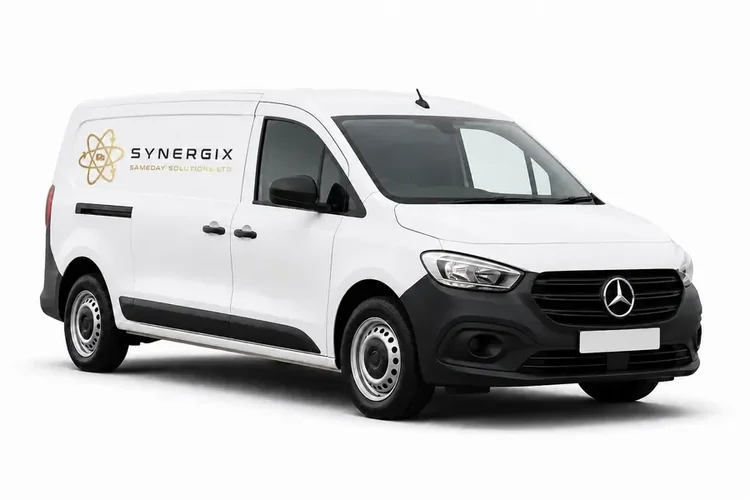
Small van
1.2 × 1 × 1 m
Up to 400 kg
A practical starting point for urgent parts, documents, samples and compact business deliveries.
Standard body guide; actual vehicle checked.
View vehicle guide: Small van
SWB van
2.4 × 1.2 × 1.2 m
Up to 800 kg
Useful for stock, tools and smaller pallet loads that need more room than a small van.
Standard body guide; actual vehicle checked.
View vehicle guide: Short wheelbase van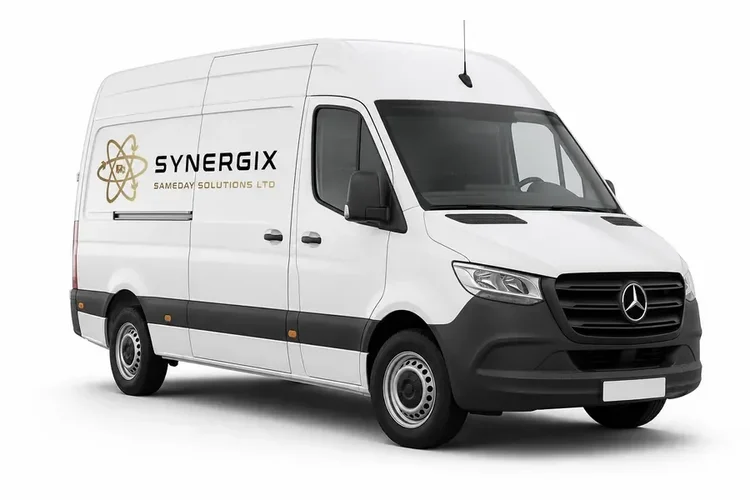
LWB van
3.6 × 1.2 × 1.8 m
Up to 1,250 kg
More floor length for equipment, boxed stock, signage and longer items on dedicated courier work.
Standard body guide; actual vehicle checked.
View vehicle guide: Long wheelbase van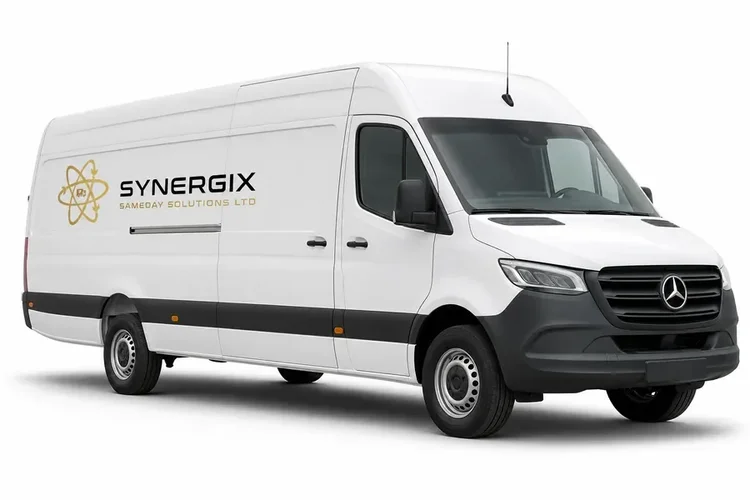
XLWB van
4.2 × 1.2 × 1.8 m
Up to 1,100 kg
Extra length for bulky, lighter consignments and long items that need an enclosed vehicle.
Standard body guide; actual vehicle checked.
View vehicle guide: Extra long wheelbase van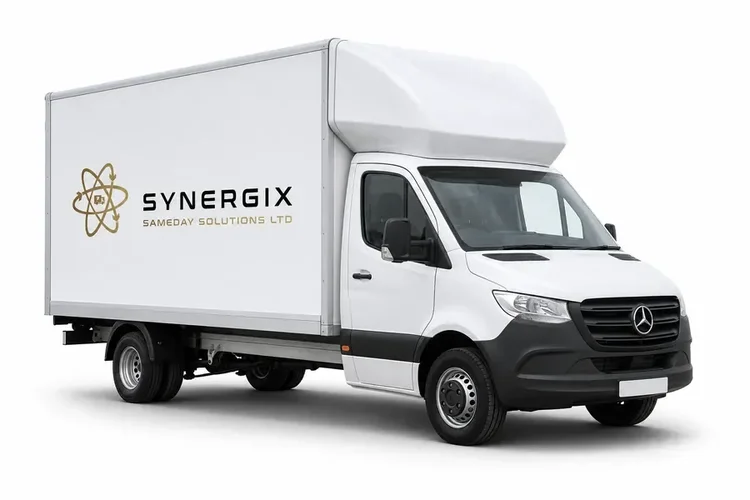
Luton van
4 × 2 × 2 m
Up to 1,100 kg
A wider box-shaped load area for bulky stock, furniture and light palletised deliveries.
900 kg with a tail lift; conversion checked.
View vehicle guide: Luton van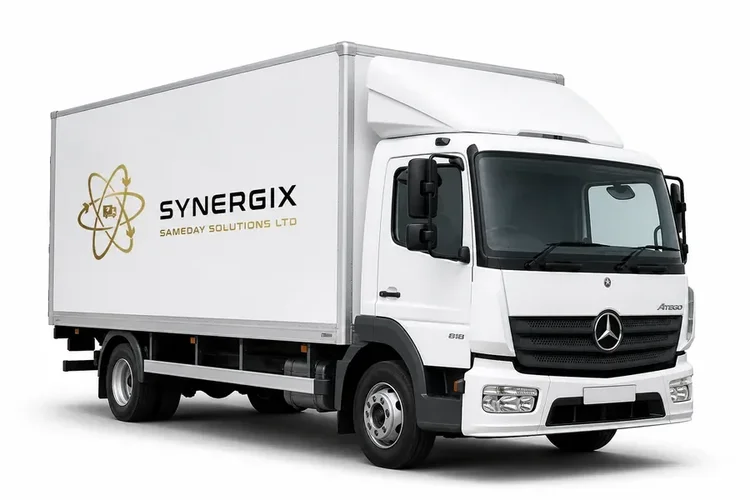
7.5 tonne lorry
6 × 2.2–2.4 × 2–2.445 m
Up to 2,400 kg
A step up from vans for pallet deliveries, retail stock and bulky goods requiring a rigid lorry.
Standard body guide; actual vehicle checked.
View vehicle guide: 7.5 tonne lorry
18 tonne lorry
7.5 × 2.4 × 2.5 m
Up to 9,000 kg
A larger rigid for regular distribution, industrial goods and heavier pallet loads.
Standard body guide; actual vehicle checked.
View vehicle guide: 18 tonne lorry
26 tonne lorry
8 × 2.5 × 2.6 m
Up to 15,000 kg
A higher-capacity rigid option for substantial pallet, building-material and distribution loads.
Standard body guide; actual vehicle checked.
View vehicle guide: 26 tonne lorry
13.6m artic
13.6 × 2.5 × 2.6 m
Up to 26,000 kg
Full and part loads, regular trunking and larger consignments. Choose the trailer around the goods and unloading method.
Standard body guide; actual vehicle checked.
View vehicle guide: 13.6m articulated lorry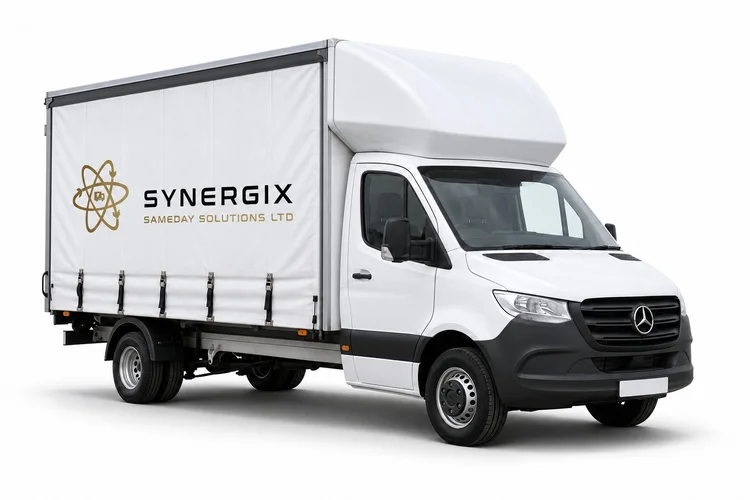
Luton curtainsider
Actual body specification confirmed
Load-specific capacity
Side loading needs a suitable opening, securing system and safe forklift access. Confirm the actual body space and payload.
Actual body, equipment and working payload checked.
View vehicle guide: Luton curtainsider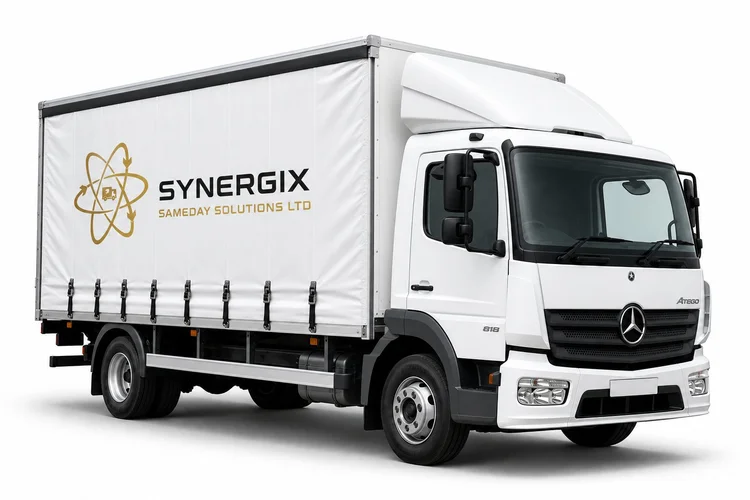
7.5t curtainsider
Actual body specification confirmed
Load-specific capacity
Side loading needs a suitable opening, securing system and safe forklift access. Confirm the actual body space and payload.
Actual body, equipment and working payload checked.
View vehicle guide: 7.5t curtainsider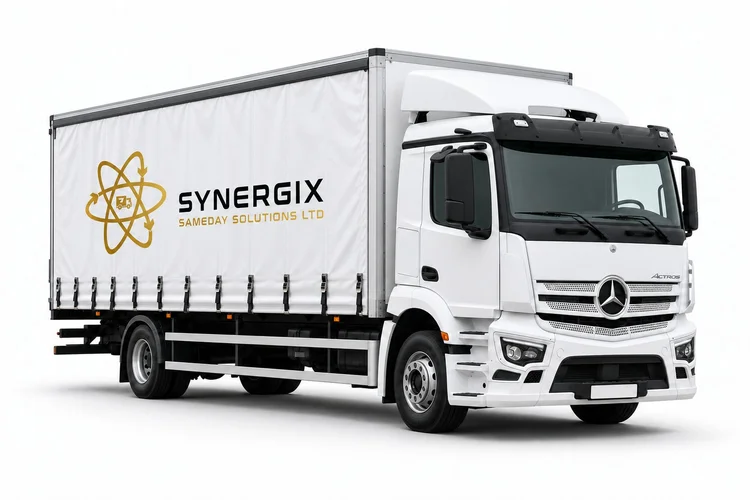
18t curtainsider
Actual body specification confirmed
Load-specific capacity
Side loading needs a suitable opening, securing system and safe forklift access. Confirm the actual body space and payload.
Actual body, equipment and working payload checked.
View vehicle guide: 18t curtainsider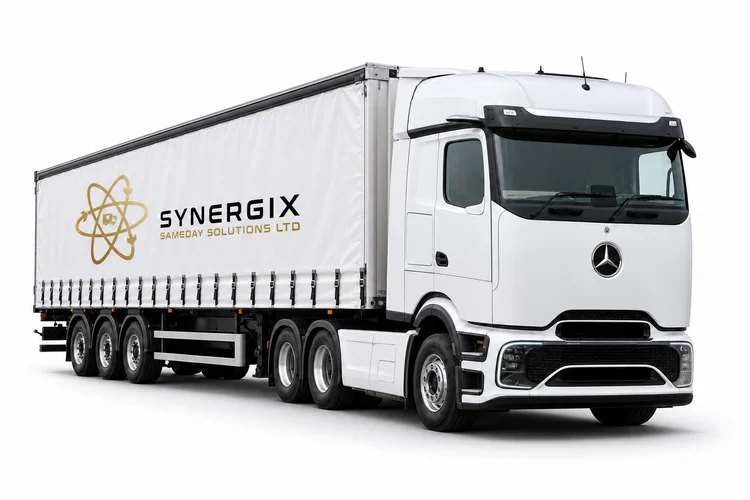
Articulated curtainsider
Actual body specification confirmed
Load-specific capacity
Side loading needs a suitable opening, securing system and safe forklift access. Confirm the actual body space and payload.
Actual body, equipment and working payload checked.
View vehicle guide: Articulated curtainsider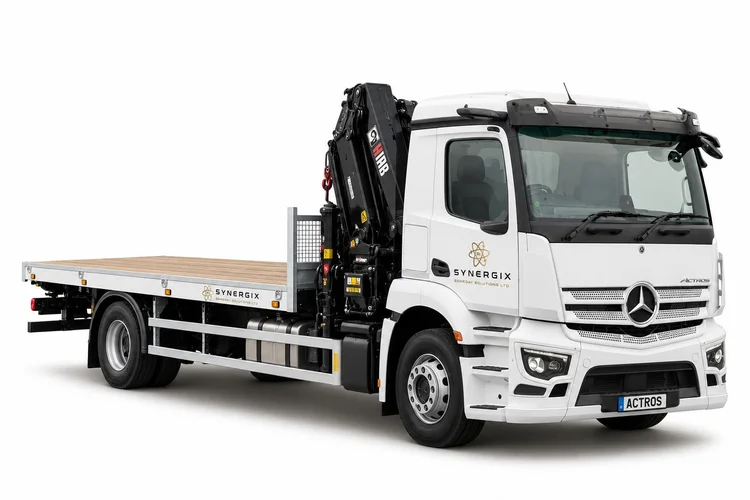
18t flatbed HIAB
Actual body specification confirmed
Load-specific capacity
Check load weight, lifting points, reach, ground, stabiliser space and the actual lift plan. Standard-body payload does not apply.
Actual body, equipment and working payload checked.
View vehicle guide: 18t flatbed HIAB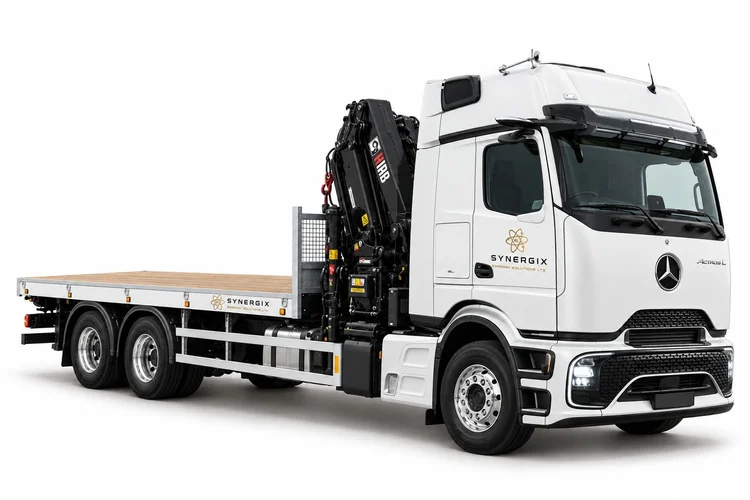
26t flatbed HIAB
Actual body specification confirmed
Load-specific capacity
Check load weight, lifting points, reach, ground, stabiliser space and the actual lift plan. Standard-body payload does not apply.
Actual body, equipment and working payload checked.
View vehicle guide: 26t flatbed HIAB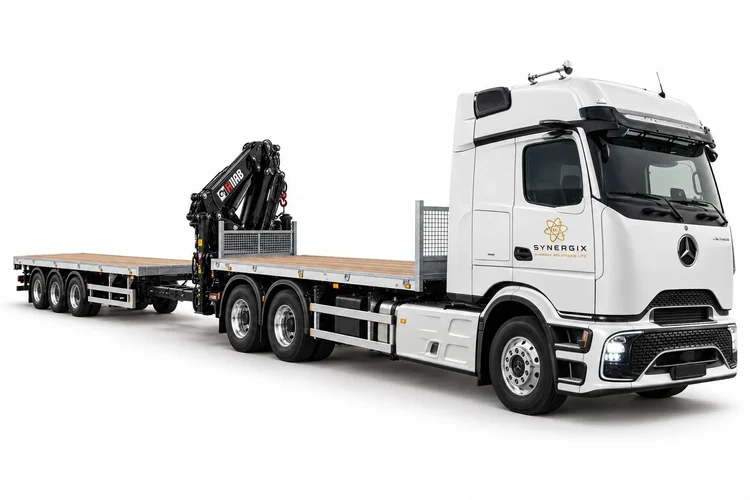
Wagon & drag, rear HIAB
Actual body specification confirmed
Load-specific capacity
Check load weight, lifting points, reach, ground, stabiliser space and the actual lift plan. Standard-body payload does not apply.
Actual body, equipment and working payload checked.
View vehicle guide: Wagon & drag, rear HIAB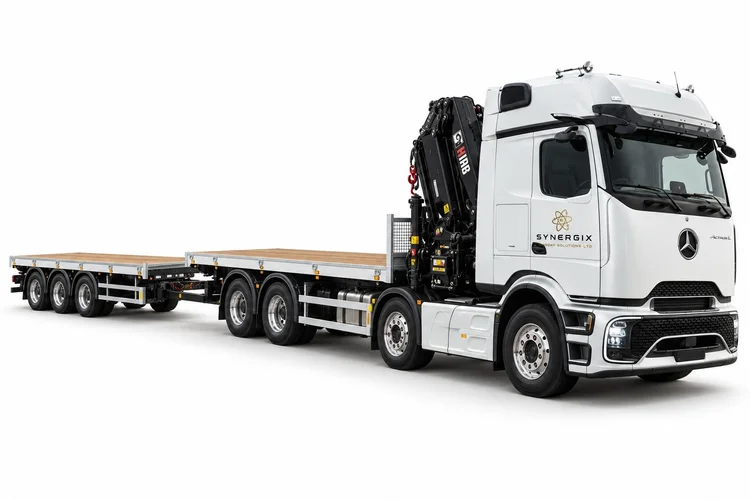
Wagon & drag, front HIAB
Actual body specification confirmed
Load-specific capacity
Check load weight, lifting points, reach, ground, stabiliser space and the actual lift plan. Standard-body payload does not apply.
Actual body, equipment and working payload checked.
View vehicle guide: Wagon & drag, front HIAB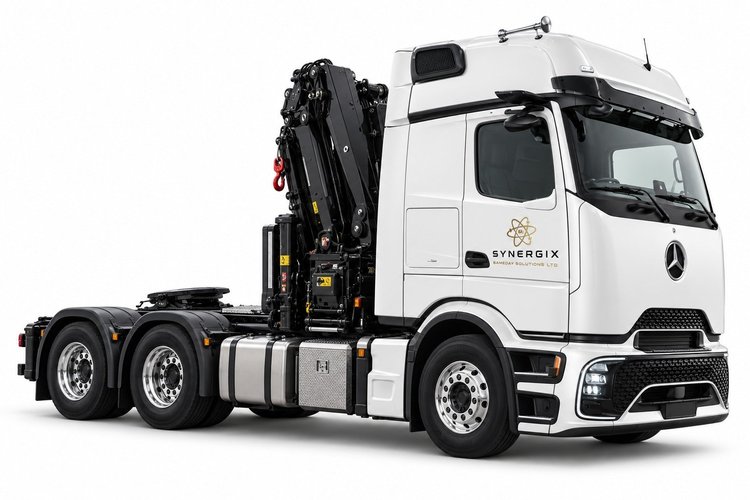
Three-axle HIAB tractor
Actual body specification confirmed
Load-specific capacity
Check load weight, lifting points, reach, ground, stabiliser space and the actual lift plan. Standard-body payload does not apply. Tractor shown without a trailer. Agree the complete combination.
Actual body, equipment and working payload checked.
View vehicle guide: Three-axle HIAB tractor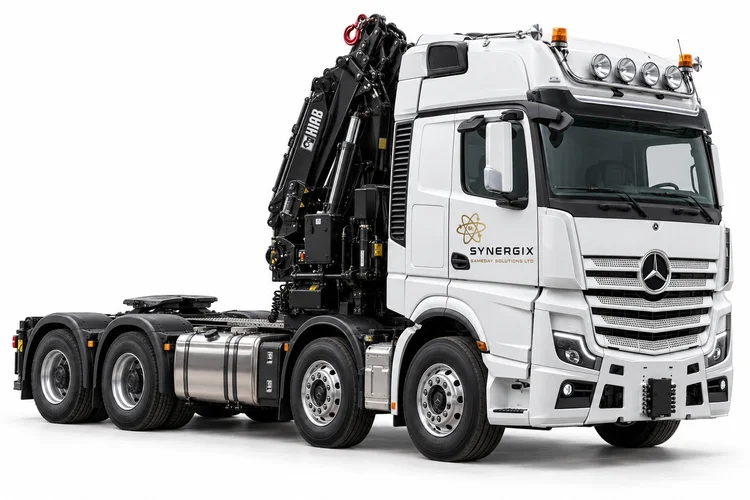
Four-axle heavy HIAB tractor
Actual body specification confirmed
Load-specific capacity
Check load weight, lifting points, reach, ground, stabiliser space and the actual lift plan. Standard-body payload does not apply. Tractor shown without a trailer. Agree the complete combination.
Actual body, equipment and working payload checked.
View vehicle guide: Four-axle heavy HIAB tractor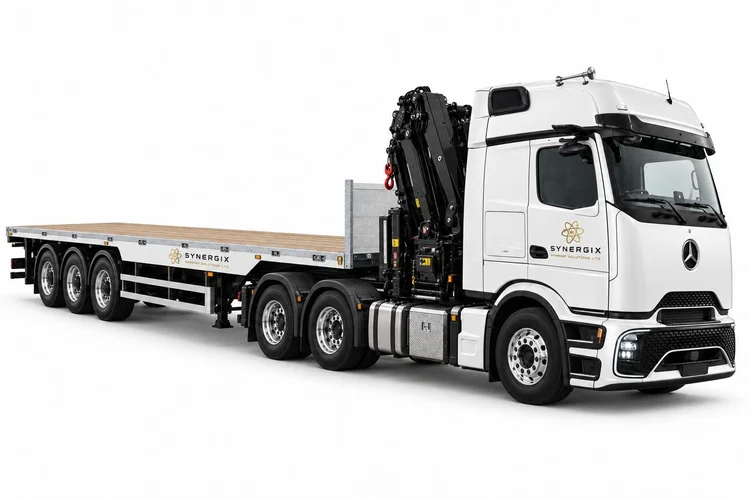
HIAB artic & flatbed
Actual body specification confirmed
Load-specific capacity
Check load weight, lifting points, reach, ground, stabiliser space and the actual lift plan. Standard-body payload does not apply.
Actual body, equipment and working payload checked.
View vehicle guide: HIAB artic & flatbed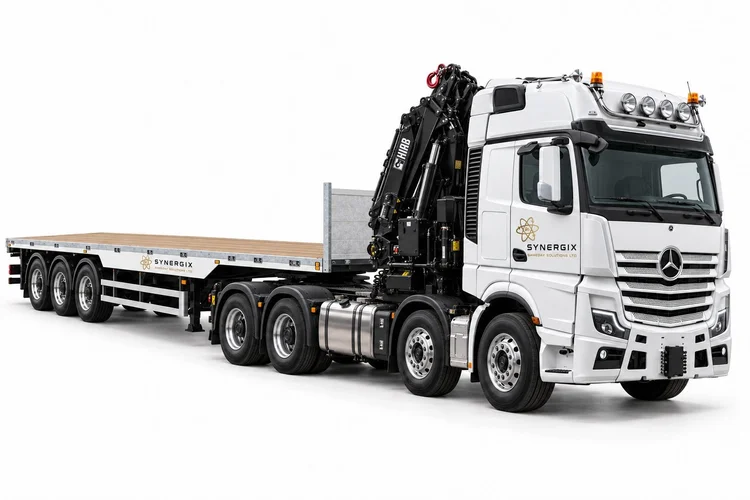
Heavy HIAB artic & flatbed
Actual body specification confirmed
Load-specific capacity
Check load weight, lifting points, reach, ground, stabiliser space and the actual lift plan. Standard-body payload does not apply.
Actual body, equipment and working payload checked.
View vehicle guide: Heavy HIAB artic & flatbed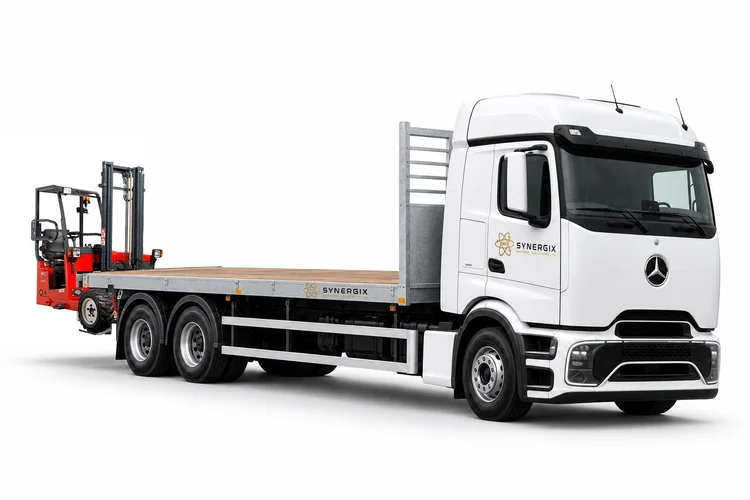
26t flatbed MOFFETT
Actual body specification confirmed
Load-specific capacity
Carried forklift unloading. Check load centre, item weight, fork access, ground, gradients and working space. Fitted equipment reduces payload.
Actual body, equipment and working payload checked.
View vehicle guide: 26t flatbed MOFFETT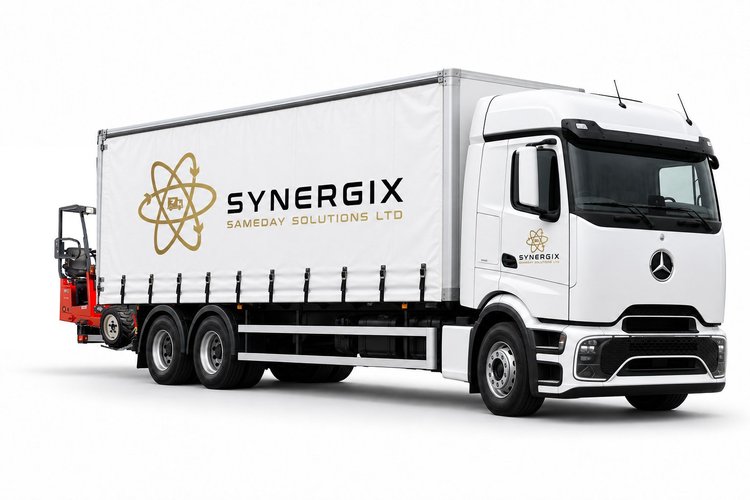
26t curtainsider MOFFETT
Actual body specification confirmed
Load-specific capacity
Carried forklift unloading. Check load centre, item weight, fork access, ground, gradients and working space. Fitted equipment reduces payload.
Actual body, equipment and working payload checked.
View vehicle guide: 26t curtainsider MOFFETT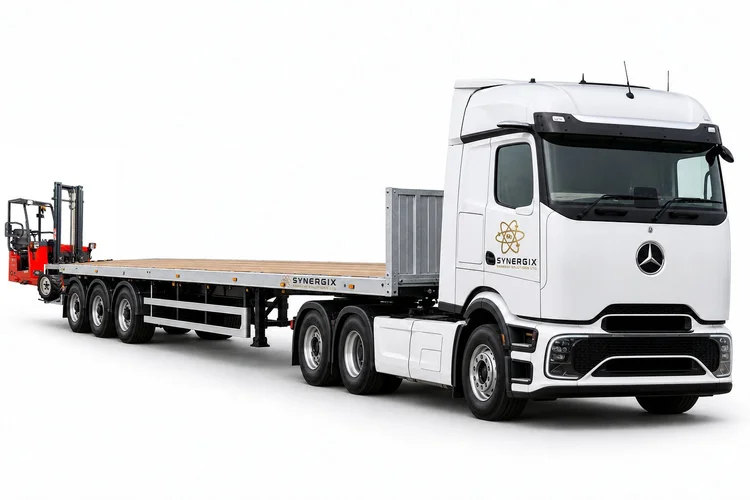
Artic flatbed MOFFETT
Actual body specification confirmed
Load-specific capacity
Carried forklift unloading. Check load centre, item weight, fork access, ground, gradients and working space. Fitted equipment reduces payload.
Actual body, equipment and working payload checked.
View vehicle guide: Artic flatbed MOFFETT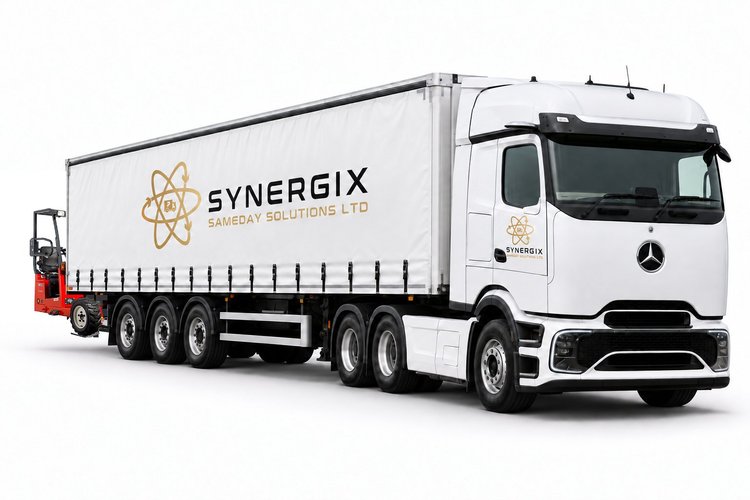
Artic curtainsider MOFFETT
Actual body specification confirmed
Load-specific capacity
Carried forklift unloading. Check load centre, item weight, fork access, ground, gradients and working space. Fitted equipment reduces payload.
Actual body, equipment and working payload checked.
View vehicle guide: Artic curtainsider MOFFETT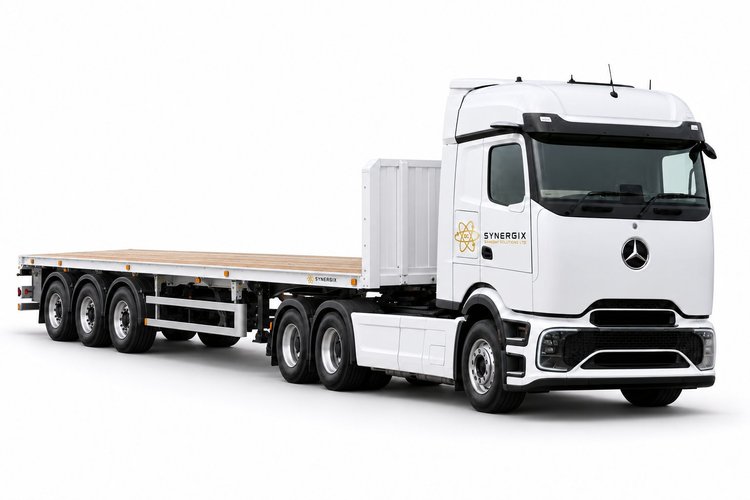
Articulated flatbed
Actual body specification confirmed
Load-specific capacity
Open-deck goods need appropriate weather protection, restraint and loading equipment.
Actual body, equipment and working payload checked.
View vehicle guide: Articulated flatbed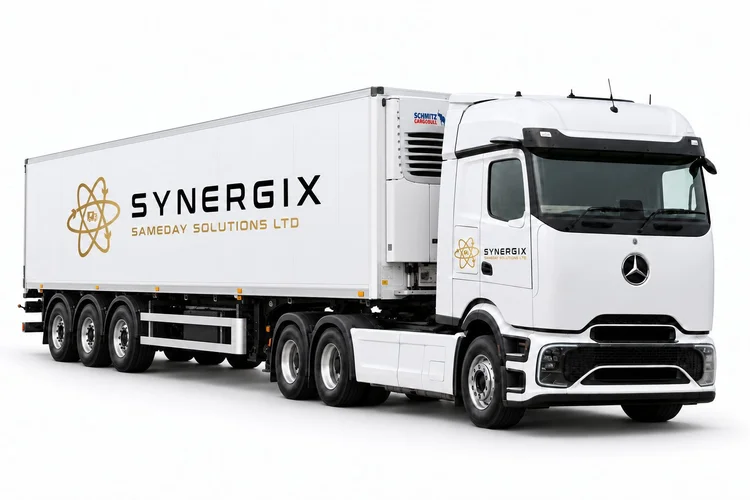
Refrigerated trailer
Actual refrigerated space confirmed
Refrigerated trailer option
Confirm goods, temperature, usable space, payload, power and operating responsibilities. Transport and static hire are separate bookings.
Actual body, equipment and working payload checked.
View vehicle guide: Refrigerated trailer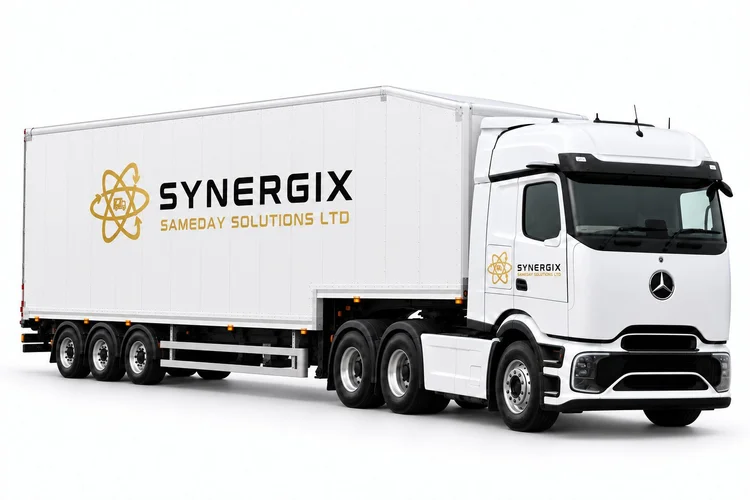
Double-deck box trailer
Actual body specification confirmed
Load-specific capacity
Check both deck heights, individual deck limits, access and the actual loading sequence.
Actual body, equipment and working payload checked.
View vehicle guide: Double-deck box trailer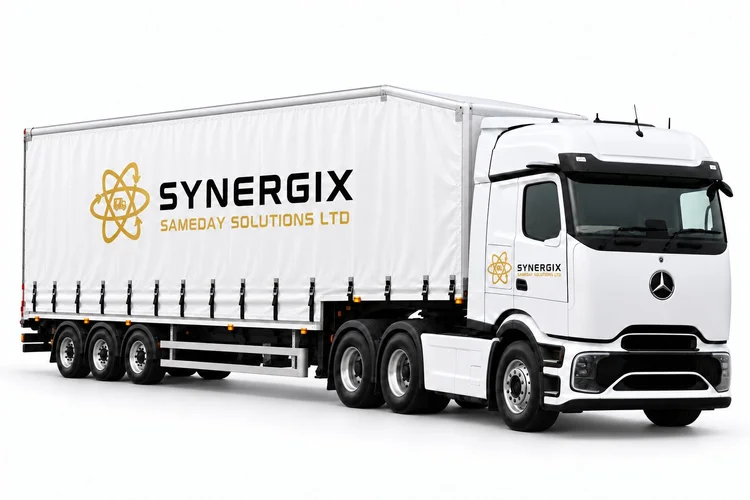
Double-deck curtainsider
Actual body specification confirmed
Load-specific capacity
Confirm deck heights, weight distribution, side access and the securing plan.
Actual body, equipment and working payload checked.
View vehicle guide: Double-deck curtainsider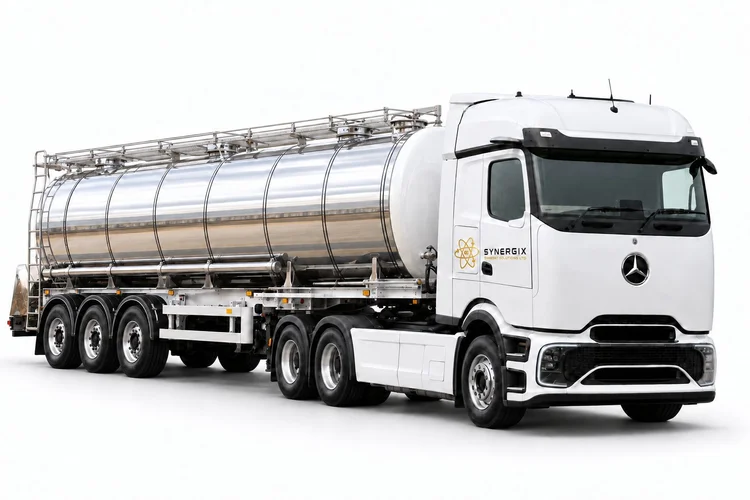
Tanker trailer
Actual body specification confirmed
Load-specific capacity
Declare the product, compatibility, hygiene, transfer equipment and any regulatory requirements. Acceptance is checked, not automatic.
Actual body, equipment and working payload checked.
View vehicle guide: Tanker trailer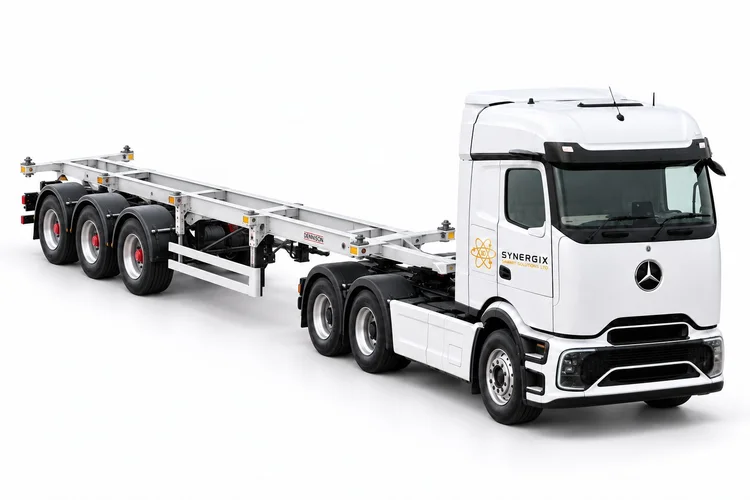
Skeletal container trailer
Actual body specification confirmed
Load-specific capacity
Confirm container size, loaded weight, twistlock positions and terminal or site lifting arrangements.
Actual body, equipment and working payload checked.
View vehicle guide: Skeletal container trailer
Walking-floor trailer
Actual body specification confirmed
Load-specific capacity
Check material suitability, unloading clearance, ground and the actual moving-floor arrangement.
Actual body, equipment and working payload checked.
View vehicle guide: Walking-floor trailer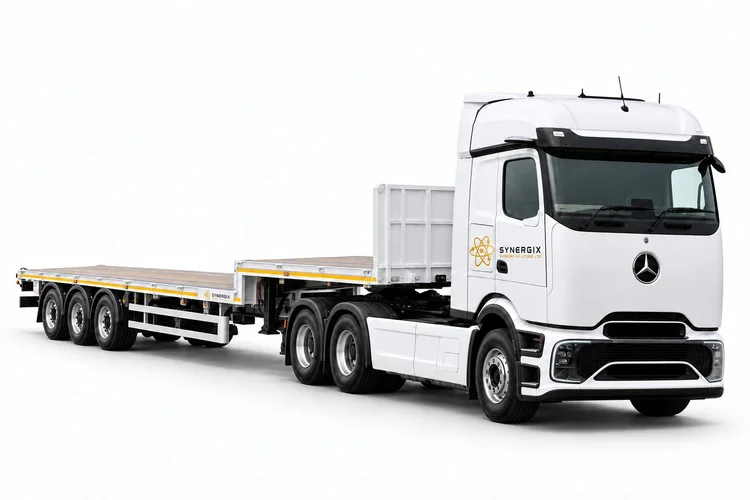
Step-frame trailer
Actual body specification confirmed
Load-specific capacity
Check each deck length and height, point loads, overall loaded height and loading method.
Actual body, equipment and working payload checked.
View vehicle guide: Step-frame trailer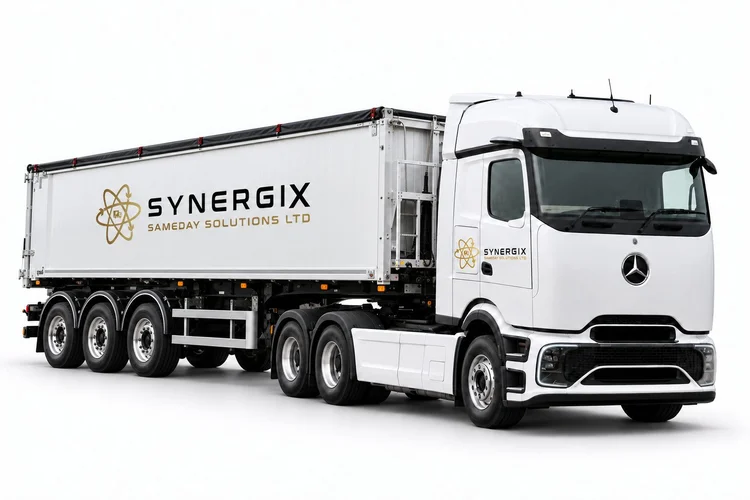
Bulk tipper trailer
Actual body specification confirmed
Load-specific capacity
Declare the material and contamination requirements. Check tipping space, overhead clearance and stable level ground.
Actual body, equipment and working payload checked.
View vehicle guide: Bulk tipper trailer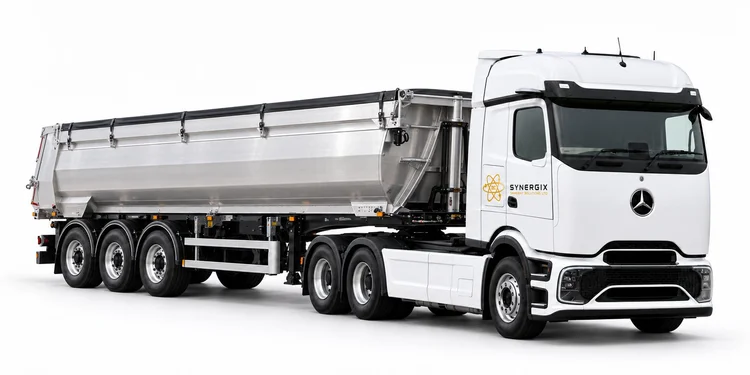
Alloy U-shaped tipper
Actual body specification confirmed
Load-specific capacity
Confirm material, liner or body compatibility, capacity and safe tipping conditions.
Actual body, equipment and working payload checked.
View vehicle guide: Alloy U-shaped tipper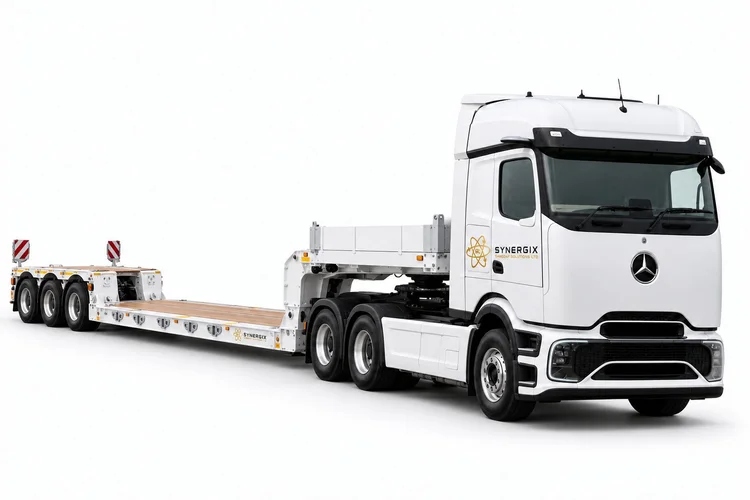
Low-loader
Actual body specification confirmed
Load-specific capacity
Check deck profile, ramps, concentrated weight, ground clearance and actual loaded dimensions.
Actual body, equipment and working payload checked.
View vehicle guide: Low-loader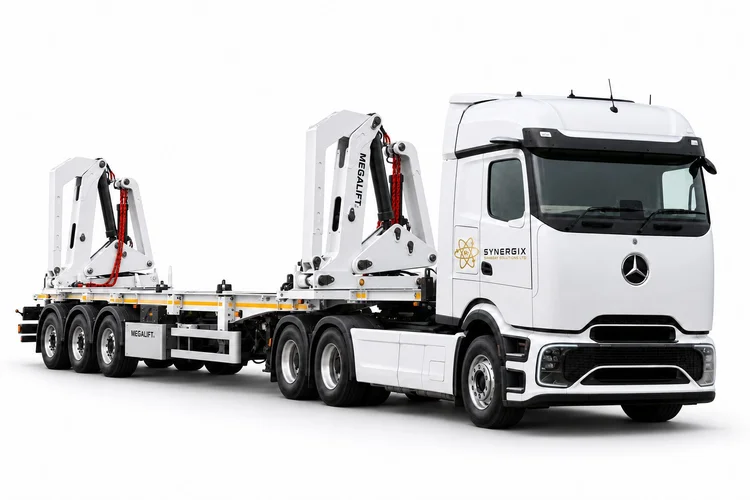
Megalift trailer
Actual body specification confirmed
Load-specific capacity
Container side-lifting needs the actual load, outreach, ground bearing and stabiliser working area checked.
Actual body, equipment and working payload checked.
View vehicle guide: Megalift trailer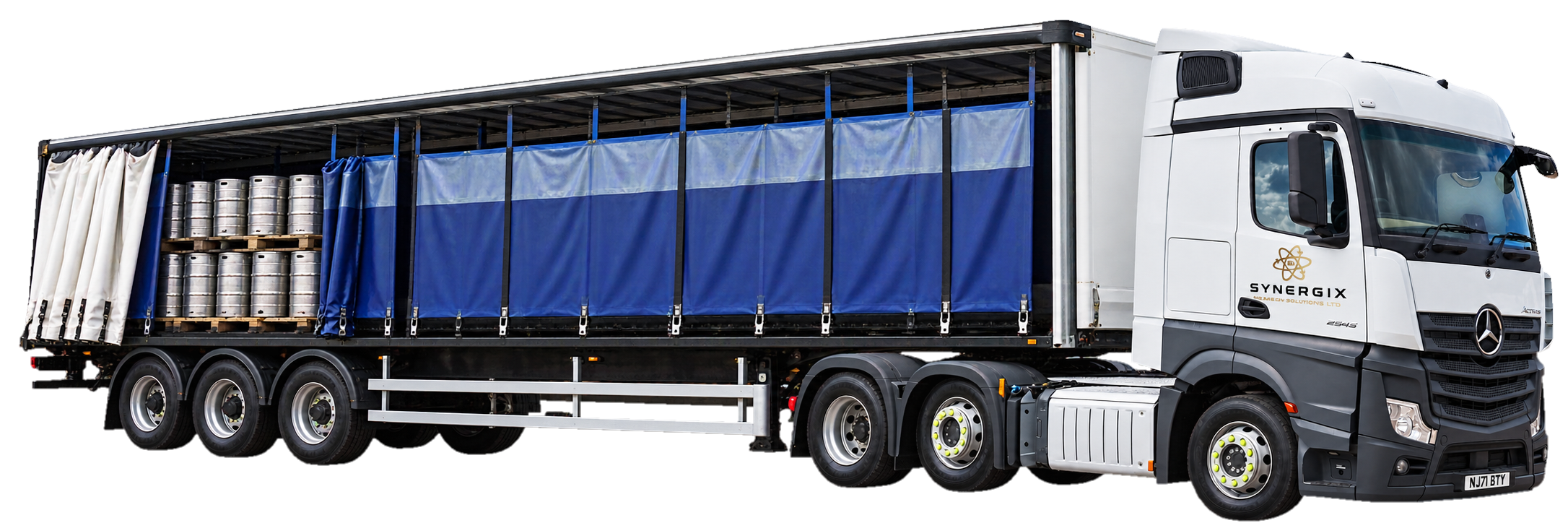
Purpose-built keg trailer
Keg layout and usable space confirmed
Actual trailer payload confirmed
For suitable keg distribution. Supply keg quantities, individual loaded weights, load presentation, site access and receiving arrangements.
Purpose-built keg trailers and other suitable vehicles are both used. Trailer layout, load restraint and unloading method are agreed for the job.
View vehicle guide: Purpose-built keg trailer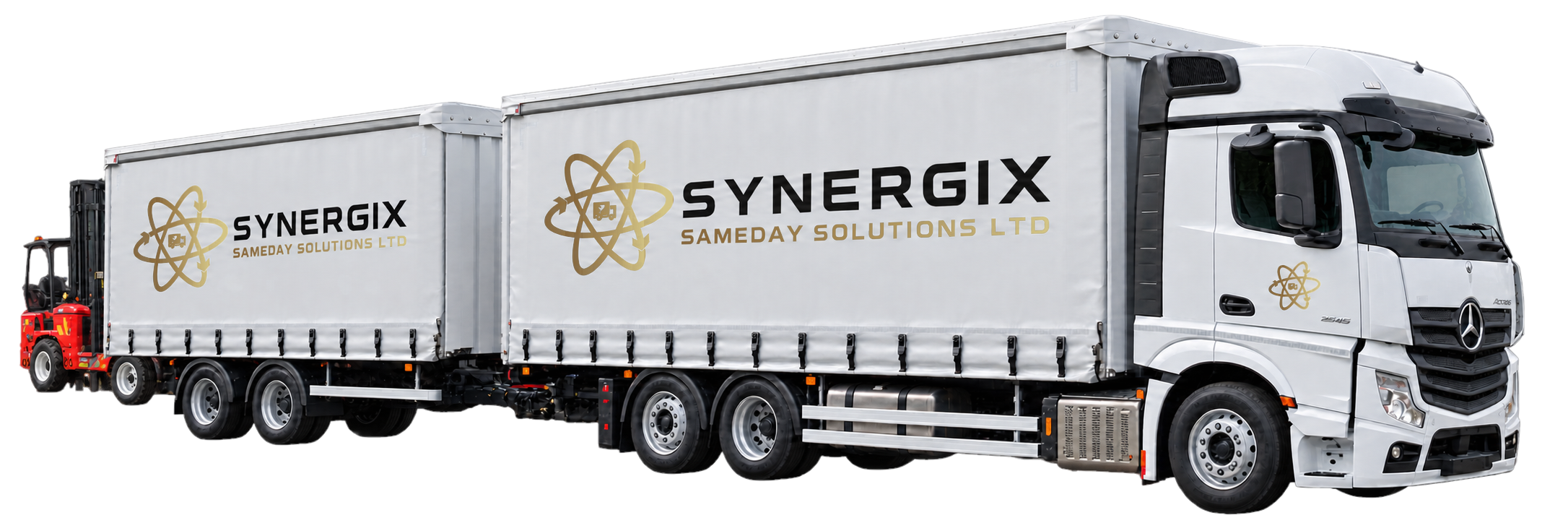
Wagon and drag MOFFETT
Both decks and forklift position confirmed
Actual completed combination payload confirmed
A rigid-and-drawbar combination with truck-mounted forklift unloading. Give individual load weights, deck allocation, unloading sequence and the ground route to the receiving point.
The carried forklift changes equipment position and freight allowance. Confirm the actual forklift, mounting, load-centre limits, ground and access.
View vehicle guide: Wagon and drag MOFFETTUse the slider or arrows, or open the stationary vehicle guide.
Stationary vehicle guide and dimensions
| Vehicle | Load space | Payload / equipment | Booking check |
|---|---|---|---|
| Small van | 1.2 × 1 × 1 m | Up to 400 kg | Standard body guide; actual vehicle checked. |
| Short wheelbase van | 2.4 × 1.2 × 1.2 m | Up to 800 kg | Standard body guide; actual vehicle checked. |
| Long wheelbase van | 3.6 × 1.2 × 1.8 m | Up to 1,250 kg | Standard body guide; actual vehicle checked. |
| Extra long wheelbase van | 4.2 × 1.2 × 1.8 m | Up to 1,100 kg | Standard body guide; actual vehicle checked. |
| Luton van | 4 × 2 × 2 m | Up to 1,100 kg | 900 kg with a tail lift; conversion checked. |
| 7.5 tonne lorry | 6 × 2.2–2.4 × 2–2.445 m | Up to 2,400 kg | Standard body guide; actual vehicle checked. |
| 18 tonne lorry | 7.5 × 2.4 × 2.5 m | Up to 9,000 kg | Standard body guide; actual vehicle checked. |
| 26 tonne lorry | 8 × 2.5 × 2.6 m | Up to 15,000 kg | Standard body guide; actual vehicle checked. |
| 13.6m articulated lorry | 13.6 × 2.5 × 2.6 m | Up to 26,000 kg | Standard body guide; actual vehicle checked. |
| Luton curtainsider | Actual body specification confirmed | Load-specific capacity | Actual body, equipment and working payload checked. |
| 7.5t curtainsider | Actual body specification confirmed | Load-specific capacity | Actual body, equipment and working payload checked. |
| 18t curtainsider | Actual body specification confirmed | Load-specific capacity | Actual body, equipment and working payload checked. |
| Articulated curtainsider | Actual body specification confirmed | Load-specific capacity | Actual body, equipment and working payload checked. |
| 18t flatbed HIAB | Actual body specification confirmed | Load-specific capacity | Actual body, equipment and working payload checked. |
| 26t flatbed HIAB | Actual body specification confirmed | Load-specific capacity | Actual body, equipment and working payload checked. |
| Wagon & drag, rear HIAB | Actual body specification confirmed | Load-specific capacity | Actual body, equipment and working payload checked. |
| Wagon & drag, front HIAB | Actual body specification confirmed | Load-specific capacity | Actual body, equipment and working payload checked. |
| Three-axle HIAB tractor | Actual body specification confirmed | Load-specific capacity | Actual body, equipment and working payload checked. |
| Four-axle heavy HIAB tractor | Actual body specification confirmed | Load-specific capacity | Actual body, equipment and working payload checked. |
| HIAB artic & flatbed | Actual body specification confirmed | Load-specific capacity | Actual body, equipment and working payload checked. |
| Heavy HIAB artic & flatbed | Actual body specification confirmed | Load-specific capacity | Actual body, equipment and working payload checked. |
| 26t flatbed MOFFETT | Actual body specification confirmed | Load-specific capacity | Actual body, equipment and working payload checked. |
| 26t curtainsider MOFFETT | Actual body specification confirmed | Load-specific capacity | Actual body, equipment and working payload checked. |
| Artic flatbed MOFFETT | Actual body specification confirmed | Load-specific capacity | Actual body, equipment and working payload checked. |
| Artic curtainsider MOFFETT | Actual body specification confirmed | Load-specific capacity | Actual body, equipment and working payload checked. |
| Articulated flatbed | Actual body specification confirmed | Load-specific capacity | Actual body, equipment and working payload checked. |
| Refrigerated trailer | Actual refrigerated space confirmed | Refrigerated trailer option | Actual body, equipment and working payload checked. |
| Double-deck box trailer | Actual body specification confirmed | Load-specific capacity | Actual body, equipment and working payload checked. |
| Double-deck curtainsider | Actual body specification confirmed | Load-specific capacity | Actual body, equipment and working payload checked. |
| Tanker trailer | Actual body specification confirmed | Load-specific capacity | Actual body, equipment and working payload checked. |
| Skeletal container trailer | Actual body specification confirmed | Load-specific capacity | Actual body, equipment and working payload checked. |
| Walking-floor trailer | Actual body specification confirmed | Load-specific capacity | Actual body, equipment and working payload checked. |
| Step-frame trailer | Actual body specification confirmed | Load-specific capacity | Actual body, equipment and working payload checked. |
| Bulk tipper trailer | Actual body specification confirmed | Load-specific capacity | Actual body, equipment and working payload checked. |
| Alloy U-shaped tipper | Actual body specification confirmed | Load-specific capacity | Actual body, equipment and working payload checked. |
| Low-loader | Actual body specification confirmed | Load-specific capacity | Actual body, equipment and working payload checked. |
| Megalift trailer | Actual body specification confirmed | Load-specific capacity | Actual body, equipment and working payload checked. |
| Purpose-built keg trailer | Keg layout and usable space confirmed | Actual trailer payload confirmed | Purpose-built keg trailers and other suitable vehicles are both used. Trailer layout, load restraint and unloading method are agreed for the job. |
| Wagon and drag MOFFETT | Both decks and forklift position confirmed | Actual completed combination payload confirmed | The carried forklift changes equipment position and freight allowance. Confirm the actual forklift, mounting, load-centre limits, ground and access. |
From brief to completion
How the service works
Agree the goods, timing, equipment and responsibilities so collection and handover follow one workable plan.
- Share the lift
Send load details and measured site information.
- Assess feasibility
We check crane, vehicle, reach and site needs.
- Agree responsibilities
Confirm lifting scope, people, equipment and appointment.
- Check and deliver
Actual site conditions are checked before lifting.
- Record handover
Confirm delivery and any agreed placement exceptions.
Practical booking help
Give useful load and site information
Start with reliable goods information and the people releasing and receiving the consignment. Flag missing details rather than guessing.
Plan the lift and the site
Give us the actual conditions at both ends so the equipment and service can be agreed before dispatch.
Check 01
Measured lift details
Provide weight, overall size, lifting points, centre of gravity, pick/set-down heights and radius. State obstacles and any need to lift beyond a wall. The actual crane/load-chart assessment decides feasibility.
Check 02
Ground and stabilisers
Identify hardstanding, gradients, buried services, drains and covers. Adequate stabiliser space and ground support must be established. A photograph of a clear yard does not prove its bearing capacity.
Check 03
Define the lifting responsibilities
Confirm planning, supervision, slinging, accessories and site control as appropriate to the job. A transport quote does not automatically establish a full contract-lift scope or every lifting accessory.
How to brief a crane-assisted delivery
You do not need to choose a crane rating. Give reliable load information and show the site so the appropriate equipment and lifting arrangements can be assessed.
The load
Ask for weight and lifting instructions
Get the exact item/model, dimensions and gross handled weight, including packaging or attachments. Centre of gravity means the load’s balance point. Ask the supplier for its lifting drawing and identify lifting points, fragile parts and anything which must remain upright. Do not assume a transport tie-down point is approved for lifting.
The positions
Send a simple measured site sketch
Mark the entrance and proposed lorry standing area, where the load is picked up and where it should land. Add wall/roof heights, offsets, overhead services and other obstacles. Lifting radius is measured horizontally from the crane’s centre of rotation to the load position. If the crane location is unknown, show the whole layout for assessment rather than guessing a working reach.
The ground and working area
Find the site information and flag unknowns
Ask the site owner or project team about slabs, filled ground, basements, services, covers and nearby excavations. Show slopes and the space around the vehicle for stabilisers. Send available ground information and identify what is unknown. Clear space or a hard-looking surface does not prove suitable support.
Reasons to choose Synergix
Practical capability and accountable support
The service brings suitable equipment, visibility and an active operations team together around your requirements.
Synergix
Transport and the agreed lift planned together
Bring the goods and a suitable loader-crane arrangement to a prepared receiving site. Assess the carrying vehicle, lift and placement in one brief, helping avoid booking a delivery whose unloading equipment cannot reach the intended position.
Synergix
Tracking and live POD
Live tracking and electronic proof of delivery (POD) help your team follow the movement and confirm receipt. Registered customers can book jobs, track drivers and retrieve PODs through the customer portal. Agree access and any extra reporting for the work.
Synergix
Fully insured transport
Move your goods with insured transport. Confirm the applicable cover against the consignment, declared value and booked service.
Synergix
24/7 operations support
Reach the team when timing or site conditions change. Clear communication and practical action help keep the movement under control.
Synergix
UK and European capability
Use an established UK and European transport operation, with the actual route, equipment and availability confirmed for the work.
Synergix
Experience with accountability
Three generations of family transport experience support practical decisions about the job. Synergix is trusted by some of the largest businesses in the sectors it serves.
Price, quotation and supplier review
Quote the complete requirement
Send the goods, sites and timing together, including the handling, evidence or additional duties your organisation needs.
- Load and lifting pointsGross weight, dimensions, centre of gravity, lifting drawing and packaging.
- Reach and heightsPick/set-down points, measured radius, obstacles and required lift heights.
- Set-up conditionsVehicle access, stabiliser space, ground information, overhead and underground services.
- Site controlContact, slot, induction, permits, supervision, accessories and agreed responsibilities.
- Collection and deliveryExact addresses, contacts, dates, latest useful arrival and any extra stops.
- Value and special conditionsDeclared goods value, handling instructions, required cover and any regulated or restricted contents.
Timing and price factors
A clear brief lets us quote the service your work needs.
Coverage and availability
Agree the workable schedule
HIAB bookings depend on the appropriate crane vehicle, lift assessment and site readiness. UK work, including festivals, can be arranged around agreed slots. Specialist lifting arrival is not covered by a universal 60-minute courier promise.
Quotation
What affects the price
The crane/vehicle, load, radius, lifting accessories, planning, site time, travel and any additional site requirements affect the quotation. A change to the set-down point can change the required crane and price.
Review the complete transport and lifting scope
The quotation should make clear what happens at collection and delivery, including who provides the site arrangements and the lifting roles.
Operating responsibilities
Coordinate the load and site teams
Confirm the release contact, booking slot, induction, load and proposed placement. Agree planning, supervision, slinging/signalling, accessories and exclusion of other activity as appropriate. Raise required lift-plan or method-statement questions early. Transport with crane unloading does not automatically establish a full contract-lift arrangement.
Supplier and commercial review
Check requirements against the actual job
Send required competence, equipment-document and insurance questions to sales. Agree waiting, changed reach or placement, additional accessories, site readiness and weather-related changes before commitment. Provide supplier-approval, PO and invoice instructions, with proposed account/payment or extra reporting requirements for agreement.
Useful booking questions
HIAB crane delivery FAQs
Direct answers to the choices and practical requirements that affect this service.
Can you lift goods over a wall?
Possibly, if the load, required radius, height, obstacles and site conditions suit the assessed crane arrangement. Send measurements and drawings; it cannot be promised from weight alone.
How much can a HIAB lift?
It depends on the actual crane, configuration, radius and load. Give the true weight and required reach so suitability can be checked against the equipment.
Is a HIAB the same as a MOFFETT?
No. A HIAB is a loader crane. A MOFFETT is a truck-mounted forklift used on suitable ground. They have different loading and placement roles.
Do you supply lifting accessories?
The required accessories and who provides them must be agreed. Send the lifting instructions and attachment details so suitable equipment and responsibilities can be established.
Can you set up on grass?
Ground is assessed for the actual vehicle and lift. Soft ground, gradients, services and stabiliser loads may make a proposed position unsuitable. Do not assume any grass area is acceptable.
Do you need a site visit?
The information and complexity decide the assessment required. Photographs, drawings and ground information may be needed, with a visit or further checks where appropriate.
Can you work near overhead cables?
Declare all overhead services before booking. The lift and safe working arrangements need assessment. A crane must not be assumed suitable just because it appears to fit below a cable.
Is this a contract lift?
Only if that scope is specifically agreed. Confirm the planning, supervision, slinging, equipment and site responsibilities in the quotation rather than assuming them from HIAB delivery.
Can you provide festival HIAB delivery?
Yes. Frequent festival HIAB use is confirmed. Send the load, site plan, movement slot, access and ground details for the actual delivery.
What if the placement point changes?
Tell us immediately. A different radius, height or ground position can require a revised lift plan, vehicle or quotation. The operator must be able to stop if conditions are unsuitable.
What does lifting radius mean?
It is the horizontal distance from the crane’s centre of rotation to the load’s lifting position. It is not the distance from the edge of the lorry or the nearest wall. Mark the proposed vehicle position, pick-up point and final position on a sketch. The crane position and actual working radius must be confirmed by the lifting assessment, so flag anything you cannot measure reliably.
What if I do not know the ground-bearing capacity?
Tell us it is unknown and ask the site owner or project team for available ground, slab and buried-service information. Send photographs and identify covers, filled ground, basements, excavations and slopes. Do not estimate a safe capacity from appearance or assume a pad solves it. Further information or assessment may be needed before a set-up position can be accepted.
What is the difference between carrying payload and lifting capacity?
Payload is the freight weight the completed vehicle can carry. Lifting capacity depends on the crane, configuration, radius, equipment and actual set-up. A crane vehicle can satisfy one requirement and fail the other. Give reliable load data and both site arrangements so transport and lifting can be assessed separately.
Can you lift in poor weather?
Conditions such as wind, visibility, rain and changes to the ground can affect the assessed operation. Report changes before dispatch and provide an active site contact. The operator must be able to stop if the actual conditions do not suit the agreed work. A revised time, position or arrangement needs agreement; no universal weather limit is promised here.
Talk to the team
Plan your crane-assisted delivery
Send the goods, collection and delivery requirements. We will bring the service scope, suitable equipment and quotation together.
Need a load-size check? Open LoadCheck and vehicle guidance.