
Transport for customers’ event trailers
Event trailer transport.
Your trailer. The right movement.
Arrange collection and delivery of your trailer between a depot, event site or the next venue. Our event trailer work is generally traction only: providing the suitable tractor unit and driver to move a customer’s trailer, with the combination, route and handover checked for the job.
24/7 event supportCall for planned work or an urgent requirement.
Trailer movements plannedActual combination, dates and site access confirmed.
Fully insured transportGoods, value and booked service confirmed.
Tracking & POD availableCoordinate arrival and record the handover.
Event trailer transport
Your trailer. Our planned traction movement.
Event trailer transport generally means traction only: Synergix supplies the tractor unit and driver to collect your suitable trailer and move it to the agreed site or return destination. It suits customers who have a trailer but need the pulling vehicle and transport support.
Loaded or empty trailer movements
We move compatible customer trailers, loaded or empty, into events, out after the show and between locations. The actual trailer, loaded weight and road-going condition determine the suitable tractor unit and combination.
Drop, reposition and collect
A trailer may be delivered to an agreed position, uncoupled and collected later where booked. The plan includes the trailer identity, site access, standing area and the time it is ready for the next movement. On-site shunting requirements are discussed separately.
Several trailers through the same programme
Multiple runs can be planned around the build, stock programme and get-out. A clear list of which trailer moves next, where it is released and where it can stand helps the event and transport teams keep the sequence organised.
Traction, trailer supply and refrigeration
Moving your trailer is different from supplying one. If you need a refrigerated trailer left at the event, discuss static hire; if the goods need controlled temperature during the journey, discuss refrigerated transport. We identify the arrangement your job needs.
Who it helps
Who needs a tractor unit for an event trailer?
Choose the situation that fits your job. These examples explain how the service can help your team.
Trailer-owning drinks operations
Move a suitable loaded or empty trailer between your release point and the event. Identify the stock, loaded weights and any refrigeration duties; trailer movement and stock operation need clear responsibilities.
Equipment and hospitality trailer operators
Arrange movement of a compatible semi-trailer used for your event operation. Send its exact coupling and road specification. A towable catering or exhibition unit is not automatically compatible with an articulated tractor.
Event transport coordinators
Coordinate several trailer arrivals, drops and later collections against the site programme. Each trailer needs its own identity, release authority, destination and suitable standing position.
Suppliers working across several events
Return a trailer to its owner or move it on to the next event where arranged. Confirm what it contains, when it is released and when the next site can receive it.
Practical scope
Trailer movements to discuss.
Open a category for the load, timing and handling details that matter.
- Customer semi-trailers
- Refrigerated event trailers
- Exhibition, hospitality and specialist units
- Loaded, empty and return movements
Customer semi-trailers
Provide trailer type, identity, dimensions, gross and actual weight, loaded/empty status and coupling information. The tractor/trailer combination, clearance, braking and connections need to be suitable before acceptance.
Refrigerated event trailers
State whether transport is required only or the refrigeration must operate in transit. Confirm temperature, fuel/power and operating responsibility. Static hire and stock-storage arrangements are separate from moving your trailer.
Exhibition, hospitality and specialist units
Send manufacturer or owner instructions, travelling dimensions, coupling type, weight and preparation requirements. We assess the actual movement. Towing, deployment and technical setup are not interchangeable services.
Loaded, empty and return movements
Identify what is on board, declared value, load security, weight distribution and whether the load will change before collection. An empty trailer still needs condition, coupling and route checks.
Vehicle selection
Explore the full Synergix fleet.
Our wider fleet includes vans, trucks and specialist vehicles. The right body, usable load space and unloading equipment depend on your goods and the receiving site. We confirm the vehicle for your booking; the overview does not mean every configuration suits every job.
39 vehicle options. Browse horizontally or open the stationary guide.
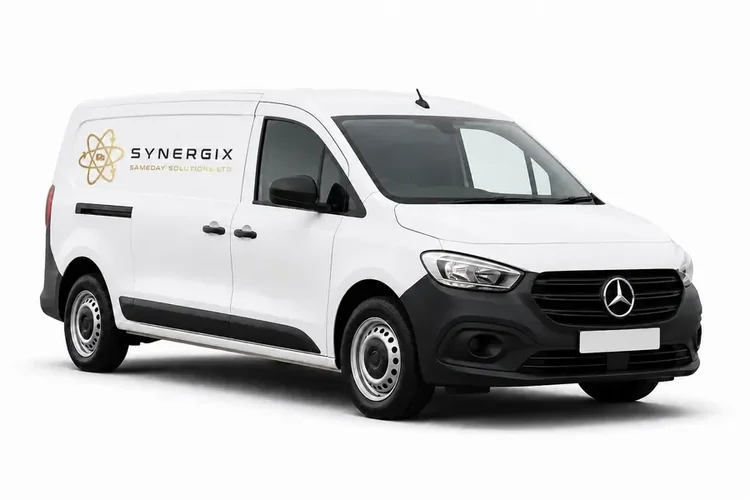
Small van
1.2 × 1 × 1 m
Up to 400 kg
A practical starting point for urgent parts, documents, samples and compact business deliveries.
Standard body guide; actual vehicle checked.
View vehicle guide: Small van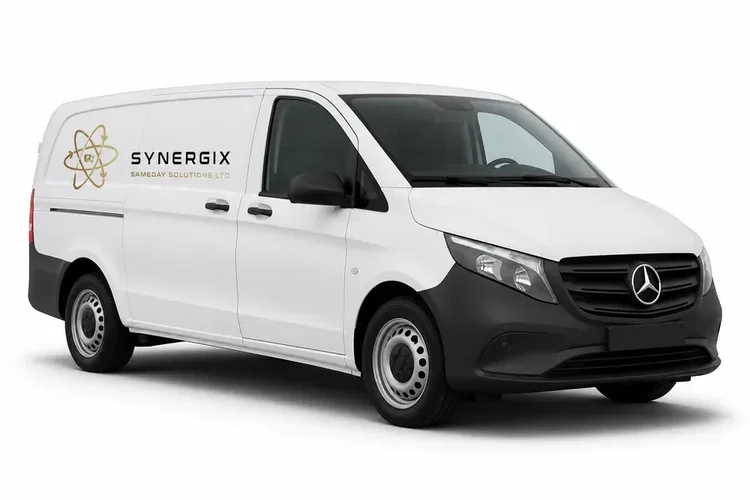
SWB van
2.4 × 1.2 × 1.2 m
Up to 800 kg
Useful for stock, tools and smaller pallet loads that need more room than a small van.
Standard body guide; actual vehicle checked.
View vehicle guide: Short wheelbase van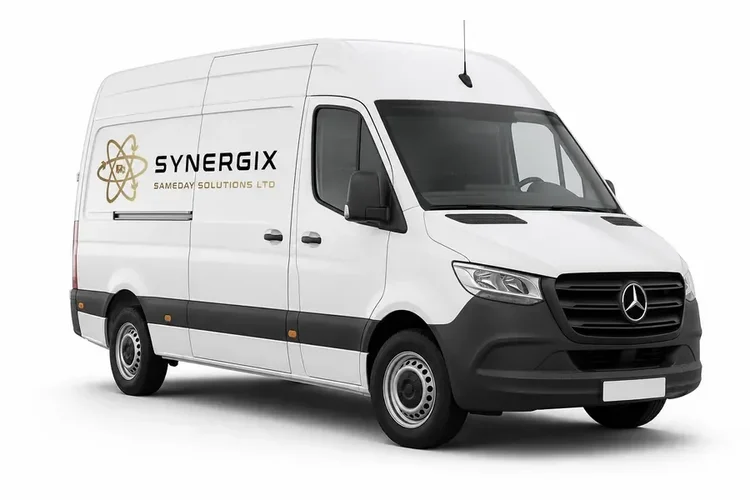
LWB van
3.6 × 1.2 × 1.8 m
Up to 1,250 kg
More floor length for equipment, boxed stock, signage and longer items on dedicated courier work.
Standard body guide; actual vehicle checked.
View vehicle guide: Long wheelbase van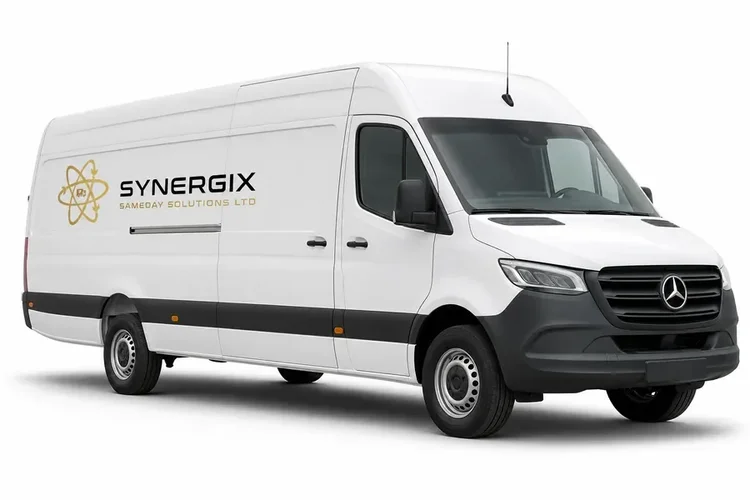
XLWB van
4.2 × 1.2 × 1.8 m
Up to 1,100 kg
Extra length for bulky, lighter consignments and long items that need an enclosed vehicle.
Standard body guide; actual vehicle checked.
View vehicle guide: Extra long wheelbase van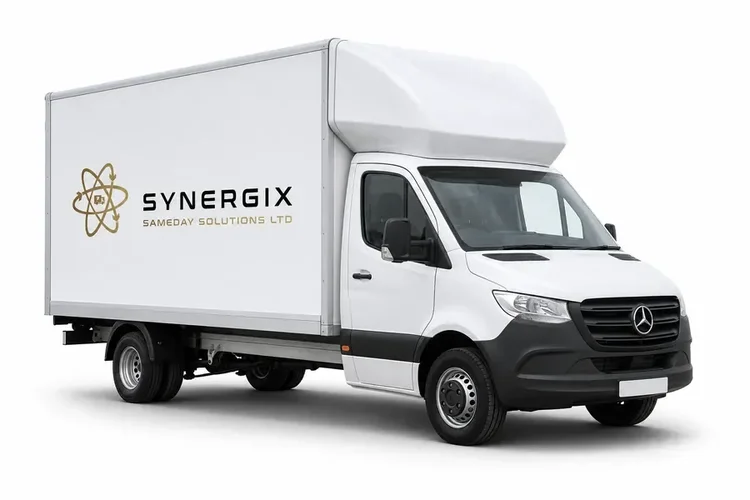
Luton van
4 × 2 × 2 m
Up to 1,100 kg
A wider box-shaped load area for bulky stock, furniture and light palletised deliveries.
900 kg with a tail lift; conversion checked.
View vehicle guide: Luton van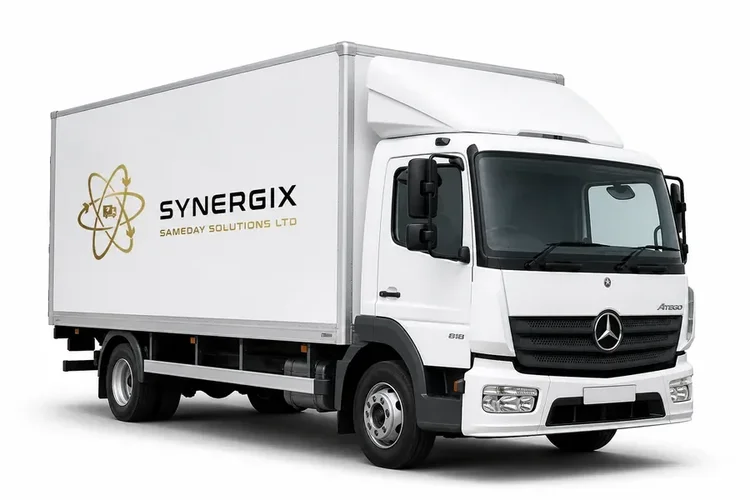
7.5 tonne lorry
6 × 2.2–2.4 × 2–2.445 m
Up to 2,400 kg
A step up from vans for pallet deliveries, retail stock and bulky goods requiring a rigid lorry.
Standard body guide; actual vehicle checked.
View vehicle guide: 7.5 tonne lorry
18 tonne lorry
7.5 × 2.4 × 2.5 m
Up to 9,000 kg
A larger rigid for regular distribution, industrial goods and heavier pallet loads.
Standard body guide; actual vehicle checked.
View vehicle guide: 18 tonne lorry
26 tonne lorry
8 × 2.5 × 2.6 m
Up to 15,000 kg
A higher-capacity rigid option for substantial pallet, building-material and distribution loads.
Standard body guide; actual vehicle checked.
View vehicle guide: 26 tonne lorry
13.6m artic
13.6 × 2.5 × 2.6 m
Up to 26,000 kg
Full and part loads, regular trunking and larger consignments. Choose the trailer around the goods and unloading method.
Standard body guide; actual vehicle checked.
View vehicle guide: 13.6m articulated lorry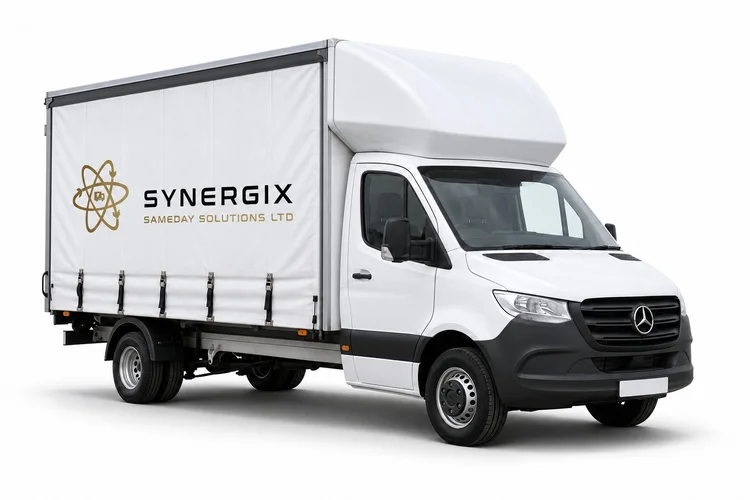
Luton curtainsider
Actual body specification confirmed
Load-specific capacity
Side loading needs a suitable opening, securing system and safe forklift access. Confirm the actual body space and payload.
Actual body, equipment and working payload checked.
View vehicle guide: Luton curtainsider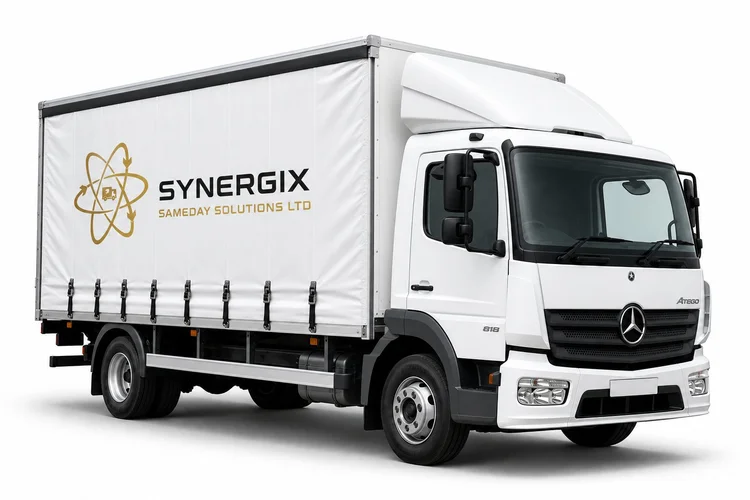
7.5t curtainsider
Actual body specification confirmed
Load-specific capacity
Side loading needs a suitable opening, securing system and safe forklift access. Confirm the actual body space and payload.
Actual body, equipment and working payload checked.
View vehicle guide: 7.5t curtainsider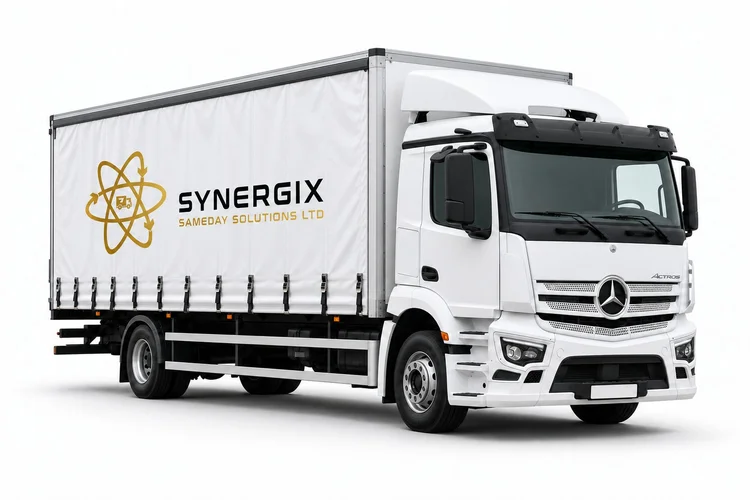
18t curtainsider
Actual body specification confirmed
Load-specific capacity
Side loading needs a suitable opening, securing system and safe forklift access. Confirm the actual body space and payload.
Actual body, equipment and working payload checked.
View vehicle guide: 18t curtainsider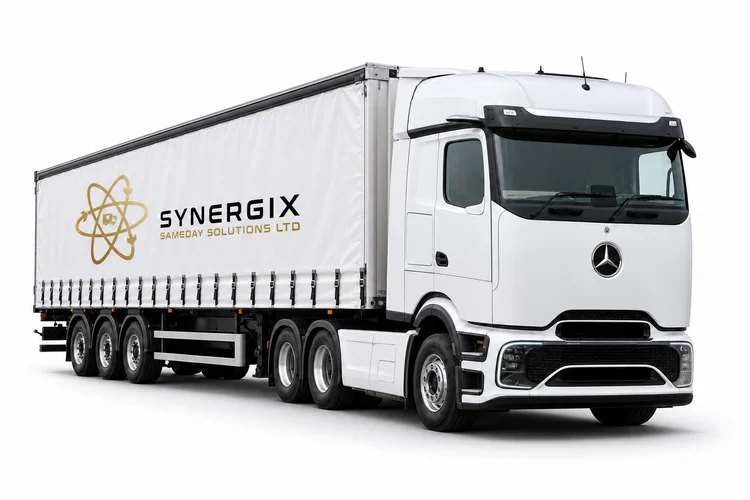
Articulated curtainsider
Actual body specification confirmed
Load-specific capacity
Side loading needs a suitable opening, securing system and safe forklift access. Confirm the actual body space and payload.
Actual body, equipment and working payload checked.
View vehicle guide: Articulated curtainsider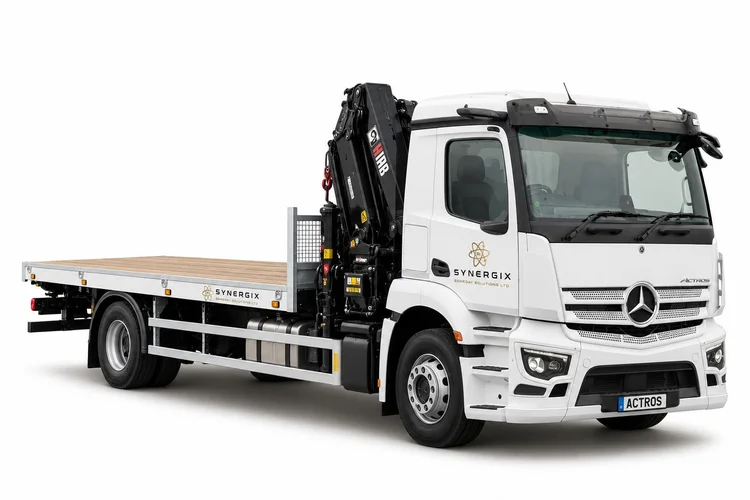
18t flatbed HIAB
Actual body specification confirmed
Load-specific capacity
Check load weight, lifting points, reach, ground, stabiliser space and the actual lift plan. Standard-body payload does not apply.
Actual body, equipment and working payload checked.
View vehicle guide: 18t flatbed HIAB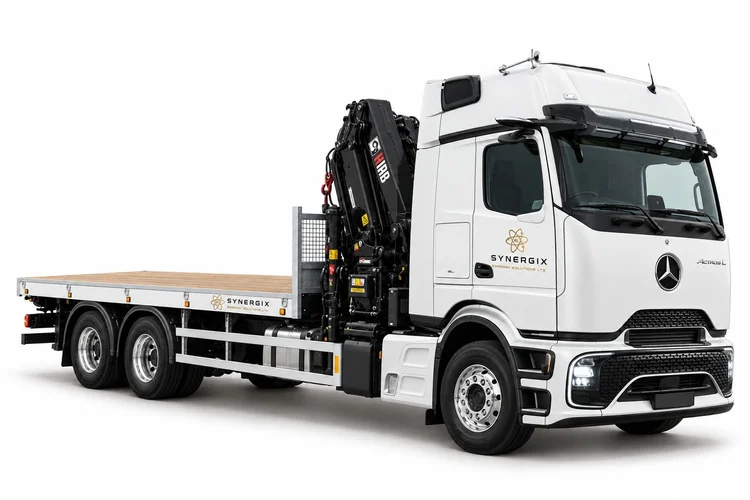
26t flatbed HIAB
Actual body specification confirmed
Load-specific capacity
Check load weight, lifting points, reach, ground, stabiliser space and the actual lift plan. Standard-body payload does not apply.
Actual body, equipment and working payload checked.
View vehicle guide: 26t flatbed HIAB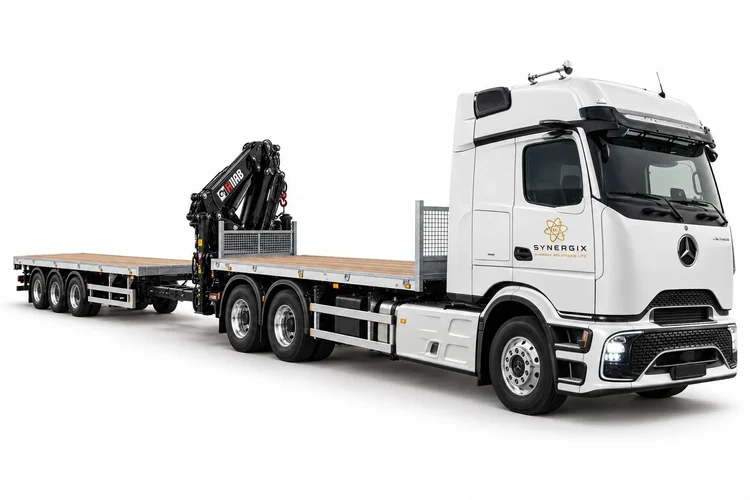
Wagon & drag, rear HIAB
Actual body specification confirmed
Load-specific capacity
Check load weight, lifting points, reach, ground, stabiliser space and the actual lift plan. Standard-body payload does not apply.
Actual body, equipment and working payload checked.
View vehicle guide: Wagon & drag, rear HIAB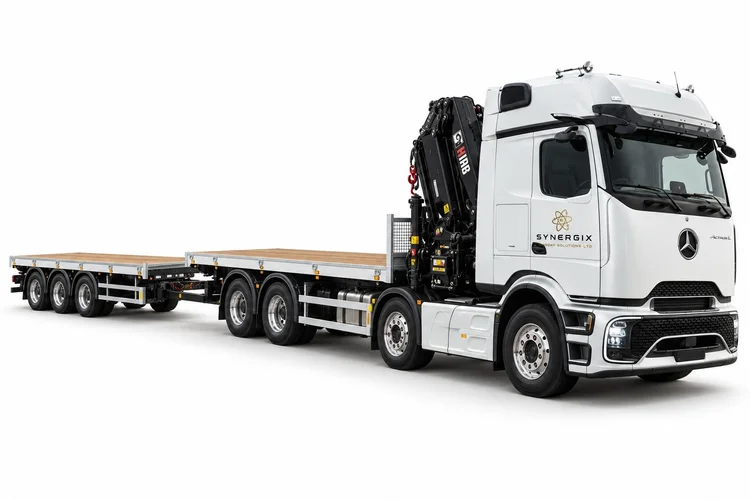
Wagon & drag, front HIAB
Actual body specification confirmed
Load-specific capacity
Check load weight, lifting points, reach, ground, stabiliser space and the actual lift plan. Standard-body payload does not apply.
Actual body, equipment and working payload checked.
View vehicle guide: Wagon & drag, front HIAB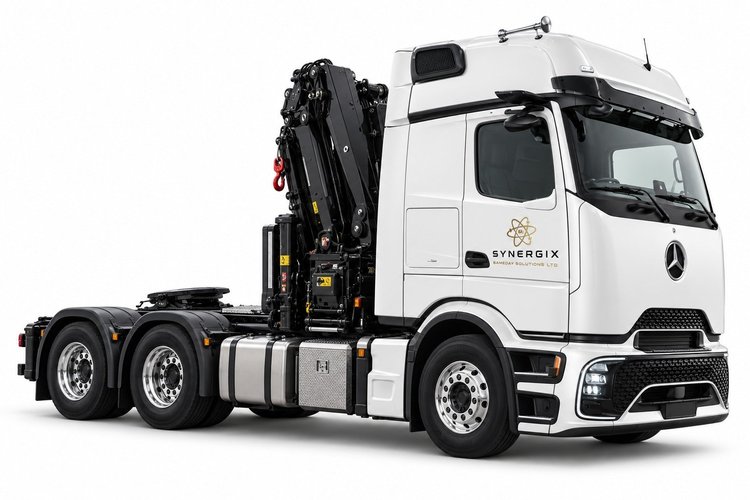
Three-axle HIAB tractor
Actual body specification confirmed
Load-specific capacity
Check load weight, lifting points, reach, ground, stabiliser space and the actual lift plan. Standard-body payload does not apply. Tractor shown without a trailer. Agree the complete combination.
Actual body, equipment and working payload checked.
View vehicle guide: Three-axle HIAB tractor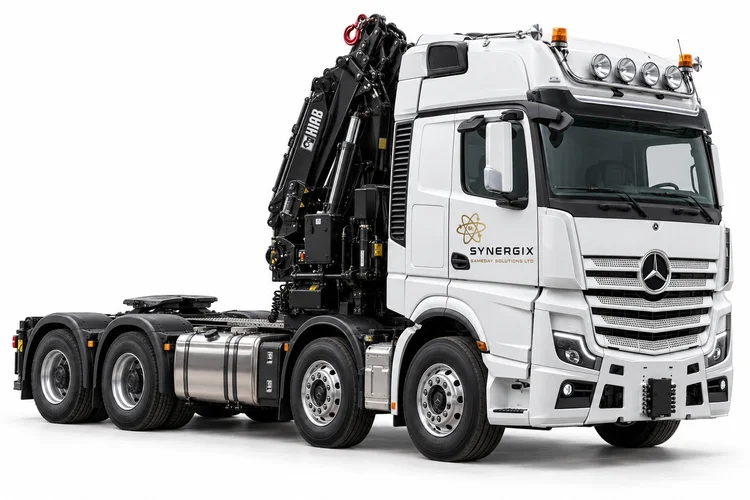
Four-axle heavy HIAB tractor
Actual body specification confirmed
Load-specific capacity
Check load weight, lifting points, reach, ground, stabiliser space and the actual lift plan. Standard-body payload does not apply. Tractor shown without a trailer. Agree the complete combination.
Actual body, equipment and working payload checked.
View vehicle guide: Four-axle heavy HIAB tractor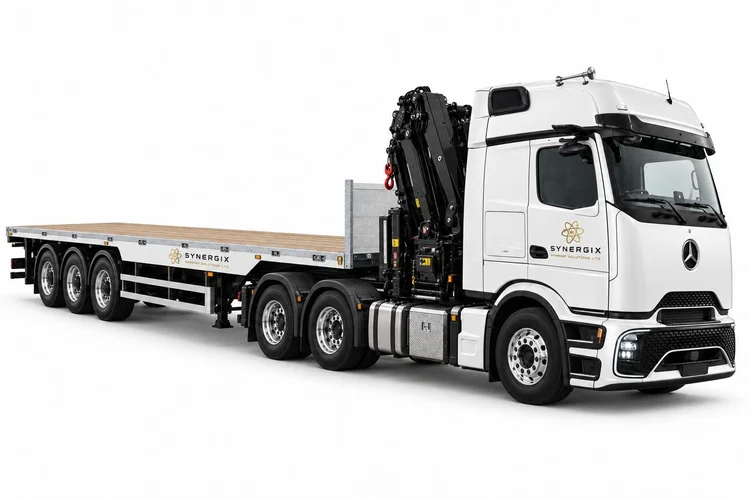
HIAB artic & flatbed
Actual body specification confirmed
Load-specific capacity
Check load weight, lifting points, reach, ground, stabiliser space and the actual lift plan. Standard-body payload does not apply.
Actual body, equipment and working payload checked.
View vehicle guide: HIAB artic & flatbed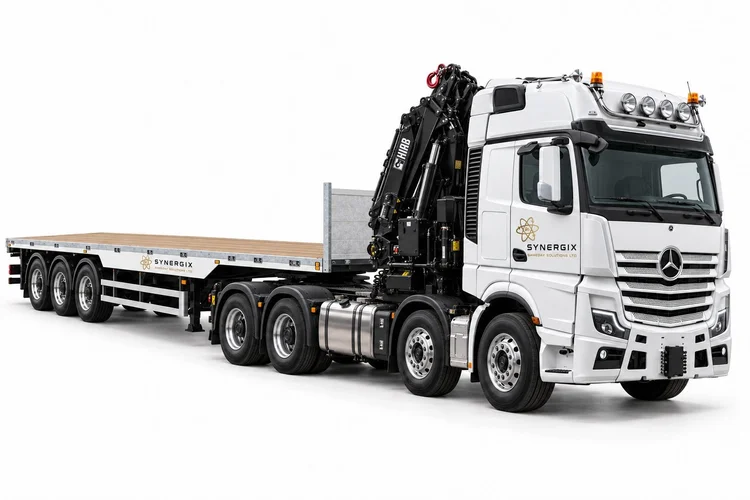
Heavy HIAB artic & flatbed
Actual body specification confirmed
Load-specific capacity
Check load weight, lifting points, reach, ground, stabiliser space and the actual lift plan. Standard-body payload does not apply.
Actual body, equipment and working payload checked.
View vehicle guide: Heavy HIAB artic & flatbed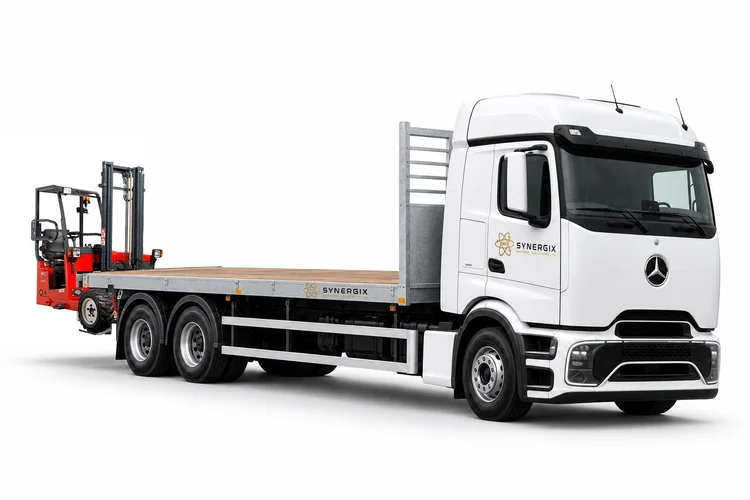
26t flatbed MOFFETT
Actual body specification confirmed
Load-specific capacity
Carried forklift unloading. Check load centre, item weight, fork access, ground, gradients and working space. Fitted equipment reduces payload.
Actual body, equipment and working payload checked.
View vehicle guide: 26t flatbed MOFFETT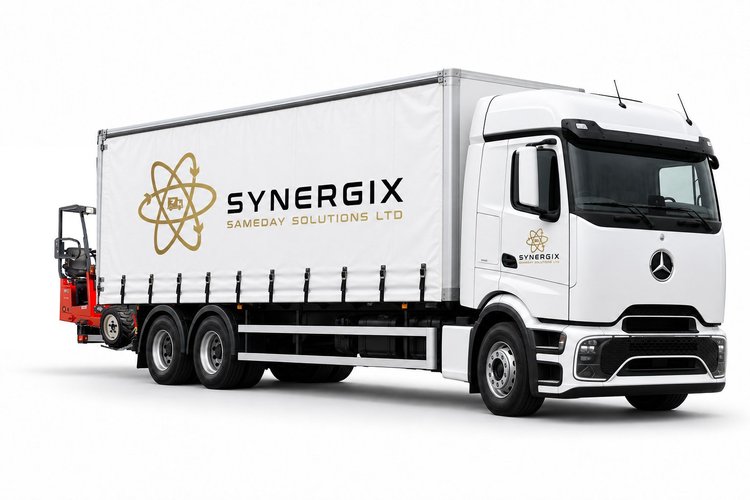
26t curtainsider MOFFETT
Actual body specification confirmed
Load-specific capacity
Carried forklift unloading. Check load centre, item weight, fork access, ground, gradients and working space. Fitted equipment reduces payload.
Actual body, equipment and working payload checked.
View vehicle guide: 26t curtainsider MOFFETT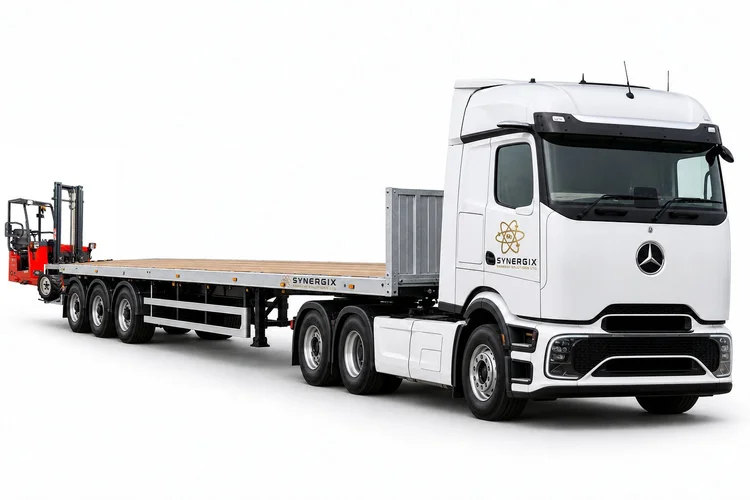
Artic flatbed MOFFETT
Actual body specification confirmed
Load-specific capacity
Carried forklift unloading. Check load centre, item weight, fork access, ground, gradients and working space. Fitted equipment reduces payload.
Actual body, equipment and working payload checked.
View vehicle guide: Artic flatbed MOFFETT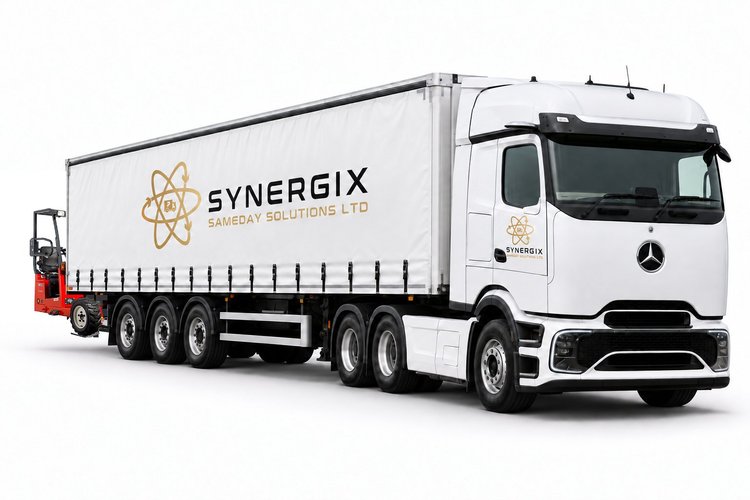
Artic curtainsider MOFFETT
Actual body specification confirmed
Load-specific capacity
Carried forklift unloading. Check load centre, item weight, fork access, ground, gradients and working space. Fitted equipment reduces payload.
Actual body, equipment and working payload checked.
View vehicle guide: Artic curtainsider MOFFETT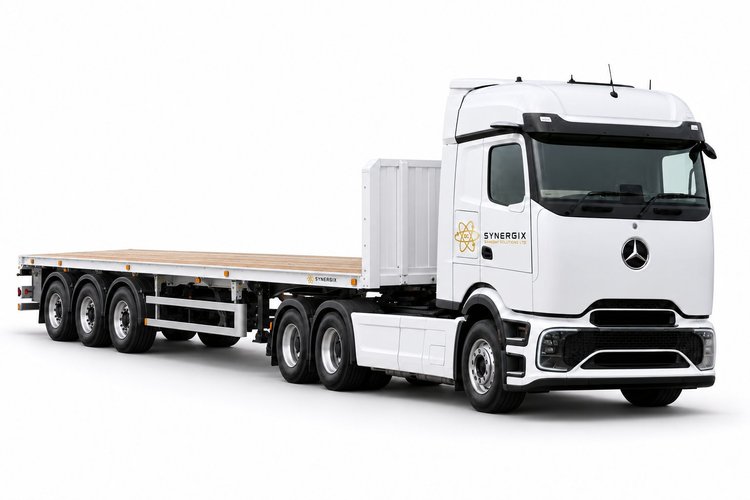
Articulated flatbed
Actual body specification confirmed
Load-specific capacity
Open-deck goods need appropriate weather protection, restraint and loading equipment.
Actual body, equipment and working payload checked.
View vehicle guide: Articulated flatbed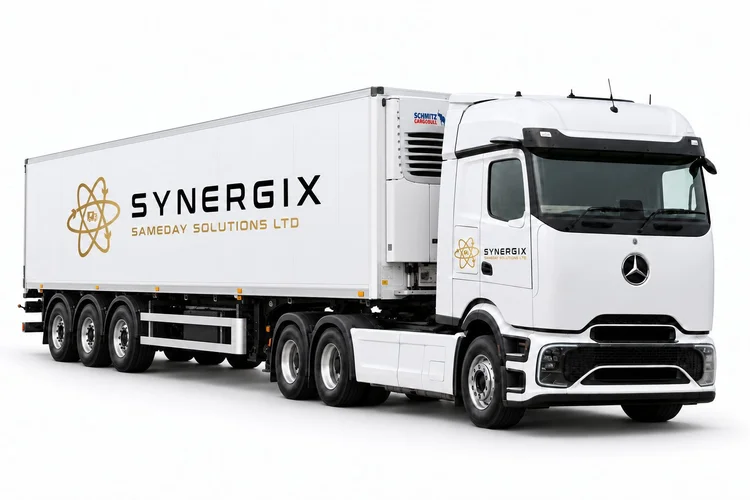
Refrigerated trailer
Actual refrigerated space confirmed
Refrigerated trailer option
Confirm goods, temperature, usable space, payload, power and operating responsibilities. Transport and static hire are separate bookings.
Actual body, equipment and working payload checked.
View vehicle guide: Refrigerated trailer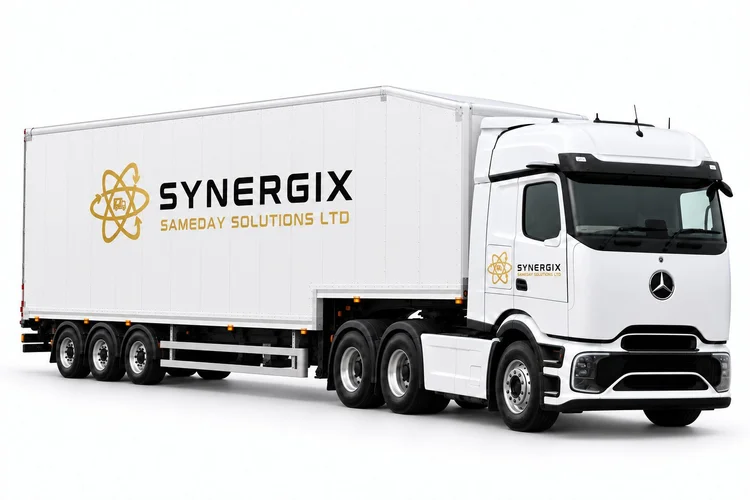
Double-deck box trailer
Actual body specification confirmed
Load-specific capacity
Check both deck heights, individual deck limits, access and the actual loading sequence.
Actual body, equipment and working payload checked.
View vehicle guide: Double-deck box trailer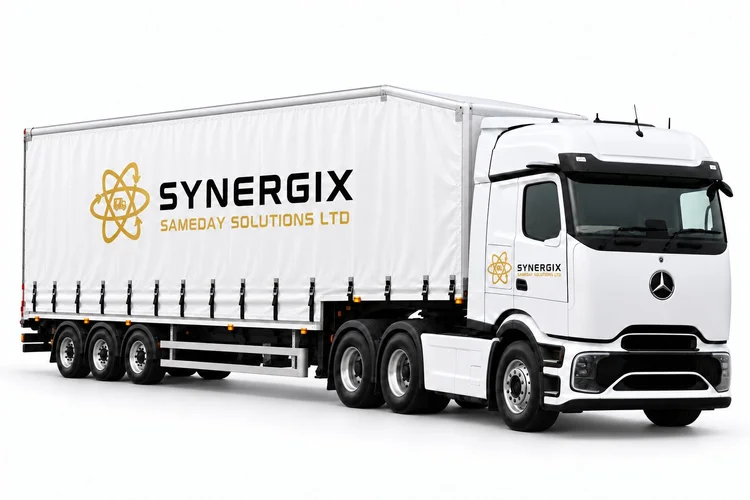
Double-deck curtainsider
Actual body specification confirmed
Load-specific capacity
Confirm deck heights, weight distribution, side access and the securing plan.
Actual body, equipment and working payload checked.
View vehicle guide: Double-deck curtainsider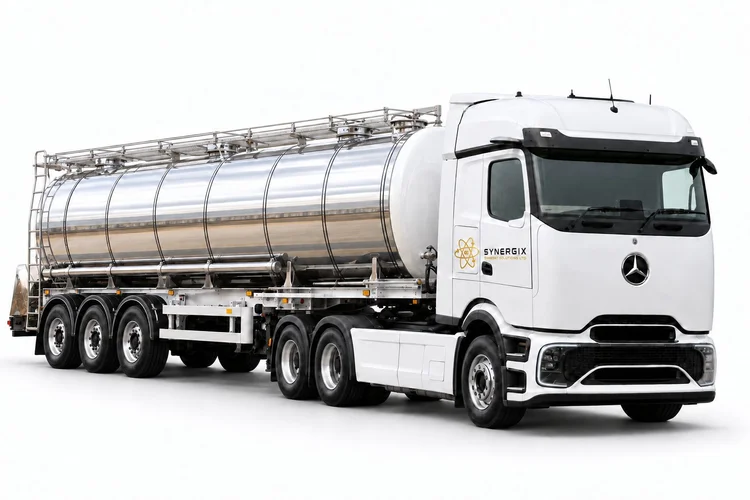
Tanker trailer
Actual body specification confirmed
Load-specific capacity
Declare the product, compatibility, hygiene, transfer equipment and any regulatory requirements. Acceptance is checked, not automatic.
Actual body, equipment and working payload checked.
View vehicle guide: Tanker trailer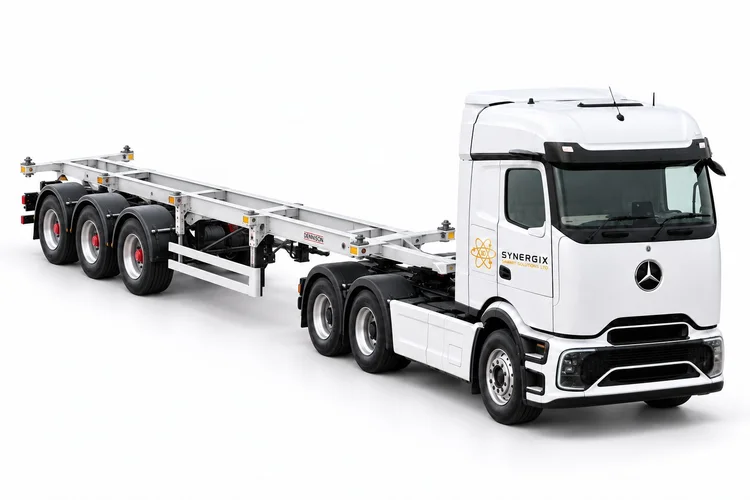
Skeletal container trailer
Actual body specification confirmed
Load-specific capacity
Confirm container size, loaded weight, twistlock positions and terminal or site lifting arrangements.
Actual body, equipment and working payload checked.
View vehicle guide: Skeletal container trailer
Walking-floor trailer
Actual body specification confirmed
Load-specific capacity
Check material suitability, unloading clearance, ground and the actual moving-floor arrangement.
Actual body, equipment and working payload checked.
View vehicle guide: Walking-floor trailer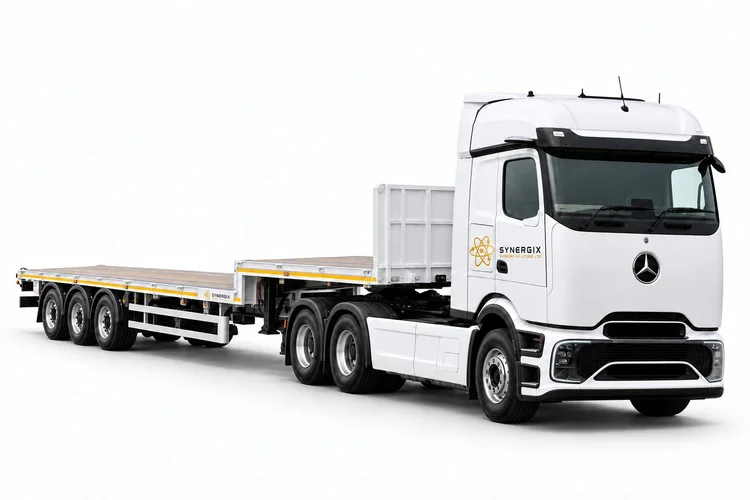
Step-frame trailer
Actual body specification confirmed
Load-specific capacity
Check each deck length and height, point loads, overall loaded height and loading method.
Actual body, equipment and working payload checked.
View vehicle guide: Step-frame trailer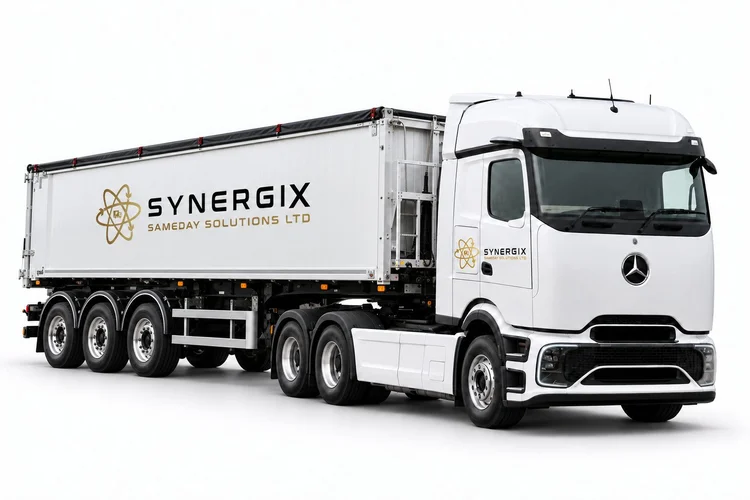
Bulk tipper trailer
Actual body specification confirmed
Load-specific capacity
Declare the material and contamination requirements. Check tipping space, overhead clearance and stable level ground.
Actual body, equipment and working payload checked.
View vehicle guide: Bulk tipper trailer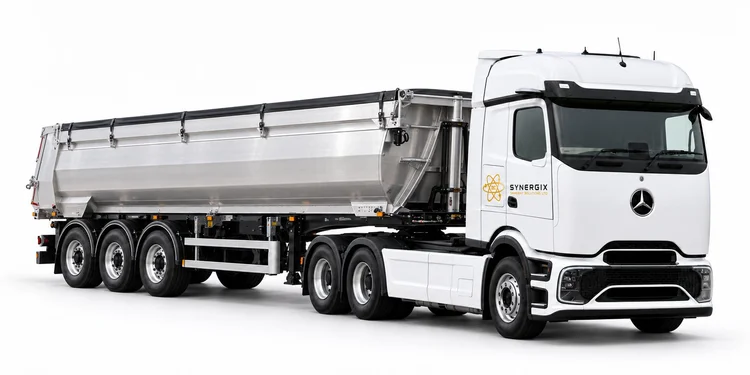
Alloy U-shaped tipper
Actual body specification confirmed
Load-specific capacity
Confirm material, liner or body compatibility, capacity and safe tipping conditions.
Actual body, equipment and working payload checked.
View vehicle guide: Alloy U-shaped tipper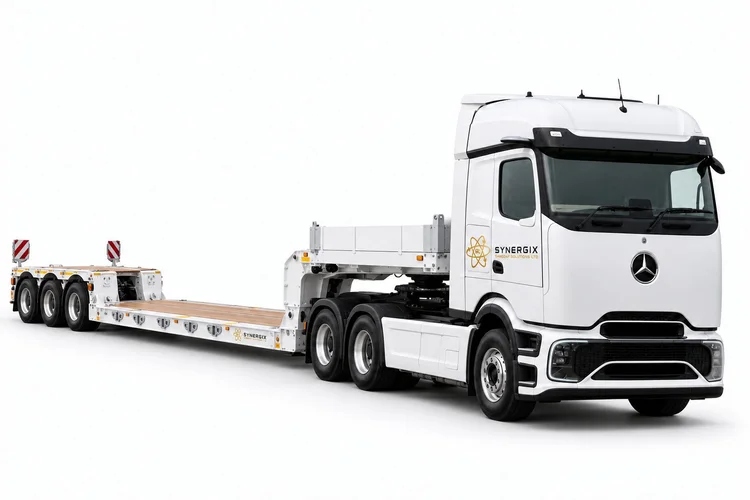
Low-loader
Actual body specification confirmed
Load-specific capacity
Check deck profile, ramps, concentrated weight, ground clearance and actual loaded dimensions.
Actual body, equipment and working payload checked.
View vehicle guide: Low-loader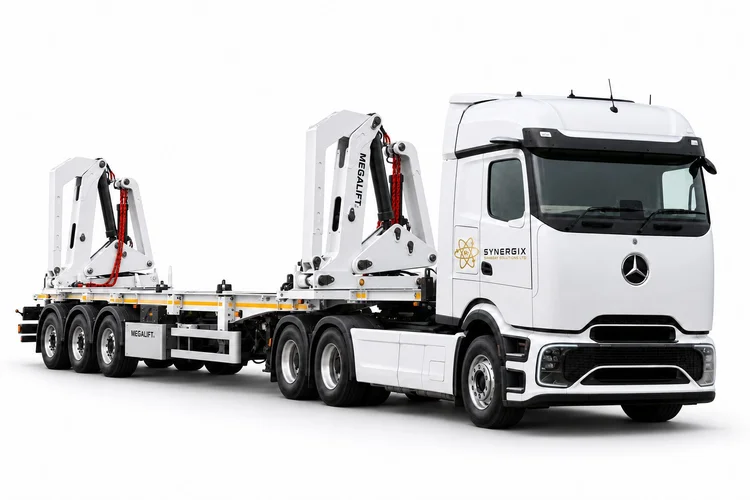
Megalift trailer
Actual body specification confirmed
Load-specific capacity
Container side-lifting needs the actual load, outreach, ground bearing and stabiliser working area checked.
Actual body, equipment and working payload checked.
View vehicle guide: Megalift trailer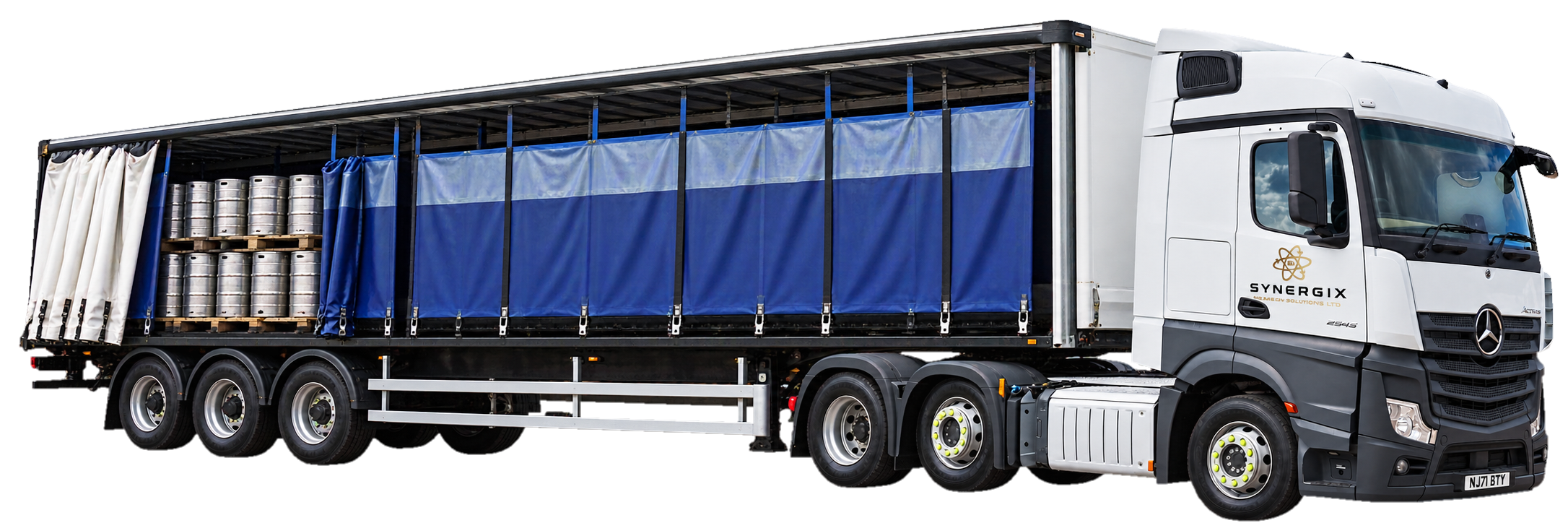
Purpose-built keg trailer
Keg layout and usable space confirmed
Actual trailer payload confirmed
For suitable keg distribution. Supply keg quantities, individual loaded weights, load presentation, site access and receiving arrangements.
Purpose-built keg trailers and other suitable vehicles are both used. Trailer layout, load restraint and unloading method are agreed for the job.
View vehicle guide: Purpose-built keg trailer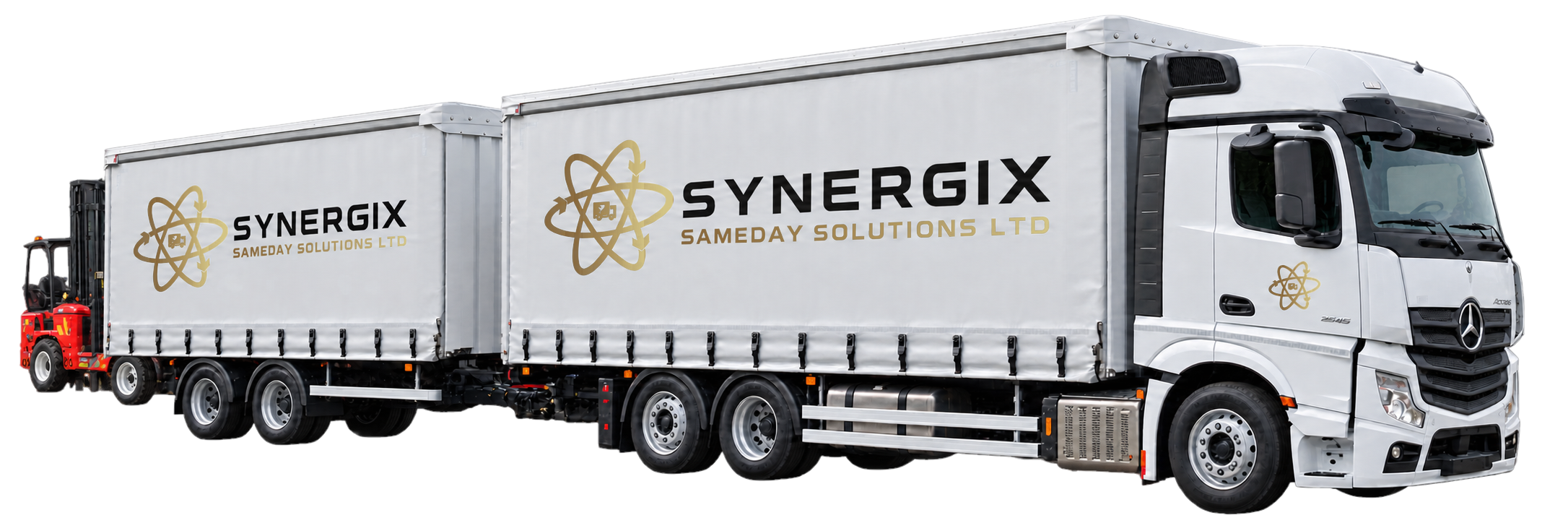
Wagon and drag MOFFETT
Both decks and forklift position confirmed
Actual completed combination payload confirmed
A rigid-and-drawbar combination with truck-mounted forklift unloading. Give individual load weights, deck allocation, unloading sequence and the ground route to the receiving point.
The carried forklift changes equipment position and freight allowance. Confirm the actual forklift, mounting, load-centre limits, ground and access.
View vehicle guide: Wagon and drag MOFFETTUse the slider or arrows, or open the stationary vehicle guide.
Stationary vehicle guide and dimensions
| Vehicle | Load space | Payload / equipment | Booking check |
|---|---|---|---|
| Small van | 1.2 × 1 × 1 m | Up to 400 kg | Standard body guide; actual vehicle checked. |
| Short wheelbase van | 2.4 × 1.2 × 1.2 m | Up to 800 kg | Standard body guide; actual vehicle checked. |
| Long wheelbase van | 3.6 × 1.2 × 1.8 m | Up to 1,250 kg | Standard body guide; actual vehicle checked. |
| Extra long wheelbase van | 4.2 × 1.2 × 1.8 m | Up to 1,100 kg | Standard body guide; actual vehicle checked. |
| Luton van | 4 × 2 × 2 m | Up to 1,100 kg | 900 kg with a tail lift; conversion checked. |
| 7.5 tonne lorry | 6 × 2.2–2.4 × 2–2.445 m | Up to 2,400 kg | Standard body guide; actual vehicle checked. |
| 18 tonne lorry | 7.5 × 2.4 × 2.5 m | Up to 9,000 kg | Standard body guide; actual vehicle checked. |
| 26 tonne lorry | 8 × 2.5 × 2.6 m | Up to 15,000 kg | Standard body guide; actual vehicle checked. |
| 13.6m articulated lorry | 13.6 × 2.5 × 2.6 m | Up to 26,000 kg | Standard body guide; actual vehicle checked. |
| Luton curtainsider | Actual body specification confirmed | Load-specific capacity | Actual body, equipment and working payload checked. |
| 7.5t curtainsider | Actual body specification confirmed | Load-specific capacity | Actual body, equipment and working payload checked. |
| 18t curtainsider | Actual body specification confirmed | Load-specific capacity | Actual body, equipment and working payload checked. |
| Articulated curtainsider | Actual body specification confirmed | Load-specific capacity | Actual body, equipment and working payload checked. |
| 18t flatbed HIAB | Actual body specification confirmed | Load-specific capacity | Actual body, equipment and working payload checked. |
| 26t flatbed HIAB | Actual body specification confirmed | Load-specific capacity | Actual body, equipment and working payload checked. |
| Wagon & drag, rear HIAB | Actual body specification confirmed | Load-specific capacity | Actual body, equipment and working payload checked. |
| Wagon & drag, front HIAB | Actual body specification confirmed | Load-specific capacity | Actual body, equipment and working payload checked. |
| Three-axle HIAB tractor | Actual body specification confirmed | Load-specific capacity | Actual body, equipment and working payload checked. |
| Four-axle heavy HIAB tractor | Actual body specification confirmed | Load-specific capacity | Actual body, equipment and working payload checked. |
| HIAB artic & flatbed | Actual body specification confirmed | Load-specific capacity | Actual body, equipment and working payload checked. |
| Heavy HIAB artic & flatbed | Actual body specification confirmed | Load-specific capacity | Actual body, equipment and working payload checked. |
| 26t flatbed MOFFETT | Actual body specification confirmed | Load-specific capacity | Actual body, equipment and working payload checked. |
| 26t curtainsider MOFFETT | Actual body specification confirmed | Load-specific capacity | Actual body, equipment and working payload checked. |
| Artic flatbed MOFFETT | Actual body specification confirmed | Load-specific capacity | Actual body, equipment and working payload checked. |
| Artic curtainsider MOFFETT | Actual body specification confirmed | Load-specific capacity | Actual body, equipment and working payload checked. |
| Articulated flatbed | Actual body specification confirmed | Load-specific capacity | Actual body, equipment and working payload checked. |
| Refrigerated trailer | Actual refrigerated space confirmed | Refrigerated trailer option | Actual body, equipment and working payload checked. |
| Double-deck box trailer | Actual body specification confirmed | Load-specific capacity | Actual body, equipment and working payload checked. |
| Double-deck curtainsider | Actual body specification confirmed | Load-specific capacity | Actual body, equipment and working payload checked. |
| Tanker trailer | Actual body specification confirmed | Load-specific capacity | Actual body, equipment and working payload checked. |
| Skeletal container trailer | Actual body specification confirmed | Load-specific capacity | Actual body, equipment and working payload checked. |
| Walking-floor trailer | Actual body specification confirmed | Load-specific capacity | Actual body, equipment and working payload checked. |
| Step-frame trailer | Actual body specification confirmed | Load-specific capacity | Actual body, equipment and working payload checked. |
| Bulk tipper trailer | Actual body specification confirmed | Load-specific capacity | Actual body, equipment and working payload checked. |
| Alloy U-shaped tipper | Actual body specification confirmed | Load-specific capacity | Actual body, equipment and working payload checked. |
| Low-loader | Actual body specification confirmed | Load-specific capacity | Actual body, equipment and working payload checked. |
| Megalift trailer | Actual body specification confirmed | Load-specific capacity | Actual body, equipment and working payload checked. |
| Purpose-built keg trailer | Keg layout and usable space confirmed | Actual trailer payload confirmed | Purpose-built keg trailers and other suitable vehicles are both used. Trailer layout, load restraint and unloading method are agreed for the job. |
| Wagon and drag MOFFETT | Both decks and forklift position confirmed | Actual completed combination payload confirmed | The carried forklift changes equipment position and freight allowance. Confirm the actual forklift, mounting, load-centre limits, ground and access. |
Illustrations and standard-body figures are planning guidance. Confirm the assigned body, door openings, equipment and usable payload for your load. A specialist conversion does not inherit a standard truck’s capacity.
How it works
From booking to handover.
Plan collection, site entry and handover together.
- Identify and release
Confirm the trailer, owner’s authority, empty or loaded condition and collection time.
- Check and couple
The actual combination, connections, road condition and load-security information are checked before movement.
- Move to the agreed point
Follow the booked route, gate and site window. Changes to access, ground or readiness go through the team.
- Hand over and record
Complete the agreed positioning or uncoupling and receiving handover. A later collection follows the trailer’s confirmed release.
Access, unloading and completion
Ready to couple. Ready to receive.
The exact delivery point and responsibilities are agreed before the vehicle arrives.
Identify and release
Give the trailer number, owner authority and collection contact. Ensure the correct trailer is accessible on suitable ground and available at the agreed time.
Check travelling condition
Confirm roadworthiness, maintenance information and load security. Relevant coupling, braking, electrical, tyre, lighting and landing-leg checks are part of accepting the actual combination.
Plan site access
Provide overall travelling dimensions, approach restrictions, turning space, standing area, slot, accreditation and gate instructions. Positioning must fit a safe, authorised route and area.
Define the handover
Agree where the trailer will be left, who accepts it and who handles subsequent setup or services. Record any condition or delivery exception and confirm the return collection plan.
A trailer needed at a second venue.
The first event must release the unit early enough for preparation and travel, while the second venue must have space and permission to receive it. We plan both ends of the movement, including the actual trailer, access window and agreed standing position.
Check the whole combination
Trailer type and loaded condition determine the transport arrangement. We need coupling height/type, weights and overall dimensions, with safe access to couple and uncouple. Soft ground, restricted turning space or an unsuitable standing area can change the plan. Traction does not establish that a trailer may be used, deployed or occupied safely after handover.
Planning your booking
What to send for a trailer movement
Traction means a tractor unit and driver moving a suitable trailer. You normally supply the trailer; compatibility and the whole movement are checked before acceptance.
Identify the actual trailer
Send the trailer number or registration, type, coupling, connections, dimensions and plating/weight information. Ask the owner or fleet contact for the specification and maintenance/defect information. Photos of the coupling, connections and complete unit help, but do not establish roadworthiness.
Describe the travelling load
Say whether it is empty or loaded, identify the contents and actual weights, and who loads and secures it. For a pre-loaded trailer, provide the load information and any security or seal instructions so the combination can be assessed.
Define the route and set-down point
Give both addresses and the authorised HGV gate and internal route. Provide current ground, gradients, turning space and a plan of the agreed position. A drop means leaving a trailer where agreed; it does not mean a road tractor can reach every part of a field.
Agree release and collection duties
Name who releases and receives the trailer. Specify whether it remains coupled, is uncoupled and left, or is later collected. Agree keys, documents, landing/standing arrangements and any refrigeration or site-repositioning duties explicitly.
Empty, pre-loaded and dropped trailers need different plans
An empty trailer still needs compatibility, road condition and access checks. A pre-loaded trailer needs load information and security checks before movement. A trailer left on site needs an authorised suitable position and a clear later release. Power connection, setting up the unit, operating refrigeration, unrestricted shunting and recovering a trailer from soft ground are not automatic parts of traction.
Why Synergix?
Trailer traction is established festival work for Synergix.
Our event capability includes large-scale drinks trailer movements, refrigerated units and site infrastructure. The published festival operation can move up to 100 drinks trailers in a 24-hour period, with individual bookings planned against the actual programme.
Nationwide courier, haulage and specialist capability, with real operational support 24 hours a day, 365 days a year.
Experience with repeated event trailer runs
We understand the difference between bringing a trailer into a build, leaving it in an agreed position and collecting it during the get-out. The site slot and trailer readiness are planned together so the tractor unit is assigned to a useful movement.
Traction backed by wider event capability
Your own trailer may cover the main load while a van handles an urgent missing item or specialist equipment deals with another part of the build. Synergix can coordinate those separate requirements through one operation without making a wider package compulsory.
National reach, with the right vehicle for the job
Our UK and European courier, haulage and specialist capability supports trailer programmes and their additional transport needs. You can coordinate a local collection and a longer movement through one team, with the actual route and vehicle availability confirmed.
Tracking, proof of delivery and people who act
Live tracking helps your team coordinate the receiver, and proof of delivery records the completed handover. Registered customers can book jobs, track drivers and check proof of delivery through our customer portal. Our operations team supports the work 24/7/365 and responds when access, timings or instructions change. Agree any specific reporting requirements when booking.
Fully insured transport, with the load understood
Your equipment and stock matter to the event. Our fully insured transport is arranged against the goods, their value and the booked service, with applicable cover confirmed before collection. Specialist or high-value requirements are discussed up front so you know the arrangement you are buying.
Three generations of transport experience
Synergix is an independent family business built on three generations in transport. That experience informs the vehicle choice and planning, while the people managing your job remain accountable for it. You can reach the team making decisions when the event programme changes.
Read about our event capability and the people behind Synergix →
Registered customer portal. For a first booking, request a quote or call our team.
What we need to quote
Send the details that shape the job.
A complete brief helps us confirm the right vehicle, timing, handling and price.
Trailer identity
Type, registration or fleet number, owner and release authority.
Specification
Travelling length, width, height, weights and coupling requirements.
Load and condition
Loaded/empty, goods, value, load security and roadworthiness information.
Collection
Exact location, access, standing ground, ready time and contact.
Event delivery
Gate, slot, route, turning room, standing position and recipient.
Operating scope
Refrigeration in transit if needed, setup responsibilities and return dates.
Coverage, timing and price
Customer trailer movements can be planned across the UK, with European work assessed against the combination, route and documentation. Availability, preparation, event slots and driver scheduling affect timing. Price reflects the actual tractor/trailer arrangement, route, waiting, positioning and return movement. A courier collection time does not apply automatically to traction.
Buying the service
Buying event trailer transport for your business
Use the same clear brief for the quotation, site team and purchasing team. Agree the transport scope and responsibilities before the vehicle is committed.
Compare the complete quotation
Confirm trailer IDs, empty or loaded weights, mileage, collection and delivery windows, unit-and-driver duty, expected waiting and agreed positioning or uncoupling. Identify additional movements and returns. Trailer hire, refrigeration operation and installation are separate scopes.
Agree visibility and changes
Live tracking and proof of delivery are available. Specify your receiving contacts and reporting needs, and name the person authorised to change the booking. Our real operational team is available 24/7/365 when timing or access changes. A POD records the agreed handover; it does not certify installation or operation.
Supplier approval and repeat work
For a programme of movements, provide the calendar, trailer IDs, release times, intermediate locations and receiving contacts. Journey, site turnaround and driver scheduling determine the workable run sequence. Send supplier-approval and insurance requirements to the team before work starts. Applicable cover is confirmed for the goods, their value and the booked service. Purchase orders, invoicing, account terms, supporting documents and any extra reporting need individual agreement.
Read our standard trading terms and confirm the quoted service, charges and applicable cover before booking.
Event trailer transport
Questions before you book.
Practical answers about this service and your event requirements.
Is this mainly traction-only transport?
Yes. Our event trailer work generally means collecting and moving customers’ trailers with a suitable tractor unit and driver, subject to the actual combination and job checks.
Can you move every type of event trailer?
Send the specification for assessment. Trailer size, weight, coupling, condition and access determine suitability. Small towable trailers and specialist units are not automatically accepted under a traction booking.
Can you move a loaded trailer?
Yes, where suitable and agreed. Declare goods, actual weight, value, load distribution and restraint. The combination and trailer condition must be acceptable for the movement.
Can you move a refrigerated trailer?
We can assess the movement. Tell us whether refrigeration must operate in transit and agree temperature, fuel/power and operating responsibilities separately from static hire.
Do you hire out the trailer as well?
This page concerns moving customer trailers. Refrigerated trailer hire is a separate service with its own capacity, operating and hire arrangements.
Will you set up our exhibition trailer?
Transport does not automatically include deploying the unit, levelling, connecting services or technical setup. Send the required tasks and owner instructions for discussion.
What must be ready at collection?
The identified trailer must be released, accessible and prepared for travel, with load and condition information available. Provide an authorised contact and suitable ground to couple.
Can you position the trailer on the event site?
We agree a safe, accessible standing position with the site contact. Turning space, ground, route restrictions and the actual combination must be checked.
Can you collect after the event or move to another venue?
Yes, by arrangement. Include release/readiness, get-out access, the next receiving window and the preparation needed before travelling.
Can you plan a series of trailer movements?
Yes, where arranged. Send the trailer specifications, release times, event access windows and destinations for the programme. We confirm suitable traction, timing and the handover for each movement.
Is this the same as towing a small event trailer?
No. The core offer here is articulated tractor-unit and driver support for suitable trailers. Send the unit’s exact specification if you are unsure. A ball-hitch trailer, catering unit or mobile display is not automatically suitable for this service.
Which trailer details can I get from its owner?
Ask for its identity, coupling and connections, dimensions, plating/weight information, contents and current road-condition or defect information. Confirm release authority and the site position. Tell us what remains unknown so it can be resolved before acceptance.
Does dropping a refrigerated trailer include connecting its power?
Not automatically. Specify the required transport, positioning, refrigeration operation, fuel or power and handover duties. Static refrigerated hire is a separate arrangement, and any connection or operation responsibility must be agreed.
Talk to Synergix
Where does your trailer need to go?
Send the trailer specification, condition, collection and delivery details. We will assess the suitable movement, access and handover.