
Festival get-outs and post-event transport
Event breakdown & collection.
Get the return journey organised.
When an event finishes, equipment, stock and infrastructure still need to leave on time. Synergix plans collections around the get-out schedule, the goods that are actually ready to load and the site’s vehicle controls. Move kit back to its owner, return unused stock or arrange the next event movement.
24/7 event supportCall for planned work or an urgent requirement.
60-minute courier collectionAvailable for many UK bookings, subject to location and availability.
Fully insured transportGoods, value and booked service confirmed.
Tracking & POD availableCoordinate arrival and record the handover.
Event breakdown & collection
Get equipment, stock and trailers away after the event.
Event breakdown collection is the transport stage of the get-out: collecting prepared loads from site and returning them to owners, warehouses or the next event. We arrange the vehicles and collection sequence around what is ready to leave.
Returns to the right owners
Production kit, fencing, bar equipment and stock often belong to different suppliers. We can plan separate destinations and collections around those returns, helping your site team clear the event without sending mixed loads to the wrong receiver.
Vehicles matched to the return load
The return rarely looks exactly like the opening delivery. There may be empty kegs, unused stock, packed equipment and customer trailers. Vans, rigid trucks, artics and specialist unloading options let us plan for the actual return volume, weight and handling.
Monday, Tuesday and phased get-outs
Weekday builds are often followed by Monday or Tuesday collections. We understand that a busy site has queues and vehicles must be called forward in turn. Several runs can be arranged around packing readiness and the site clearing programme.
Straight home or on to the next event
A load can return to its supplier, go to your premises or continue to another event where arranged. Temporary warehouse holding can also be discussed if the next destination is not ready. We plan the receiving end as part of the movement.
Who it helps
Who books post-event collections?
Choose the situation that fits your job. These examples explain how the service can help your team.
Equipment hire companies
Recover rental kit to the correct depot with its owner and reference identified. Separate damaged items or missing cases so the receiving depot knows what is being returned.
Production and staging contractors
Move packed production cases and components after your crew has finished the relevant work. Match the vehicle call-forward time to safe dismantling and loading readiness.
Drinks suppliers and bar operators
Return empty kegs, unused stock and bar equipment to their agreed owners. Full, part-used and empty containers can have different receiving and handling requirements.
Event organisers and logistics teams
Coordinate several owners and vehicle visits as the site clears. Phased collections and onward events need a load-by-load schedule rather than a single public closing time.
Practical scope
Loads we collect after the event.
Open a category for the load, timing and handling details that matter.
- Production and staging equipment
- Fencing, trackway and site infrastructure
- Drinks, bar kit and empty containers
- Displays, golf carts and trailers
Production and staging equipment
Tell us when the equipment will be dismantled, packed and ready. List flight cases, loose components and awkward items separately. Collection timing should follow safe preparation, rather than assume everything is ready when the audience leaves.
Fencing, trackway and site infrastructure
State bundle dimensions, individual weights, stacking and loading equipment. Mud, water and changed site routes can affect access. Toilets must have their transport preparation, condition and any servicing responsibilities agreed.
Drinks, bar kit and empty containers
Identify the owner and return destination for each allocation. Separate leaking, damaged or contaminated goods and declare their condition before collection. Do not mix empties with saleable stock without clear identification.
Displays, golf carts and trailers
Give packaged or travelling dimensions, loading method and any ramps, lifting points or towing requirements. Trailer traction is assessed against the actual combination; equipment transport does not automatically include dismantling, operation or repair.
Vehicle selection
Explore the full Synergix fleet.
Our wider fleet includes vans, trucks and specialist vehicles. The right body, usable load space and unloading equipment depend on your goods and the receiving site. We confirm the vehicle for your booking; the overview does not mean every configuration suits every job.
39 vehicle options. Browse horizontally or open the stationary guide.
Small van
1.2 × 1 × 1 m
Up to 400 kg
A practical starting point for urgent parts, documents, samples and compact business deliveries.
Standard body guide; actual vehicle checked.
View vehicle guide: Small van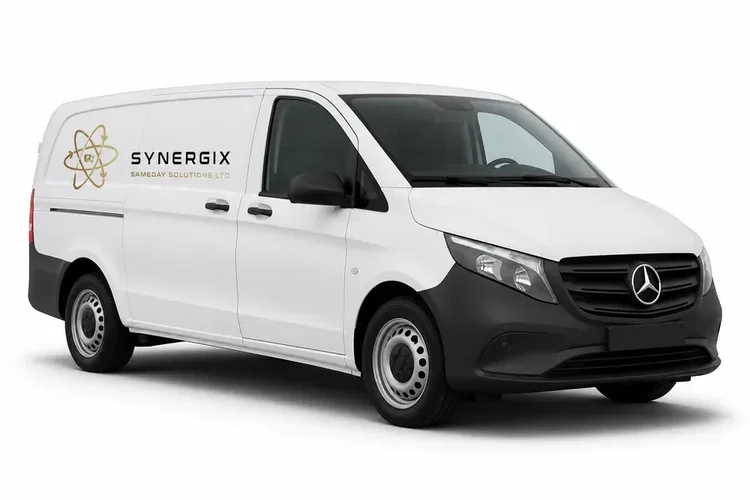
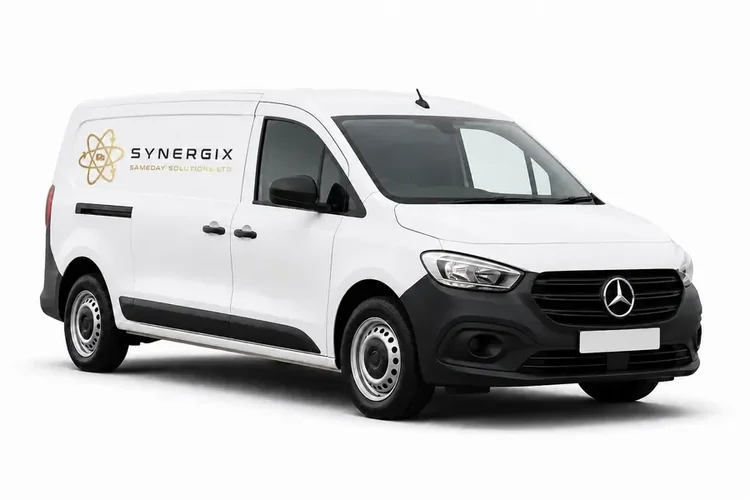
SWB van
2.4 × 1.2 × 1.2 m
Up to 800 kg
Useful for stock, tools and smaller pallet loads that need more room than a small van.
Standard body guide; actual vehicle checked.
View vehicle guide: Short wheelbase van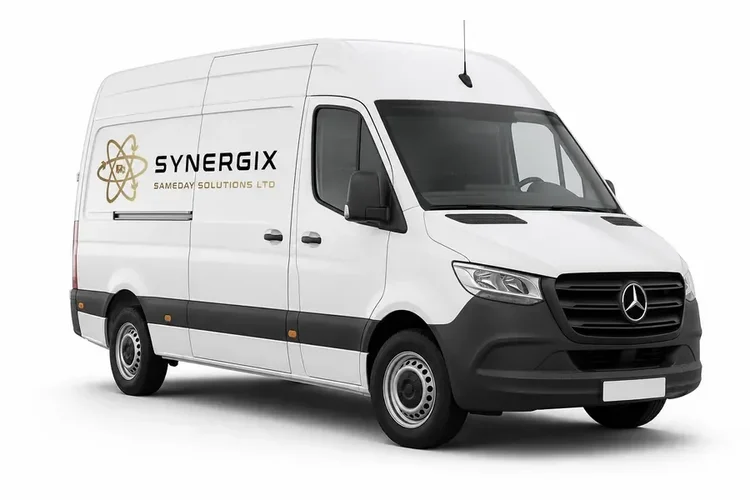
LWB van
3.6 × 1.2 × 1.8 m
Up to 1,250 kg
More floor length for equipment, boxed stock, signage and longer items on dedicated courier work.
Standard body guide; actual vehicle checked.
View vehicle guide: Long wheelbase van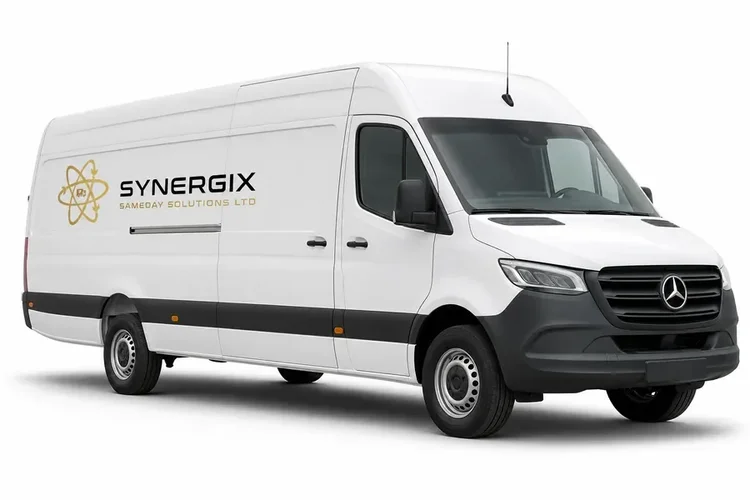
XLWB van
4.2 × 1.2 × 1.8 m
Up to 1,100 kg
Extra length for bulky, lighter consignments and long items that need an enclosed vehicle.
Standard body guide; actual vehicle checked.
View vehicle guide: Extra long wheelbase van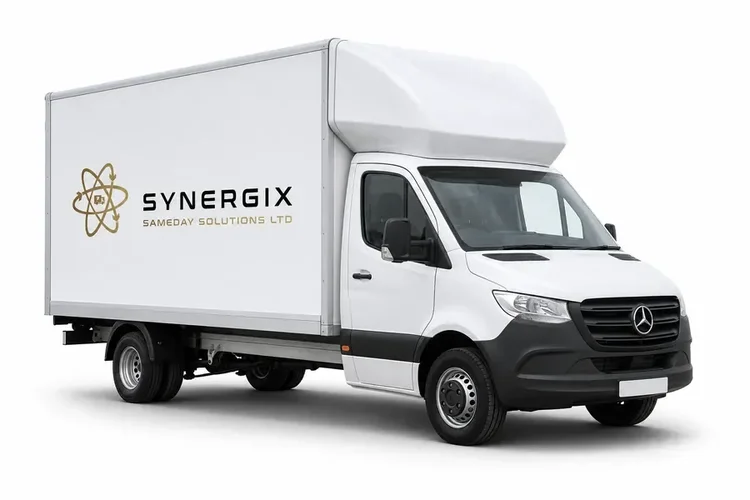
Luton van
4 × 2 × 2 m
Up to 1,100 kg
A wider box-shaped load area for bulky stock, furniture and light palletised deliveries.
900 kg with a tail lift; conversion checked.
View vehicle guide: Luton van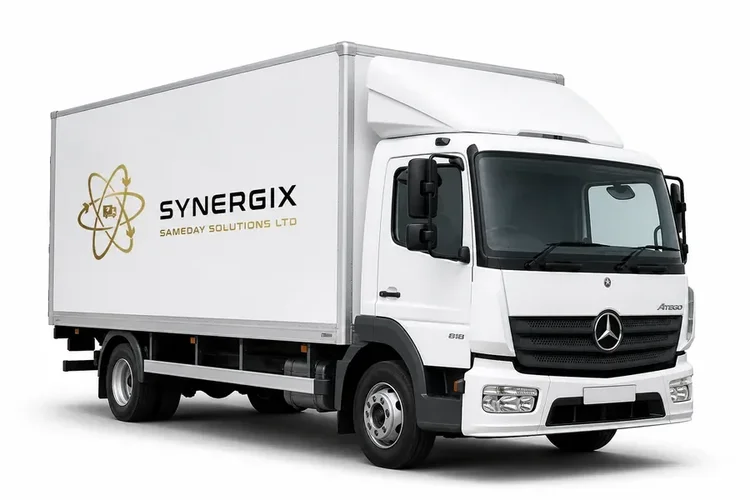
7.5 tonne lorry
6 × 2.2–2.4 × 2–2.445 m
Up to 2,400 kg
A step up from vans for pallet deliveries, retail stock and bulky goods requiring a rigid lorry.
Standard body guide; actual vehicle checked.
View vehicle guide: 7.5 tonne lorry
18 tonne lorry
7.5 × 2.4 × 2.5 m
Up to 9,000 kg
A larger rigid for regular distribution, industrial goods and heavier pallet loads.
Standard body guide; actual vehicle checked.
View vehicle guide: 18 tonne lorry
26 tonne lorry
8 × 2.5 × 2.6 m
Up to 15,000 kg
A higher-capacity rigid option for substantial pallet, building-material and distribution loads.
Standard body guide; actual vehicle checked.
View vehicle guide: 26 tonne lorry
13.6m artic
13.6 × 2.5 × 2.6 m
Up to 26,000 kg
Full and part loads, regular trunking and larger consignments. Choose the trailer around the goods and unloading method.
Standard body guide; actual vehicle checked.
View vehicle guide: 13.6m articulated lorry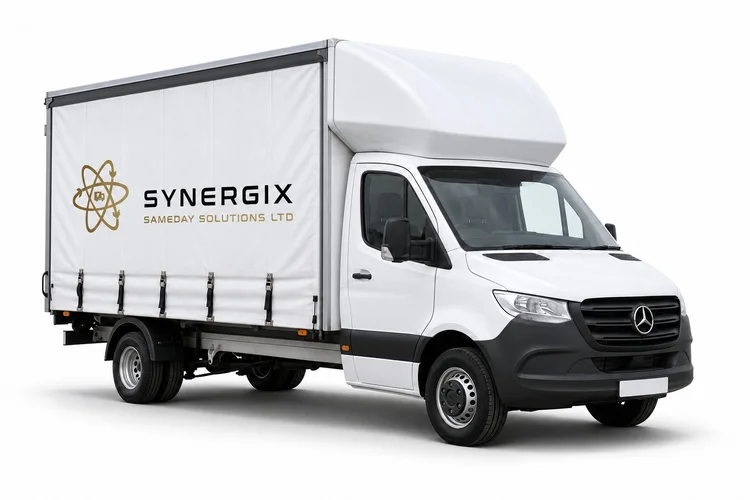
Luton curtainsider
Actual body specification confirmed
Load-specific capacity
Side loading needs a suitable opening, securing system and safe forklift access. Confirm the actual body space and payload.
Actual body, equipment and working payload checked.
View vehicle guide: Luton curtainsider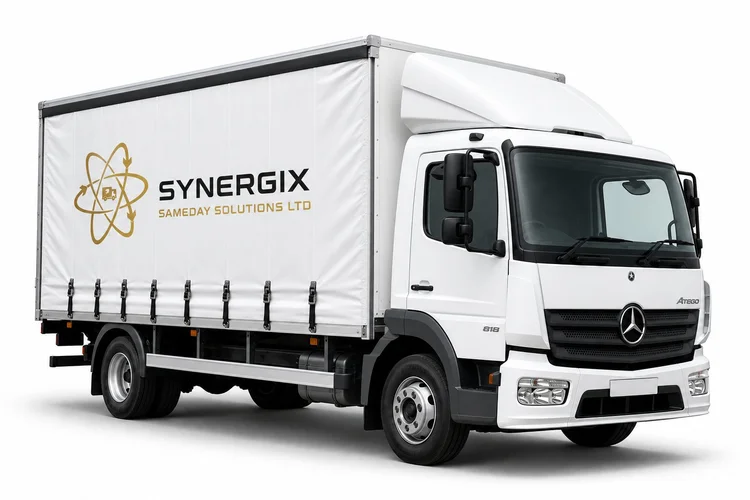
7.5t curtainsider
Actual body specification confirmed
Load-specific capacity
Side loading needs a suitable opening, securing system and safe forklift access. Confirm the actual body space and payload.
Actual body, equipment and working payload checked.
View vehicle guide: 7.5t curtainsider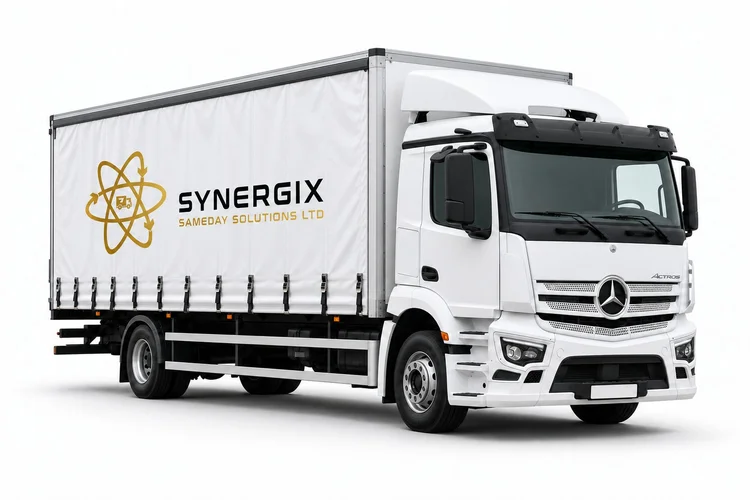
18t curtainsider
Actual body specification confirmed
Load-specific capacity
Side loading needs a suitable opening, securing system and safe forklift access. Confirm the actual body space and payload.
Actual body, equipment and working payload checked.
View vehicle guide: 18t curtainsider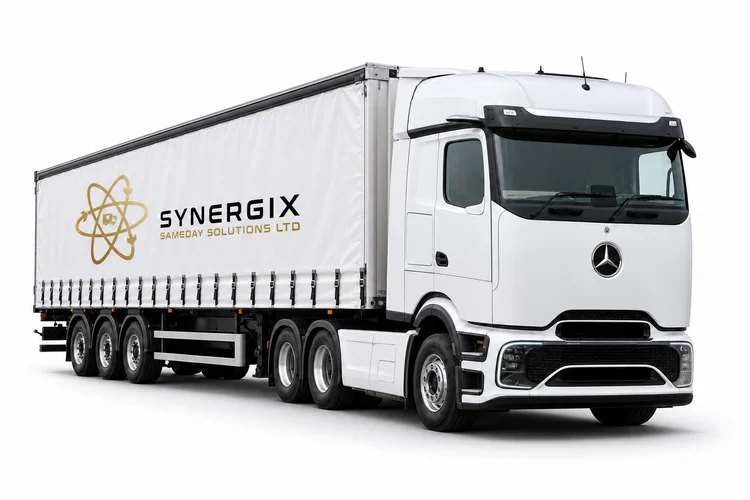
Articulated curtainsider
Actual body specification confirmed
Load-specific capacity
Side loading needs a suitable opening, securing system and safe forklift access. Confirm the actual body space and payload.
Actual body, equipment and working payload checked.
View vehicle guide: Articulated curtainsider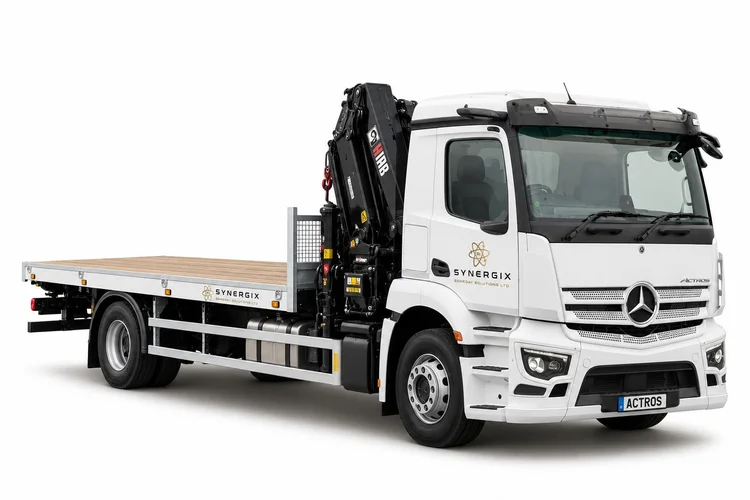
18t flatbed HIAB
Actual body specification confirmed
Load-specific capacity
Check load weight, lifting points, reach, ground, stabiliser space and the actual lift plan. Standard-body payload does not apply.
Actual body, equipment and working payload checked.
View vehicle guide: 18t flatbed HIAB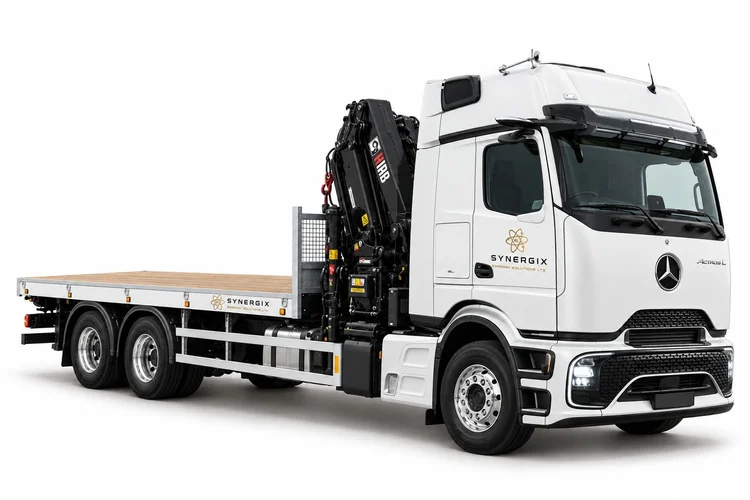
26t flatbed HIAB
Actual body specification confirmed
Load-specific capacity
Check load weight, lifting points, reach, ground, stabiliser space and the actual lift plan. Standard-body payload does not apply.
Actual body, equipment and working payload checked.
View vehicle guide: 26t flatbed HIAB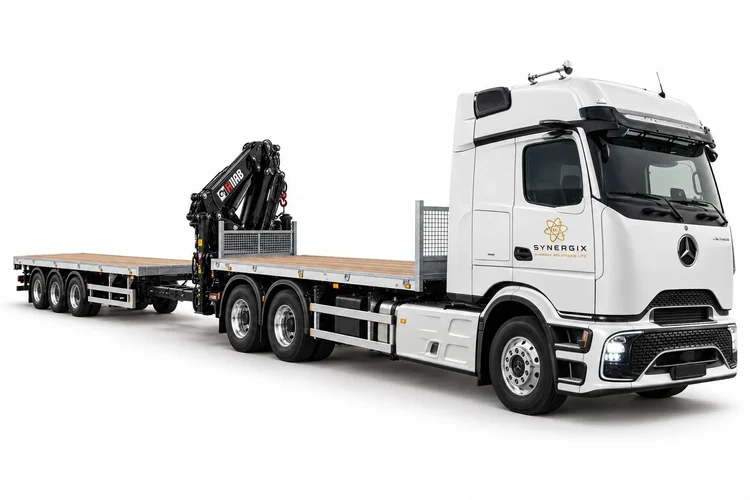
Wagon & drag, rear HIAB
Actual body specification confirmed
Load-specific capacity
Check load weight, lifting points, reach, ground, stabiliser space and the actual lift plan. Standard-body payload does not apply.
Actual body, equipment and working payload checked.
View vehicle guide: Wagon & drag, rear HIAB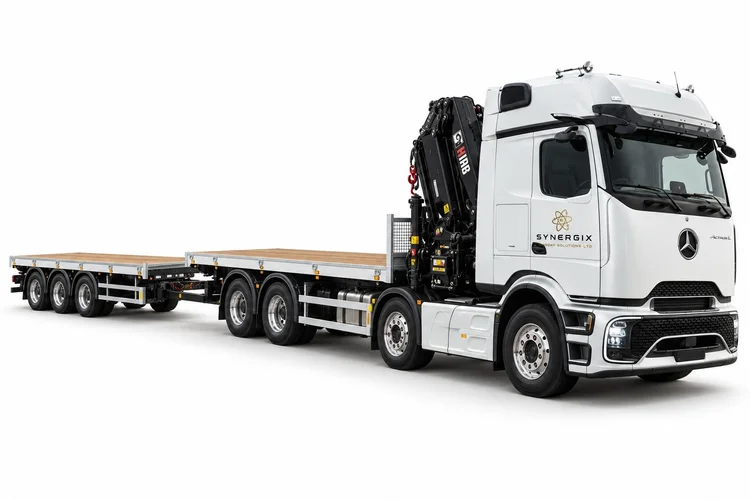
Wagon & drag, front HIAB
Actual body specification confirmed
Load-specific capacity
Check load weight, lifting points, reach, ground, stabiliser space and the actual lift plan. Standard-body payload does not apply.
Actual body, equipment and working payload checked.
View vehicle guide: Wagon & drag, front HIAB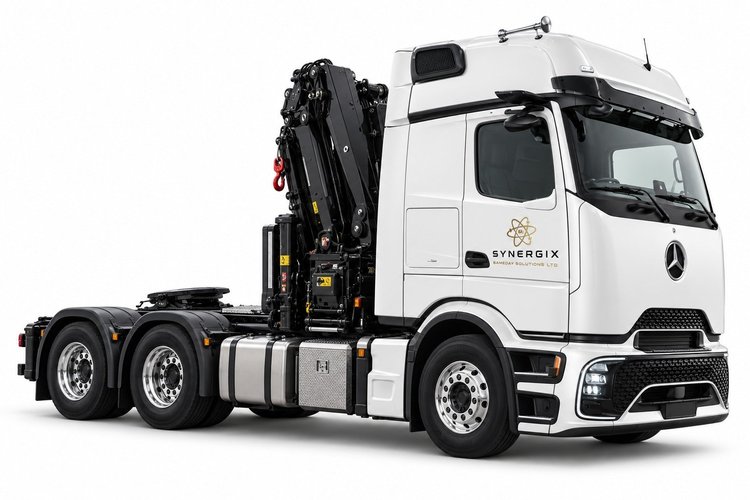
Three-axle HIAB tractor
Actual body specification confirmed
Load-specific capacity
Check load weight, lifting points, reach, ground, stabiliser space and the actual lift plan. Standard-body payload does not apply. Tractor shown without a trailer. Agree the complete combination.
Actual body, equipment and working payload checked.
View vehicle guide: Three-axle HIAB tractor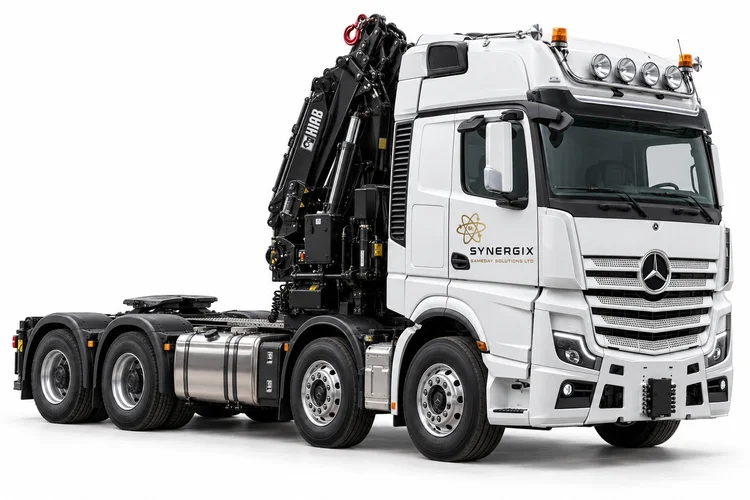
Four-axle heavy HIAB tractor
Actual body specification confirmed
Load-specific capacity
Check load weight, lifting points, reach, ground, stabiliser space and the actual lift plan. Standard-body payload does not apply. Tractor shown without a trailer. Agree the complete combination.
Actual body, equipment and working payload checked.
View vehicle guide: Four-axle heavy HIAB tractor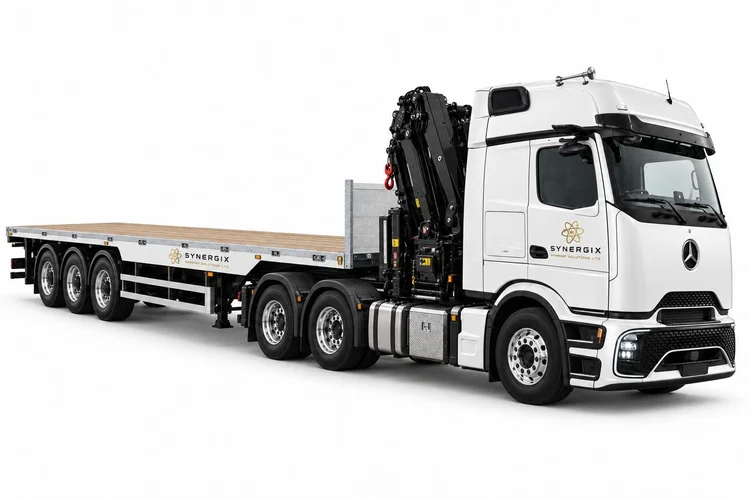
HIAB artic & flatbed
Actual body specification confirmed
Load-specific capacity
Check load weight, lifting points, reach, ground, stabiliser space and the actual lift plan. Standard-body payload does not apply.
Actual body, equipment and working payload checked.
View vehicle guide: HIAB artic & flatbed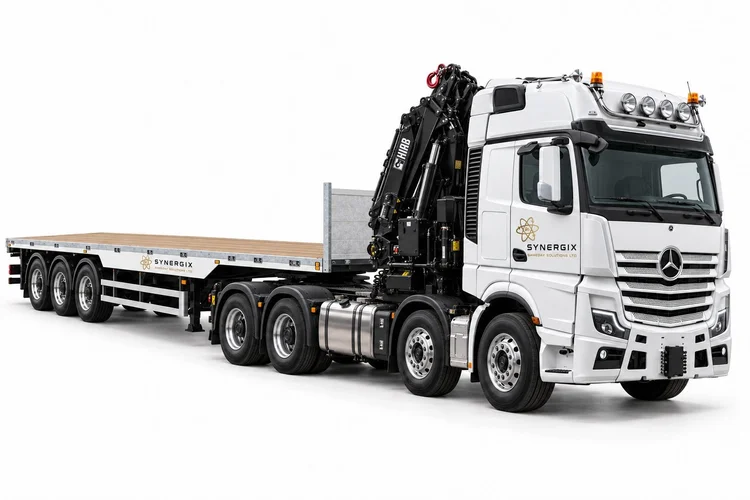
Heavy HIAB artic & flatbed
Actual body specification confirmed
Load-specific capacity
Check load weight, lifting points, reach, ground, stabiliser space and the actual lift plan. Standard-body payload does not apply.
Actual body, equipment and working payload checked.
View vehicle guide: Heavy HIAB artic & flatbed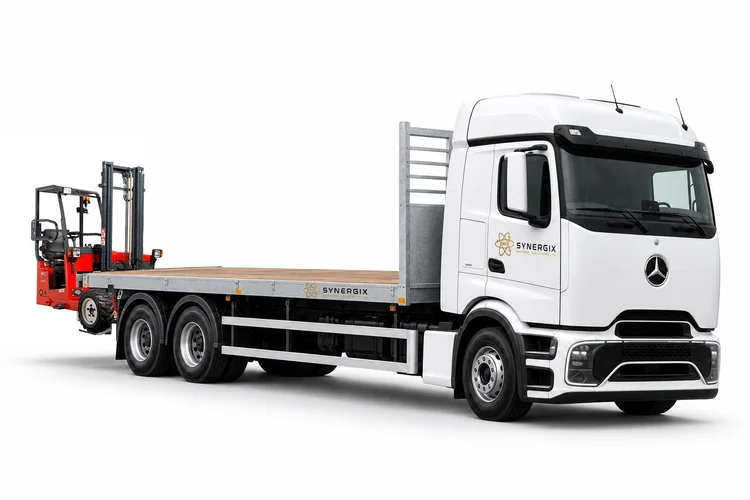
26t flatbed MOFFETT
Actual body specification confirmed
Load-specific capacity
Carried forklift unloading. Check load centre, item weight, fork access, ground, gradients and working space. Fitted equipment reduces payload.
Actual body, equipment and working payload checked.
View vehicle guide: 26t flatbed MOFFETT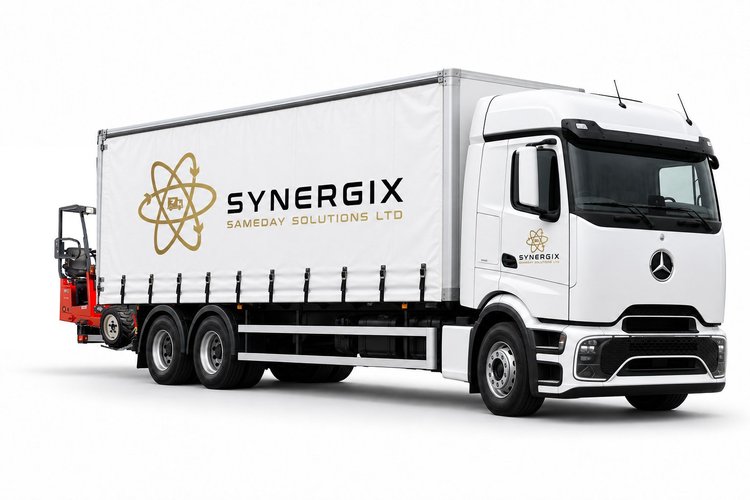
26t curtainsider MOFFETT
Actual body specification confirmed
Load-specific capacity
Carried forklift unloading. Check load centre, item weight, fork access, ground, gradients and working space. Fitted equipment reduces payload.
Actual body, equipment and working payload checked.
View vehicle guide: 26t curtainsider MOFFETT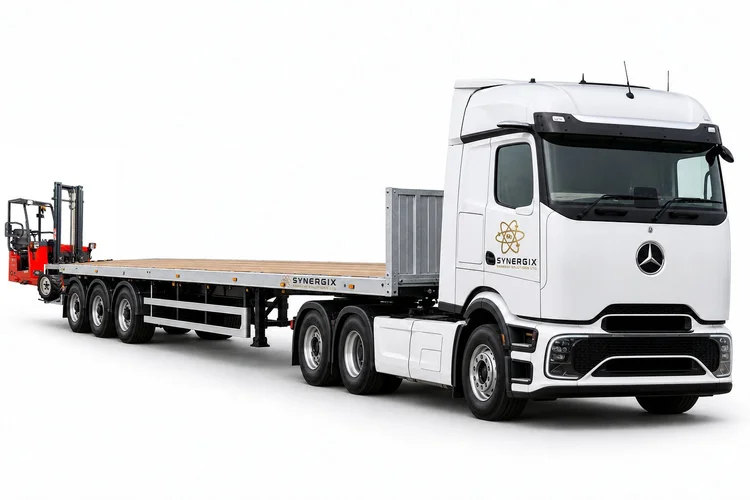
Artic flatbed MOFFETT
Actual body specification confirmed
Load-specific capacity
Carried forklift unloading. Check load centre, item weight, fork access, ground, gradients and working space. Fitted equipment reduces payload.
Actual body, equipment and working payload checked.
View vehicle guide: Artic flatbed MOFFETT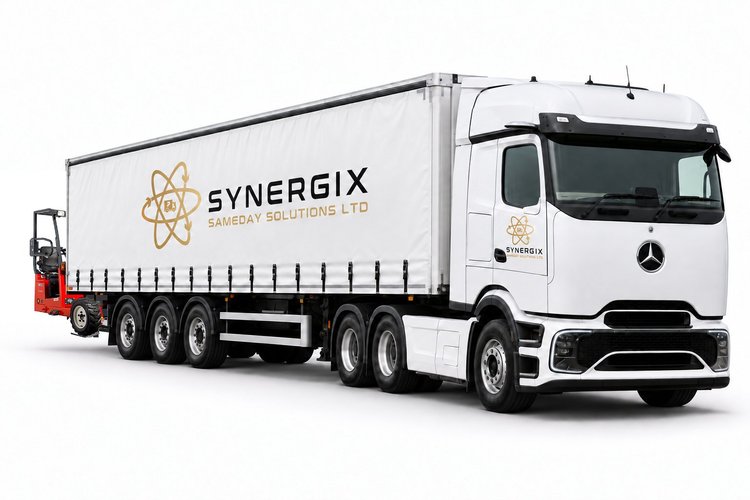
Artic curtainsider MOFFETT
Actual body specification confirmed
Load-specific capacity
Carried forklift unloading. Check load centre, item weight, fork access, ground, gradients and working space. Fitted equipment reduces payload.
Actual body, equipment and working payload checked.
View vehicle guide: Artic curtainsider MOFFETT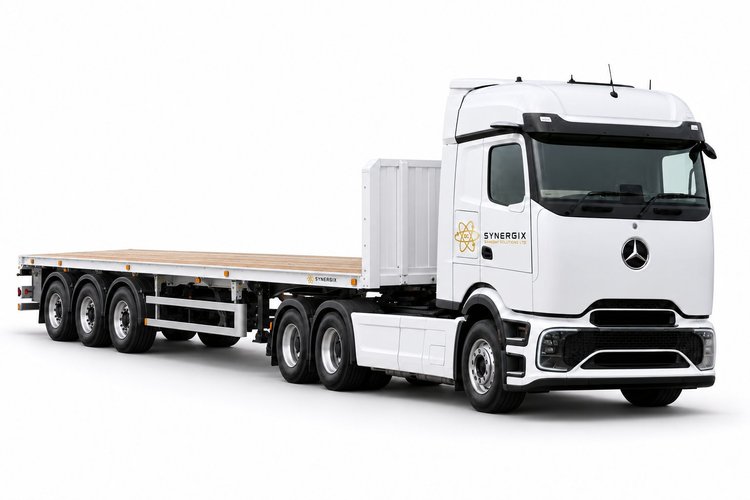
Articulated flatbed
Actual body specification confirmed
Load-specific capacity
Open-deck goods need appropriate weather protection, restraint and loading equipment.
Actual body, equipment and working payload checked.
View vehicle guide: Articulated flatbed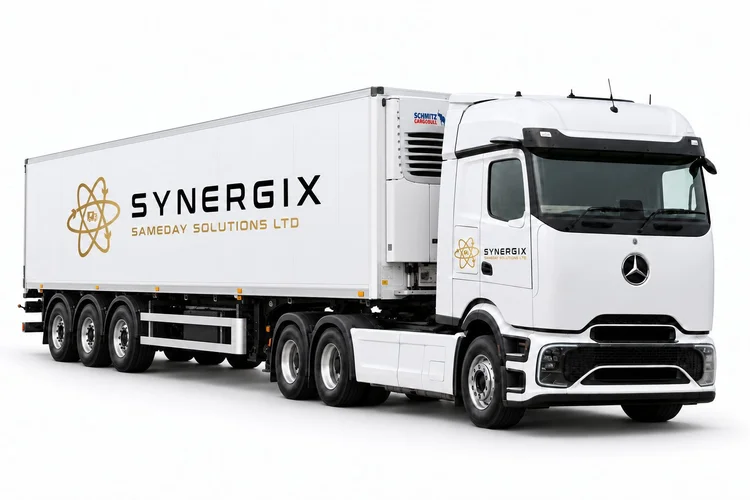
Refrigerated trailer
Actual refrigerated space confirmed
Refrigerated trailer option
Confirm goods, temperature, usable space, payload, power and operating responsibilities. Transport and static hire are separate bookings.
Actual body, equipment and working payload checked.
View vehicle guide: Refrigerated trailer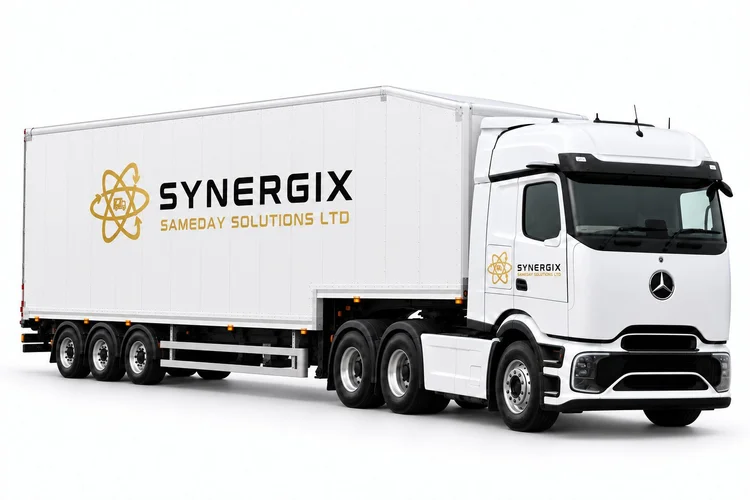
Double-deck box trailer
Actual body specification confirmed
Load-specific capacity
Check both deck heights, individual deck limits, access and the actual loading sequence.
Actual body, equipment and working payload checked.
View vehicle guide: Double-deck box trailer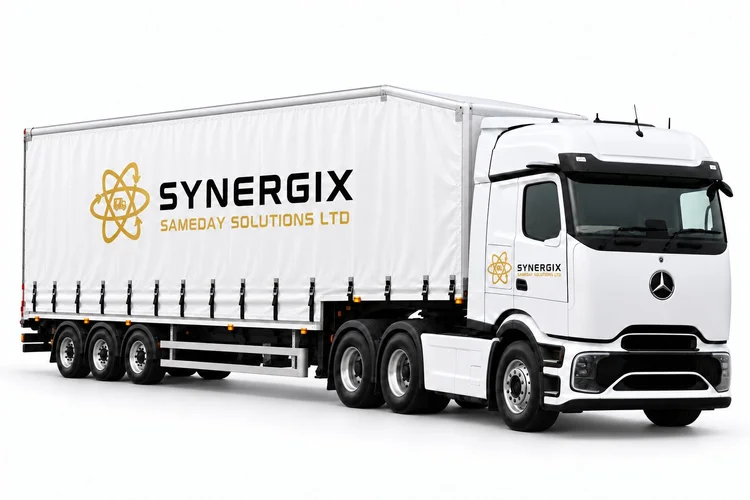
Double-deck curtainsider
Actual body specification confirmed
Load-specific capacity
Confirm deck heights, weight distribution, side access and the securing plan.
Actual body, equipment and working payload checked.
View vehicle guide: Double-deck curtainsider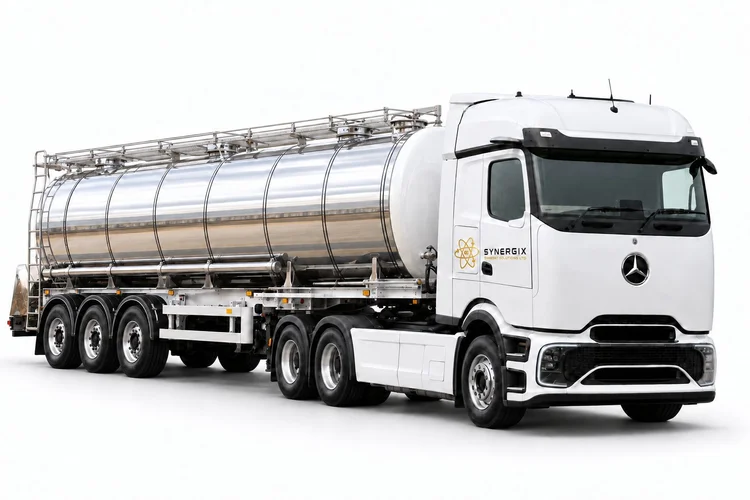
Tanker trailer
Actual body specification confirmed
Load-specific capacity
Declare the product, compatibility, hygiene, transfer equipment and any regulatory requirements. Acceptance is checked, not automatic.
Actual body, equipment and working payload checked.
View vehicle guide: Tanker trailer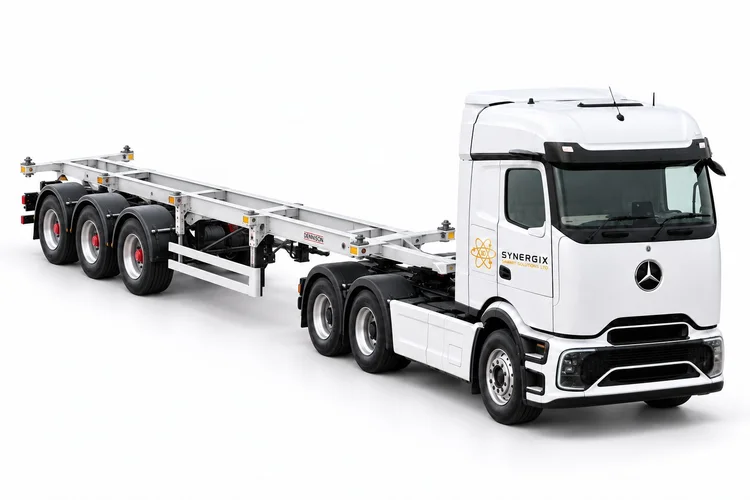
Skeletal container trailer
Actual body specification confirmed
Load-specific capacity
Confirm container size, loaded weight, twistlock positions and terminal or site lifting arrangements.
Actual body, equipment and working payload checked.
View vehicle guide: Skeletal container trailer
Walking-floor trailer
Actual body specification confirmed
Load-specific capacity
Check material suitability, unloading clearance, ground and the actual moving-floor arrangement.
Actual body, equipment and working payload checked.
View vehicle guide: Walking-floor trailer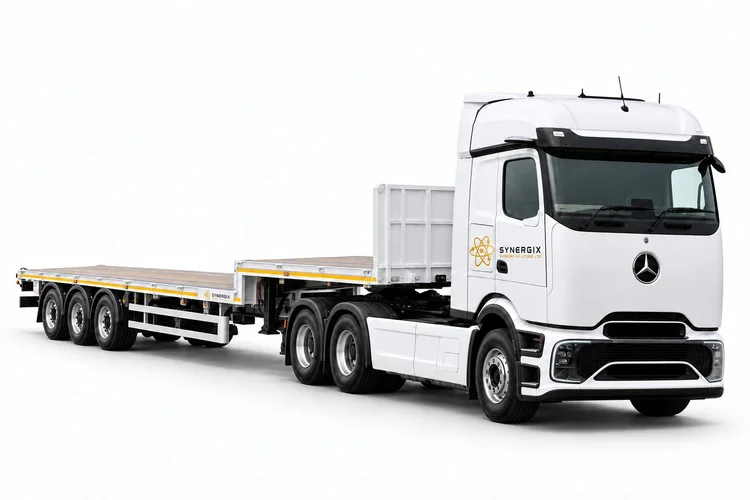
Step-frame trailer
Actual body specification confirmed
Load-specific capacity
Check each deck length and height, point loads, overall loaded height and loading method.
Actual body, equipment and working payload checked.
View vehicle guide: Step-frame trailer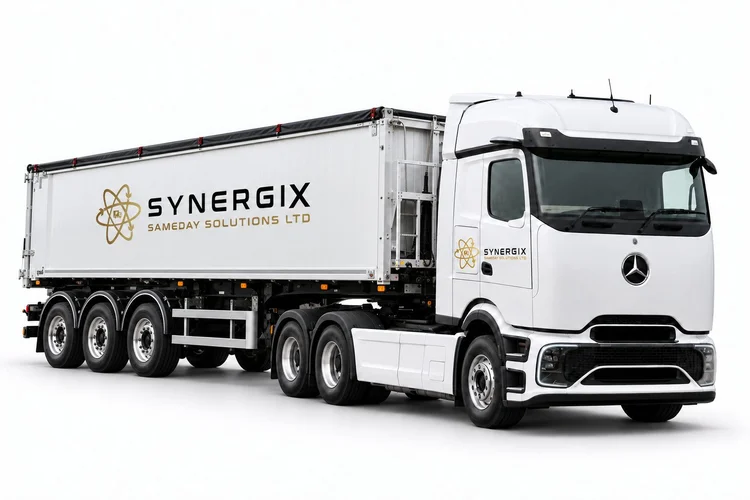
Bulk tipper trailer
Actual body specification confirmed
Load-specific capacity
Declare the material and contamination requirements. Check tipping space, overhead clearance and stable level ground.
Actual body, equipment and working payload checked.
View vehicle guide: Bulk tipper trailer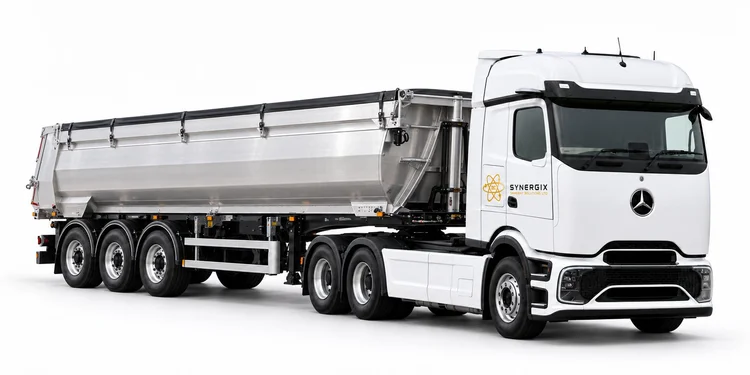
Alloy U-shaped tipper
Actual body specification confirmed
Load-specific capacity
Confirm material, liner or body compatibility, capacity and safe tipping conditions.
Actual body, equipment and working payload checked.
View vehicle guide: Alloy U-shaped tipper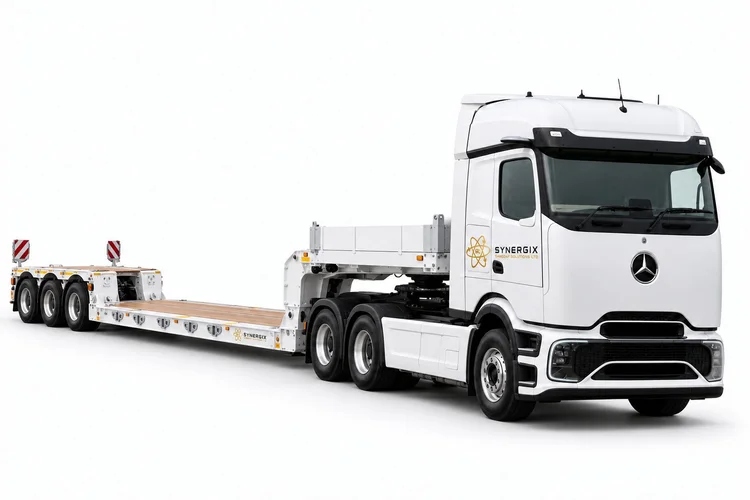
Low-loader
Actual body specification confirmed
Load-specific capacity
Check deck profile, ramps, concentrated weight, ground clearance and actual loaded dimensions.
Actual body, equipment and working payload checked.
View vehicle guide: Low-loader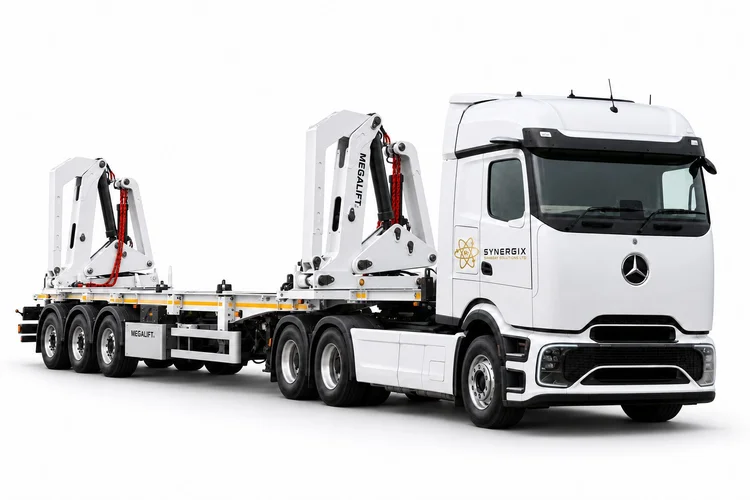
Megalift trailer
Actual body specification confirmed
Load-specific capacity
Container side-lifting needs the actual load, outreach, ground bearing and stabiliser working area checked.
Actual body, equipment and working payload checked.
View vehicle guide: Megalift trailer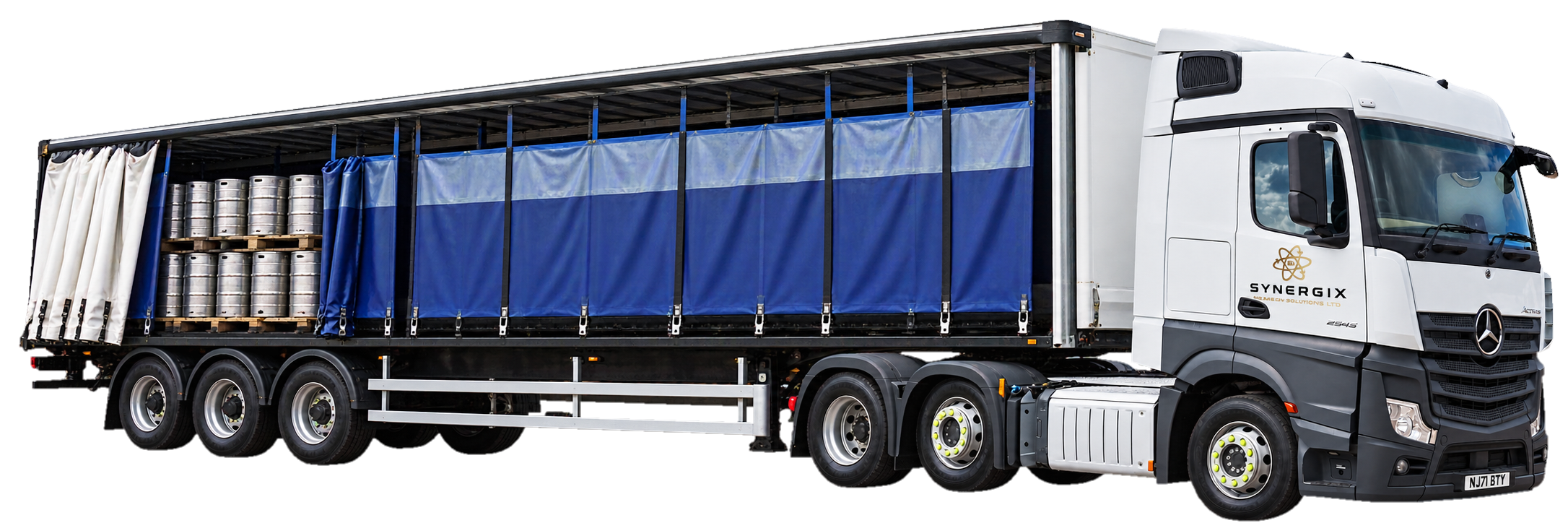
Purpose-built keg trailer
Keg layout and usable space confirmed
Actual trailer payload confirmed
For suitable keg distribution. Supply keg quantities, individual loaded weights, load presentation, site access and receiving arrangements.
Purpose-built keg trailers and other suitable vehicles are both used. Trailer layout, load restraint and unloading method are agreed for the job.
View vehicle guide: Purpose-built keg trailer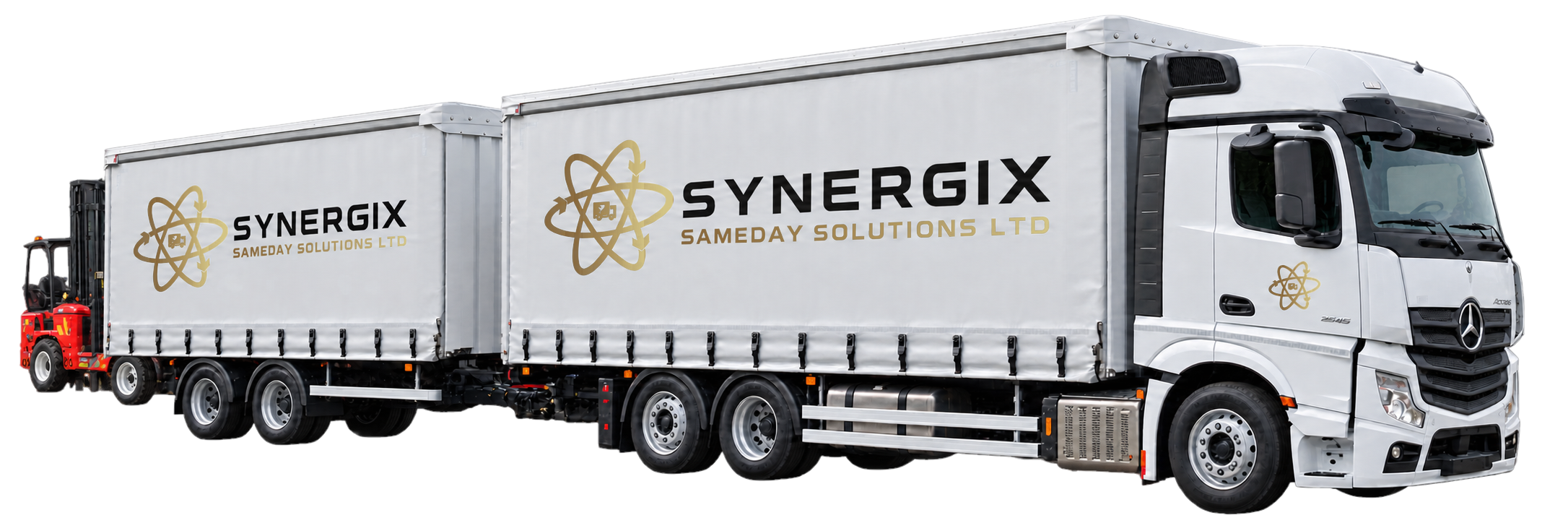
Wagon and drag MOFFETT
Both decks and forklift position confirmed
Actual completed combination payload confirmed
A rigid-and-drawbar combination with truck-mounted forklift unloading. Give individual load weights, deck allocation, unloading sequence and the ground route to the receiving point.
The carried forklift changes equipment position and freight allowance. Confirm the actual forklift, mounting, load-centre limits, ground and access.
View vehicle guide: Wagon and drag MOFFETTUse the slider or arrows, or open the stationary vehicle guide.
Stationary vehicle guide and dimensions
| Vehicle | Load space | Payload / equipment | Booking check |
|---|---|---|---|
| Small van | 1.2 × 1 × 1 m | Up to 400 kg | Standard body guide; actual vehicle checked. |
| Short wheelbase van | 2.4 × 1.2 × 1.2 m | Up to 800 kg | Standard body guide; actual vehicle checked. |
| Long wheelbase van | 3.6 × 1.2 × 1.8 m | Up to 1,250 kg | Standard body guide; actual vehicle checked. |
| Extra long wheelbase van | 4.2 × 1.2 × 1.8 m | Up to 1,100 kg | Standard body guide; actual vehicle checked. |
| Luton van | 4 × 2 × 2 m | Up to 1,100 kg | 900 kg with a tail lift; conversion checked. |
| 7.5 tonne lorry | 6 × 2.2–2.4 × 2–2.445 m | Up to 2,400 kg | Standard body guide; actual vehicle checked. |
| 18 tonne lorry | 7.5 × 2.4 × 2.5 m | Up to 9,000 kg | Standard body guide; actual vehicle checked. |
| 26 tonne lorry | 8 × 2.5 × 2.6 m | Up to 15,000 kg | Standard body guide; actual vehicle checked. |
| 13.6m articulated lorry | 13.6 × 2.5 × 2.6 m | Up to 26,000 kg | Standard body guide; actual vehicle checked. |
| Luton curtainsider | Actual body specification confirmed | Load-specific capacity | Actual body, equipment and working payload checked. |
| 7.5t curtainsider | Actual body specification confirmed | Load-specific capacity | Actual body, equipment and working payload checked. |
| 18t curtainsider | Actual body specification confirmed | Load-specific capacity | Actual body, equipment and working payload checked. |
| Articulated curtainsider | Actual body specification confirmed | Load-specific capacity | Actual body, equipment and working payload checked. |
| 18t flatbed HIAB | Actual body specification confirmed | Load-specific capacity | Actual body, equipment and working payload checked. |
| 26t flatbed HIAB | Actual body specification confirmed | Load-specific capacity | Actual body, equipment and working payload checked. |
| Wagon & drag, rear HIAB | Actual body specification confirmed | Load-specific capacity | Actual body, equipment and working payload checked. |
| Wagon & drag, front HIAB | Actual body specification confirmed | Load-specific capacity | Actual body, equipment and working payload checked. |
| Three-axle HIAB tractor | Actual body specification confirmed | Load-specific capacity | Actual body, equipment and working payload checked. |
| Four-axle heavy HIAB tractor | Actual body specification confirmed | Load-specific capacity | Actual body, equipment and working payload checked. |
| HIAB artic & flatbed | Actual body specification confirmed | Load-specific capacity | Actual body, equipment and working payload checked. |
| Heavy HIAB artic & flatbed | Actual body specification confirmed | Load-specific capacity | Actual body, equipment and working payload checked. |
| 26t flatbed MOFFETT | Actual body specification confirmed | Load-specific capacity | Actual body, equipment and working payload checked. |
| 26t curtainsider MOFFETT | Actual body specification confirmed | Load-specific capacity | Actual body, equipment and working payload checked. |
| Artic flatbed MOFFETT | Actual body specification confirmed | Load-specific capacity | Actual body, equipment and working payload checked. |
| Artic curtainsider MOFFETT | Actual body specification confirmed | Load-specific capacity | Actual body, equipment and working payload checked. |
| Articulated flatbed | Actual body specification confirmed | Load-specific capacity | Actual body, equipment and working payload checked. |
| Refrigerated trailer | Actual refrigerated space confirmed | Refrigerated trailer option | Actual body, equipment and working payload checked. |
| Double-deck box trailer | Actual body specification confirmed | Load-specific capacity | Actual body, equipment and working payload checked. |
| Double-deck curtainsider | Actual body specification confirmed | Load-specific capacity | Actual body, equipment and working payload checked. |
| Tanker trailer | Actual body specification confirmed | Load-specific capacity | Actual body, equipment and working payload checked. |
| Skeletal container trailer | Actual body specification confirmed | Load-specific capacity | Actual body, equipment and working payload checked. |
| Walking-floor trailer | Actual body specification confirmed | Load-specific capacity | Actual body, equipment and working payload checked. |
| Step-frame trailer | Actual body specification confirmed | Load-specific capacity | Actual body, equipment and working payload checked. |
| Bulk tipper trailer | Actual body specification confirmed | Load-specific capacity | Actual body, equipment and working payload checked. |
| Alloy U-shaped tipper | Actual body specification confirmed | Load-specific capacity | Actual body, equipment and working payload checked. |
| Low-loader | Actual body specification confirmed | Load-specific capacity | Actual body, equipment and working payload checked. |
| Megalift trailer | Actual body specification confirmed | Load-specific capacity | Actual body, equipment and working payload checked. |
| Purpose-built keg trailer | Keg layout and usable space confirmed | Actual trailer payload confirmed | Purpose-built keg trailers and other suitable vehicles are both used. Trailer layout, load restraint and unloading method are agreed for the job. |
| Wagon and drag MOFFETT | Both decks and forklift position confirmed | Actual completed combination payload confirmed | The carried forklift changes equipment position and freight allowance. Confirm the actual forklift, mounting, load-centre limits, ground and access. |
Illustrations and standard-body figures are planning guidance. Confirm the assigned body, door openings, equipment and usable payload for your load. A specialist conversion does not inherit a standard truck’s capacity.
How it works
From booking to handover.
Plan collection, site entry and handover together.
- Brief the job
Send the goods, route, dates and latest event instructions. Include the deadline and any return movement.
- Agree the plan
We check vehicle availability, handling, access, timing and price, then confirm the booked scope.
- Collect and deliver
Goods are loaded and secured, then moved against the agreed route and site window. Changes go through the team.
- Complete the handover
Confirm the recipient, unloading or placement point and any exception. Tracking/POD arrangements and return work follow the booking.
Access, unloading and completion
Be ready when the vehicle is called forward.
The exact delivery point and responsibilities are agreed before the vehicle arrives.
Book the return window
Send the current breakdown timetable, vehicle booking instructions, curfews and site-clearing deadline. Rules may differ between build and breakdown, even at the same venue.
Prepare the load
Have the goods dismantled where required, packed, labelled and available at the agreed loading point. Confirm the people and equipment doing the loading and who can authorise release.
Allow for site sequencing
Vehicles may wait in a holding area until called forward. Keep the site contact reachable and share revised readiness times. We agree waiting and any repeat run as part of the transport arrangements.
Complete the next handover
Check that the receiving warehouse, supplier or next event can accept the load at the planned time. Record quantities and exceptions at collection and agree the delivery reporting.
Monday and Tuesday can be as busy as the build.
Many festival builds take place during the week, with breakdown movements starting on Monday or Tuesday. The site remains a hive of activity and vehicles may have to wait their turn. We plan the collection sequence around the actual release of equipment, routes and unloading capacity at the next destination.
People, equipment and ground
For fencing, the agreed transport handover can finish once unloading is complete. A HIAB container movement can include placing the container in the agreed position and confirming acceptance. MOFFETT work can include placement of suitable goods. The exact endpoint, equipment, ground and people are agreed for each movement. Stand dismantling and technical de-rigging are not assumed parts of transport.
Planning your booking
Preparing your first get-out collection
Get-out is the event’s removal period. The transport plan starts with the load being packed, released and reachable.
Create a return list
Record the owner, item count, packed dimensions, weight and destination for each load. Keep full stock, empties and different owners clearly identified. Check return instructions with the supplier.
Use the breakdown programme
Get the organiser’s current vehicle instructions, call-forward procedure and final clearance deadline. Public closing, crew access and HGV access may be at different times.
Check the loading area again
Confirm crew, forklift or other loading equipment, lighting, vehicle route and ground after the event. An area used for opening deliveries may now be blocked or softer. Send a current site photograph if conditions have changed.
Confirm the receiver
Make sure the depot, warehouse or next event will accept the load at the planned time. Give a contact and release authority at both ends; do not assume a supplier accepts unplanned night returns.
Ready to load is different from ready to dismantle
Book the collection against the time the packed load and loading resources can actually be presented. Tell us early if dismantling slips or the return volume changes. Where arranged, several runs can clear the site in stages, but each needs enough turnaround and a receiving destination that is open.
Why Synergix?
The event finishing is the start of the return job.
Our event work includes the equipment, drinks stock, infrastructure and trailers that have to leave again. We bring that experience to the collection programme, with the same attention to the return as the opening delivery.
Nationwide courier, haulage and specialist capability, with real operational support 24 hours a day, 365 days a year.
We know how busy a get-out becomes
Monday and Tuesday breakdowns are established work for us. We plan around site marshalling, loads becoming ready at different times and receiving hours at the other end. The purpose is an orderly collection sequence your crew can work to.
One team for different return movements
Unused stock may need a van, bundled fencing a truck and your own trailer a traction unit. You can coordinate those requirements through Synergix, with the correct vehicle, loading arrangement and destination agreed for each load.
National reach, with the right vehicle for the job
A dedicated vehicle can take your booked load directly to the agreed destination. Nationwide capacity supports local collections and longer UK or European movements. For urgent UK courier work, collection within 60 minutes is available for many bookings, subject to location and availability.
Tracking, proof of delivery and people who act
Live tracking helps your team coordinate the receiver, and proof of delivery records the completed handover. Registered customers can book jobs, track drivers and check proof of delivery through our customer portal. Our operations team supports the work 24/7/365 and responds when access, timings or instructions change. Agree any specific reporting requirements when booking.
Fully insured transport, with the load understood
Your equipment and stock matter to the event. Our fully insured transport is arranged against the goods, their value and the booked service, with applicable cover confirmed before collection. Specialist or high-value requirements are discussed up front so you know the arrangement you are buying.
Three generations of transport experience
Synergix is an independent family business built on three generations in transport. That experience informs the vehicle choice and planning, while the people managing your job remain accountable for it. You can reach the team making decisions when the event programme changes.
Read about our event capability and the people behind Synergix →
Registered customer portal. For a first booking, request a quote or call our team.
What we need to quote
Send the details that shape the job.
A complete brief helps us confirm the right vehicle, timing, handling and price.
Get-out programme
Event, dates, readiness times, collection windows and site-clear deadline.
Load list
Goods, quantities, packaged dimensions, individual and total weight.
Condition
Full/empty stock, mud or contamination, damaged packaging and required preparation.
Loading resources
Crew, forklift, HIAB/MOFFETT needs, ramps, lifting points and ground.
Access and release
Gate, accreditation, route, marshalling, curfew and authorised contact.
Next destination
Owner, receiving address, acceptance hours, onward event and number of runs.
Coverage, timing and price
UK collections and onward European movements can be discussed against the event programme, route and receiving arrangements. Price reflects vehicle type, load, equipment, number of runs, distance, waiting and out-of-hours requirements. Book return work early and update the team when actual loading readiness changes.
Buying the service
Buying event breakdown collections for your business
Use the same clear brief for the quotation, site team and purchasing team. Agree the transport scope and responsibilities before the vehicle is committed.
Compare the complete quotation
Check the number of collections, owners and destinations, likely return volume, vehicle, loading resources and permitted collection window. Confirm expected waiting, additional runs, changed readiness and any separate holding. A dismantling crew and a transport vehicle are different parts of the get-out.
Agree visibility and changes
Live tracking and proof of delivery are available. Specify your receiving contacts and reporting needs, and name the person authorised to change the booking. Our real operational team is available 24/7/365 when timing or access changes. A POD records the agreed handover; it does not certify installation or operation.
Supplier approval and repeat work
For recurring events or hire returns, provide the calendar, owner references and destination receiving hours. A shared release list helps identify which load is ready and where it belongs. Send supplier-approval and insurance requirements to the team before work starts. Applicable cover is confirmed for the goods, their value and the booked service. Purchase orders, invoicing, account terms, supporting documents and any extra reporting need individual agreement.
Read our standard trading terms and confirm the quoted service, charges and applicable cover before booking.
Event breakdown & collection
Questions before you book.
Practical answers about this service and your event requirements.
Does breakdown collection include dismantling?
The core service is collection and transport. Dismantling, technical de-rigging, servicing, cleaning or repair must be discussed separately and is not included automatically.
Should we book the return with the build-up delivery?
Yes, it helps to plan both movements together. Confirm the likely return load, readiness time and destination, then update the details as the event approaches.
Can you collect on Monday or Tuesday?
Yes, subject to booking and availability. These are common festival get-out days. Share the actual breakdown programme and access instructions for your event.
Can a vehicle wait while we finish packing?
Waiting can be arranged, but tell us the expected duration and site rules. Delays or changed readiness may affect the schedule and quote.
Can you collect empty kegs and unused drinks?
Yes, by arrangement. Identify ownership, quantities, condition and destination. Keep full, part-used and empty stock separate and confirm the receiving site will accept it.
Can you make several collection runs?
Yes, where arranged. We need the load split, readiness sequence, vehicle access windows and receiving capacity at the other end.
Can you collect our own trailer?
Yes. We arrange traction for suitable customer trailers. Provide trailer details, condition, weight, coupling information, release authority and collection and delivery access.
Will you load fencing or heavy kit?
Loading and unloading responsibilities are agreed before booking. Tell us what crew and equipment are available and whether a HIAB or MOFFETT assessment is needed.
What if the ground deteriorates after the event?
Tell us immediately and provide current site information. Vehicle access and handling need suitable ground; an alternative route, loading point or revised arrangement may be necessary.
Can goods go straight to another event?
Yes, where the route and access can be agreed. Include both event programmes, receiving contacts, load preparation and the time the next site will accept delivery.
What if we have more to return than we delivered?
Update the load list before collection. Packaging, mixed owners, unused stock and empties can change the space, weight and loading sequence. We reassess the vehicle or additional run rather than assume the original outbound vehicle will fit.
Does collection include waste disposal?
Do not include waste or contaminated materials without declaring them. This page covers agreed equipment and stock returns. Waste handling, disposal and any related acceptance requirements need separate confirmation.
Talk to Synergix
Plan the get-out before the gates open.
Send your breakdown timetable, return loads and destinations. We will help match the collection sequence to vehicles, access and loading readiness.