
Network spares. Maintenance teams. Project supplies.
Utilities, energy
& infrastructure transport.
The pump needed for a repair, the electrical component held at another depot or the equipment required before a planned shutdown. Synergix connects suppliers, stores, contractors and receiving sites with dedicated courier and planned haulage across the UK. We move prepared parts, tools and project goods around the load, deadline and authorised access. Send the ready goods and site instructions so we can plan transport to the correct receiving team.
Ready when you are60-minute UK-wide courier collections.
Fully insured transportCover confirmed for the goods and booked service.
Live tracking & PODsFollow the movement and confirm delivery.
People available 24/7Support for urgent and planned movements.
Built around your work
Connect the part to the people doing the work.
An urgent repair and a planned project both depend on goods reaching the correct site team.
Get a ready component moving.
If a supplier or depot has the missing part, give us its release reference, packed load and latest useful arrival. A dedicated courier can take accepted goods directly to the agreed receiver. Confirm whether the engineer is at a staffed depot, compound or authorised handover point. We plan the collection and route against the actual facts; the operator and repair team remain responsible for restoring the asset or service.
Sequence supplies around the programme.
Send the delivery stages, goods lists and receiving slots for a maintenance shutdown or infrastructure project. We can arrange repeat collections and larger haulage according to the load and access. Distinguish parts needed for the first task from later materials, and include empty packaging or repair returns. The programme needs a contact who can accept changes if readiness, unloading equipment or site access shifts.
Match handling to the actual load.
A small valve can be dense; a cabinet, drum or packaged unit may need a larger footprint and suitable loading equipment. Send dimensions, weight, photographs and supplier handling instructions. We assess the body type, restraint and loading or unloading arrangements. Specialist lifting, abnormal dimensions, ground conditions and any permits require preparation. Vehicle payload alone does not establish that a piece can be loaded or delivered safely.
Choose by the actual load
The right vehicle for the movement.
From a compact courier load to larger equipment. Vehicle size is one part of the plan; specialist goods, value and handling also need agreement.
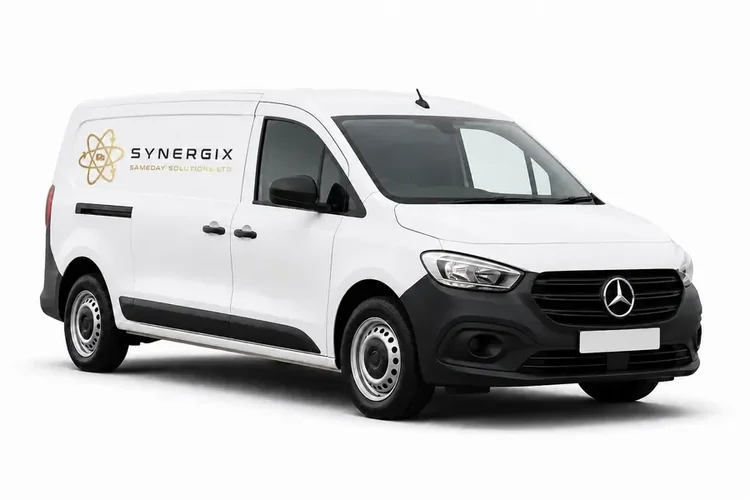
Small van
1.2 × 1 × 1 m
Load length × width × height
Up to 400 kg
Standard body guide; actual vehicle checked.

SWB van
2.4 × 1.2 × 1.2 m
Load length × width × height
Up to 800 kg
Standard body guide; actual vehicle checked.
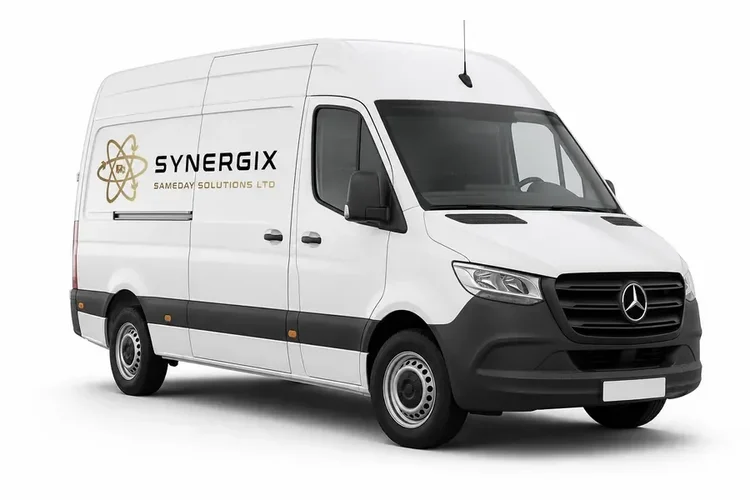
LWB van
3.6 × 1.2 × 1.8 m
Load length × width × height
Up to 1,250 kg
Standard body guide; actual vehicle checked.
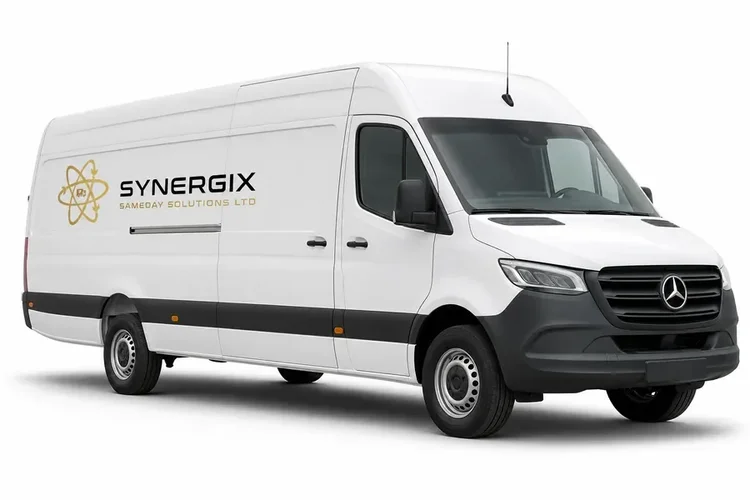
XLWB van
4.2 × 1.2 × 1.8 m
Load length × width × height
Up to 1,100 kg
Standard body guide; actual vehicle checked.
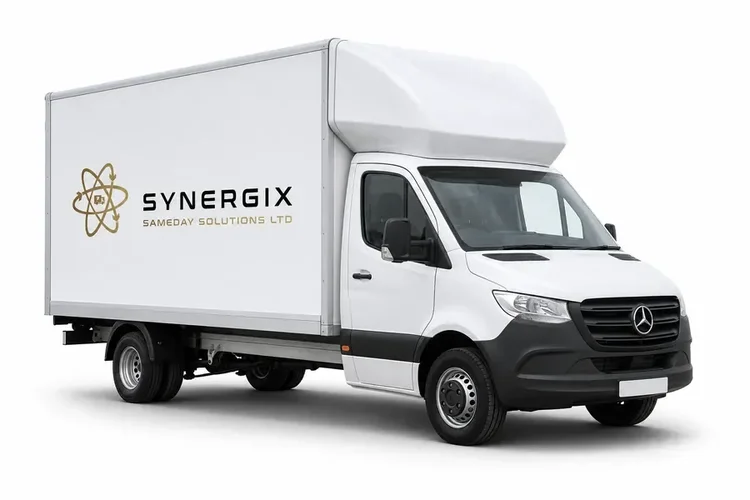
Luton van
4 × 2 × 2 m
Load length × width × height
Up to 1,100 kg
900 kg with a tail lift; conversion checked.
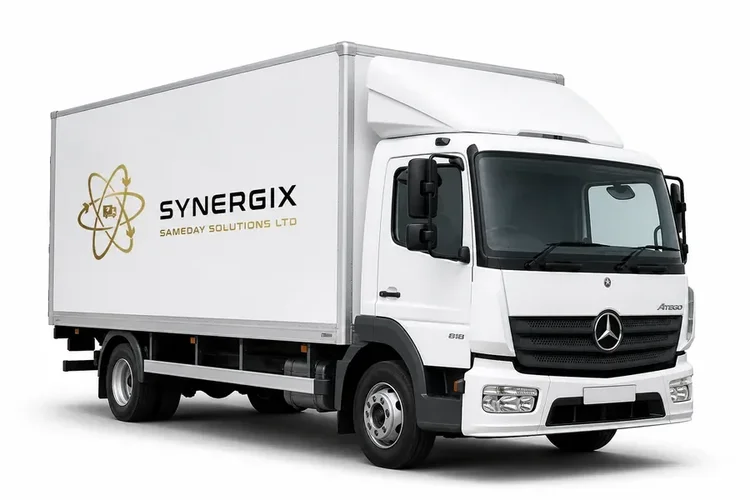
7.5 tonne lorry
6 × 2.3 × 2.2 m
Load length × width × height
Up to 2,400 kg
Standard body guide; actual vehicle checked.

18 tonne lorry
7.5 × 2.4 × 2.5 m
Load length × width × height
Up to 9,000 kg
Standard body guide; actual vehicle checked.

26 tonne lorry
8 × 2.5 × 2.6 m
Load length × width × height
Up to 15,000 kg
Standard body guide; actual vehicle checked.

13.6m artic
13.6 × 2.5 × 2.6 m
Load length × width × height
Up to 26,000 kg
Standard body guide; actual vehicle checked.
View all vehicle dimensions and guide links
Typical standard-body planning figures. Include packaging, pallets and cases in your measurements.
| Vehicle guide | Load length × width × height | Weight guide | Check before booking |
|---|---|---|---|
| Small van | 1.2 × 1 × 1 m | Up to 400 kg | Standard body guide; actual vehicle checked. |
| SWB van | 2.4 × 1.2 × 1.2 m | Up to 800 kg | Standard body guide; actual vehicle checked. |
| LWB van | 3.6 × 1.2 × 1.8 m | Up to 1,250 kg | Standard body guide; actual vehicle checked. |
| XLWB van | 4.2 × 1.2 × 1.8 m | Up to 1,100 kg | Standard body guide; actual vehicle checked. |
| Luton van | 4 × 2 × 2 m | Up to 1,100 kg | 900 kg with a tail lift; conversion checked. |
| 7.5 tonne lorry | 6 × 2.3 × 2.2 m | Up to 2,400 kg | Standard body guide; actual vehicle checked. |
| 18 tonne lorry | 7.5 × 2.4 × 2.5 m | Up to 9,000 kg | Standard body guide; actual vehicle checked. |
| 26 tonne lorry | 8 × 2.5 × 2.6 m | Up to 15,000 kg | Standard body guide; actual vehicle checked. |
| 13.6m artic | 13.6 × 2.5 × 2.6 m | Up to 26,000 kg | Standard body guide; actual vehicle checked. |
Body type, refrigeration, door openings, tail lifts and other loading equipment change useful space and payload. The assigned vehicle, loaded weight, restraint and access must be checked. Floor space alone does not establish fit. Where pallet-truck handling is needed for a loaded pallet of 800 kg or more, request an electric pump truck.
Goods and requirements
Types of utility and infrastructure goods we transport
The product category starts the conversation. Condition, contents, dimensions and the receiving arrangements decide the accepted service.
- Electrical components
- Pumps and valves
- Cable and ducting
- Meters and instruments
- Renewable-energy components
- Tools and site supplies
- Repair returns
- Specialist enquiries
Controls, switchgear parts and electrical spares
Boxed controls, relays, panels and replacement assemblies can move between suppliers, stores and maintenance teams. Provide exact packed dimensions, weight and any sensitive surfaces or orientation restrictions. Larger units may need a pallet or transport frame. Declare batteries, insulating fluids or other contents relevant to acceptance. Transport does not include isolation, electrical work or commissioning.
Pumps, valves and mechanical assemblies
New and prepared repairable pumps, valves, actuators and mechanical parts can need lifting arrangements despite a compact size. Include the base or pallet in measurements, protect ports and identify any uneven load. Used equipment needs residual liquids, contamination and condition declared. Confirm who loads and unloads the item and the equipment available at both ends.
Cable drums, ducting and long components
Give drum diameter, width, total weight and lifting or securing instructions. Long lengths, pipe sections and ducting can set the vehicle requirement before total weight is reached. Identify overhang, sharp edges and non-stackable pieces. Mechanical handling and site access must suit the load. We do not assume every drum can be rolled or unloaded manually.
Metering, test and diagnostic equipment
Meters, sensors, test instruments and prepared diagnostic equipment need suitable cases and clear references. Declare value and any batteries or regulated contents. Follow the manufacturer’s transport instructions and identify orientation or impact sensitivity. Delivery to an engineer should name that person or an agreed alternative. Transport does not certify calibration or instrument performance.
Solar, wind and energy-project spares
Prepared controls, fixings, packaged panels and replacement components can connect suppliers with energy project teams. Give the full protected size and any fragile faces or non-stackable requirements. Batteries and battery-storage equipment need a specific acceptance assessment. Large structures, blades and exceptional loads are not ordinary courier goods and need a separately agreed specialist plan.
Tools, PPE and packaged project supplies
Move suitable tools, packaged protective equipment, fixings and general supplies to the agreed site contact. Separate orders by destination and keep purchase-order or project references clear. Declare fuel-powered tools, cylinders, chemicals and batteries with their condition and relevant contents. Providing transport does not approve equipment for use or replace the site team’s safety checks.
Exchange units, reusable equipment and returns
Include the return reference, receiving supplier, dimensions and condition. Drain or prepare equipment according to the responsible sender’s instructions and declare residual fluids, leaks, contamination or waste status. Returnable frames and drums need space in the plan. A used item is not automatically ordinary freight because it is being sent for repair.
Regulated goods and environmental samples
Chemicals, batteries, pressurised equipment and samples require an individual service assessment. Supply classification, packaging, quantity, condition, temperature or time limits and receiving instructions as relevant. We confirm whether the suitable driver, vehicle, documentation and handling can be arranged. An industry heading does not establish automatic acceptance of every regulated consignment.
Why choose Synergix?
Fast response with a usable delivery plan.
Practical transport, visibility and active support for the work behind the delivery.
60-minute UK-wide courier collections.
Get ready spares moving when a maintenance team is waiting. We confirm the collection window for the location, goods and suitable vehicle. Specialist trucks or unusual handling can need additional preparation.
Fully insured transport.
Declare the equipment and value so applicable cover can be confirmed for the booked service. Dense assemblies, valuable controls and specialist instruments need to be described accurately before transport is accepted.
Live tracking and proof of delivery.
Follow the movement and confirm handover to the agreed receiver. Electronic POD helps planners close the delivery record and tell the next team the goods have arrived. Registered customers can use the booking, tracking and POD portal.
Dedicated direct courier delivery.
A dedicated courier connects the releasing supplier or depot with the receiving point. Keeping an urgent component together through the journey reduces transfers and avoids parcel-hub sorting for prepared equipment.
Courier, haulage and storage support.
Use urgent courier work alongside planned larger movements, repeat routes, warehousing or cross-docking where suitable. UK and European capability supports supplier collections and project needs, with each route and service scoped for the job.
Experience and active 24/7 support.
Three generations of family transport experience inform practical planning. Synergix is trusted by some of the largest companies in the sectors it serves. Our 24/7/365 operations team monitors booked work and acts when readiness, access or timings change.
Collection timing is confirmed against the location, ready time, traffic, vehicle and availability. Specialist transport needs its own assessment. Cover follows the declared goods, value and agreed service.
Site receiving
Agree the safe handover before dispatch.
A utility-site postcode is not permission to enter restricted equipment areas.
Use the operator’s instructions.
Provide the approved entrance, receiving point, named contact and delivery window. State induction, escort, identification or permit requirements so suitability can be checked before dispatch. The operator or principal contractor controls access. A delivery booking does not replace its safety rules, authorise entry to live plant or arrange electrical isolation.
Plan the approach and unloading area.
Tell us about narrow roads, height limits, suitable ground, compounds and traffic-management arrangements. Larger vehicles need a safe approach, turning and unloading plan. If the vehicle cannot reach the work area, agree another authorised handover. Do not assume a courier can unload into a live traffic lane or carry goods through an active work zone.
Load and equipment
Choose the lift as carefully as the vehicle.
The heaviest individual piece and loading method matter as much as total payload.
Give the transport dimensions.
Include pallet, frame, protective packaging and any projecting parts. Identify lifting points, centre-of-gravity information and supplier securing instructions where relevant. Confirm whether the load is new, used or being returned. Photographs help explain awkward assemblies, but declared dimensions and weights are still required for vehicle and equipment selection.
Confirm what is actually available.
State who will load and unload and whether there is a forklift, dock or other suitable equipment. Tail-lift, Moffett, crane or specialist arrangements require their own assessment of load, capacity, ground and access. Transport of a prepared unit is separate from installation, rigging, internal plant moves and commissioning.
Timing and returns
A repair run or a planned supply loop.
Give the complete requirement so urgent and routine work can be planned sensibly.
Confirm ready time and useful arrival.
Provide supplier opening hours and collection authority, not just the time a part is required. Include the site receiver’s availability and any booked access window. We agree a practical journey and keep operations informed if the requirement changes. Delivery confirmation records the handover, rather than proving an asset is repaired or back in service.
Include every stop and return.
For a project programme, provide dates, volumes, references and unloading slots. Separate site allocations and include repair returns or empty equipment in the vehicle plan. Waiting, standby and additional collections must be agreed in the quote. Dangerous goods and waste status require assessment rather than being added to an existing route without notice.
UK and European transport
Tell us what, where and when.
Send the goods and deadline together with the operator’s receiving instructions. Keep sensitive site-access details within the agreed private booking conversation.
- Goods and conditionPart descriptions, quantity, new/used status and any fluids or regulated contents.
- Size and weightFull packed dimensions, total weight and heaviest individual item.
- Ready and neededRelease time, supplier hours and latest useful arrival.
- Authority and receivingSite or project reference, approved entrance, contact and required access process.
- Loading and unloadingForklift, dock, lift or specialist equipment, ground and handling instructions.
- The wider jobWaiting, repeat frequency, return units, storage and European requirements.
- Send the job.Share the goods, locations, ready time and deadline.
- Agree the movement.Confirm acceptance, vehicle, cover, handling and price.
- Stay informed.Follow the work and receive proof of delivery.
Useful answers before booking
Utilities, Energy & Infrastructure questions.
Practical answers about the goods, service and receiving arrangements.
Can you collect an urgent utility spare today?
Yes, where the goods are accepted and ready. Send the supplier, release reference, packed dimensions, weight and latest useful arrival. We confirm a suitable courier and receiving plan.
How quickly can you collect?
Our courier proposition offers 60-minute UK-wide collections. The actual window is confirmed for the location, goods, vehicle and availability. Larger or specialist transport may require more lead time.
Can you deliver to a substation or controlled site?
We can assess a delivery to the authorised receiving point. Provide the operator’s access instructions, escort or permit requirements and named receiver. A transport booking does not grant entry to restricted plant.
Can you support planned shutdown deliveries?
Yes. Share the programme, release dates, load lists and receiving windows. We can plan courier, larger haulage and repeat movements with the required sequence and returns agreed.
Do you carry pumps, valves or switchgear?
We assess prepared equipment from its packed size, weight, condition and handling requirements. Declare fluids, batteries or other regulated contents and confirm loading equipment at both ends.
Can you arrange specialist unloading?
Suitable equipment may be arranged following assessment of the load, capacity, site and ground. Tell us before booking. A tail lift or other unloading option is not automatically suitable for every heavy component.
Do your drivers install or commission equipment?
No installation or commissioning is included in a standard transport booking. The responsible team must arrange isolation, connection and any technical work. Additional handling needs its own agreed scope.
Can you collect from a depot at night?
Night and weekend transport can be arranged. Confirm the depot is staffed or can release the goods, and that the receiving contact and approved access are available.
Do you move batteries, chemicals or samples?
These need a specific pre-booking assessment. Provide the actual goods, classification, quantity, packaging, condition and relevant time or temperature limits. We confirm acceptance and the suitable service.
Can you return a failed unit or empty drum?
Yes, where accepted and agreed in the plan. Give the item, return authority, size and condition. Declare residual contents, contamination, leaks or waste status so the movement can be assessed.
Will the planner receive proof of delivery?
Electronic POD confirms the agreed handover. Live tracking supports delivery planning, and registered customers can use the booking, tracking and POD portal. Agree the project or order reference needed.
How do you quote an infrastructure movement?
Route, vehicle, load, urgency, waiting, handling and site arrangements affect the quote. Send the complete requirement, including returns and specialist information, so the price reflects the actual work.
Start with the actual requirement
Get the ready part to the right team.
Send the goods, supplier, deadline and authorised site receiver. We will confirm the transport, loading and handover for the job.
Prefer email? sales@synergixsameday.com