
Contractors. Site managers. Project teams. Fit-out specialists.
Construction &
building materials.
Materials for the next phase, an urgent part for the contractor or a heavy load that needs its own unloading equipment. Synergix supports construction and building-material movements across the UK, from dedicated same-day courier to planned haulage, Moffett delivery and crane-assisted enquiries. We plan around the actual load, site gate, booked slot and unloading point, helping your team receive what it needs without treating every construction delivery as the same job.
Ready when you are60-minute UK-wide courier collections.
Fully insured transportCover confirmed for your goods and service.
Live tracking & PODsFollow the movement and confirm delivery.
People available 24/7Support for urgent and planned work.
Transport around your operation
The next phase needs the right delivery.
Construction transport works best when supplier readiness, site access and unloading are planned together.
Keep a ready item moving to the contractor.
Missing fixings, a replacement component or the last materials for a planned task can justify a dedicated courier. Confirm that the supplier can release the goods, then send the loaded size and weight, exact site gate and latest useful arrival. A driver needs to know who will receive the load and how to reach them. We agree a realistic movement rather than treating delivery to the nearest public postcode as the completed job.
Bring materials in when the site can use them.
Plan supplier collections and haulage around the construction programme, storage space and booked receiving slots. Separate the time materials are available from the time the site can safely accept them. For fit-out work, label loads by building, floor or phase and identify what must arrive first. Holding or consolidation can be discussed when supplier completion dates do not match site readiness, with storage suitability agreed before stock arrives.
Plan the unload before allocating the vehicle.
Bricks, timber, steel and bulky equipment need more than enough floor space. Check unit weights, support points and the method of unloading. A Moffett can provide forklift unloading for suitable loads and ground; crane-assisted delivery follows a different lifting assessment. Tell us about reach, overhead obstructions, ground, operating space and the intended placement. We confirm equipment and access for the actual job instead of assuming a standard lorry can unload itself.
Choose by the goods, handling and site
The right vehicle.
The space your load needs.
From urgent boxed supplies to bulky equipment and full loads. These standard-body dimensions are planning guides. Refrigerated conversions and specialist equipment change usable space, payload and access; the assigned vehicle is checked for your job.
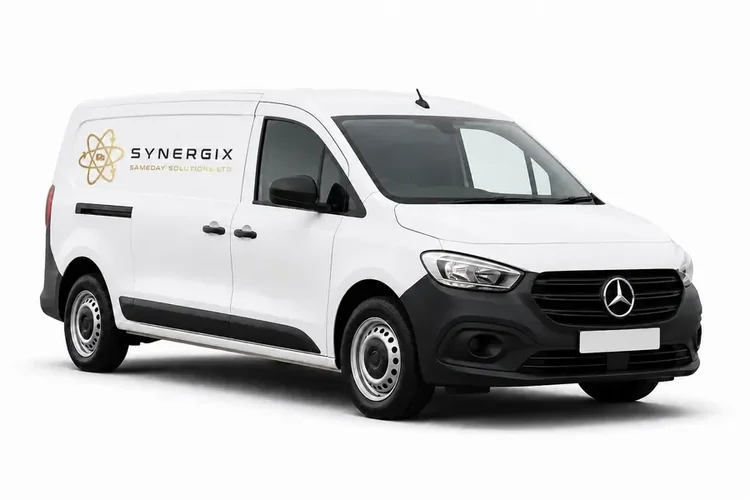
Small van
1.2 × 1 × 1 m
Load length × width × height
Up to 400 kg
Standard body guide; actual vehicle checked.
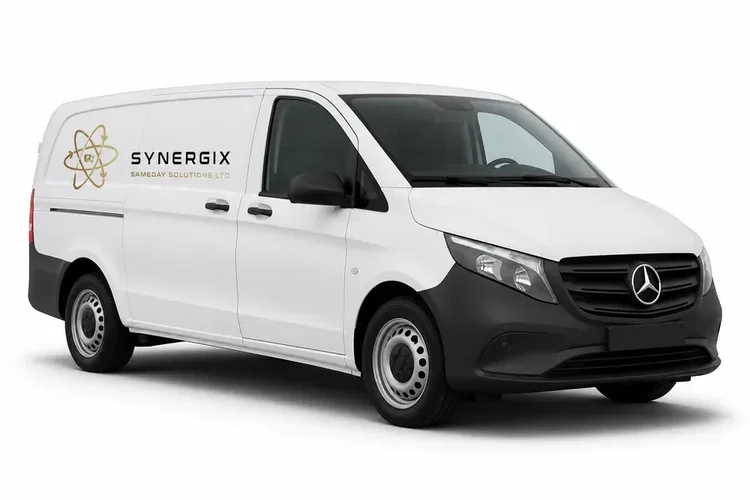
SWB van
2.4 × 1.2 × 1.2 m
Load length × width × height
Up to 800 kg
Standard body guide; actual vehicle checked.
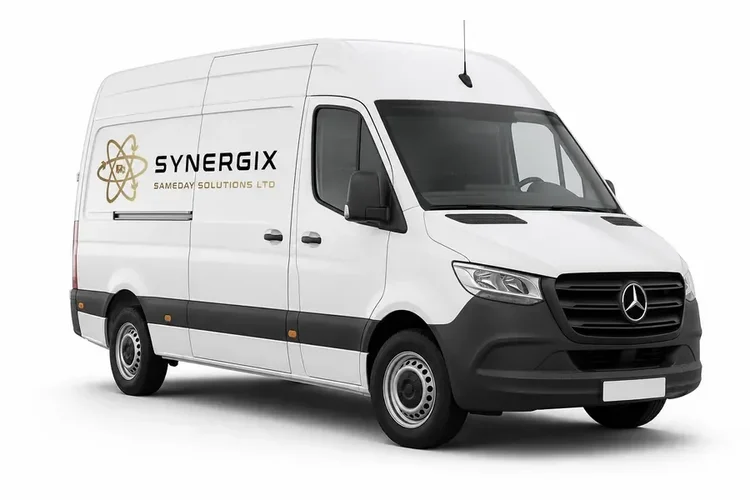
LWB van
3.6 × 1.2 × 1.8 m
Load length × width × height
Up to 1,250 kg
Standard body guide; actual vehicle checked.
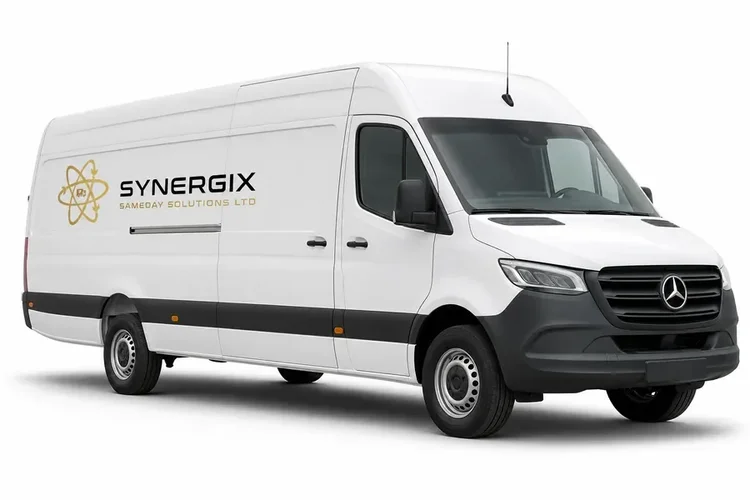
XLWB van
4.2 × 1.2 × 1.8 m
Load length × width × height
Up to 1,100 kg
Standard body guide; actual vehicle checked.
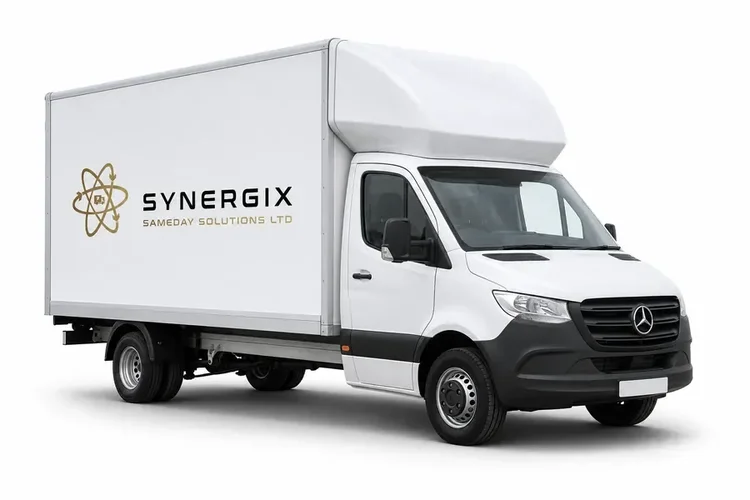
Luton van
4 × 2 × 2 m
Load length × width × height
Up to 1,100 kg
900 kg with a tail lift; conversion checked.
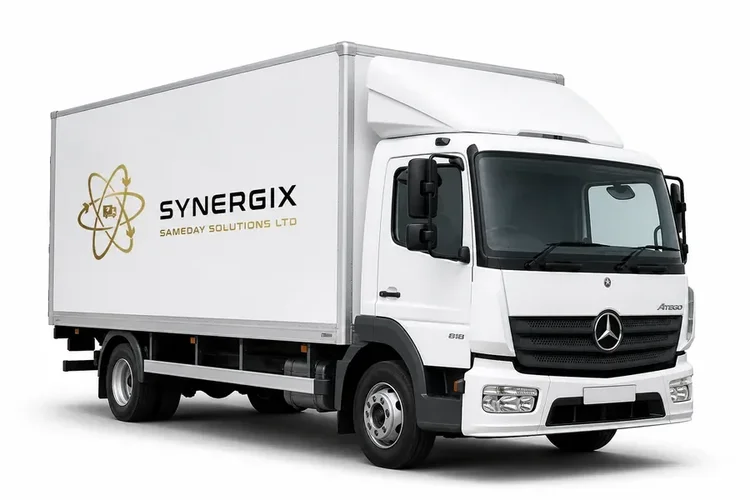
7.5 tonne lorry
6 × 2.3 × 2.2 m
Load length × width × height
Up to 2,400 kg
Standard body guide; actual vehicle checked.

18 tonne lorry
7.5 × 2.4 × 2.5 m
Load length × width × height
Up to 9,000 kg
Standard body guide; actual vehicle checked.

26 tonne lorry
8 × 2.5 × 2.6 m
Load length × width × height
Up to 15,000 kg
Standard body guide; actual vehicle checked.

13.6m artic
13.6 × 2.5 × 2.6 m
Load length × width × height
Up to 26,000 kg
Standard body guide; actual vehicle checked.
View all vehicle dimensions and guide links
Typical standard-body planning figures. Include the pallet, crate, rack and packaging in your load details.
| Vehicle guide | Load length × width × height | Weight guide | Check before booking |
|---|---|---|---|
| Small van | 1.2 × 1 × 1 m | Up to 400 kg | Standard body guide; actual vehicle checked. |
| SWB van | 2.4 × 1.2 × 1.2 m | Up to 800 kg | Standard body guide; actual vehicle checked. |
| LWB van | 3.6 × 1.2 × 1.8 m | Up to 1,250 kg | Standard body guide; actual vehicle checked. |
| XLWB van | 4.2 × 1.2 × 1.8 m | Up to 1,100 kg | Standard body guide; actual vehicle checked. |
| Luton van | 4 × 2 × 2 m | Up to 1,100 kg | 900 kg with a tail lift; conversion checked. |
| 7.5 tonne lorry | 6 × 2.3 × 2.2 m | Up to 2,400 kg | Standard body guide; actual vehicle checked. |
| 18 tonne lorry | 7.5 × 2.4 × 2.5 m | Up to 9,000 kg | Standard body guide; actual vehicle checked. |
| 26 tonne lorry | 8 × 2.5 × 2.6 m | Up to 15,000 kg | Standard body guide; actual vehicle checked. |
| 13.6m artic | 13.6 × 2.5 × 2.6 m | Up to 26,000 kg | Standard body guide; actual vehicle checked. |
An engine can reach a weight limit before using the floor space. A bumper or panel can need space without much weight. Check the packaged load, door opening, lifting equipment and unloading point. Tail lifts, body conversions and specialist handling affect useful payload and access.
A practical guide to your load
Types of building materials and site goods we transport
Support for packaged materials, equipment and urgent supplies. Full loaded dimensions, weight and the unloading method guide the vehicle choice.
Bricks, blocks, paving and packaged stone.
Heavy palletised materials can reach a vehicle’s payload before filling its floor. Provide the weight of each pack, total loaded weight and pack dimensions, including pallets. Confirm forklift access or ask about suitable Moffett or crane-assisted options. State the intended unloading area and whether goods can remain as complete packs. Loose tipping or bulk aggregate handling is a separate requirement to describe and assess.
Timber, steel and other long loads.
Bundles, beams and long products need their full length, width and height declared, plus weight, support and lifting details. Length alone does not establish vehicle suitability. Side, rear or overhead loading changes the body and equipment required. Tell us about overhang, projections and access restrictions so specialist route or handling requirements can be assessed before collection.
Sheet materials, drylining and insulation.
Plasterboard, sheet timber, panels and insulation need suitable support and protection from movement, damaged edges and weather. Send pack sizes, weights and stacking limits, not just a sheet count. Confirm how the load will leave the vehicle and where it can be placed. A site without covered storage may need a different release sequence so sensitive materials do not arrive before the receiving area is ready.
Doors, flooring, fixtures and fit-out goods.
Finished surfaces and awkward packaged sizes need a transport plan that protects edges and keeps each phase identifiable. Label goods by plot, room, floor or installation area where useful. A bay handover, internal carrying and agreed two-person placement are different scopes. Include the internal access route and any lift booking; installation and technical connections are not assumed from transport.
Tools, components and urgent site supplies.
Collect ready tools, boxed components, fittings and replacement parts from a supplier or another site for direct delivery. Include the release reference, receiving contractor and deadline. Declare batteries, aerosols, fuels, chemicals or other regulated contents. Small items may travel by courier, but contents and packaging still need checking rather than describing a mixed load simply as tools.
Packaged equipment and specialist plant enquiries.
Give the exact equipment, dimensions, weight, condition and transport preparation. State whether it rolls, needs lifting or has agreed handling points, with photographs where helpful. Flatbed, low-loader or crane-assisted transport may need individual planning. Fuel, batteries, residues, attachments and abnormal dimensions can affect acceptance. Collection from a hire depot also needs release authority and a clear return plan.
Why choose Synergix?
Delivery planning that understands a working site.
Practical transport, delivery visibility and people managing the work around your operation.
60-minute UK-wide courier collections.
Rapid courier collection helps recover ready materials, tools or parts when a planned task is waiting on a missing item. Confirm the collection window against the ready time and suitable vehicle. Specialist vehicles need a separate availability check.
Fully insured transport.
Your construction goods deserve the right protection. Declare the goods and value so applicable cover and any additional arrangements can be confirmed for the booked service before collection.
Live tracking and proof of delivery.
Follow the movement and confirm arrival with live PODs. Registered customers can access booking, tracking and POD records through the customer portal, helping the receiving team plan and your office close the delivery record.
Dedicated direct courier delivery.
A direct courier journey reduces transfers for fragile finished goods and gives urgent supplies a clear route to the receiving contractor. A dedicated courier vehicle is committed to the agreed job. Planned multi-drop and haulage movements follow their own booked plan.
One team for the wider operation.
Connect courier, general haulage, agreed holding and specialist unloading around the project programme. UK and European supplier movements can be planned where needed. Active operations support, available 24/7/365, keeps somebody managing changes to dispatch, receiving or the route.
Transport knowledge behind the plan.
Trusted by some of the construction sector’s largest companies, Synergix brings the same practical attention to a single contractor’s urgent load. Three generations of family transport experience inform the vehicle, access and handling decisions, with integrity and fair value at the centre of the service.
Active operations, 24/7/365.
Our team monitors the booked work, keeps you informed and acts when plans change. Courier, haulage and agreed storage can be planned together across the UK, with European movements arranged around their own route and border requirements.
Courier collection timing is confirmed at booking against location, load, traffic, vehicle and availability. Larger and specialist vehicles need their own availability check. Insurance cover follows the declared goods and booked service.
Site access & slots
Send the gate, route and receiving plan.
A site can change between the first quotation and delivery day. Keep the operating instructions current.
Use the actual site instructions.
Provide the freight gate, booking reference, slot and named site contact. Include vehicle size limits, approach restrictions, PPE, induction and any requested operator or vehicle standards. Send these before allocation so the team can assess the service. The organiser’s traffic plan should explain the permitted route and how work vehicles are kept apart from pedestrians.
Have the unload ready.
Confirm the unloading point, clear space, ground and equipment, with authorised people available to manage the handover. Avoid a plan dependent on an unavailable forklift or an obstructed turning area. Tell operations promptly when the slot or site route changes. Safe access and a realistic unloading arrangement matter more than simply getting the vehicle to the queue.
Unloading choices
Choose the method around the load.
Moffett, tail-lift and crane-assisted services solve different handling problems.
Check weights, ground and platform limits.
A suitable Moffett can unload compatible goods where site equipment is unavailable, subject to its actual capacity, clearance and travel route. Tail-lift work needs platform and lift capacity checked against the whole load and equipment. For pallet-truck handling of an individual loaded pallet weighing 800 kg or more, request an electric pump truck. Lower weights can also need powered handling because of ground, distance or gradient.
Describe the lift, reach and position.
Provide load weight, dimensions, lifting points, pick/set positions, reach and any overhead or underground constraints. The vehicle, stabiliser space, ground and lifting arrangements need assessment. A transport quote is not an automatic lift plan or permission to work on the site. Agree the lifting scope and responsibilities before booking, with the appropriate competent arrangements for the task.
Phases & returns
Plan beyond the first drop.
Coordinate the construction phase, supplier dispatch and return requirements under a practical schedule.
Release the right materials for the phase.
Discuss holding or consolidation when the site has little storage or suppliers finish at different times. Agree identification, counts, storage conditions and release dates. A useful transport plan limits avoidable waiting and duplicated handling without assuming every load can be mixed. Keep phase changes visible so materials are not sent to a work area that cannot yet use them.
Separate reusable goods from waste.
Unused materials, hired equipment, stillages and packaging need clear counts, condition and destinations for a return collection. Include the supplier’s return authority and collection-ready time. Construction waste, contaminated goods and disposal are separate requirements and are not automatically accepted under a goods-return booking. Describe what is leaving the site before capacity is assigned.
UK & European transport
Tell us the whole job.
Send the materials, full loaded dimensions and weights, supplier-ready time, site gate, slot and unloading method. Add photographs for awkward loads or restricted access.
- Load & packaging
Pack counts, pallet sizes, each unit’s weight, total loaded weight and stacking restrictions.
- Supplier release
Collection address, order reference, ready time and the person releasing the load.
- Site & slot
Actual gate, approach, delivery slot, site contact and required standards or induction.
- Unload & position
Forklift, tail lift, Moffett or crane requirement, operating space and ground.
- Project phase
Building/floor allocation, access changes, holding needs and release sequence.
- Value & returns
Declared value, returns authority, condition and destinations for reusable goods.
Not sure which vehicle fits?
Use LoadCheck with the packaged sizes and total loaded weight, then confirm door access, handling and the assigned vehicle with our team. Standard-body figures do not confirm specialist or refrigerated capacity.
Useful answers before you book
Construction transport questions.
Practical answers about the goods, timing, receiving and service.
Can you collect building materials urgently?
Yes. A dedicated courier can collect suitable ready materials, tools or parts and drive directly to the site. Send the packaged size, loaded weight, supplier reference and deadline. Larger vehicles and specialist unloading need separate availability checks.
Can you deliver to a booked construction slot?
Yes. Include the confirmed slot, gate, reference, site contact and unloading arrangement. Tell us about induction, vehicle limits or specified standards before allocation. We plan arrival and handover around the actual receiving instructions.
Do you provide Moffett delivery when there is no forklift?
Yes, for suitable goods and sites. Send pack dimensions, weights, ground conditions, operating space and the proposed travel route. The assigned forklift and vehicle must be suitable; a Moffett does not make every surface or load safe.
Can you arrange crane-assisted building-material delivery?
Crane-assisted enquiries can be assessed against the load, lifting points, reach, pick/set positions and site conditions. The equipment, scope and competent lifting arrangements must be agreed before booking. A standard haulage quote does not automatically include the lift.
Can you carry timber, steel or long materials?
Yes, suitable long loads can be planned. Declare their full dimensions, weight, support and loading method, with any projections or unusual lifting points. We confirm the vehicle and any specialist route or handling requirement before collection.
When do I need an electric pump truck?
When pallet-truck handling is required for an individual loaded pallet weighing 800 kg or more, request an electric pump truck. This is Synergix’s booking requirement. Lower weights may also need powered handling, depending on ground, gradients, distance and the task.
Can materials be held until the site is ready?
Storage or consolidation can be discussed with phased delivery. Provide goods, quantities, duration, storage conditions and release dates. The suitable facility and handling scope are confirmed before stock is accepted.
Can you deliver internally to a floor or work area?
Agreed internal carrying or two-person placement may be possible for suitable goods. Tell us the destination, item weights, steps, lifts and access route. A general site delivery normally follows its agreed handover point and does not automatically include internal movement or installation.
Do you collect surplus materials and hired equipment?
Yes, where the return is agreed and goods are suitable for transport. Provide counts, condition, destination and any supplier or hire-company authority. Waste or contaminated materials need a separate assessment rather than being added to a general returns load.
Are the building materials insured?
We provide fully insured transport. Declare the goods and value so applicable cover can be confirmed for the booked movement. Fragile finished goods, high-value equipment or specialist lifting may need additional arrangements agreed before collection.
How is a construction delivery priced?
The quote depends on the load, vehicle, route, timing, handling equipment, site access, waiting and any holding or returns. Share the whole requirement so the price reflects the actual site delivery rather than only the road journey.
Plan your transport with Synergix
Get the next site delivery planned.
Tell us the load, site gate, slot and unloading need. We will match the transport to the materials and the working site.
Or email enquiries@synergixsameday.com.