
A finishing task planned with your delivery
Packaging
removal
A furniture or equipment delivery can leave more than the product behind. Ask Synergix to include removal of the agreed packaging with your delivery or installation, with unpacking tasks, quantities and the onward destination confirmed before the visit. Keep the product, paperwork and retained parts together.
Teams prepared for the taskPeople and skills matched to the agreed work.
Fully insured transportGoods, value and applicable cover confirmed.
Live tracking & PODFollow transport and confirm the delivery.
24/7/365 supportAppointments and on-site work arranged separately.
What we provide
Packaging removal
Packaging removal is a requested task, rather than an automatic part of standard kerbside delivery. Tell us what the team will remove, what must remain and where the material is going.
Unpacking
Agree what gets opened
Identify the goods, protective layers and point at which unpacking should happen. Some items need their packaging for the carry or a later installation stage. We agree who opens the product and what checks take place before material is removed.
Separation
Keep useful packaging and parts
Cartons, corner protectors and inserts may be needed for warranty returns or future transport. Set aside instructions, fittings, tools and spare parts before packaging leaves. Tell the team which cartons or protective pieces the recipient wants to retain.
Collection
Remove the specified material
Provide expected quantities, sizes and types, including bulky cartons, film, foam or timber protection. The vehicle needs suitable space after unloading, and the carrying route and time allowance must include bringing the material back out.
Destination
Confirm the next handover
Agree whether material returns to your depot, supplier or another nominated receiving point. Disposal or recycling needs a separately confirmed arrangement. A packaging collection does not establish that every material can be taken to any destination.
Vans and trucks up to 13.6m
Transport matched to the load.
Choose the vehicle around the goods, access and loading plan. On-site handling and the skills needed for the work are confirmed separately.
Showing 9 vehicle options.
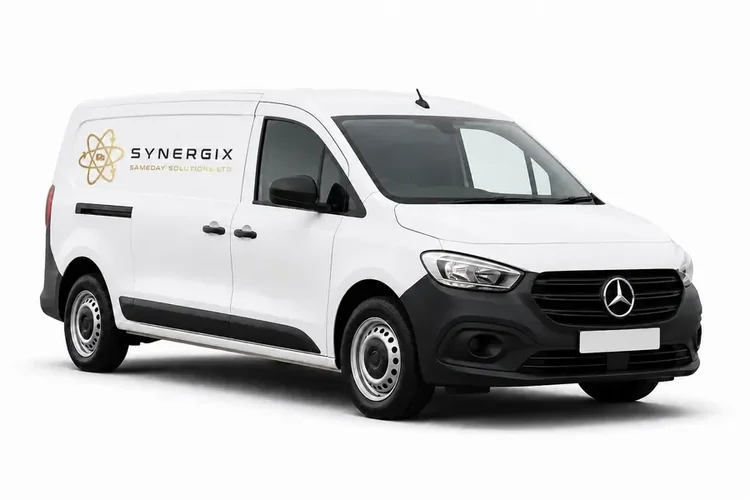
Small van
1.2 × 1 × 1 m
Load length × width × height
Up to 400 kg
Typical standard body. Assigned vehicle confirmed.

SWB van
2.4 × 1.2 × 1.2 m
Load length × width × height
Up to 800 kg
Typical standard body. Assigned vehicle confirmed.
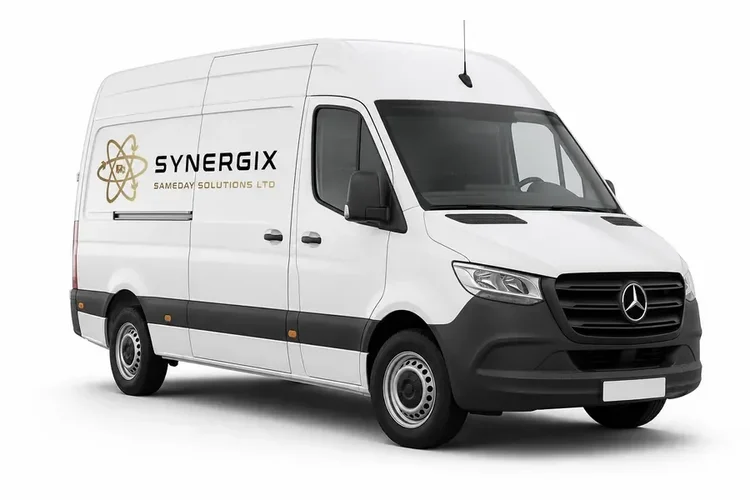
LWB van
3.6 × 1.2 × 1.8 m
Load length × width × height
Up to 1,250 kg
Typical standard body. Assigned vehicle confirmed.
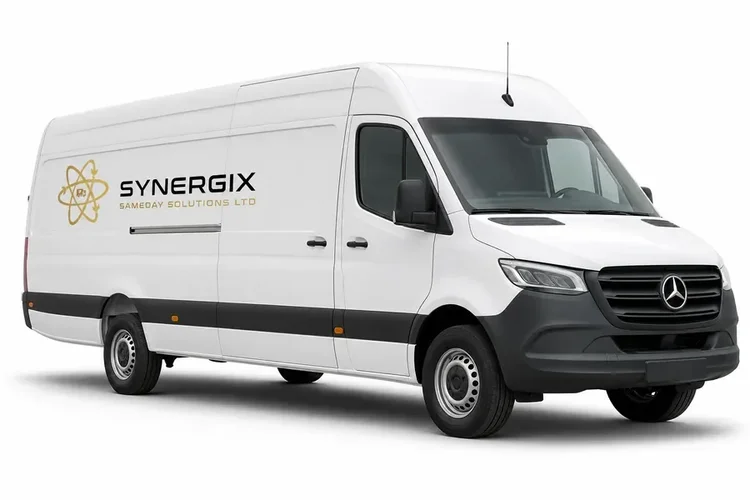
XLWB van
4.2 × 1.2 × 1.8 m
Load length × width × height
Up to 1,100 kg
Typical standard body. Assigned vehicle confirmed.
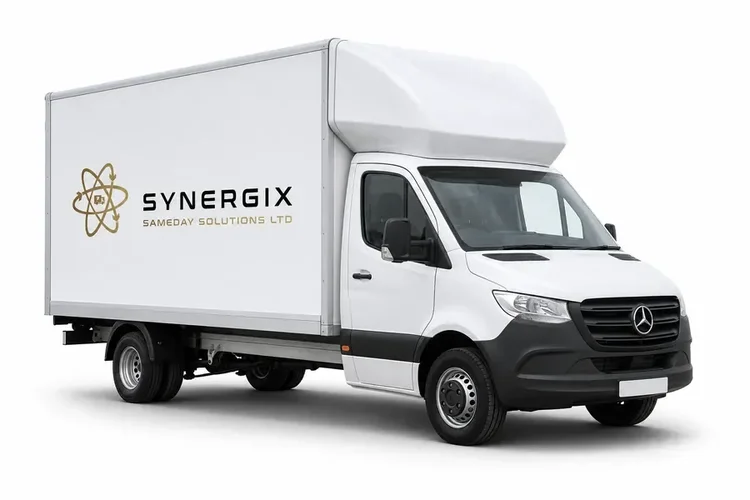
Luton van
4 × 2 × 2 m
Load length × width × height
Up to 1,100 kg
Up to 900 kg with a tail lift.
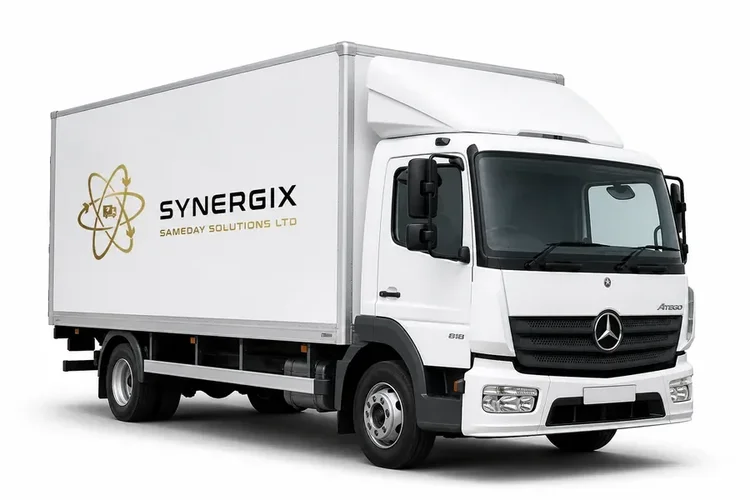
7.5 tonne lorry
6 × 2.2–2.4 × 2–2.445 m
Load length × width × height
Up to 2,400 kg
Typical standard body. Assigned vehicle confirmed.

18 tonne lorry
7.5 × 2.4 × 2.5 m
Load length × width × height
Up to 9,000 kg
Typical standard body. Assigned vehicle confirmed.

26 tonne lorry
8 × 2.5 × 2.6 m
Load length × width × height
Up to 15,000 kg
Typical standard body. Assigned vehicle confirmed.

13.6m artic
13.6 × 2.5 × 2.6 m
Load length × width × height
Up to 26,000 kg
Typical standard body. Assigned vehicle confirmed.
View stationary dimensions and vehicle guide links
These are typical standard-body planning figures. Actual load space, doors, loading equipment and usable payload must be checked for the assigned vehicle.
| Vehicle | Load space | Payload | Checks |
|---|---|---|---|
| Small van | 1.2 × 1 × 1 m | Up to 400 kg | Compact loads. Check item size and handling at each end. |
| SWB van | 2.4 × 1.2 × 1.2 m | Up to 800 kg | Smaller goods. Check door openings and wheel arches. |
| LWB van | 3.6 × 1.2 × 1.8 m | Up to 1,250 kg | Longer enclosed loads. Check openings and restraint. |
| XLWB van | 4.2 × 1.2 × 1.8 m | Up to 1,100 kg | Extra length for bulky goods. Length does not increase lifting capacity. |
| Luton van | 4 × 2 × 2 m | Up to 1,100 kg | Bulky items. Up to 900 kg with a tail lift; confirm platform capacity. |
| 7.5 tonne lorry | 6 × 2.2–2.4 × 2–2.445 m | Up to 2,400 kg | Body-dependent dimensions. Confirm unloading equipment and access. |
| 18 tonne lorry | 7.5 × 2.4 × 2.5 m | Up to 9,000 kg | Larger loads. Confirm turning space and unloading. |
| 26 tonne lorry | 8 × 2.5 × 2.6 m | Up to 15,000 kg | Larger rigid capacity. Equipment reduces usable payload. |
| 13.6m artic | 13.6 × 2.5 × 2.6 m | Up to 26,000 kg | Bulk loads and projects. Confirm trailer, loading and access. |
The handling plan still matters.
Vehicle capacity does not establish what a person or team can lift. Tail-lift capacity, the whole platform load, ground conditions and the carrying route need checking. Body conversions and equipment can reduce useful space and payload.
Practical product and project detail
Packaging to include in your enquiry.
The material, condition and volume affect handling and the collection plan. Describe the packaging around the actual goods rather than booking a general clearance.
- Cartons
- Protective layers
- Timber protection
- Reusable materials
- Installation packaging
Furniture and equipment boxes
Give the number and approximate size of cartons, whether they can be flattened after the product is checked and whether original labels or cartons need keeping for returns. Large empty boxes can still occupy significant vehicle space.
Film, foam and product protection
Tell us the expected protective material and how it will be contained after unpacking. Distinguish removable transport protection from films or coverings the manufacturer says must remain until a later stage.
Crates, pallets and framing
Identify timber packaging before booking, including dimensions, weight and any return requirement. Opening, dismantling and carrying a crate are separate tasks from taking away a few cartons and need an agreed method.
Returnable cartons and transit packaging
If packaging belongs to the supplier or is intended for reuse, give the return address and handling instructions. Keep it identifiable and protect any labels or components needed for the return handover.
Material from an agreed product build
Furniture assembly and equipment setup can produce packaging in stages. Tell us which installation tasks are included, when the product is checked and whether collection happens during the same visit or on a later agreed run.
The finish is in the details
Protect the product before clearing the packaging.
A clear room is useful, but the packaging should not leave before everyone knows which parts, records and protection still belong with the goods.
Check first
Agree when packaging is released
Allow for the agreed product and condition checks before removing packaging. If damage or a missing component is found, contact the responsible person about what should be retained for a supplier query or return.
Parts and paperwork
Keep small items with the product
Instructions, brackets, cables, fixings and spare parts can be hidden in protective inserts. Agree how these are identified and handed over. The team should know which items are packaging and which are part of the product.
Receiving space
Leave the agreed area clear
Tell us which room or working area is included and where material can be gathered during the visit. Ordinary household rubbish, unrelated site material and a general property clearance are different requirements that need their own discussion.
Recipient agreement
Know what must stay
Ask the recipient whether packaging must be retained for returns, a later move or further work. Where retention is needed, agree a suitable place for it rather than removing it simply because the delivery is complete.
State the destination before the visit.
We confirm the material and receiving arrangements for the job. Do not treat this service description as a promise of general waste collection, disposal or recycling.
Room for the load coming back
Plan the return load as carefully as the delivery.
Empty packaging changes shape and volume after unpacking. Include it in the vehicle, access and time plan so the removal is a scheduled task.
Volume
Describe the expected load
Use product quantities, box sizes and photographs where possible. Tell us about crates or material that cannot be reduced in size. A large delivery does not always leave enough free space for every outgoing item without planning.
Access
Allow time for the return carry
The route out may include stairs, lifts or long corridors, just like the route in. Identify where packaging is gathered and when lifts or loading bays can be used for collection.
Timing
Choose the right collection point
Collection may be part of the same delivery visit or a separately agreed return. Share installation duration, site working hours and the receiving depot timetable so one team is not left waiting for another task to finish.
Other returns
Keep product and packaging movements distinct
If old furniture, exchange goods or faulty items also need collecting, list them separately. Their condition, protection, weight and destination must be included; they are not simply another piece of packaging.
Why choose Synergix?
The people and capability behind the work.
A practical plan, suitably prepared people and an accountable team to follow the work through.
An agreed finish
One coordinated visit
Add packaging tasks when arranging the delivery or installation. The team can then allow for unpacking, bringing material back out and leaving the agreed room usable without an unplanned extra collection.
Prepared people
Know what belongs with the product
We prepare teams for accepted customer requirements. Your instructions help distinguish packaging from fixings, reusable protection and product parts, so the finishing work follows the same brief as the delivery.
Furniture experience
Used to more than a doorstep drop
Synergix supports major furniture retailers and tailored delivery work. Packaging is considered alongside carrying, assembly, recipient arrangements and product handover, rather than as an unrelated task after the team has left.
Transport protection
Fully insured transport
Applicable cover is confirmed against the goods, declared values and transport arrangement. Tell us the on-site tasks too so unpacking and removal scope can be checked. No blanket waste or installation cover is assumed.
Accountability
Three generations of transport experience
A practical family transport background means thinking about the return journey as well as the arrival. Confirmed quantities, access and receiving instructions help avoid wasted trips and material left without an agreed destination.
Support
Available 24/7/365
Speak to our operations team if delivery or collection arrangements change. Collection slots, vehicle space and destination opening hours still need confirming for the booking.
How the job works
From the brief to the handover.
Agree the work before the appointment so the goods, people, time and site arrangements fit together.
- Describe the material
Send the delivery details, packaging types, quantities and what must stay with the recipient.
- Agree the removal
Confirm unpacking, product checks, the collection time and nominated receiving destination.
- Complete the handover
The team follows the agreed product and parts checks before gathering the material authorised for removal.
- Move the return load
The agreed material is carried and transported to the confirmed destination, with any exceptions raised with your contact.
Price and preparation
What we need to quote.
The quotation depends on the unpacking work, material, volume, carrying route, timing and destination. Removing a few cartons during a furniture delivery is different from returning later for timber crates. Agree the task in advance so the crew, vehicle space and price reflect the actual removal.
- Delivery and productsGive the associated booking, goods and quantity. State whether the team will unpack, assemble or only collect packaging prepared by someone else.
- Material and volumeDescribe cartons, plastic protection, foam, crates, pallets or other material. Include dimensions, estimated volume and photographs if available.
- What staysIdentify return cartons, transit protection, paperwork, spares and any material the recipient or supplier needs to retain.
- Collection routeGive rooms, floors, lift arrangements, stairs and carrying distance. Confirm where the material will be gathered and how the loading area is accessed.
- TimingState whether removal is during delivery, after assembly or a separate visit. Include site hours and dependencies on the product or installation checks.
- Receiving destinationProvide the nominated depot, supplier or other agreed receiving point and contact. Disposal or recycling requirements must be separately checked and confirmed.
Answers before you book
Packaging removal questions.
Service scope, preparation and the details that affect the booking.
Is packaging removal included in standard delivery?
No. Synergix standard two-person delivery is kerbside. Packaging removal, unpacking and internal carrying are requested tasks to specify and agree with the quotation.
Can you remove packaging after furniture delivery?
Yes, by arrangement. Give the furniture quantity, packaging types and volume, access details and nominated destination. Confirm whether the material leaves during the same visit or on a separate collection.
Do you unpack the goods as well?
Ask for unpacking explicitly. Removing packaging already prepared by the customer is different from opening, checking and positioning goods. We agree which tasks the team undertakes before booking.
Can you take away cardboard, foam and protective film?
Describe the materials and quantities in your enquiry. We confirm what is accepted, how it is contained and where it is going. The page is not a blanket acceptance of every type or condition of material.
Can you remove crates and pallets?
Ask us to assess them. Give dimensions, weights, condition and whether opening or dismantling is needed. Timber protection can require more equipment, vehicle space and time than cartons, so it must be included specifically.
Can you recycle or dispose of the packaging?
Disposal and recycling require a separately confirmed arrangement, including the material and destination. Do not assume that collection for transport to a nominated depot includes a general waste or recycling service.
Should the original cartons be kept for returns?
Check the supplier or manufacturer instructions and tell us what must stay. Original packaging may be useful for returns or future transport. We follow the agreed retention instructions rather than make a universal warranty promise.
What happens to instructions, fixings and spare parts?
These should stay with the product. Agree how the team identifies and hands them over before packaging is removed. If parts or condition checks are unresolved, the responsible contact should decide what protection needs retaining.
Can you collect old furniture at the same time?
Yes, if that collection is separately specified and accepted. Give the item list, condition, access and depot destination. Old furniture is a different load from packaging and is not automatically included.
Can packaging be collected later?
A separate visit can be discussed. Provide the ready date, where the material is held, access and destination. Additional transport and handling time will be reflected in the quotation.
Can you handle packaging from a commercial installation?
Yes, subject to the agreed material, quantities and receiving arrangements. Explain the project phases and when products will be checked, so packaging collection follows the actual installation schedule.
What areas do you cover?
We arrange mainland UK work, including packaging tasks alongside agreed delivery and installation visits. Island work is considered individually. Give exact addresses and timing so collection and the onward destination can be checked.
Talk through the requirement
Plan the packaging before delivery day.
Tell us what is being delivered, what packaging should leave and where it is going. We will confirm the removal as part of a clear service brief.