
Inbound supply. Stock holding. Distribution. Returns.
Logistics, 3PL
& fulfilment.
Collect from suppliers, hold stock until it is needed and connect the next delivery to the right customer, store or site. Synergix brings transport, Northampton warehousing, cross-docking and onward distribution together under an agreed logistics plan. We support retailers, suppliers and other logistics operations with urgent recovery work and repeat programmes. Tell us the stock, order profile and delivery requirements so handling, preparation, reporting and service scope can be confirmed around your operation.
Ready when you are60-minute UK-wide courier collections.
Fully insured transportCover confirmed for your goods and service.
Live tracking & PODsFollow the movement and confirm delivery.
People available 24/7Support for urgent and planned work.
Transport around your operation
Join the stages of the operation.
A warehouse and a vehicle are useful only when the stock, instructions and next movement connect.
Bring stock into the right next step.
Arrange supplier collections and delivery into agreed warehousing or cross-docking. Send an expected stock list, quantities, packaging and inbound timing so the receiving team can prepare. If goods are transferring straight onto another vehicle, the onward load plan matters before the inbound truck arrives. We can connect the journeys rather than leaving dispatch teams to coordinate separate providers with incomplete information.
Match storage to the goods and order profile.
Northampton provides established warehousing, cross-dock and retail-logistics support. Discuss the actual stock, duration, access, handling and release pattern. Picking, packing, sorting or other preparation is included only when the agreed operation supports it. Share a representative order or dispatch file, the physical task and reporting needs so the service reflects what your team actually needs fulfilled.
Keep the delivery programme connected.
Plan onward movements into stores, business premises and other agreed receiving points, with capacity matched to the load and access. A recurring route may combine stock allocation, delivery slots and return collections. When an urgent shortage or missed dispatch needs recovery, a dedicated courier can move ready suitable goods directly. The aim is a usable whole operation, not a storage agreement with the final delivery left unresolved.
Choose by the goods, handling and site
The right vehicle.
The space your load needs.
From urgent boxed supplies to bulky equipment and full loads. These standard-body dimensions are planning guides. Refrigerated conversions and specialist equipment change usable space, payload and access; the assigned vehicle is checked for your job.
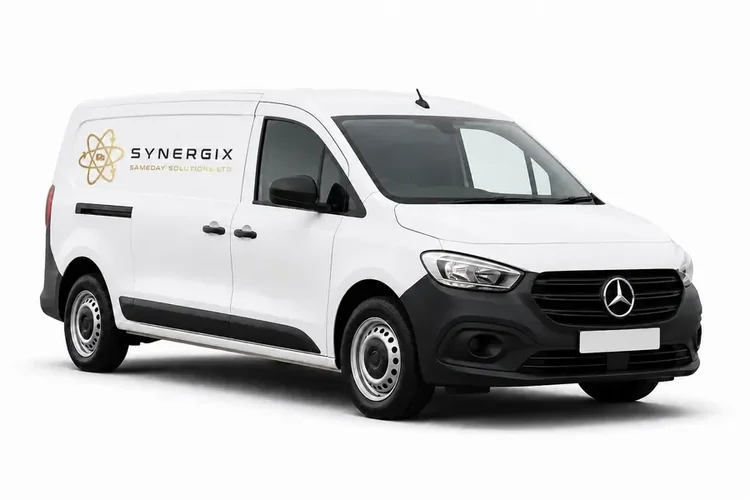
Small van
1.2 × 1 × 1 m
Load length × width × height
Up to 400 kg
Standard body guide; actual vehicle checked.
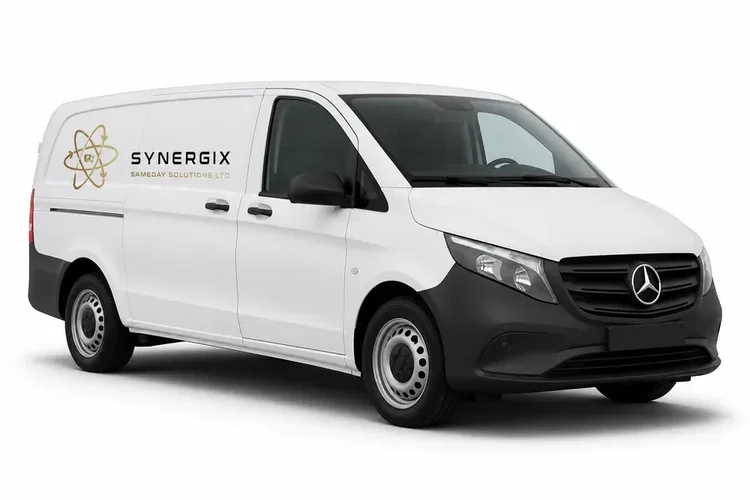
SWB van
2.4 × 1.2 × 1.2 m
Load length × width × height
Up to 800 kg
Standard body guide; actual vehicle checked.
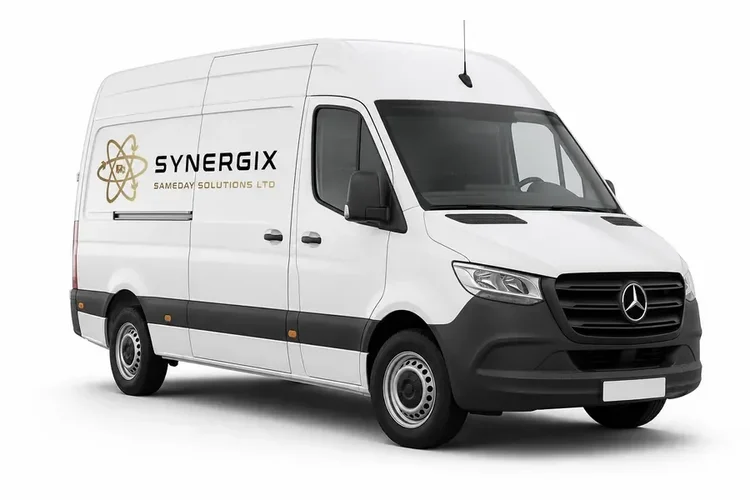
LWB van
3.6 × 1.2 × 1.8 m
Load length × width × height
Up to 1,250 kg
Standard body guide; actual vehicle checked.
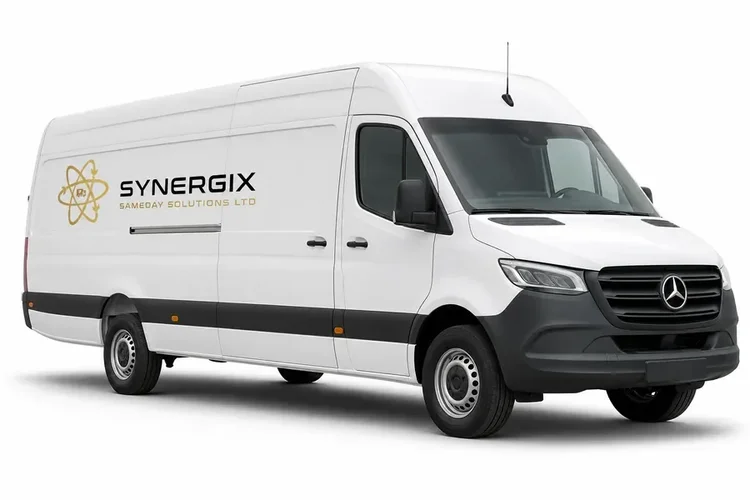
XLWB van
4.2 × 1.2 × 1.8 m
Load length × width × height
Up to 1,100 kg
Standard body guide; actual vehicle checked.
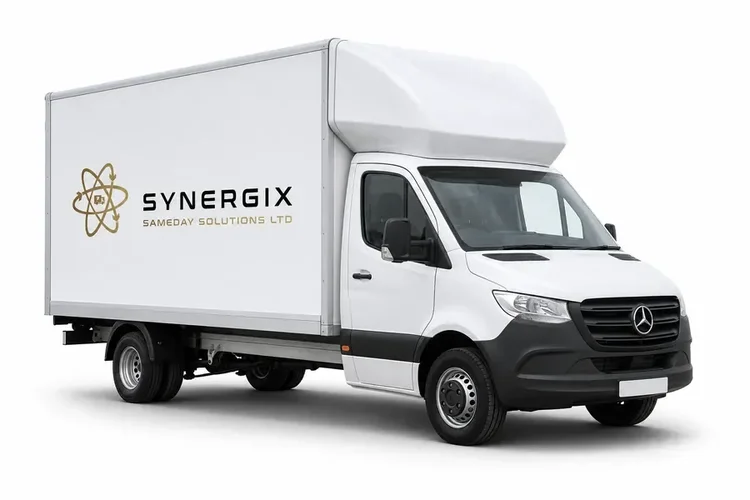
Luton van
4 × 2 × 2 m
Load length × width × height
Up to 1,100 kg
900 kg with a tail lift; conversion checked.
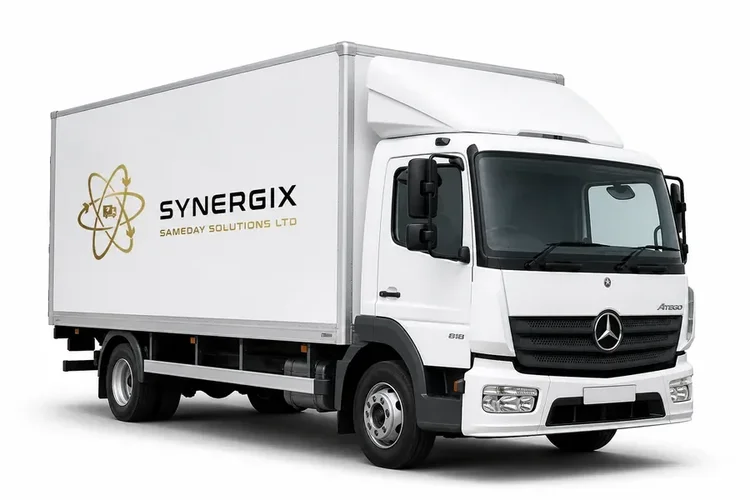
7.5 tonne lorry
6 × 2.3 × 2.2 m
Load length × width × height
Up to 2,400 kg
Standard body guide; actual vehicle checked.

18 tonne lorry
7.5 × 2.4 × 2.5 m
Load length × width × height
Up to 9,000 kg
Standard body guide; actual vehicle checked.

26 tonne lorry
8 × 2.5 × 2.6 m
Load length × width × height
Up to 15,000 kg
Standard body guide; actual vehicle checked.

13.6m artic
13.6 × 2.5 × 2.6 m
Load length × width × height
Up to 26,000 kg
Standard body guide; actual vehicle checked.
View all vehicle dimensions and guide links
Typical standard-body planning figures. Include the pallet, crate, rack and packaging in your load details.
| Vehicle guide | Load length × width × height | Weight guide | Check before booking |
|---|---|---|---|
| Small van | 1.2 × 1 × 1 m | Up to 400 kg | Standard body guide; actual vehicle checked. |
| SWB van | 2.4 × 1.2 × 1.2 m | Up to 800 kg | Standard body guide; actual vehicle checked. |
| LWB van | 3.6 × 1.2 × 1.8 m | Up to 1,250 kg | Standard body guide; actual vehicle checked. |
| XLWB van | 4.2 × 1.2 × 1.8 m | Up to 1,100 kg | Standard body guide; actual vehicle checked. |
| Luton van | 4 × 2 × 2 m | Up to 1,100 kg | 900 kg with a tail lift; conversion checked. |
| 7.5 tonne lorry | 6 × 2.3 × 2.2 m | Up to 2,400 kg | Standard body guide; actual vehicle checked. |
| 18 tonne lorry | 7.5 × 2.4 × 2.5 m | Up to 9,000 kg | Standard body guide; actual vehicle checked. |
| 26 tonne lorry | 8 × 2.5 × 2.6 m | Up to 15,000 kg | Standard body guide; actual vehicle checked. |
| 13.6m artic | 13.6 × 2.5 × 2.6 m | Up to 26,000 kg | Standard body guide; actual vehicle checked. |
An engine can reach a weight limit before using the floor space. A bumper or panel can need space without much weight. Check the packaged load, door opening, lifting equipment and unloading point. Tail lifts, body conversions and specialist handling affect useful payload and access.
A practical guide to your load
Types of businesses and logistics operations we support
Different stock and delivery models need different arrangements. These examples help identify the service to scope.
Retail stock and store distribution.
Connect supplier intake, stock holding and timed releases to stores. Provide stock codes, allocations, store lists, order quantities and receiving instructions. Larger consignments, rollouts and returnable equipment need an appropriate vehicle and handling plan. Delivery records help close each movement, while any stock-count or inventory report is agreed separately so your office knows which records answer which questions.
Brands with storage and fulfilment requirements.
Send your product range, typical order sizes, order frequency and packing instructions so we can assess the operation. Some businesses need bulk stock released to retailers; others need individual order preparation. Those are different physical tasks. We confirm the supported picking, packing, dispatch and reporting scope before starting rather than assuming every online sales channel connects automatically.
Supplier stock and business-to-business distribution.
Hold or transfer compatible goods before planned delivery to warehouses, business customers or trade locations. Include pallet or carton dimensions, loaded weights, stock identification and any minimum release quantities. Customer references, labelling and receiving slots can matter as much as the road distance. Agree how stock is released and how discrepancies are reported so each stage has clear instructions.
Overflow transport and freight transfers.
Other logistics businesses can enquire about additional vehicles, cross-docking, temporary holding and traction support. Share the service brief, customer-facing requirements, contacts and handover records. The inbound and outbound parties need the same load information and timing. We agree the task and capacity for the job; supporting another operator does not establish membership of a pallet network or a shared parcel product.
Furniture, bulky stock and phased projects.
Large items may need storage before premises or rooms are ready. Give packed sizes, weights, phase allocations and release dates, with the delivery level required. Two-person handling, placement and agreed assembly can be scoped for suitable work. The storage layout and final delivery need planning together because bulky stock can demand much more space and handling than a standard carton order.
Returns, reusable equipment and seasonal peaks.
Bring back surplus stock, fixtures, empty cages or returnable equipment with clear references, counts and destinations. Say whether stock is saleable, damaged, awaiting a decision or returning to a supplier. Any inspection, repacking or stock-status change needs an agreed process. For seasonal demand, provide forecast volumes and notice of peaks so space and transport can be assessed before the stock arrives.
Why choose Synergix?
One plan from intake to final handover.
Practical transport, delivery visibility and people managing the work around your operation.
60-minute UK-wide courier collections.
Recover a missed dispatch or an urgent stock shortfall with rapid collection of suitable ready goods. Confirm the collection window against the ready time and suitable vehicle. Specialist vehicles need a separate availability check.
Fully insured transport.
Your logistics goods deserve the right protection. Declare the goods and value so applicable cover and any additional arrangements can be confirmed for the booked service before collection.
Live tracking and proof of delivery.
Follow the movement and confirm arrival with live PODs. Registered customers can access booking, tracking and POD records through the customer portal, helping the receiving team plan and your office close the delivery record.
Dedicated direct courier delivery.
A dedicated courier can take an urgent release straight to the receiving site, reducing transfers and keeping the exception separate from the regular route. A dedicated courier vehicle is committed to the agreed job. Planned multi-drop and haulage movements follow their own booked plan.
One team for the wider operation.
Transport, Northampton warehousing, cross-docking, retail distribution and suitable two-person work can be combined under one agreed programme. Active operations support, available 24/7/365, keeps somebody managing changes to dispatch, receiving or the route.
Transport knowledge behind the plan.
Synergix supports some of the UK’s largest retailers and complex national operations, bringing practical experience of complete delivery loops. Three generations of family transport experience inform the vehicle, access and handling decisions, with integrity and fair value at the centre of the service.
Active operations, 24/7/365.
Our team monitors the booked work, keeps you informed and acts when plans change. Courier, haulage and agreed storage can be planned together across the UK, with European movements arranged around their own route and border requirements.
Courier collection timing is confirmed at booking against location, load, traffic, vehicle and availability. Larger and specialist vehicles need their own availability check. Insurance cover follows the declared goods and booked service.
Stock intake & transfer
Know what is arriving and where it goes next.
Good intake instructions make storage, cross-docking and dispatch easier to control.
Prepare the stock and booking information.
Provide an expected stock list, codes, counts, packaged sizes, weights and condition. State arrival windows, unloading needs and any special storage requirement before acceptance. Agree identification and the handling process for shortages, damage or unidentified goods. Stock that cannot be recognised reliably at intake creates avoidable uncertainty when your customer needs it released.
Connect inbound and outbound plans.
Cross-docking transfers suitable goods between incoming and outgoing transport with limited dwell time. Agree allocations, receiving windows, piece counts and the onward loading method in advance. A late inbound vehicle can affect the outbound plan, so tell operations when timings move. Any extra holding, rework or preparation caused by a change needs to be scoped rather than treated as automatically included.
Fulfilment & visibility
Agree the physical work and the information.
Stock visibility, order preparation and delivery tracking are connected, but they are different services.
Show us a representative requirement.
Explain whether releases are by item, carton, pallet, store or project phase. Include order volumes, line counts, packaging, labelling and any sorting or preparation. The team confirms the supported service and practical dispatch timings before the operation starts. No published universal cut-off can describe every stock profile, workload and onward transport requirement.
Define the records your team will use.
Specify the stock information, reporting frequency, order instructions and exceptions you need. Any interface or integration is assessed against the actual systems and agreed scope. Registered-customer booking, tracking and POD portal access is supported, but it does not by itself establish an automatic inventory feed or a connection to every marketplace or warehouse system.
Distribution & returns
Plan the delivery loop.
Receiving slots, unloading and return journeys are part of the logistics brief.
Match capacity to the receiving point.
Regular routes, general haulage and dedicated courier can support the agreed release plan. Include store or warehouse booking references, bay restrictions, load allocations and unloading equipment. Suitable bulky goods may need two-person handling or placement. European movements have their own route and border requirements; they are not inferred from a domestic dispatch arrangement.
Give each return a destination and status.
Identify why goods are returning, who authorised the movement and where they should go. Keep reusable equipment counts separate from saleable or damaged stock. Returning goods to a warehouse is not automatically a quality inspection, refund decision or permission to return them to available stock. Agree those actions and any preparation before the programme starts.
UK & European transport
Tell us the whole job.
Share the current operation, expected volumes, stock/order examples and the service you want to change. We will scope the transport, space, handling and information needed together.
- Stock profile
Products, codes, counts, packed sizes, weights, stacking and special conditions.
- Inbound plan
Suppliers, collection points, arrival frequency, notices and unloading method.
- Order profile
Typical orders, release units, volumes, seasonality and required preparation.
- Delivery model
Locations, receiving slots, handling team, stops and any European route.
- Information flow
Order instructions, reports, records, exception contacts and system requirements.
- Commercial scope
Value, storage duration, forecast peaks, returns, service levels and target start date.
Not sure which vehicle fits?
Use LoadCheck with the packaged sizes and total loaded weight, then confirm door access, handling and the assigned vehicle with our team. Standard-body figures do not confirm specialist or refrigerated capacity.
Useful answers before you book
Logistics and 3PL questions.
Practical answers about the goods, timing, receiving and service.
What does 3PL mean for our business?
3PL means third-party logistics: another provider undertakes agreed parts of your storage, handling or distribution. At Synergix, the practical scope can connect inbound transport, Northampton warehousing, cross-docking, onward delivery and returns, with preparation and reporting agreed around the operation.
Where is your warehouse operation?
Northampton is the established Synergix warehouse, cross-dock and retail-logistics operation. Send the goods, quantity, handling and duration so the team can confirm suitable space and service. Transport coverage across the UK does not mean a warehouse exists in every location.
Can you combine warehousing and delivery?
Yes. Supplier collection, storage or transfer, onward delivery and returns can be scoped under one programme. Give the stock, expected release pattern, destinations and handling needs so the stages work together.
Do you offer pick, pack and dispatch?
These services can be assessed where the agreed operation supports them. Share products, typical order lines, quantities, packaging, labelling, volumes and deadlines. We confirm the physical preparation, reporting and dispatch scope before starting.
Can you connect to our sales or stock system?
System or interface requirements need a specific assessment. Tell us what you use, what information should move and how often. Do not assume automatic Shopify, Amazon, EDI or WMS integration from a general fulfilment enquiry or customer tracking portal.
Can we use cross-docking without long-term storage?
Yes, suitable transfers can be arranged around agreed inbound and outbound loads. Send timings, counts, allocations and handling details. If a late arrival creates a holding requirement, operations will need to reassess the practical plan.
Do you help other transport and 3PL businesses?
Yes. Additional transport, agreed cross-docking, temporary holding and traction enquiries can support another operator’s programme. Share the customer instructions, load, timing and handover requirements so the scope and available capacity are clear.
Can you handle seasonal peaks or overflow stock?
We can assess additional storage and transport around forecast requirements. Provide expected volumes, stock profile, dates, release pattern and notice of changes. Capacity and handling are agreed for the actual programme rather than promised without a forecast.
Can you collect returns and reusable equipment?
Yes, when included in the transport plan. Provide references, counts, condition, collection-ready time and destination. Any inspection, repacking, disposal or return-to-stock decision is a separate agreed task.
Will we get live tracking and PODs?
Yes. Live tracking and proof of delivery support booked movements, with portal access for registered customers. Stock counts, order-status feeds and inventory reports are specified separately so your team receives the information the operation requires.
How do you price a logistics or fulfilment programme?
The quote reflects intake, space, duration, stock handling, order preparation, reporting and transport. Include normal and peak volumes, exceptions and returns. We price the agreed operation rather than applying a generic parcel tariff to work that needs different handling.
Plan your transport with Synergix
Build the logistics around your operation.
Send the stock, order profile, locations and deadlines. We will connect the practical service stages and confirm the scope.
Or email enquiries@synergixsameday.com.