
Resolve the issue. Define the work.
Furniture repairs
and rework
A furniture problem does not always need another full delivery. Synergix can assess minor repair, reassembly and product-specific rework requests, then arrange suitable people and any connected transport for accepted work. Send the model, photographs and required correction. We will confirm what can be undertaken, the method, parts and practical next step before booking.
Teams prepared for the taskPeople and skills matched to the agreed work.
Fully insured transportGoods, value and applicable cover confirmed.
Live tracking & PODFollow transport and confirm the delivery.
24/7/365 supportAppointments and on-site work arranged separately.
What we provide
Furniture repairs and rework
Our existing furniture service includes minor on-site repairs and reassembly. The useful starting point is the actual fault and approved correction, not a blanket promise to restore every material. We can train or appoint suitably skilled people for accepted customer-specific work, helping retailers and businesses organise a defined response.
Identify
Show us the actual problem
Send clear photographs, the model reference and a description of what is wrong. Include how and when it was noticed, any earlier attempted work and the outcome you need.
Specify
Agree the corrective task
An adjustment, component replacement or reassembly can involve different skills and parts. Supply the manufacturer or customer's authorised method where available so the work can be assessed properly.
Prepare
Get suitable people and parts
We confirm the task before arranging appropriately skilled people. Product-specific training can support repeat work, while required parts, fittings and tools need to be identified ahead of attendance.
Coordinate
Connect the visit and transport
An accepted job may be completed at the premises or require an agreed collection and return. We plan access, working space, recipient arrangements and the receiving destination with the work.
Vans and trucks up to 13.6m
Transport matched to the load.
Choose the vehicle around the goods, access and loading plan. On-site handling and the skills needed for the work are confirmed separately.
Showing 9 vehicle options.

Small van
1.2 × 1 × 1 m
Load length × width × height
Up to 400 kg
Typical standard body. Assigned vehicle confirmed.

SWB van
2.4 × 1.2 × 1.2 m
Load length × width × height
Up to 800 kg
Typical standard body. Assigned vehicle confirmed.

LWB van
3.6 × 1.2 × 1.8 m
Load length × width × height
Up to 1,250 kg
Typical standard body. Assigned vehicle confirmed.
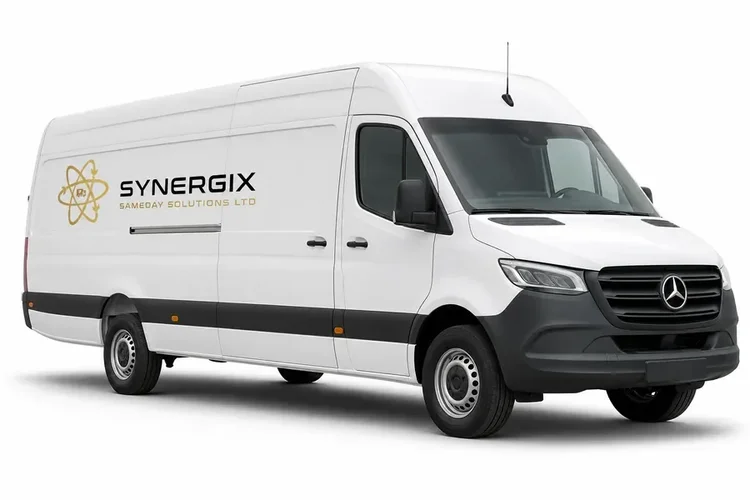
XLWB van
4.2 × 1.2 × 1.8 m
Load length × width × height
Up to 1,100 kg
Typical standard body. Assigned vehicle confirmed.
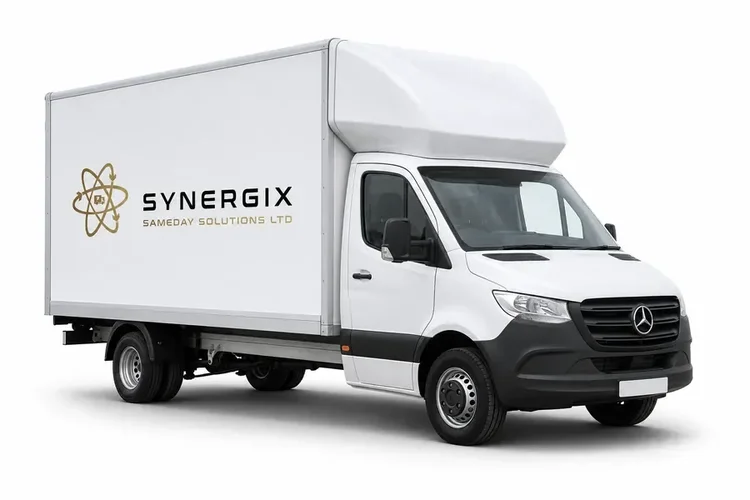
Luton van
4 × 2 × 2 m
Load length × width × height
Up to 1,100 kg
Up to 900 kg with a tail lift.
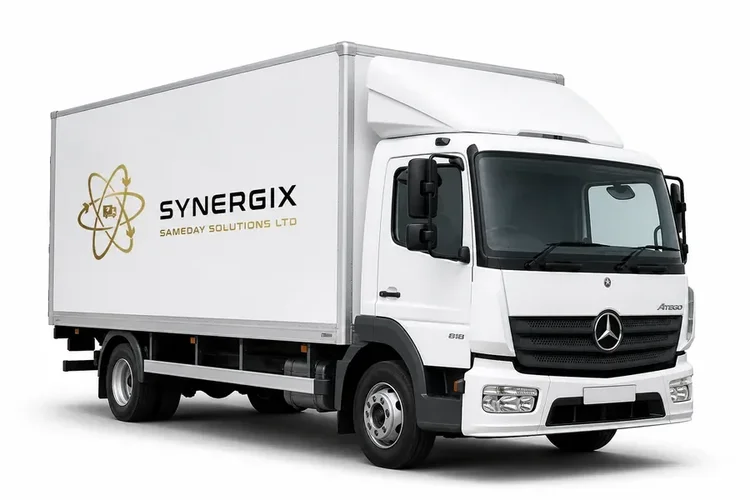
7.5 tonne lorry
6 × 2.2–2.4 × 2–2.445 m
Load length × width × height
Up to 2,400 kg
Typical standard body. Assigned vehicle confirmed.

18 tonne lorry
7.5 × 2.4 × 2.5 m
Load length × width × height
Up to 9,000 kg
Typical standard body. Assigned vehicle confirmed.

26 tonne lorry
8 × 2.5 × 2.6 m
Load length × width × height
Up to 15,000 kg
Typical standard body. Assigned vehicle confirmed.

13.6m artic
13.6 × 2.5 × 2.6 m
Load length × width × height
Up to 26,000 kg
Typical standard body. Assigned vehicle confirmed.
View stationary dimensions and vehicle guide links
These are typical standard-body planning figures. Actual load space, doors, loading equipment and usable payload must be checked for the assigned vehicle.
| Vehicle | Load space | Payload | Checks |
|---|---|---|---|
| Small van | 1.2 × 1 × 1 m | Up to 400 kg | Compact loads. Check item size and handling at each end. |
| SWB van | 2.4 × 1.2 × 1.2 m | Up to 800 kg | Smaller goods. Check door openings and wheel arches. |
| LWB van | 3.6 × 1.2 × 1.8 m | Up to 1,250 kg | Longer enclosed loads. Check openings and restraint. |
| XLWB van | 4.2 × 1.2 × 1.8 m | Up to 1,100 kg | Extra length for bulky goods. Length does not increase lifting capacity. |
| Luton van | 4 × 2 × 2 m | Up to 1,100 kg | Bulky items. Up to 900 kg with a tail lift; confirm platform capacity. |
| 7.5 tonne lorry | 6 × 2.2–2.4 × 2–2.445 m | Up to 2,400 kg | Body-dependent dimensions. Confirm unloading equipment and access. |
| 18 tonne lorry | 7.5 × 2.4 × 2.5 m | Up to 9,000 kg | Larger loads. Confirm turning space and unloading. |
| 26 tonne lorry | 8 × 2.5 × 2.6 m | Up to 15,000 kg | Larger rigid capacity. Equipment reduces usable payload. |
| 13.6m artic | 13.6 × 2.5 × 2.6 m | Up to 26,000 kg | Bulk loads and projects. Confirm trailer, loading and access. |
The handling plan still matters.
Vehicle capacity does not establish what a person or team can lift. Tail-lift capacity, the whole platform load, ground conditions and the carrying route need checking. Body conversions and equipment can reduce useful space and payload.
Practical product and project detail
Furniture rework requests we can review
These are useful enquiry categories, not a list of repairs every crew can perform. We confirm the method and competence for the particular product before accepting any correction.
- Assembly issues
- Components
- Minor correction
- Reassembly
- Repeat product work
- Beyond minor work
Incorrect or incomplete assembly
Tell us which stage has been reached, what appears wrong and whether parts were forced or altered. Send the correct instructions and photographs of the whole item and affected area. Review may show that reassembly is appropriate or that replacement components are needed first.
Supplied replacement parts
If a retailer or manufacturer has identified a replacement, provide its part number, fitting method and delivery date. Match it to the furniture model and configuration. A visually similar fitting is not automatically a suitable substitute.
Defined adjustments and minor repairs
Describe a loose fitting, alignment problem or minor issue precisely, with product instructions where available. We assess whether a suitable person can undertake the proposed correction. Do not assume a surface mark and a damaged load-bearing joint are the same type of repair.
Furniture after movement
Previously dismantled furniture needs its components, fittings and condition reviewed. Tell us who took it apart and what must be rebuilt. Damage or wear around connectors may affect suitability even when the pieces appear complete.
Retailer rework programmes
For a known issue across multiple items, provide the model list, approved correction and acceptance checks. We can discuss preparing people around that specific method and scheduling customer visits, depot work or agreed movements.
Specialist materials or structural concerns
State clearly if the request involves upholstery, leather colour work, antique conservation, refinishing, mechanisms or structural damage. These require separate competence and acceptance checks. We do not advertise automatic expertise in those specialist repairs.
Agree the correction before attendance
A clear brief gets the right response
A useful rework instruction explains what the issue is, who has authorised the remedy and how completion will be checked. It prevents a visit being booked before the necessary parts or decisions exist.
Evidence
Photographs that show the context
Send an overall image, the affected detail and any product or part label. Include measurements where they explain a gap, alignment or fit. Photographs support initial review but do not always establish hidden damage or the full repair needed.
Authority
Use an approved method
For retailer or manufacturer work, identify who authorises the correction and provides the instructions. Agree whether the task is a supplied procedure or needs further assessment. Do not ask the team to improvise changes that may affect the product.
Parts
Make the materials available
Confirm replacement parts, fittings, instructions and any product-specific tools are present and correct. Tell us whether they are at the customer address, depot or still in transit. Missing components can mean a separate visit.
Outcome
Set realistic completion checks
Agree the checks, any record required and who can sign off the accepted work. Do not assume a cosmetic correction will become invisible or that an assembly check amounts to an independent safety or warranty certification.
A concern about safety changes the task
If the furniture appears unstable or damaged, tell the responsible supplier and keep it out of use pending suitable assessment. An attendance booking is not proof that an item is safe, repairable or fit to return to service.
At the premises or by agreed movement
Plan the practical next step
Repair and rework can involve access, space, spare parts and a customer waiting for resolution. A coordinated plan helps avoid asking the recipient to repeat the same information to different people.
On site
Review the working conditions
Tell us where the furniture is, what access is available and whether it can be worked on in place. Share stairs, lift restrictions, parking and the clear working space. Moving a piece to reach its underside may need handling planned separately.
Transport
Collect and return when agreed
If work needs another location, name the receiving point, contact and opening times. Agree the collection condition record and protection. A return movement is separate from assuming Synergix operates every type of restoration workshop.
Recipient
Coordinate the appointment
We can arrange attendance with the end user or follow your own instructions. Identify who can approve a change if the issue differs from the photographs or the supplied parts do not match.
Programmes
Prepare a repeatable process
For repeated product work, agree the instructions, quantities, skills and completion evidence first. Plan realistic time per address and a route for exceptions. Similar complaints can still have different causes or access constraints.
Why choose Synergix?
The people and capability behind the work.
A practical plan, suitably prepared people and an accountable team to follow the work through.
Product-specific preparation
People matched to the correction
We can train or appoint suitably skilled people for the work accepted. A defined method allows retailers to prepare a consistent response without claiming that every driver is a specialist restorer.
Relevant experience
Furniture handling and on-site problem solving
Existing Synergix furniture work includes minor repair and reassembly support. Our experience with some of the largest furniture retailers informs practical appointments, handling and escalation.
Connected operation
Attendance and transport coordinated
Where the brief includes parts movements, collection or return delivery, those steps can be planned through the same operation. That helps align the visit with the furniture and components actually being ready.
Useful evidence
Confirmation suited to the task
Live tracking and proof of delivery support connected transport. Agree separate photographs, corrective-work checklists or outstanding-parts notes when needed so everyone understands what has and has not been completed.
Reassurance
Cover checked against the work
Transport is fully insured with applicable goods and value checks. Repair, rework and on-site activities require separate confirmation of scope and cover. We check the accepted job rather than imply every intervention is covered automatically.
National support
A practical mainland UK response
Three generations of family transport experience underpin mainland UK operations and 24/7/365 operations contact. Appropriate skill and attendance availability are confirmed for each job, with island enquiries individually reviewed.
How the job works
From the brief to the handover.
Agree the work before the appointment so the goods, people, time and site arrangements fit together.
- Describe and show the issue
Send product references, photographs and the required outcome. Include any approved procedure, supplied parts and earlier attempts.
- Confirm a suitable scope
We review the task, method, parts, required skills and site. Acceptance depends on what can properly be undertaken, not simply the page category.
- Arrange the accepted work
Confirm recipient contact, access, readiness and any transport. If the actual issue differs, the responsible person agrees the next step before additional work.
- Record the result
Complete the agreed checks and records. Clearly identify outstanding parts or further specialist assessment rather than signing off a repair that has not been completed.
Price and preparation
What we need to quote.
The cost depends on the accepted method, skills, parts arrangements, attendance, access, working time and any transport. An initial description or photograph may need further information before a firm scope is possible. We can discuss repeat rework programmes as well as single requests, with assessment, corrective work and any revisit distinguished in the quotation.
- Product identityMake, model, configuration, age if known, order reference and photographs of labels and the whole item.
- Issue detailsClear close-up photographs, symptoms, when noticed, earlier attempts and any concern about stability or damage.
- Proposed remedyManufacturer instructions, approved correction, replacement component references and the person authorising the work.
- Parts and readinessWhat materials and fittings are available, where they are and when the furniture and working space will be ready.
- Site and transportAddress, contact, access, parking, floors, working area and any collection or return destination required.
- Timing and acceptancePreferred dates, number of affected items, recipient arrangements, completion checks and any report or photographs requested.
Answers before you book
Furniture repairs and rework questions.
Service scope, preparation and the details that affect the booking.
What furniture repairs and rework do you undertake?
We assess minor repair, reassembly and product-specific corrective tasks. Send the item details, photographs and proposed method so we can confirm whether suitable people and arrangements are available for the particular work.
Can you repair every type of damage?
No blanket repair promise is made. Material, structural condition, method and competence matter. Specialist restoration, upholstery, refinishing or technical mechanisms need separate review and are not automatically included.
Can you fit a replacement part supplied by my retailer?
We can consider it with the exact product, part reference and fitting instructions. Confirm the part is correct and available before attendance. The method and suitably skilled people must be agreed.
Can the work be done in my home or business?
Sometimes, where the accepted method and working conditions suit on-site attendance. Tell us the item position, access and space. If another location is needed, collection and return require separate agreement.
Do you need photographs before quoting?
Photographs are a useful starting point. Send the whole item, the affected area and identifying labels, with a clear description. We may need instructions or further assessment before confirming scope and price.
Can you correct furniture that has been partly assembled?
We can review it. Explain what has already been done and provide photographs and the correct instructions. Missing parts, altered fittings or damaged joints may need resolving before any reassembly can be accepted.
Do you provide antique restoration or reupholstery?
Those are specialist disciplines and are not part of a standard minor-rework promise. Describe the request so the necessary competence and options can be checked. Do not book transport assuming specialist restoration is already accepted.
Will the repair be invisible or restore the item as new?
We do not promise that. The achievable result depends on the material, condition and accepted correction. Agree realistic completion criteria before work, and identify when a replacement or further specialist assessment is required.
Can you support repeated retailer rework jobs?
Yes, we can discuss a programme around a defined product, approved method and required skills. Share quantities, locations, parts supply and completion checks so preparation and attendance can be planned consistently.
Is this an independent warranty inspection?
No. A booked corrective task or completion record is not automatically an independent inspection, warranty decision or insurance valuation. If a formal assessment is required, specify it so the appropriate competence and scope can be checked.
Can you collect furniture for repair and deliver it back?
We can arrange accepted collection and return movements to an agreed receiving destination. Share condition, dimensions, access and contacts at both ends. The transport booking does not by itself confirm who performs specialist repair.
Can you attend urgently?
Tell us the issue, location, parts and deadline. Suitable skills and availability determine attendance. Conditional 60-minute UK courier collection may help move suitable urgent parts but is not a repair-crew arrival guarantee.
Talk through the requirement
Show us the furniture problem
Send the model, photographs and required correction. We will confirm a suitable scope and the next practical step for accepted work.