
From the room to the right destination
Collections
and removals
Need furniture removed from a property, equipment collected from a customer or bulky goods returned to a depot? Synergix plans collections and removals around the items, access and receiving destination. Arrange carrying, suitable people, transport and any agreed dismantling across mainland UK. Tell us what is moving, where it must go and when.
Teams prepared for the taskPeople and skills matched to the agreed work.
Fully insured transportGoods, value and applicable cover confirmed.
Live tracking & PODFollow transport and confirm the delivery.
24/7/365 supportAppointments and on-site work arranged separately.
What we provide
Collections and removals
A collection is more than arriving with an empty vehicle. The item must be identified, released by the right person, brought out by an agreed method and accepted at its destination. We join those steps together and make requested inside carrying, dismantling or replacement delivery explicit in the booking.
Customer addresses
Collect from homes and businesses
Arrange the collection with the occupier or use your own booking instructions. Confirm the item location, access and release contact so the crew knows what it is authorised to remove.
Retail movements
Returns and depot transfers
Bring the agreed goods back to your depot, supplier or another named receiving point. Match order and return references to the physical item and confirm the receiving hours before the collection.
Changeovers
Remove and replace in sequence
Where agreed, coordinate an old-item collection with the arrival of replacement furniture or equipment. Explain whether the existing item must leave first and who authorises an exchange if something differs.
Handling
Carrying and dismantling by agreement
Tell us whether the item is ready at kerbside or still upstairs, assembled or connected. We plan accepted carrying and dismantling tasks with suitable people and equipment rather than relying on the recipient to help lift.
Vans and trucks up to 13.6m
Transport matched to the load.
Choose the vehicle around the goods, access and loading plan. On-site handling and the skills needed for the work are confirmed separately.
Showing 9 vehicle options.
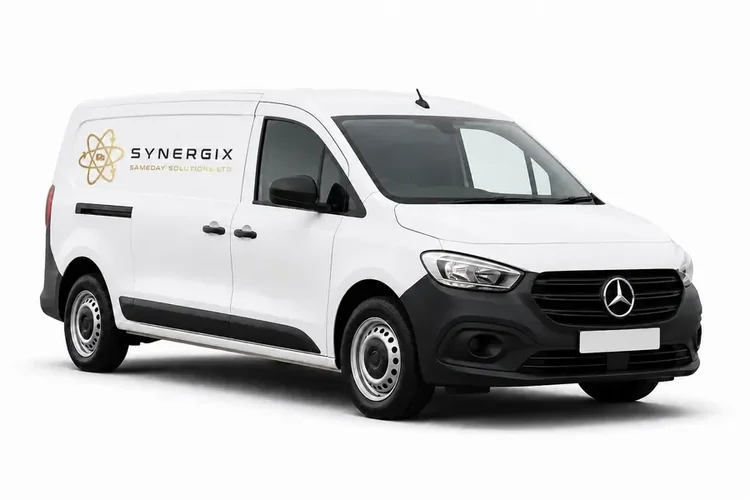
Small van
1.2 × 1 × 1 m
Load length × width × height
Up to 400 kg
Typical standard body. Assigned vehicle confirmed.
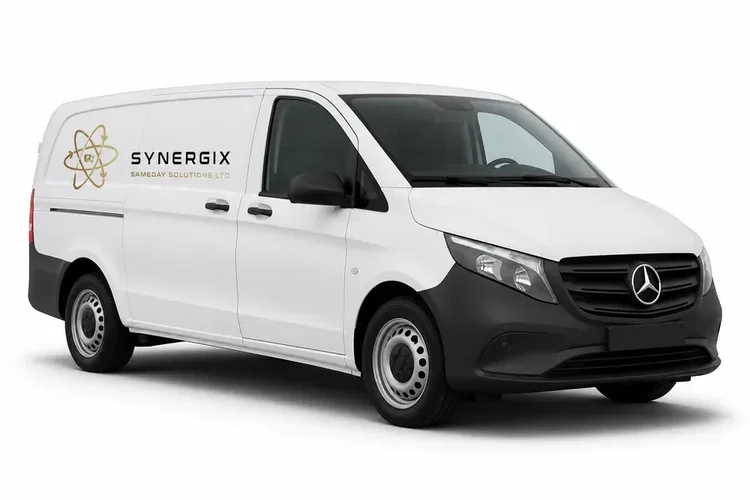
SWB van
2.4 × 1.2 × 1.2 m
Load length × width × height
Up to 800 kg
Typical standard body. Assigned vehicle confirmed.
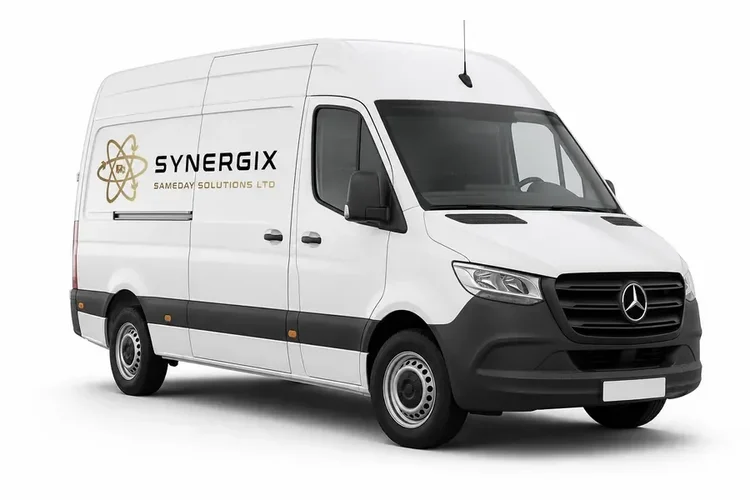
LWB van
3.6 × 1.2 × 1.8 m
Load length × width × height
Up to 1,250 kg
Typical standard body. Assigned vehicle confirmed.
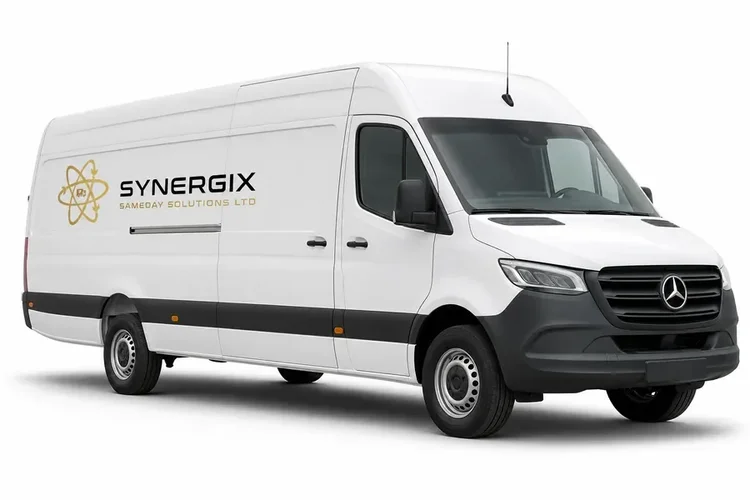
XLWB van
4.2 × 1.2 × 1.8 m
Load length × width × height
Up to 1,100 kg
Typical standard body. Assigned vehicle confirmed.
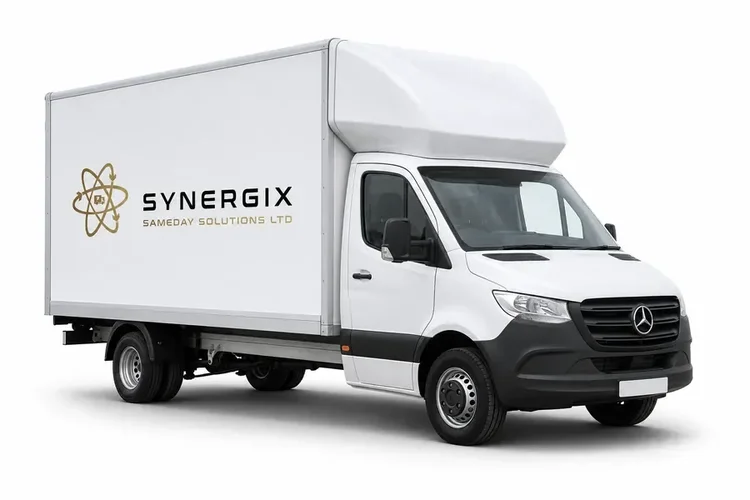
Luton van
4 × 2 × 2 m
Load length × width × height
Up to 1,100 kg
Up to 900 kg with a tail lift.
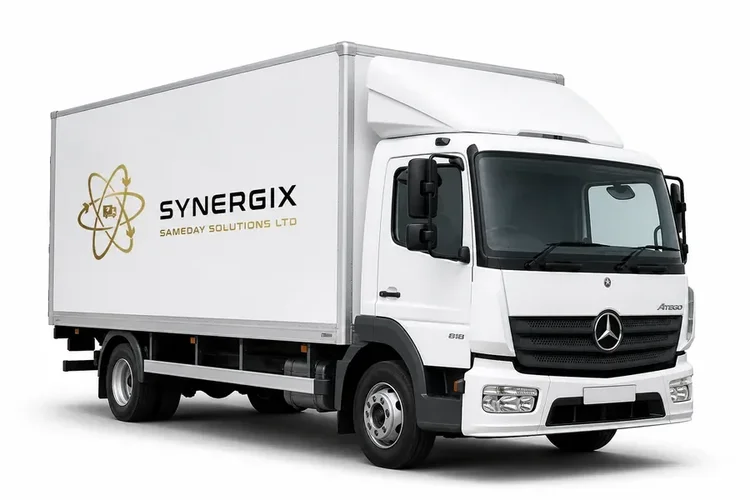
7.5 tonne lorry
6 × 2.2–2.4 × 2–2.445 m
Load length × width × height
Up to 2,400 kg
Typical standard body. Assigned vehicle confirmed.

18 tonne lorry
7.5 × 2.4 × 2.5 m
Load length × width × height
Up to 9,000 kg
Typical standard body. Assigned vehicle confirmed.

26 tonne lorry
8 × 2.5 × 2.6 m
Load length × width × height
Up to 15,000 kg
Typical standard body. Assigned vehicle confirmed.

13.6m artic
13.6 × 2.5 × 2.6 m
Load length × width × height
Up to 26,000 kg
Typical standard body. Assigned vehicle confirmed.
View stationary dimensions and vehicle guide links
These are typical standard-body planning figures. Actual load space, doors, loading equipment and usable payload must be checked for the assigned vehicle.
| Vehicle | Load space | Payload | Checks |
|---|---|---|---|
| Small van | 1.2 × 1 × 1 m | Up to 400 kg | Compact loads. Check item size and handling at each end. |
| SWB van | 2.4 × 1.2 × 1.2 m | Up to 800 kg | Smaller goods. Check door openings and wheel arches. |
| LWB van | 3.6 × 1.2 × 1.8 m | Up to 1,250 kg | Longer enclosed loads. Check openings and restraint. |
| XLWB van | 4.2 × 1.2 × 1.8 m | Up to 1,100 kg | Extra length for bulky goods. Length does not increase lifting capacity. |
| Luton van | 4 × 2 × 2 m | Up to 1,100 kg | Bulky items. Up to 900 kg with a tail lift; confirm platform capacity. |
| 7.5 tonne lorry | 6 × 2.2–2.4 × 2–2.445 m | Up to 2,400 kg | Body-dependent dimensions. Confirm unloading equipment and access. |
| 18 tonne lorry | 7.5 × 2.4 × 2.5 m | Up to 9,000 kg | Larger loads. Confirm turning space and unloading. |
| 26 tonne lorry | 8 × 2.5 × 2.6 m | Up to 15,000 kg | Larger rigid capacity. Equipment reduces usable payload. |
| 13.6m artic | 13.6 × 2.5 × 2.6 m | Up to 26,000 kg | Bulk loads and projects. Confirm trailer, loading and access. |
The handling plan still matters.
Vehicle capacity does not establish what a person or team can lift. Tail-lift capacity, the whole platform load, ground conditions and the carrying route need checking. Body conversions and equipment can reduce useful space and payload.
Practical product and project detail
Items and collection jobs we can consider
Furniture is a common reason to request two-person collections, but our scope is much wider. These examples help you prepare the brief rather than limit what you can ask us to move.
- Furniture
- Appliances
- Workplaces
- Retail
- Fragile goods
- Other items
Sofas, beds, tables and storage furniture
Give quantities, condition, assembled dimensions and any detachable sections. Tell us whether the furniture should remain intact for reuse or return. Dismantling requires an agreed method, and all fixings or components need to travel with the correct item.
Bulky domestic and commercial appliances
Identify the appliance, dimensions and condition, and confirm how it will be prepared for collection. Disconnection, drainage and technical work must be assigned separately. Tell us if an item is faulty or damaged so the handling and destination can be checked.
Office furniture and business equipment
Label items that are leaving and clearly distinguish anything remaining on site. Desks, chairs and equipment can go to another workplace, depot or agreed receiving point. Share loading-bay bookings, lift access and the contact authorised to release them.
Customer returns and display items
Order numbers, return authorisations and condition information help keep goods traceable. Explain whether the collection is a cancelled order, exchange, showroom movement or return for assessment. The crew's collection record is not a decision about a refund.
Glass, bespoke and delicate items
Identify vulnerable parts and the packaging available. Send photographs when the original protection has been removed. We agree suitable protection and handling before collection, including any restrictions on taking the product apart.
Machinery, vehicles and awkward goods
Ask us about items beyond the usual furniture list. Dimensions, weight, mobility, lifting points and access decide the collection method. We confirm the vehicle and equipment for each job rather than treating every bulky item as an ordinary manual lift.
Prepare the item and authority
Know exactly what is leaving
Clear identification saves confusion at a busy address. For business collections, your instructions should connect the customer order, the item and the destination.
Release
Who can hand it over?
Provide a contact who can allow entry and release the goods. If a tenant, facilities manager or end user is involved, make sure they know which items are leaving and whether a signature or reference is needed.
Condition
Record what matters
Tell us about damage, loose parts, missing packaging or a faulty mechanism before booking. Agree any requested photographs or condition notes. We can record the agreed information without assuming a product inspection or repair diagnosis.
Components
Keep each set together
Empty furniture and keep shelves, feet, fittings and instructions with the right item. If dismantling is accepted, agree how sections and fixings will be identified so the receiving team can recognise a complete set.
Destination
Arrange acceptance at the other end
Give the depot contact, receiving slot and reference. An old sofa going back to your depot needs a receiving plan just as new stock does. Tell us early if items have different onward destinations.
Old furniture needs an agreed destination
Pre-arranged transport back to a depot is supported. If you want disposal, recycling or waste collection, tell us explicitly so that scope, permissions and destination can be checked. Those services are not automatically included in a removal quotation.
A workable collection day
Plan the route out
An item that entered a property years ago may not leave by the same route today. Alterations, parked vehicles, new furniture and restricted lifts all affect the collection.
Access
Measure the route, not only the item
Share door widths, landings, stair turns, lift dimensions and the floor. Photographs are useful for awkward routes. Tell us about any original delivery method that relied on removing doors or specialist equipment.
Readiness
Agree preparation responsibilities
Items should be empty and ready as agreed. Appliances and powered equipment may need preparation by an appropriate person. The crew should not discover unplanned connections or fixed installations after arriving.
Sequence
Coordinate replacements and other trades
For exchanges or refits, specify when the space must be cleared and when new items can arrive. Identify a decision-maker for wrong items, access changes or a recipient who wants to retain the item.
Resources
Match the team and equipment
The load, carrying distance, stairs and working space determine staffing and aids. A two-person crew does not make every lift suitable. We confirm additional people or equipment where the assessed task needs them.
Why choose Synergix?
The people and capability behind the work.
A practical plan, suitably prepared people and an accountable team to follow the work through.
Practical flexibility
The collection you actually need
Choose the item, address, carrying and destination rather than accept a narrow furniture-only brief. We can plan single movements and customer-specific repeat collection work.
Relevant experience
Major furniture retailer work
Synergix is trusted by some of the largest furniture retailers. That experience supports practical collection instructions and careful customer-facing handling without publishing private customer identities.
Prepared teams
Skills matched to the task
We can train or appoint appropriately skilled drivers and mates for agreed dismantling or handling. Product information helps us prepare before arrival rather than expect every crew to know every system.
Visibility
Tracking and delivery confirmation
Live tracking and proof of delivery help you follow the return journey and know when the receiving point has the goods. Agree collection photographs, item references or condition notes separately.
Reassurance
Fully insured transport
We check applicable transport cover against the goods, value and booked service. Inside removal, dismantling and any other on-site task require their scope and cover to be confirmed.
Accountable reach
Mainland UK and 24/7 support
Three generations of family transport experience support a national operation with 24/7/365 operations contact. Island collections and specialist attendance are individually arranged, with availability confirmed for the job.
How the job works
From the brief to the handover.
Agree the work before the appointment so the goods, people, time and site arrangements fit together.
- Describe the movement
Send the item list, condition, access, collection contact and receiving destination. Add photographs for bulky or awkward goods.
- Agree the work
We confirm people, vehicle, equipment, preparation, carrying and any dismantling. Recipient arrangements and the receiving slot are agreed together.
- Collect as instructed
The crew identifies and collects the authorised items. Differences in condition, quantity or access are referred to the responsible contact before the plan changes.
- Complete the return journey
Goods move to the agreed receiving point, with proof of delivery and any additional records specified for the booking.
Price and preparation
What we need to quote.
The quotation considers vehicle space, travel, number of people, access, working time, equipment and any accepted dismantling or additional stop. We can discuss repeat runs and day-rate arrangements as well as individual collections. Accurate information about the route out helps avoid pricing a difficult upstairs removal as a simple kerbside loading job.
- Item listDescriptions, quantities, condition, dimensions, weights and photographs. Include all loose components and tell us whether packaging is available.
- Both addressesCollection and receiving postcodes, opening hours, release contact, receiving contact and any return or purchase reference.
- Access out and inFloors, stairs, lifts, doors, parking, carrying distance and loading arrangements at both addresses.
- PreparationWhether goods are empty, disconnected, dismantled or ready to move. List any work you want our team to undertake.
- After collectionNamed destination and who will accept the goods. State any exchange sequence, onward movement or separately requested disposal requirement.
- Date and programmePreferred dates, time restrictions, recipient-contact arrangements and whether this is one collection or a regular run.
Answers before you book
Collections and removals questions.
Service scope, preparation and the details that affect the booking.
Can you collect furniture from inside a property?
Yes, when inside carrying is requested and agreed. Tell us the room, floor, stairs, lift and parking arrangements. Standard two-person transport is kerbside, so removal from a room must be included in the brief.
Where do you take collected furniture?
To the destination agreed in the booking, such as your depot, supplier or another property. Give the receiving contact and opening times. Disposal, recycling or donation acceptance must be arranged separately rather than assumed.
Do you offer free furniture collections?
Collections are quoted commercial transport services. A charity may offer its own collection for goods it accepts, but Synergix does not promise a free collection or guaranteed donation acceptance.
Can you dismantle furniture before removing it?
We can consider agreed dismantling with suitable instructions and people. Tell us the product, condition and what must remain reusable. Cutting up furniture or removing building features is not an automatic part of collection.
Can you collect old furniture when delivering a replacement?
Yes, by prior agreement. Provide details of both items, the exchange reference and where the collected furniture must go. Confirm what happens if the replacement cannot be accepted or the old item differs from the brief.
Do I need to carry anything or help the crew?
We plan the people and equipment around the agreed task. Tell us the full access and load details so the booking does not rely on the recipient providing unplanned lifting help.
Can you collect appliances and machinery?
Yes, subject to confirming the particular goods and handling method. Give dimensions, weight, condition and preparation requirements. Technical disconnection, lifting equipment and any special loading arrangements must be assessed separately.
What if an item cannot fit through the doorway?
Contact us before collection if you already know this is a problem. We can review measurements, photographs and possible dismantling or equipment. If an unexpected obstruction arises, the team must agree a workable next step rather than force the item through.
Can you book the collection with my customer?
Yes, or we can follow your own collection arrangements. Agree who makes contact, the date or window and who approves changes. Repeat retailer collections can be planned as part of set runs.
Can you collect urgently?
Tell us the deadline and full handling requirements. We confirm availability for the necessary team and equipment. Conditional 60-minute UK courier collection applies to suitable courier movements and does not guarantee a removal crew's arrival.
Are collections available nationwide?
Our current operation covers mainland UK. Island work can be considered individually, including ferry arrangements, local access and the receiving plan. Share both postcodes and any non-road legs when enquiring.
What information is needed for a removal quote?
Send the item list, photographs, dimensions, weight, both addresses and access. Include the room and floor, any dismantling, dates, release authority and receiving contact. Tell us if the goods are damaged or may require special handling.
Talk through the requirement
Tell us what needs collecting
Give us the goods, access and receiving destination. We will quote a collection and removal plan around the actual work.